For more information about senior living options: (866) 208-4318
4 from 114 reviews
5 stars
72
4 stars
14
3 stars
3
2 stars
5
1 stars
20
St. Dominic Village Costs & Pricing
St. Dominic Village offers competitive pricing for its accommodations, with a studio unit available at $1,390 per month and a one-bedroom unit priced at $2,010. When compared to the broader market in Harris County, where studio units average around $4,021 and one-bedroom apartments reach about $4,027, St. Dominic Village presents a significantly more affordable option. Similarly, when looking at state averages across Texas - approximately $3,758 for studios and $3,761 for one-bedrooms - the value offered by St. Dominic Village stands out even more. These cost-effective rates not only provide residents with an attractive living solution but also reflect the community's commitment to accessibility without compromising quality.
Floor plans
St. Dominic Village
Harris County
Texas
Studio
$1,390
$4,021
$3,758
1 Bedroom
$2,010
$4,027
$3,761
Skilled Nursing Facilities with a similar price nearby
Dining stands out as a consistently positive part of daily life.
Multiple residents and family members describe meals as tasty and well-prepared, often mentioning the dining room experience and reasonable meal costs. Several reviews also call out variety and accommodating specific preferences, like vegetarian options. A few readers also note meals are part of the day and easy to fit into visits or stays.
common28 reviews mention this
Care teams earn trust through compassion
Residents and families frequently describe staff as kind and responsive.
Across independent living, assisted living, and skilled nursing, reviewers often say the staff is helpful, caring, and professional. In rehab and therapy stories, families describe therapists and nurses as supportive and attentive to getting residents back on their feet. Cleanliness and feeling safe are also linked to how staff show up day to day in many of the positive reviews.
differentiator10 reviews mention this
Multiple care tiers on one campus
A move between care levels stays on the same campus.
Several reviews emphasize convenience in having independent living, assisted living, and skilled nursing available on-site, so residents do not have to relocate for a higher level of care. Stories include transitions after a medical need and the ability to return to independent living after short-term skilled nursing. This “three tiers” setup is repeatedly presented as a practical benefit for families managing changing needs.
common7 reviews mention this
Catholic faith programming is important
Daily religious options are a noticeable part of community life.
Reviewers frequently mention the chapel and daily mass, describing the faith component as helpful and meaningful. Some families say it matters to their loved one’s quality of life, and others highlight regular religious services available on the campus. A few readers also describe the Catholic atmosphere as a reason they chose the community.
caveat11 reviews mention this
Families cite serious breakdowns in care
Some reviews report major concerns with care execution and responsiveness.
While many reviews are positive, several families describe experiences they characterize as neglect or mistreatment, including problems with bathing, diaper changes, medication handling, and call-light response. There are also accounts of falls or injuries, missed needs, and communication issues during transitions or short-term respite stays. One review also describes difficulties related to dementia support and language access.
common6 reviews mention this
Nearby medical center access helps
Proximity to the medical center is a repeated reason to choose this place.
Some reviewers—especially those staying during treatment—highlight how close the community is to the Texas Medical Center area. Several mention convenience for appointments and being able to visit or manage care needs without long travel. A few also reference campus grounds and walkable or transit access as part of that overall convenience.
How we summarize
Counts show how many written reviews mention each theme; a review can touch several themes, and only frequently mentioned themes are displayed.
Features
Housing
48 resident community capacity
Studio apartments
Types of Care
Assisted Living
Independent Living
Skilled Nursing Facility
Pets
Cats allowed
Dogs allowed
Amenities
Activities on-site
Beautician on-site
Beauty salon
Cable or satellite TV
Computer center
Devotional services on-site
Dining room
Fully furnished
Garden
Golf
Housekeeping services
Indoor common areas
Kitchenette
Laundry
Move-in coordination
Outdoor space
Party space
Private bathrooms
Resident parking
Respite or short term stays offered
Restaurant-style dining
Security gate
Small library
Telephone
Wheelchair accessible showers
Wi-Fi/high-speed internet available
Transportation
William P X (7 miles away)
George Bush Intercontinental (19 miles away)
Transportation & parking
Care Services
24-hour call system
24-hour supervision
Activities of daily living assistance
Ambulatory care
Assistance with bathing
Assistance with dressing
Assistance with transfers
Diabetes diet
Diabetic care
High acuity care
Incontinence care
Meal preparation and service
Medication management
Mental wellness program
Physical therapy
Special dietary restrictions
Dining
Diabetes diet
Meals provided
Special dietary restrictions
Activities
Activities on-site
Art classes
Arts and crafts
Book club
Brain fitness
Community-sponsored activities
Devotional activities on-site
Fitness programs
Games
Religious services
Resident-run activities
Scheduled daily activities
Tai Chi
Trivia games
Yoga / chair yoga
Languages Spoken
English
Nearby Places of Interest
Located in the heart of Houston, Texas, this vibrant and diverse neighborhood offers a wide range of amenities and services for seniors looking to settle down in a bustling urban environment. With top medical facilities such as TMCx Texas Medical Center Accelerator and Michael E. DeBakey VA Medical Center nearby, residents have access to quality healthcare options. The area also boasts beautiful parks like Hermann Park and McGovern Centennial Gardens for leisurely walks and outdoor activities. There are numerous dining options, from casual fast food joints like McDonald's to more upscale options at Axelrad Beer Garden and Shake Shack. Additionally, there are pharmacies, cafes, places of worship, and theaters within a short distance, providing convenience and entertainment for seniors looking to enjoy their retirement years in this dynamic community.
Hospitals
TMCx Texas Medical Center Accelerator (0.1 miles)
Michael E. DeBakey VA Medical Center (0.6 miles)
Ben Taub Hospital (0.9 miles)
Methodist Research Institute (1.1 miles)
Houston Methodist Hospital - Walter Tower (1.1 miles)
Houston Methodist Research Institute (1.1 miles)
Methodist Hospital Dunn Tower (1.2 miles)
Parks
Hermann Park (0.8 miles)
McGovern Centennial Gardens (1.2 miles)
Old Braeswood Park (1.9 miles)
Emancipation Park (2.4 miles)
Elizabeth Baldwin Park (2.4 miles)
Levy Park (3.2 miles)
West Webster Street Park Playground and Dog Park (3.3 miles)
Physicians
Pisters Katherine MD-University Texas MD Anderson Cancer Center (1 miles)
University of Texas School of Dentistry (1 miles)
Light IV David Dr Houston Radiology Associated Houston (1.2 miles)
Houston Methodist Primary Care Group (1.2 miles)
Houston Family Practice (1.4 miles)
Medical Clinic Of Houston, LLP (1.7 miles)
Houston Eye Associates (2.4 miles)
Transportation
Memorial Hermann/Hstn Zoo Station (1.1 miles)
Metrorail - Smith Lands Station (1.5 miles)
Metro Bus Stop 663 (3.8 miles)
Pharmacies
Walgreens (1.3 miles)
CVS Pharmacy (1.3 miles)
Walgreens (1.4 miles)
CVS Pharmacy (1.8 miles)
Walgreens (2 miles)
CVS Pharmacy (2.1 miles)
Walgreens (2.2 miles)
Restaurants
The Turkey Leg Hu (1.5 miles)
McDonald's (1.8 miles)
Axelrad Beer Garden (2.1 miles)
Shake Shack (2.3 miles)
Chick-Fil-A (2.6 miles)
Amy's Ice Creams (2.7 miles)
McDonald's (2.8 miles)
Places of Worship
Wheeler Avenue Baptist Church (2 miles)
Rothko Chapel (2.4 miles)
Cafes
Siphon Coffee (2.4 miles)
Mercantile (2.7 miles)
Blacksmith (2.8 miles)
Agora (2.9 miles)
Slowpokes (3.2 miles)
Starbucks (3.2 miles)
Starbucks (3.6 miles)
Theaters
Regal Edwards Greenway Grand Palace ScreenX & RPX (4 miles)
St. Dominic Village offers competitive pricing for its accommodations, with a studio unit available at $1,390 per month and a one-bedroom unit priced at $2,010. When compared to the broader market in Harris County, where studio units average around $4,021 and one-bedroom apartments reach about $4,027, St. Dominic Village presents a significantly more affordable option. Similarly, when looking at state averages across Texas - approximately $3,758 for studios and $3,761 for one-bedrooms - the value offered by St. Dominic Village stands out even more. These cost-effective rates not only provide residents with an attractive living solution but also reflect the community's commitment to accessibility without compromising quality.
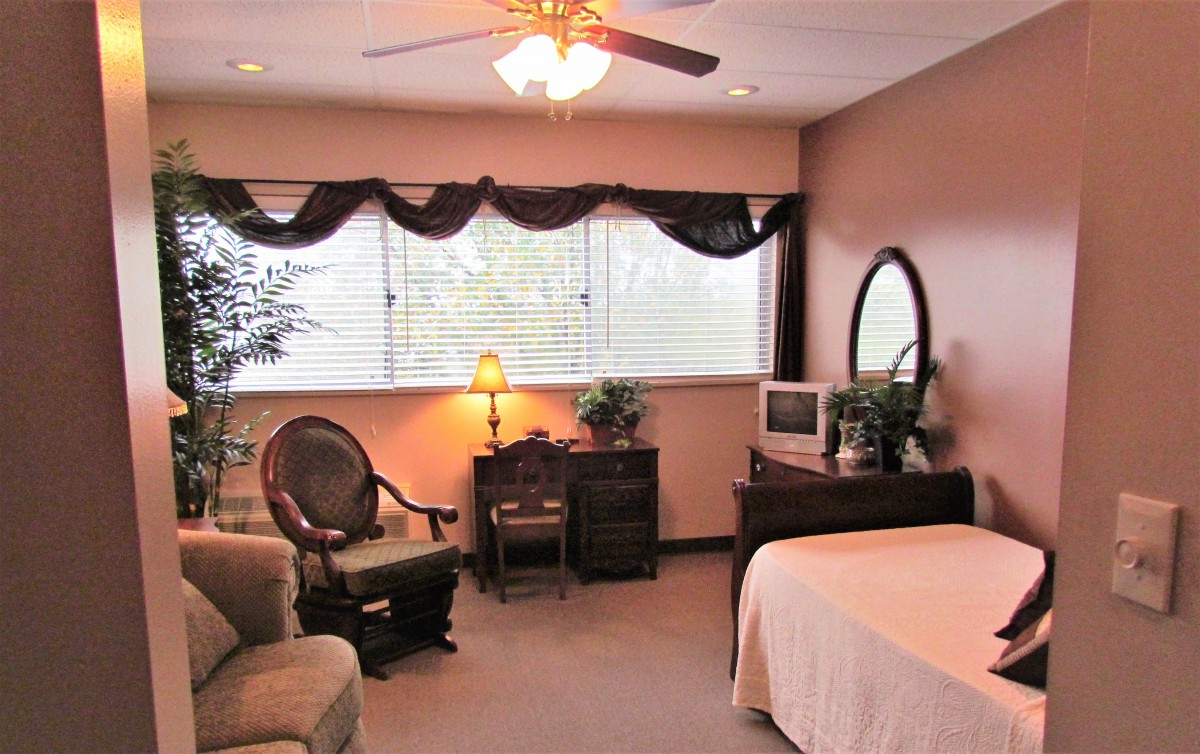
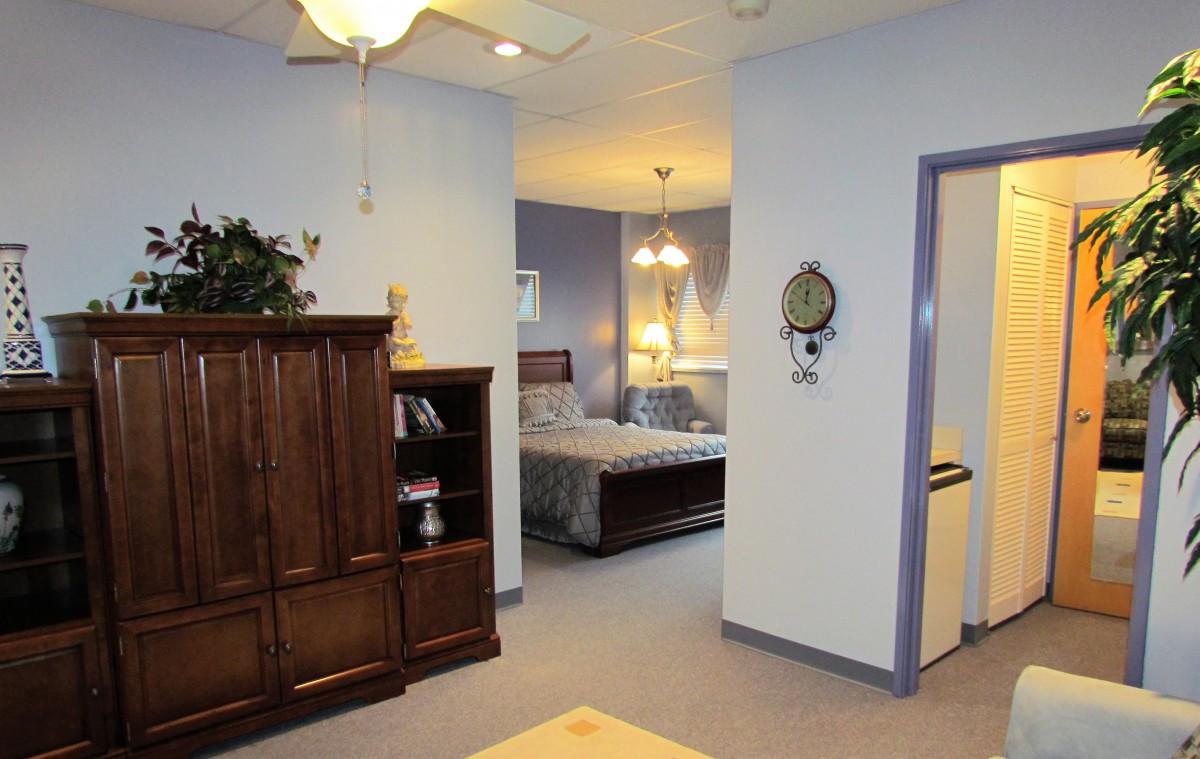
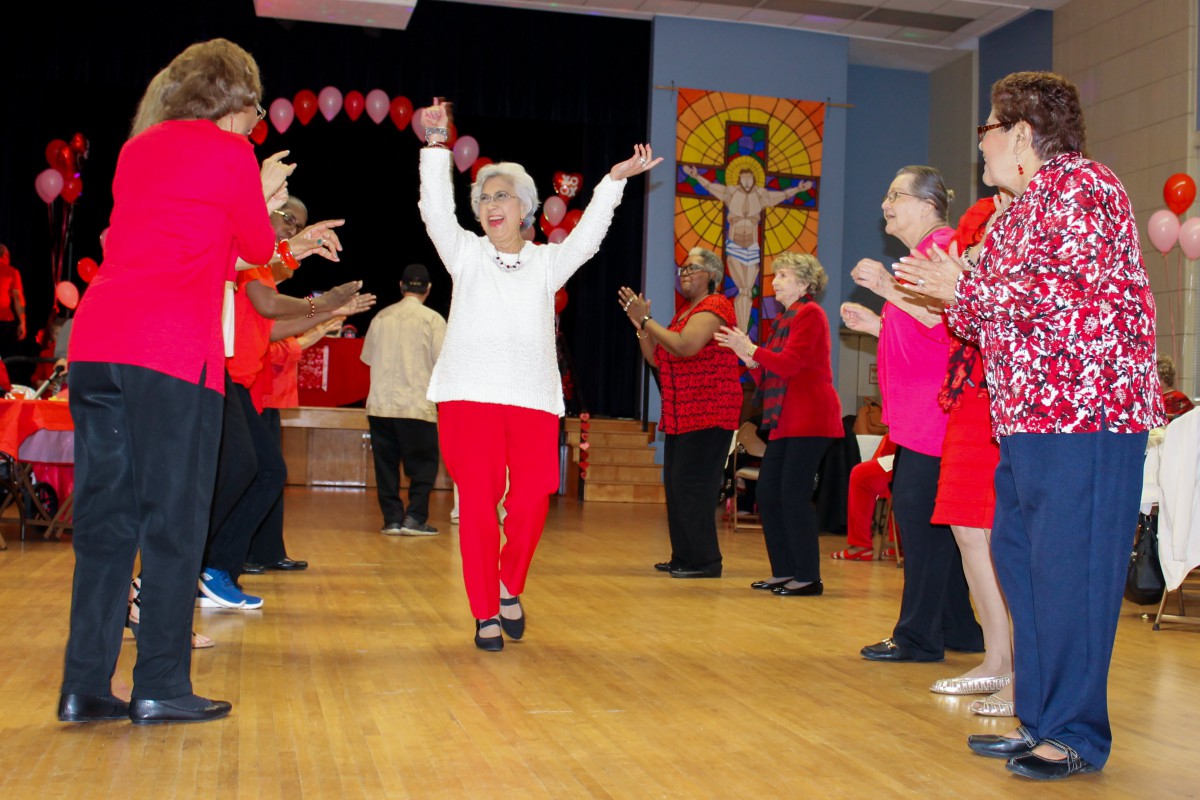
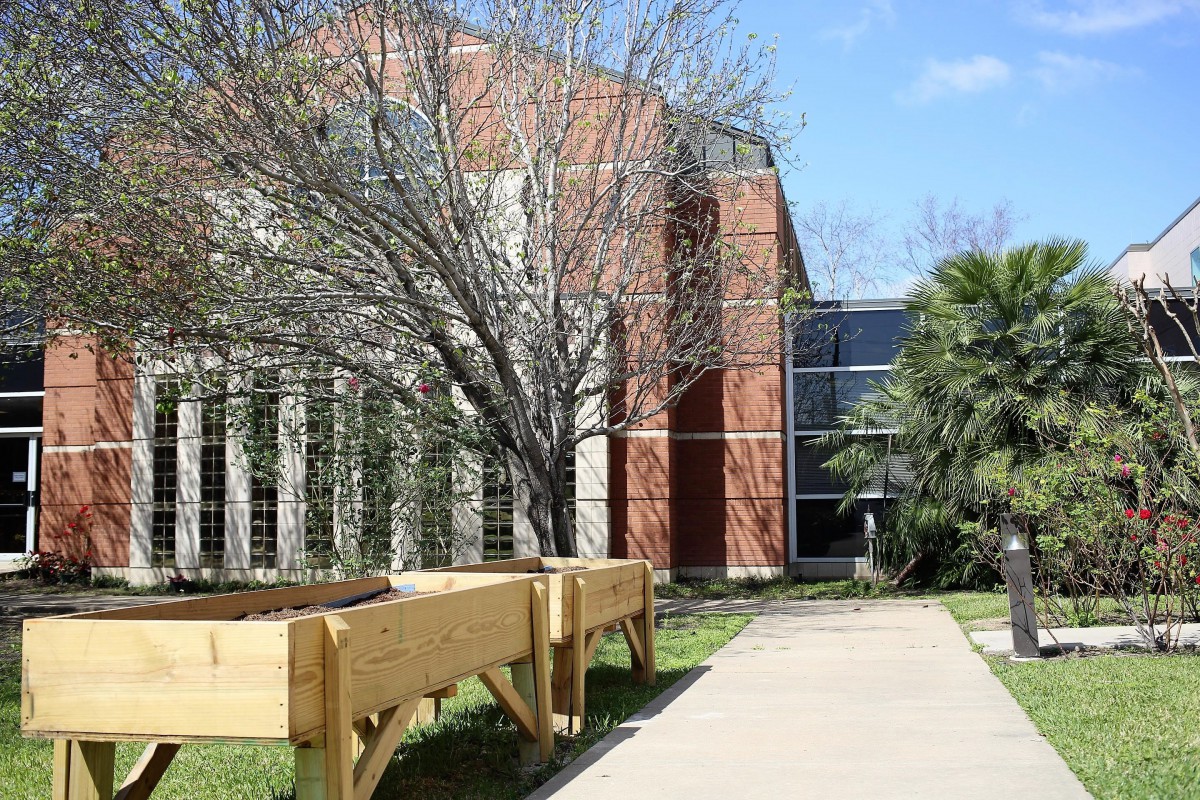
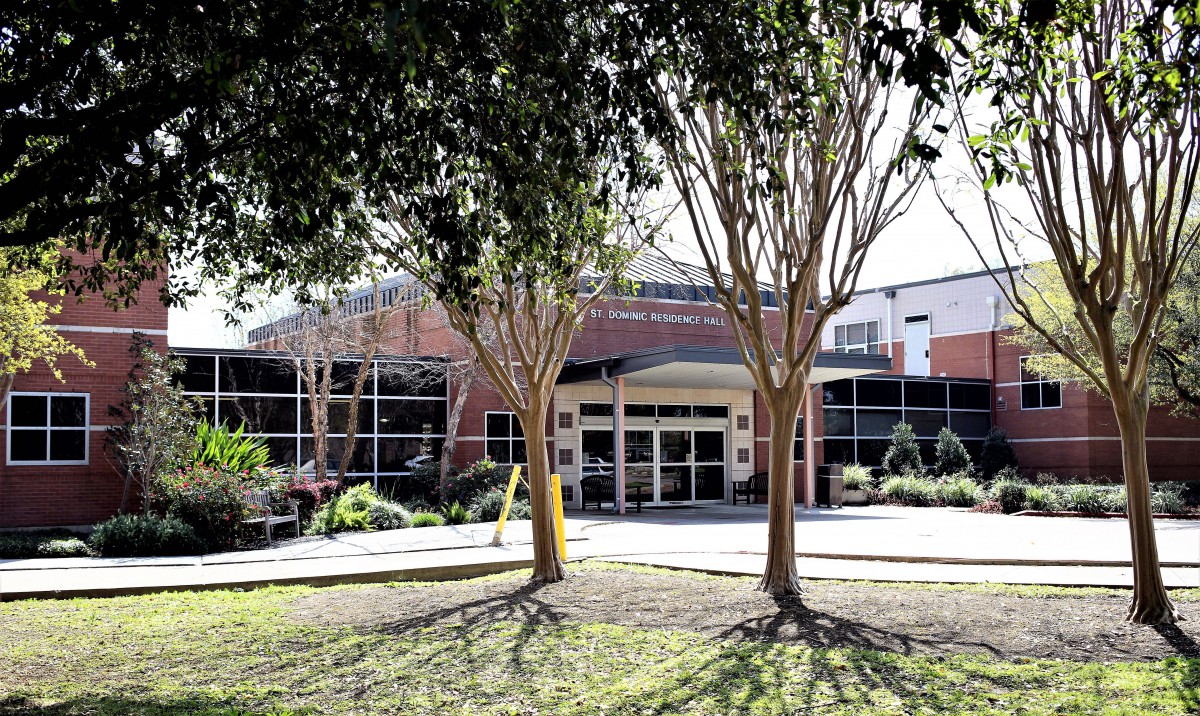
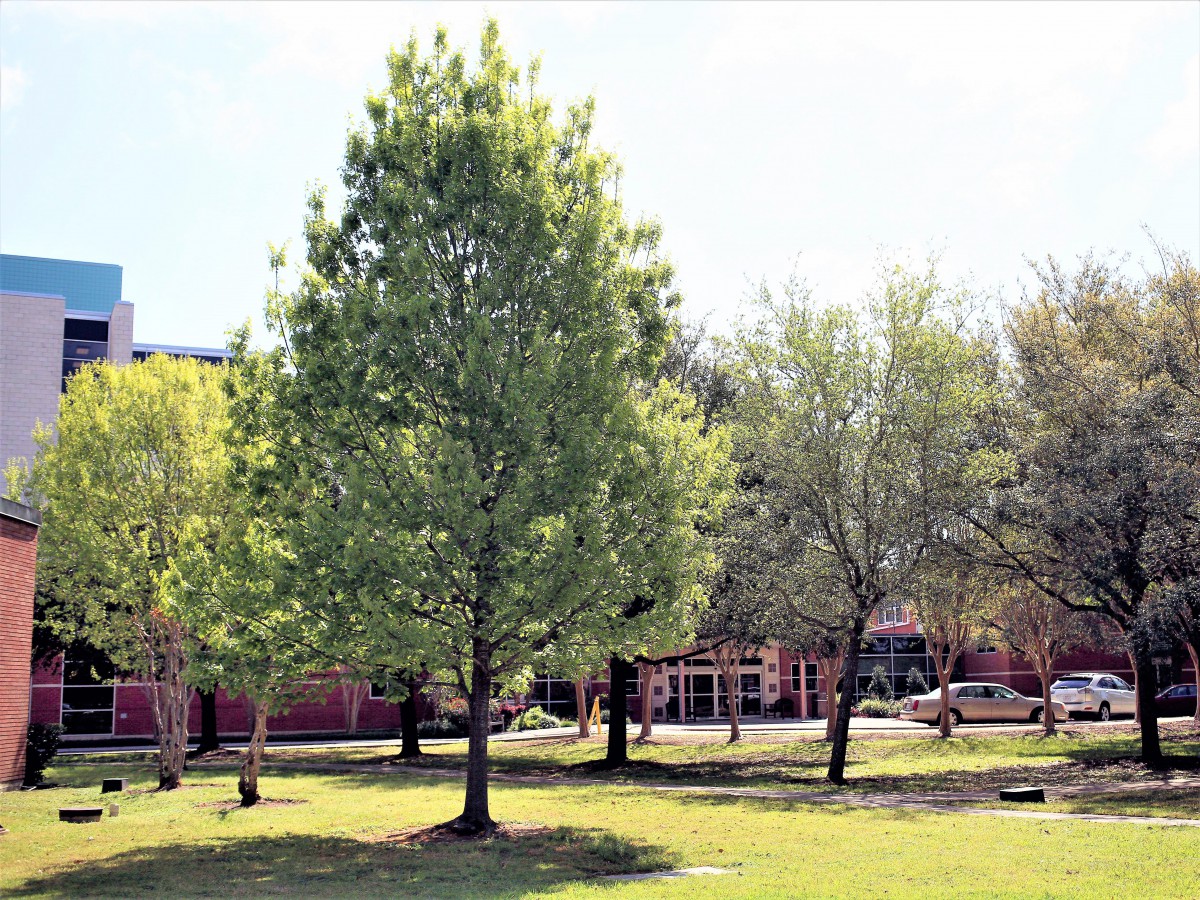
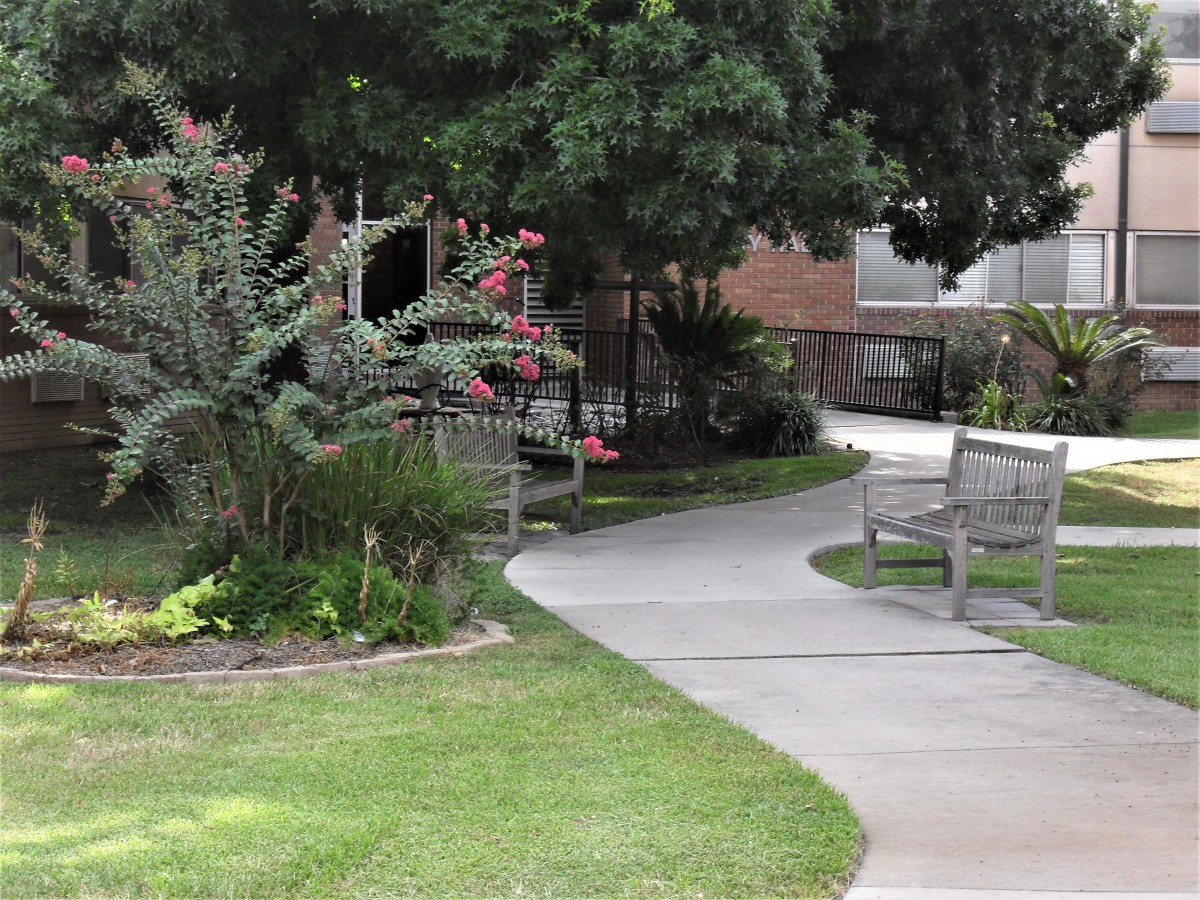
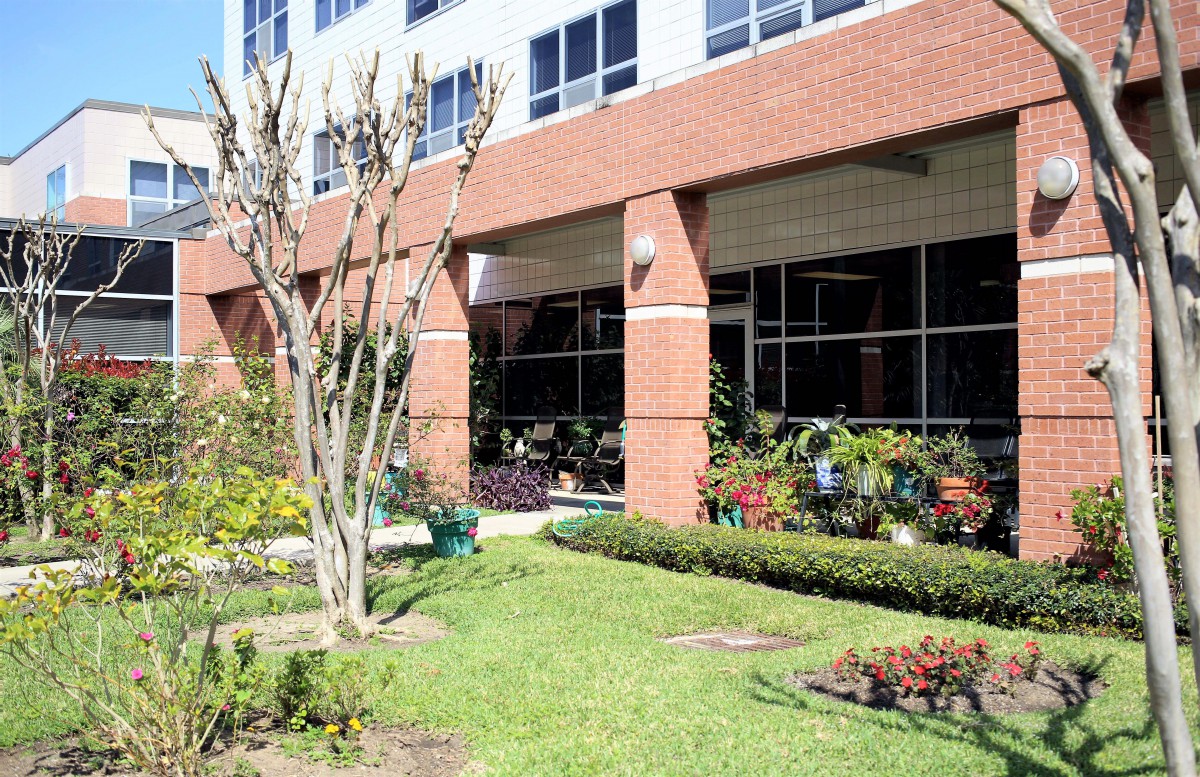
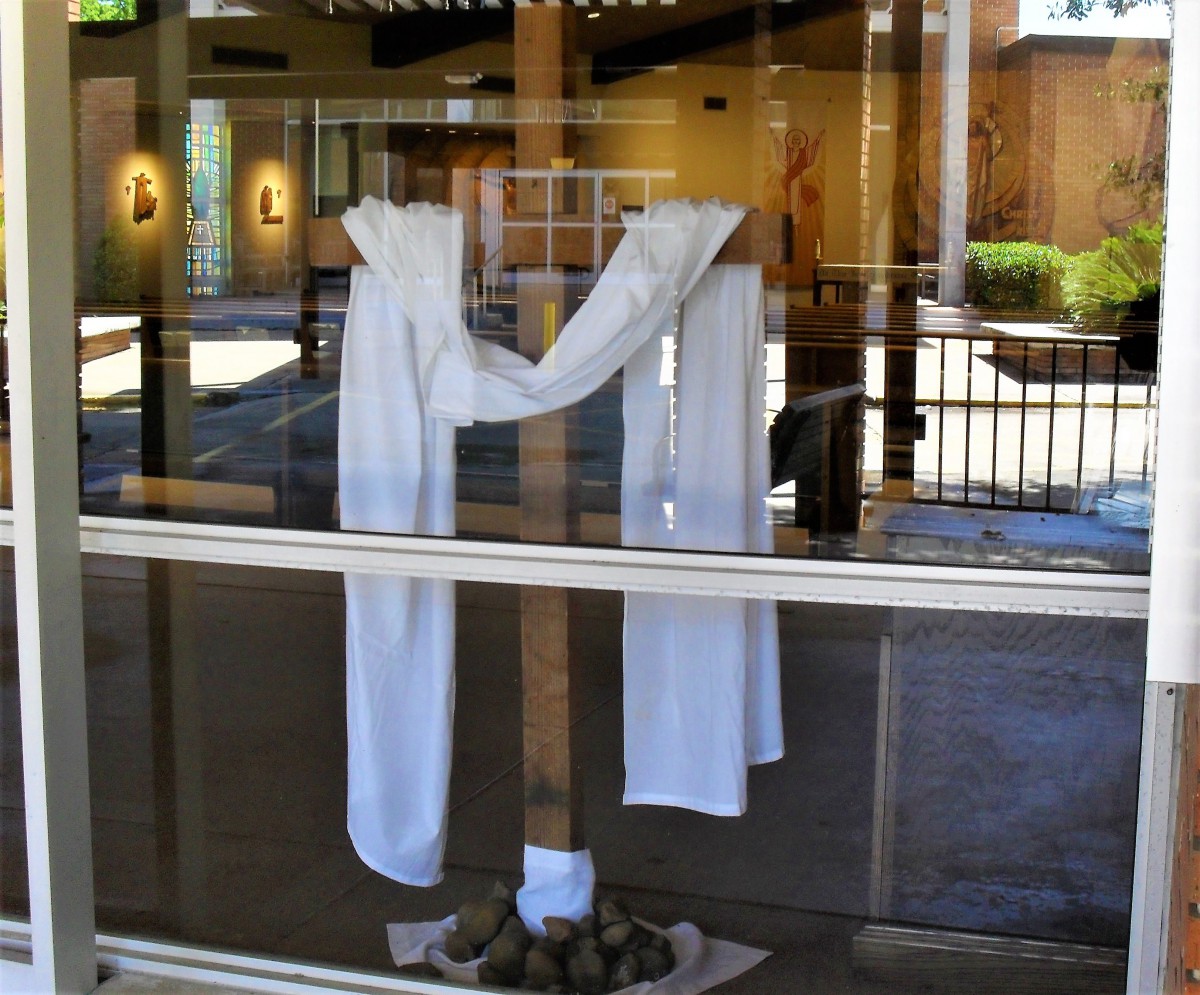
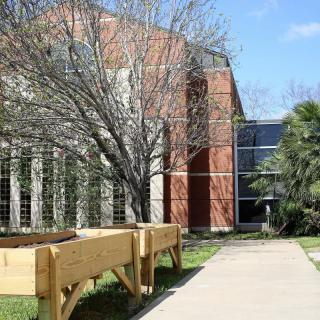
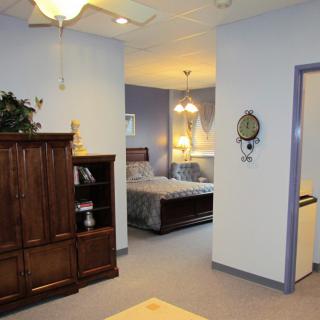
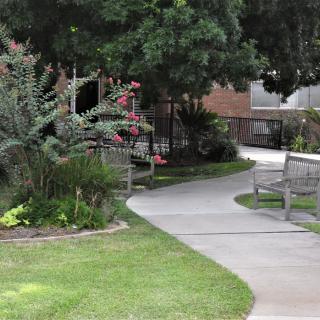
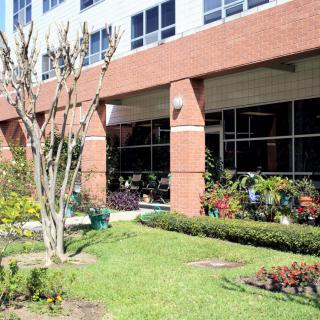
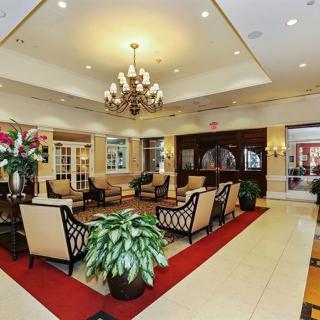
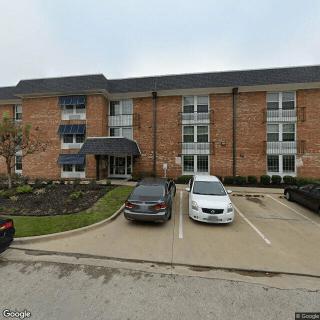
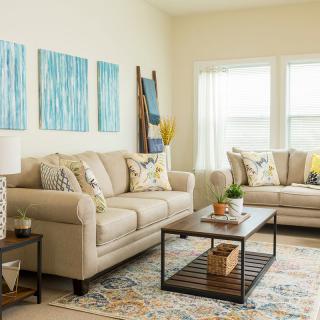
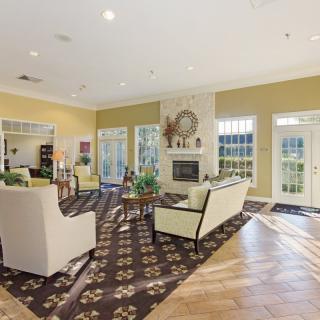
St. Dominic Village on seniors.fyi includes 12 photos including images showing trees, interior, building, landscaping, outdoors, garden, windows, bedroom, and more.
Nearby Communities
St Dominic Village Nursing Home
Houston, TX
4 from 97 reviews
Extensive on-site amenities with 24/7 care and transport.
Town Park Convalescent Ctr
Houston, TX
4.5 from 110 reviews
Strong access to nearby dining, parks, healthcare, and transportation.
Hermann Hospital
Houston, TX
2.6 from 120 reviews
Comprehensive care with ADL support, meals, and housekeeping.
Garden Terrace Alzheimer's Center Of Excellence
Houston, TX
3.7 from 129 reviews
$2,554 to $3,320 / month
Attentive staff and quality therapies, with improved communication under new management.
The Methodist Hospital
Houston, TX
24/7 supervision with daily living assistance, medication management, and restaurant-style dining in a fully furnished setting with outdoor spaces.
Silverado Hermann Park
Houston, TX
4.6 from 76 reviews
Caring, attentive staff delivering personalized care in a comfortable, well-maintained setting.
The Reserve at Braeswood
Houston, TX
4.7 from 53 reviews
$4,935 to $5,855 / month
Very caring, professional staff delivering personalized care in a clean, homelike setting.
Holly Hall
Houston, TX
4.2 from 28 reviews
$5,176 / month
Beautiful, well-maintained grounds; friendly, responsive staff; clean facilities with engaging activities and chef-prepared dining.
Braeswood Estates Senior Living
Houston, TX
4.3 from 112 reviews
$2,900 to $4,200 / month
Clean, well-maintained environment with friendly staff and engaging activities, plus quality dining.
Assisted living in 2025 offers a crucial balance of independence and support for seniors, with costs varying from $2,500 to over $7,000 per month based on factors such as location and care level. Understanding pricing complexities, including regional differences and potential hidden fees, is essential for families to plan financially while ensuring quality care for their loved ones.
The guide outlines the complexities of Medicaid coverage for assisted living, highlighting significant state-to-state variations, limited coverage often restricted to personal care services, and the existence of specialized waivers for certain needs like memory care. It advises families to consult local Medicaid offices for options while emphasizing the importance of understanding state-specific regulations and facility policies.
Medicaid coverage for assisted living varies by state and is primarily available to low-income individuals, with eligibility dependent on strict income and asset limits. Some states offer HCBS waivers for specific services in assisted living, but families must generally cover room and board costs, and should verify facility acceptance of Medicaid while considering potential waiting lists.
Get PricingAsk A QuestionSchedule A TourContact Senior Advisor
By clicking submit, you agree to our Partner's Terms of Use. You
also consent to receive calls and texts, which may be autodialed, from our Partner. Your consent is not a condition to
using our Partner's service. Please visit our Partner's Privacy Policy for information about their privacy practices.


 48 resident community capacity
 Studio apartments
 Assisted Living
 Independent Living
 Skilled Nursing Facility
 Cats allowed
 Dogs allowed
 Activities on-site
 Beautician on-site
 Cable or satellite TV
 Computer center
 Devotional services on-site
 Dining room
 Fully furnished
 Garden
 Golf
Golf Housekeeping services
 Indoor common areas
 Kitchenette
 Laundry
 Move-in coordination
 Outdoor space
 Party space
 Private bathrooms
 Resident parking
 Respite or short term stays offered
 Restaurant-style dining
 Security gate
 Small library
 Telephone
 Wheelchair accessible showers
 Wi-Fi/high-speed internet available
 William P X (7 miles away)
 Transportation & parking
 24-hour call system
 Ambulatory care
 Assistance with bathing
 Assistance with dressing
 Assistance with transfers
 Diabetes diet
 Diabetic care
 High acuity care
 Incontinence care
 Medication management
 Mental wellness program
 Physical therapy
 Special dietary restrictions
 Art classes
 Book club
 Brain fitness
 Fitness programs
 Games
Games Tai Chi
 Trivia games
 English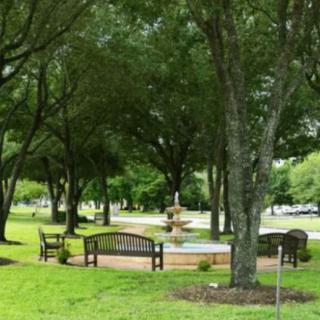
 Extensive on-site amenities with 24/7 care and transport.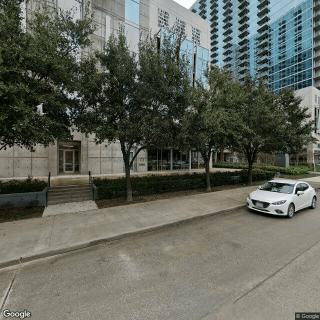



 Understanding the True Cost of Assisted Living in 2025: A Comprehensive Guide
 Understanding Medicaid Coverage for Assisted Living: A Comprehensive Guide
 How and When Medicaid May Cover Assisted Living Costs