For more information about senior living options: (866) 208-4318
4.1 from 108 reviews
5 stars
78
4 stars
7
3 stars
2
2 stars
1
1 stars
20
Capstone Healthcare Estates Wellness and Rehabilitation Costs & Pricing
At Capstone Healthcare Estates Wellness and Rehabilitation, the monthly costs for care reflect a commitment to quality service but are notably higher than both county and state averages. For semi-private rooms, residents face a cost of $4,110, which exceeds the Harris County average of $3,518 and the Texas state average of $3,680. The private room option is priced at $6,000, significantly surpassing the Harris County average of $3,784 and the state average of $4,096. While these rates may suggest a premium environment for care and support, they also highlight the financial considerations families must weigh when selecting long-term care solutions.
Floor plans
Capstone Healthcare Estates Wellness and Rehabilitation
Harris County
Texas
Semi-Private
$4,110
$3,518
$3,680
Private
$6,000
$3,784
$4,096
Skilled Nursing Facilities with a similar price nearby
Overall Review of Capstone Healthcare Estates Wellness and Rehabilitation
common18 reviews mention this
Staff friendliness shows up often
Many reviewers describe staff as warm, attentive, and helpful.
A large share of reviews say staff members are friendly and responsive to residentsā€™ needs. Several people also mention staff being welcoming during visits and tours, and some families credit the team with helping residents feel encouraged. Even among the negative experiences, there are also reviews that describe caring interactions, suggesting the experience can vary by resident and time.
caveat10 reviews mention this
Cleanliness and odors are mixed
Cleanliness is reported as both strong and concerning.
Some reviewers praise the facility for being clean, with a pleasant smell and tidy surroundings. Others describe stronger odors in hallways, dirty rooms, and specific cleanliness problems that they say they had to address themselves. Because these accounts conflict, families may want to pay close attention to what they observe during a visit.
caveat9 reviews mention this
Care can fail residents badly
Multiple reviews describe serious lapses in care and communication.
Several reviewers report problems such as delayed help after call buttons, inadequate or late medication, and difficulty getting answers about what was being administered. A few describe unsafe or upsetting situations, including transfers back to the hospital and instances where residents were left in distress. These accounts also mention a lack of accountability in the moments when families expected prompt intervention.
common2 reviews mention this
Rehab therapy support is mentioned
Some residents or families mention positive rehab therapy experiences.
A couple of reviews highlight physical or rehabilitation therapy as a bright spot, including getting residents to a place where they could do more. These are general impressions rather than detailed daily schedules, but they suggest therapy involvement may be meaningful for some people. Other reviews criticize care overall, so it appears outcomes can vary.
caveat1 reviews mention this
Pricing is above benchmarks
Pricing is positioned above county and state benchmarks.
Pricing shown for both semi-private and private options sits above the county level, and semi-private is also above the state level. A review also mentions residents being charged around the $6,000 range, aligning with the general price band. If cost is a key factor, it may help to ask how pricing maps to the type and intensity of care being provided.
How we summarize
Counts show how many written reviews mention each theme; a review can touch several themes, and only frequently mentioned themes are displayed.
Features
Types of Care
Skilled Nursing Facility
Amenities
Activities on-site
Beautician on-site
Devotional services on-site
Indoor common areas
Outdoor common areas
Private
Wheelchair accessible showers
Transportation
George Bush Intercontinental (8 miles away)
William P X (22 miles away)
Care Services
High acuity care
Incontinence care
Dining
Meals provided
Vegetarian
Activities
Activities on-site
Devotional activities on-site
Nearby Places of Interest
Located approximately 7 miles away from George Bush Intercontinental Airport, this part of Houston offers convenient access to transportation for those who may need to travel frequently. With a variety of places of worship, including St John Neumann Catholic Church and New Life Fellowship, residents will have plenty of options for spiritual enrichment. Nearby pharmacies such as CVS and Walgreens provide easy access to medication and healthcare services, while hospitals like Houston Northwest Medical Center and Memorial Hermann Northwest Hospital ensure quality medical care is close by. For leisure activities, there are parks like Willowood Park and T C Jester Park for outdoor recreation, as well as theaters such as AMC Willowbrook 24 for entertainment. Additionally, cafes like Starbucks and Luce Coffee Roasters offer pleasant spots to relax with a cup of coffee. Overall, this area provides a mix of amenities that cater to the needs of seniors looking for comfort and convenience in their daily lives.
Places of Worship
St John Neumann Catholic Church (1.1 miles)
New Life Fellowship (5.2 miles)
First Metropolitan Church (6.3 miles)
John Wesley United Methodist Church (6.4 miles)
Iglesia Cristo Viene A/G (7.8 miles)
Restaurants
Taco Cabana (2 miles)
Whataburger (2.6 miles)
Hickory Hollow Restaurants & Catering (4.6 miles)
Chick-Fil-A (6.2 miles)
Pappasito's Cantina (6.3 miles)
Whataburger (6.5 miles)
Chick-Fil-A (6.5 miles)
Pharmacies
CVS Pharmacy (2.2 miles)
Walgreens (2.5 miles)
Walgreens (2.9 miles)
Walgreens (5.6 miles)
CVS Pharmacy (5.7 miles)
CVS Pharmacy (5.7 miles)
Walgreens (6 miles)
Parks
Willowood Park (3.7 miles)
T C Jester Park (6 miles)
TC Jester Park (6.5 miles)
Ponderosa Park (6.6 miles)
Terminal D Pet Relief Area (8.1 miles)
Theaters
AMC Willowbrook 24 (6.1 miles)
Cafes
Starbucks (6.6 miles)
Luce Coffee Roasters (7.3 miles)
Olio (7.7 miles)
Starbucks (8.3 miles)
Hospitals
Houston Northwest Medical Center (6.9 miles)
Memorial Hermann Northwest Hospital (7.7 miles)
Transportation
Runway 15L/33R (7 miles)
American Airlines Admirals Club (7.2 miles)
Terminal A (7.3 miles)
CLEAR Terminal A (7.3 miles)
Terminal B Parking Shuttle (7.5 miles)
George Bush Intercontinental Airport (IAH) (7.5 miles)
At Capstone Healthcare Estates Wellness and Rehabilitation, the monthly costs for care reflect a commitment to quality service but are notably higher than both county and state averages. For semi-private rooms, residents face a cost of $4,110, which exceeds the Harris County average of $3,518 and the Texas state average of $3,680. The private room option is priced at $6,000, significantly surpassing the Harris County average of $3,784 and the state average of $4,096. While these rates may suggest a premium environment for care and support, they also highlight the financial considerations families must weigh when selecting long-term care solutions.
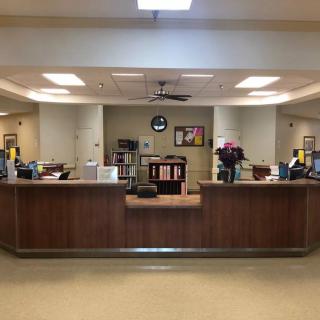
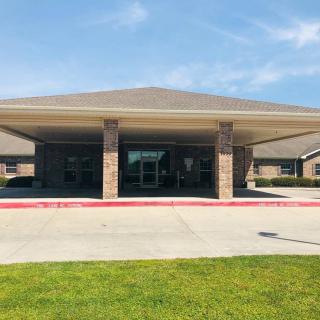
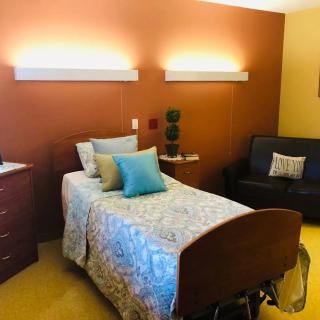
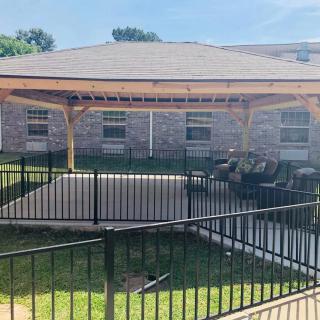
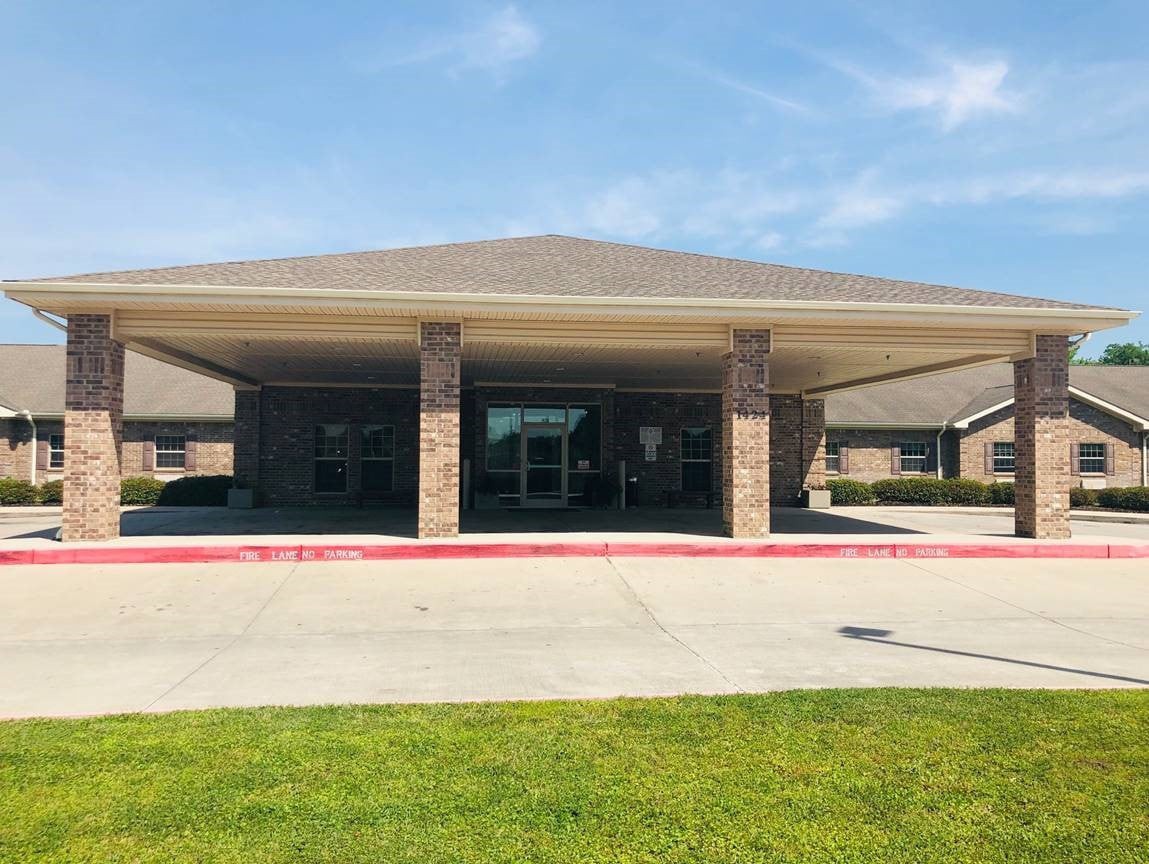
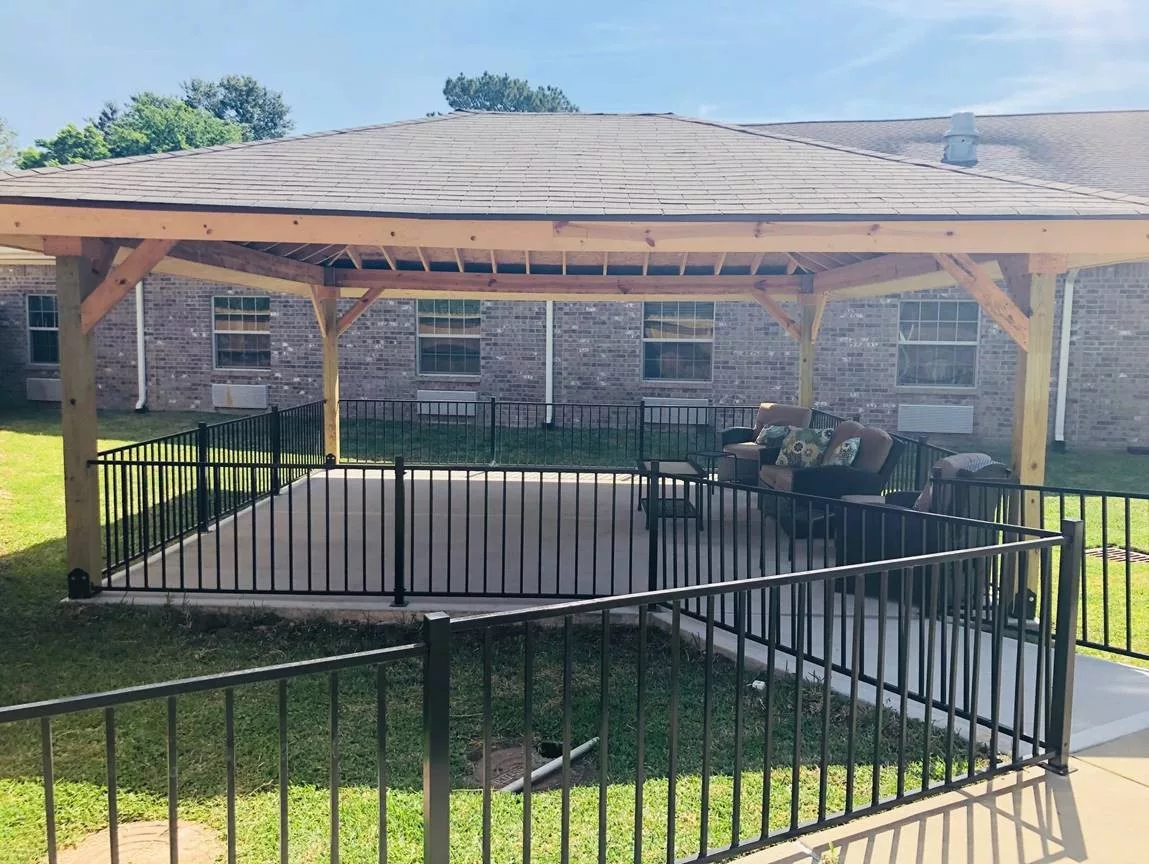
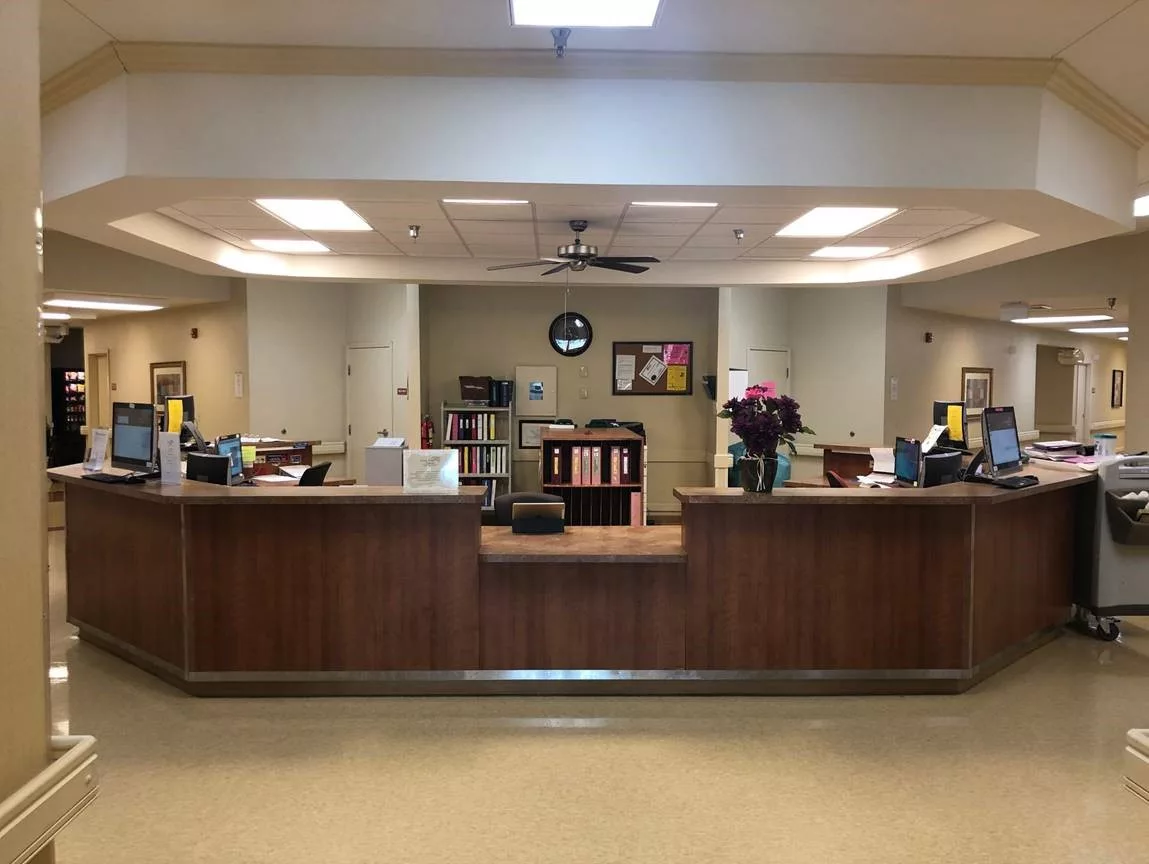
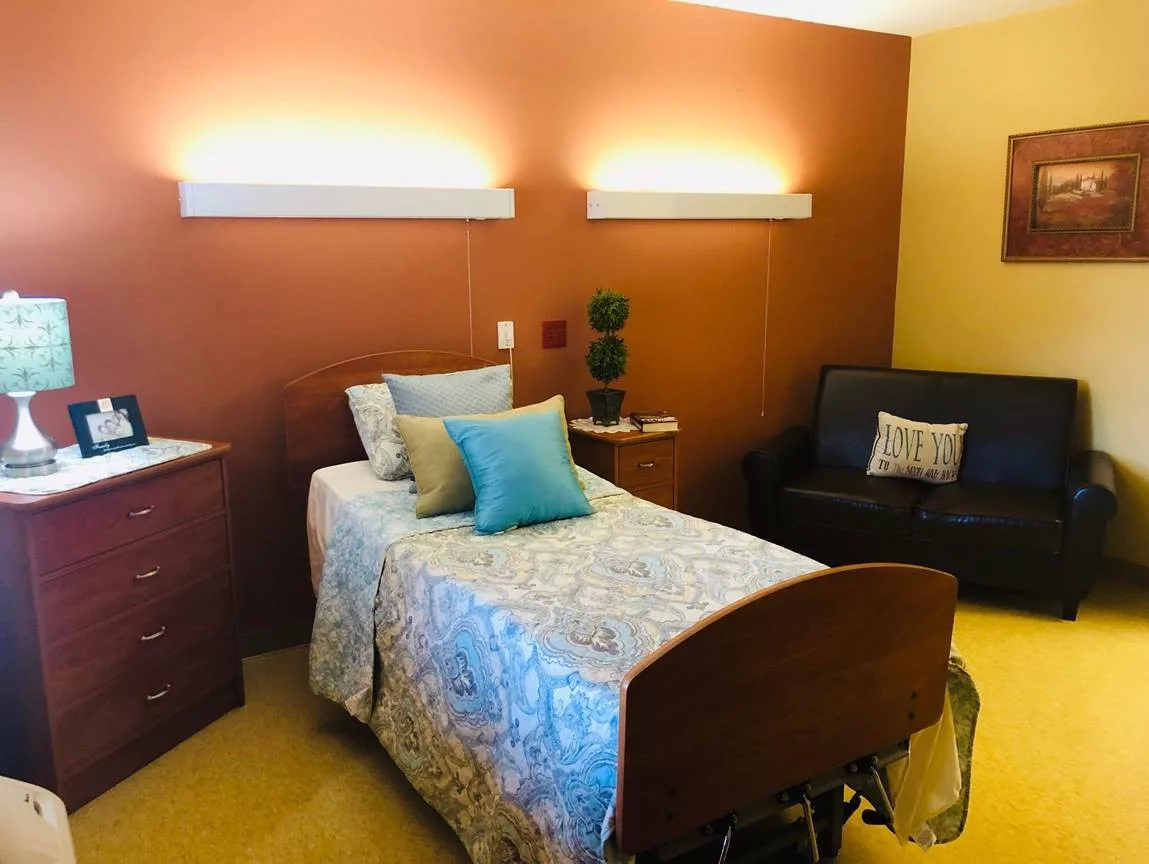
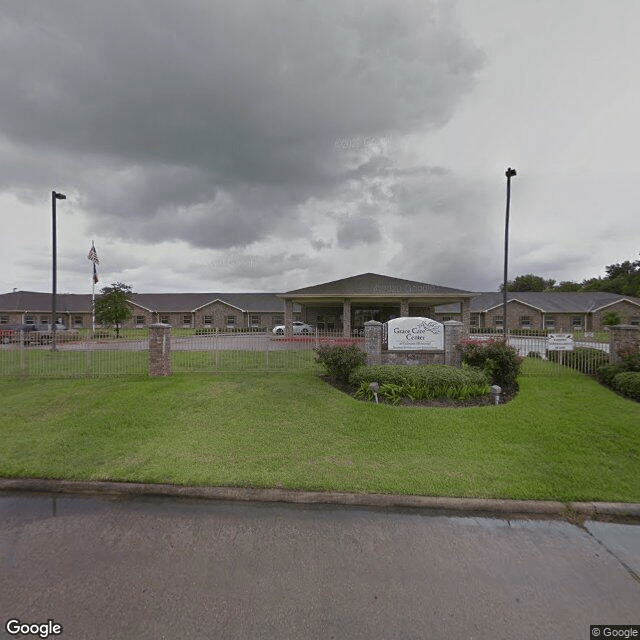
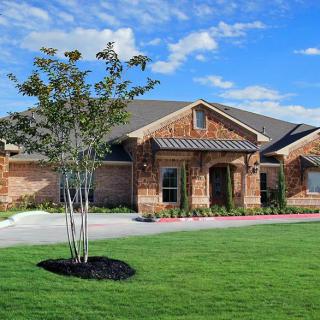
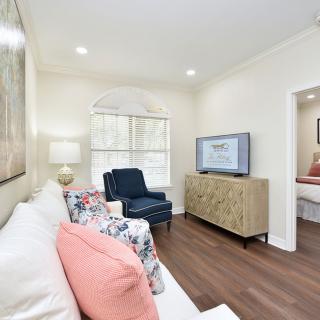
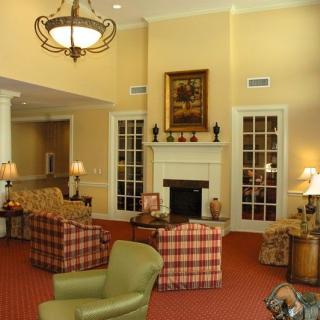
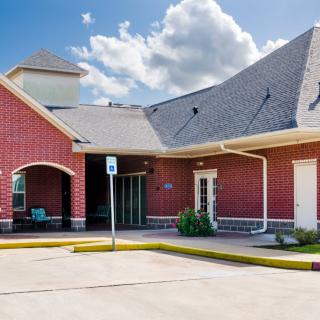
Capstone Healthcare Estates Wellness and Rehabilitation on seniors.fyi includes 5 photos including images showing interior, bedroom, outdoor, patio, fence, brick building, reception desk, office, and more.
Nearby Communities
Grace Care Center At Veterans Memorial
Houston, TX
4.2 from 100 reviews
Extensive on-site amenities and comprehensive care services (24/7 supervision, medication management, ADL assistance, transportation, restaurant-style dining, fitness, salon, library, garden).
Hudson House Assisted Living
Houston, TX
4.3 from 11 reviews
Small, home-like setting with personalized care and comprehensive daily support.
Brightway Personal Care I I
Houston, TX
2.3 from 3 reviews
Small, personalized board-and-care with 24-hour supervision and assistance with daily living.
Canyon Ridge Personal Care Home
Houston, TX
Private rooms with meals, activities, and transport coordination.
Bright Star Health Network Management Services
Houston, TX
4.5 from 51 reviews
Small, intimate community with comprehensive care (diabetes diet, medication management, transportation, housekeeping).
Brightway Personal Care
Houston, TX
5 from 1 review
Small, personalized board-and-care setting with 24-hour supervision, ADL assistance, meals, transportation, and engaging daily activities.
Ashford Gardens
Houston, TX
4.5 from 123 reviews
$3,150 / month
Positive changes under new leadership with attentive staff.
The Pinemont Apartments
Houston, TX
3.9 from 51 reviews
Friendly, attentive staff and clear communication, plus active social programs.
Legend Oaks Healthcare And Rehabilitation Of Northwest Houston
Houston, TX
4.7 from 100 reviews
Extensive amenities and 24/7 care, plus transportation, restaurant-style dining, and private furnished accommodations.
The article highlights the importance of empathy and open communication when comforting someone who is grieving, noting that grief is unique to each individual and emphasizing the need for sincere expressions of condolence, active listening, and ongoing support. It also addresses cultural differences in mourning practices and encourages tailored approaches to provide effective comfort.
Home health care aides provide vital medical and non-medical support to individuals at home, assisting with daily living activities and promoting emotional well-being, while the demand for these services increases due to an aging population. Families benefit from in-home care's flexibility and cost-effectiveness but face challenges like scheduling consistency and caregiver turnover.
Older adults with urinary tract infections (UTIs) often present atypical symptoms, complicating diagnosis due to factors like incomplete bladder emptying and chronic health conditions that increase their susceptibility. Effective management involves prompt treatment with antibiotics, hydration, and preventive strategies while minimizing antibiotic resistance and focusing on holistic care approaches.
Capstone Healthcare Estates Wellness and Rehabilitation photos
×
Interior
Outdoors
Bedroom
Outdoor
Interior
Bedroom and Modern Furniture
Building, Architecture, Entrance, Outdoors, and Brick
Outdoor, Patio, Fence, Gazebo, and Brick Building
Office, Computers, Reception Desk, and Workspace
Get PricingAsk A QuestionSchedule A TourContact Senior Advisor
By clicking submit, you agree to our Partner's Terms of Use. You
also consent to receive calls and texts, which may be autodialed, from our Partner. Your consent is not a condition to
using our Partner's service. Please visit our Partner's Privacy Policy for information about their privacy practices.


 Skilled Nursing Facility
 Activities on-site
 Beautician on-site
 Devotional services on-site
 Indoor common areas
 Outdoor common areas
 Private
 Wheelchair accessible showers
 George Bush Intercontinental (8 miles away)
 High acuity care
 Incontinence care
 Meals provided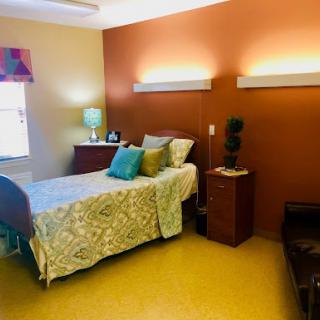
 Extensive on-site amenities and comprehensive care services (24/7 supervision, medication management, ADL assistance, transportation, restaurant-style dining, fitness, salon, library, garden).
 Compassionate Conversations: How to Comfort Someone Who Is Grieving
 Home Health Care Aides: Understanding Their Role and Supporting Your Family
 Urinary Tract Infections in Older Adults: Comprehensive Insights on Symptoms, Treatment, and Prevention