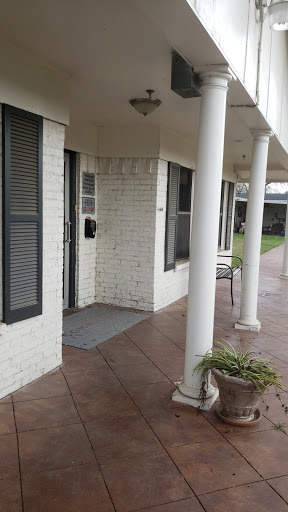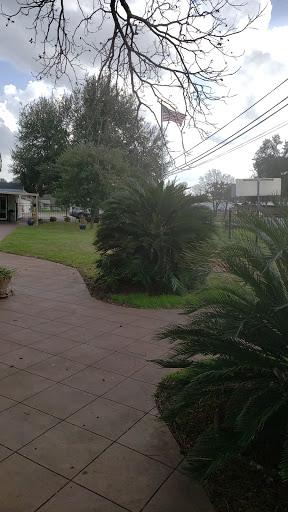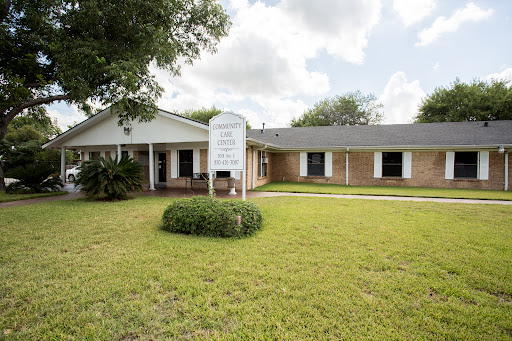
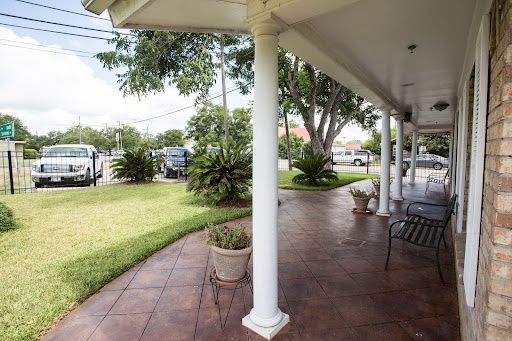
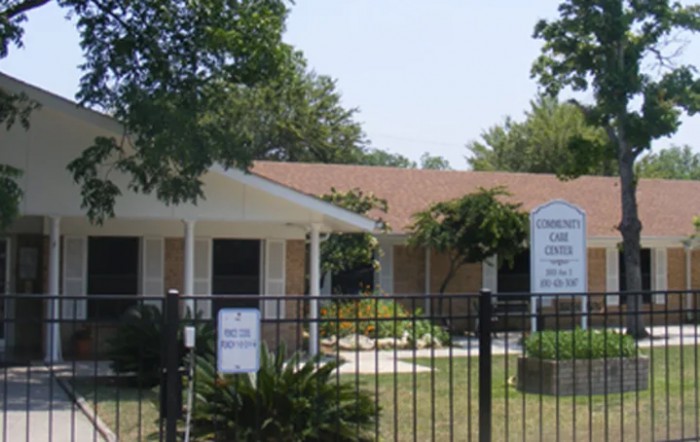
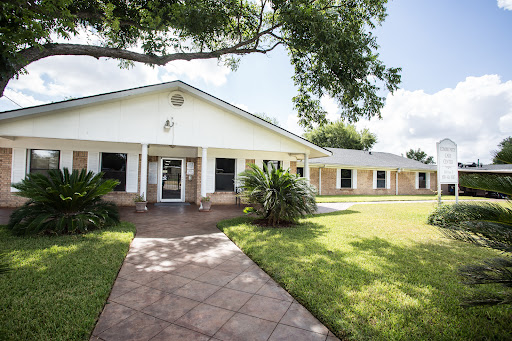



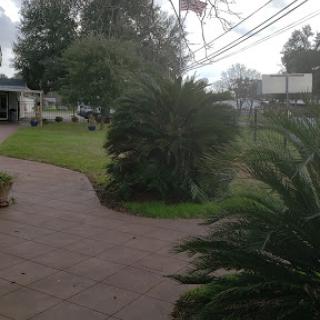
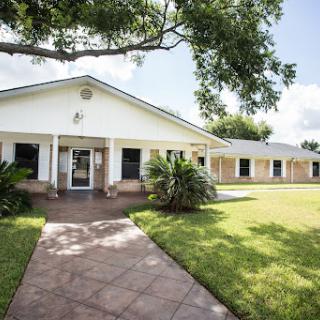
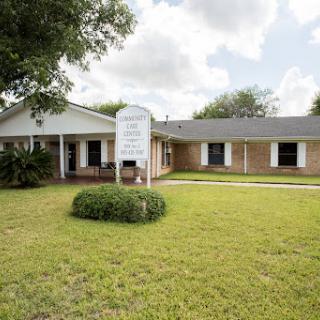
2001 Avenue E, Hondo, TX 78861
For more information about senior living options: (866) 208-4318
Overall Review of Community Care Center Of Hondo
Pros
 Community Care has wonderful staff.
- The therapy group is amazing and shows great care to the residents.
- The nurses take great care of their residents.
- The administrator is very nice.
- Residents enjoy the community events.
Cons
 The facility needs significant work.
- Many residents have little to no visits from family or friends.
- Individual room floors are rarely mopped; only common areas are cleaned.
- Closets aren’t cleaned after previous residents leave.
- Rodent droppings and dirt are found on shelves before new residents move in, and roaches run in the hallways.
- Ventilation and air conditioning are minimal or sometimes not functioning.
- Administration is friendly but issues are promised to be addressed and then ignored.
Review
This community is best suited for seniors who need ongoing nursing care and rehabilitation therapy, but whose families are able to be actively involved in daily oversight. The strongest draw is the staff’s genuine care and the therapy team’s dedication, which translate into meaningful attention for residents who require hands-on support. Families that prioritize personal interaction, frequent visits, and a hands-on approach to daily routines will find value here, especially when recovery or short-term rehabilitation is the goal. The facility’s aging footprint is a reality, however, and the care quality hinges on consistent family engagement to monitor basic hygiene and safety measures.
What stands out positively are the people providing care. Staff members, particularly the therapy group and nurses, earn praise for their attentiveness and the personal effort they invest in each resident. The team’s willingness to engage, explain, and adapt care plans matters greatly to families seeking reassurance that a loved one is known and attended to. The presence of regular community events also adds a sense of normalcy and sociability that can improve mood and overall well-being for residents who crave connection outside of clinical routines. In short, when the care team is visible and proactive, residents experience a meaningful daily rhythm.
The most serious concerns emerge from the facility’s physical and operational conditions. The building itself is visibly aged, and significant maintenance shortcomings create safety and cleanliness risks. Reports of roach and rodent activity, inconsistencies in housekeeping, such as infrequent room cleaning and limited laundry capacity, and occasional supply shortages paint a moving target for families trying to keep a loved one comfortable and clean. Additional red flags include weight-limit issues with patient lifts, vermin-related concerns, and sporadic deficiencies cited in state and Medicare reviews. The combination of these factors makes reliable daily hygiene and consistent infection control difficult to guarantee without vigilant oversight.
Those pros and cons must be weighed against the realities of oversight and environment. The care team’s competence and the rehabilitation services can offset some risk for residents who are actively engaged in therapy and whose families can monitor care delivery. Yet the drawbacks, especially the long-standing cleanliness and infrastructure issues, can undermine safety and comfort over time. For someone with dementia or high cognitive impairment, the risk profile appears higher, given reported lapses in supervision and workflow that may affect orientation, safety, and timely response to needs. In such cases, the scales tilt toward seeking an alternative with stronger governance and a more pristine physical plant.
For families deciding where to invest in care, concrete steps matter. Probe current inspection results and Medicare ratings, and request recent deficiency summaries to gauge ongoing risk levels. Schedule visits at varied times to observe call bell responsiveness, bedside routines, and housekeeping cadence, and talk directly with frontline staff about daily challenges and workloads. Ask to speak with current residents’ families about what a typical day looks like and whether basic comforts, water within reach, clean rooms, secure clothing, are consistently present. If cleanliness, safety, and robust administration are non-negotiable, alternatives should be explored; if rehabilitative focus and attentive staff with trusted family involvement align with needs, this center remains a practical option worth pursuing with careful due diligence.
In sum, Community Care Center Of Hondo serves a specific niche: capable of delivering compassionate nursing care and meaningful therapy when accompanied by active family oversight and a willingness to tolerate an aging facility. It is not advisable for those who require a consistently pristine, tightly managed environment or for families unable to monitor daily care. The facility can deliver real value where engagement and rehabilitation are paramount, but potential residents and their decision-makers should enter with a clear plan to vet safety, cleanliness, and governance, and with a readiness to consider alternatives if those foundations do not meet high standards.
 75 resident community capacity
 Skilled Nursing Facility
 Air-conditioning
 Beauty salon
 Cable or satellite TV
 Computer center
 Dining room
 Fitness room
 Fully furnished
 Gaming room
 Garden
 Housekeeping services
 Kitchenette
 Move-in coordination
 Outdoor space
 Private bathrooms
 Restaurant-style dining
 Small library
 Telephone
 Wellness center
 Wi-Fi/high-speed internet available
 Community operated transportation
 12-16 hour nursing
 24-hour call system
 Activities of daily living assistance
 Assistance with bathing
 Assistance with dressing
 Assistance with transfers
 Diabetes diet
 Medication management
 Mental wellness program
 Special dietary restrictions
 Concierge services
 Planned day trips






 Home Health Care Demystified: A Comprehensive Guide for Families and Caregivers
 Seniors and Modern Transportation: Exploring Uber, Lyft, and Other Ride-Hailing Options
 Comprehensive Guide to Qualifying for Home Health Care Services