





501 Madrid St, Castroville, TX 78009
To contact a resident: (830) 444-7253
For more information about senior living options: (866) 208-4318
Le Parc Safe Haven Costs & Pricing
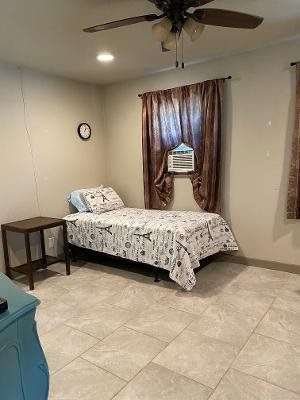
Le Parc Safe Haven offers competitive pricing for its accommodations, with a monthly cost of $3,000 for a one-bedroom unit and $3,500 for a two-bedroom unit. When compared to the median costs in Medina County, which are slightly higher at $3,085 for a one-bedroom and $3,256 for a two-bedroom, Le Parc presents an appealing option for residents seeking quality care without straying too far from their budget. Additionally, the broader Texas market reflects even higher averages, with one-bedroom units costing approximately $3,761 and two-bedrooms at around $4,215. This positioning not only underscores Le Parc's commitment to affordability but also highlights its competitive edge within both the county and state landscape.
| Floor plans | Le Parc Safe Haven | Medina County | Texas |
|---|---|---|---|
| 1 Bedroom | $3,000 | $3,085 | $3,761 |
| 2 Bedrooms | $3,500 | $3,256 | $4,215 |
Independent Living communities with a similar price nearby
-
from -$400 / mo
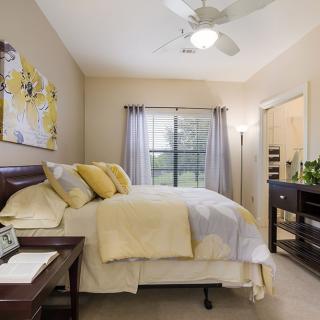
Villa De San Antonio
$2,600 to $3,000 / month19.9 miles away -
from +$390 / mo
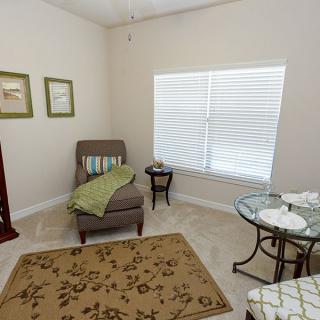
Adante Independent Living
$3,390 to $4,445 / month24.7 miles away -
from -$180 / mo
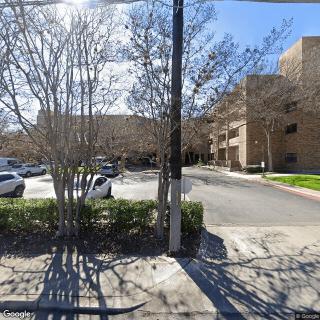
Morningside Ministries at the Meadows
$2,820 to $3,160 / month21.4 miles away -
from -$330 / mo
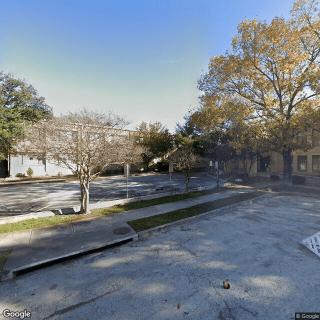
Morningside Ministries at Chandler Estate
$2,670 to $5,030 / month24.0 miles away -
from -$500 / mo
Arnold House At Blue Skies Of Texas East
$2,500 to $4,239 / month14.1 miles away
Overall Review of Le Parc Safe Haven
Pros
 The staff are very caring and treat the tenants well.
- They love the tenants and treat them like family.
- Le Parc has a great, energetic community with friendly people.
- It’s an amazing place for elderly loved ones to live, with excellent care.
- It is a beautiful, peaceful place.
- The facility is very clean and run by people who genuinely care.
- The owners live on site with their three sons, and residents love them.
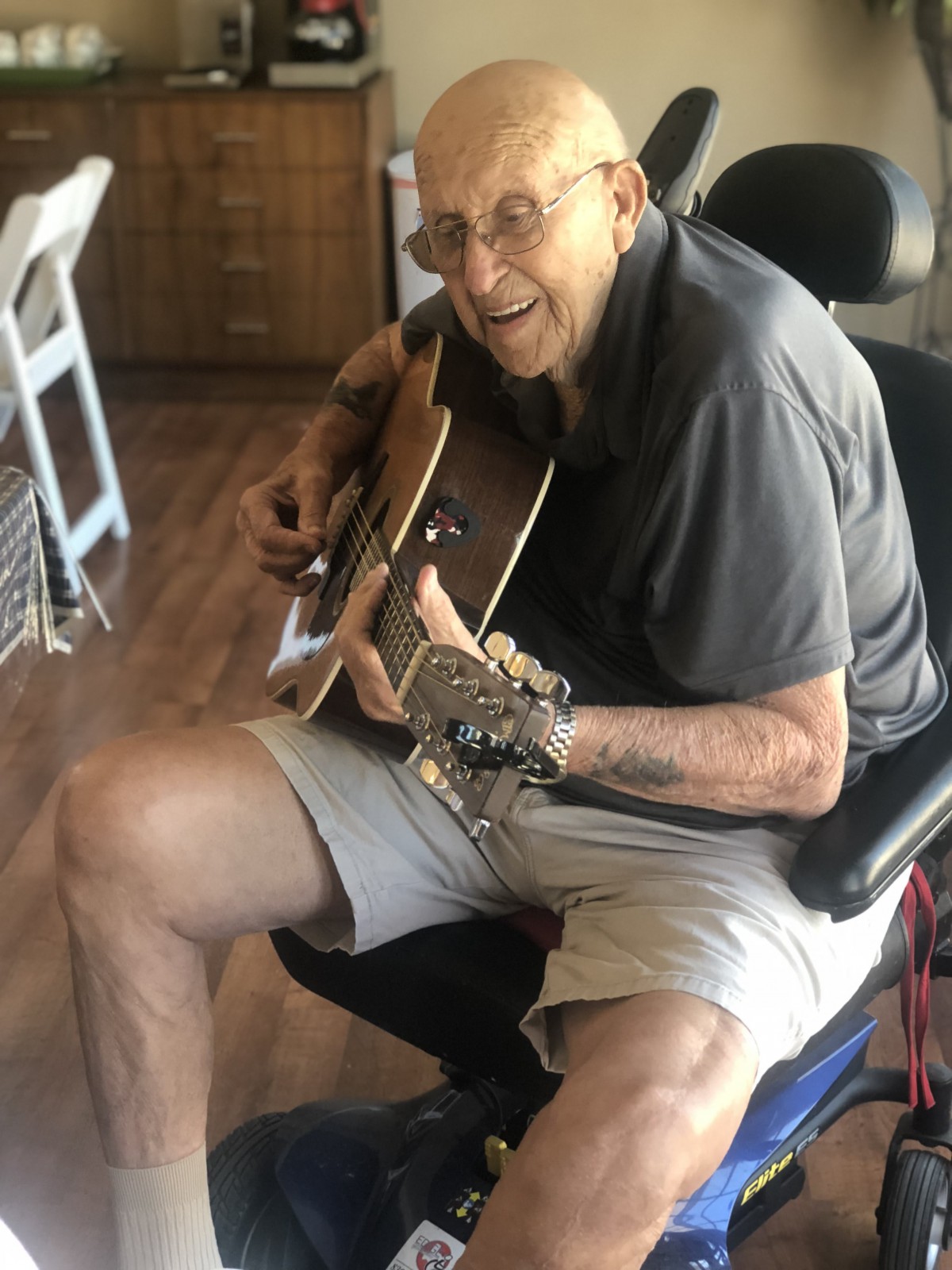
- They provide engaging activities and celebrate holidays, like Thanksgiving feasts and Halloween parties.
- The food is fantastic and tastes much better than typical hospital fare.
- The staff share photos of residents enjoying activities, helping families stay connected.
Cons
 The reviewer would never put anyone they cared about there.
- The owner told them not to get hysterical, which the reviewer found dismissive.
- The owner was not on site and never saw the mother or her condition.
- There was an eight-hour delay between the fall and receiving treatment, which the reviewer called unacceptable.
- The reviewer blamed staff for following instructions that were almost deadly for the mother.
- The mother ended up with two brain bleeds due to the delay in care.
- The nurse had to obtain authorization to call an ambulance, implying a dangerous delay.
Review
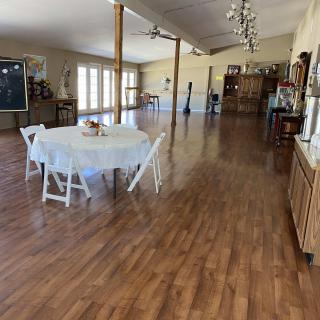
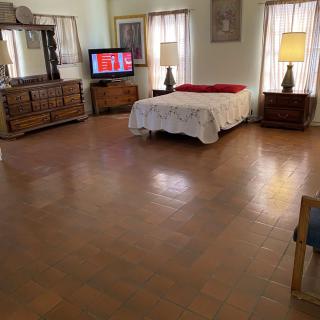
Le Parc Safe Haven in Castroville is best suited for families seeking a warm, home-like assisted living experience where the owners live on-site and personally supervise daily life. It appeals to those who value a strong sense of community, regular social engagement, and a staff culture that treats residents like family. The place tends to attract families who want visible, ongoing involvement from leadership, a celebratory atmosphere around holidays, and a menu and ambiance that feel more homelike than clinical. For seniors who want meaningful activities, regular photos shared for distant relatives, and a setting that prioritizes personal connections, Le Parc offers compelling alignment.
Those who may want to consider alternatives include families prioritizing rigorous on-demand medical oversight or specialized memory-care programming. A standout caution, reflected in at least one highly critical review, is the potential gap between an incident and immediate medical response when leadership is not physically present. In that case, a fall led to a delayed assessment and a late ambulance call, raising legitimate questions about escalation protocols and real-time responsiveness. For residents with significant medical needs, complex dementia care, or in whom rapid emergency coordination is non-negotiable, other communities with more explicit on-site nursing structures and hospital partnerships may be a safer fit.
The core strengths, caring, attentive staff and a leadership team that lives on site, help Le Parc offset some of the inherent risks families weigh. Multiple reviews highlight staff who genuinely connect with residents, celebrate milestones, and maintain open, warm relationships with family members. The owners’ active involvement translates into a sense of “home away from home” that resonates with families seeking comfort and continuity. That relational foundation supports daily life, helps residents feel valued, and often translates into lively activities, personalized attention, and a visible commitment to residents’ happiness.
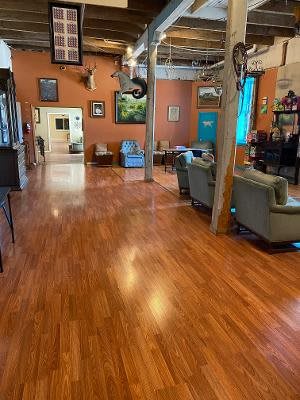
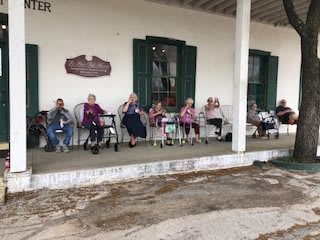
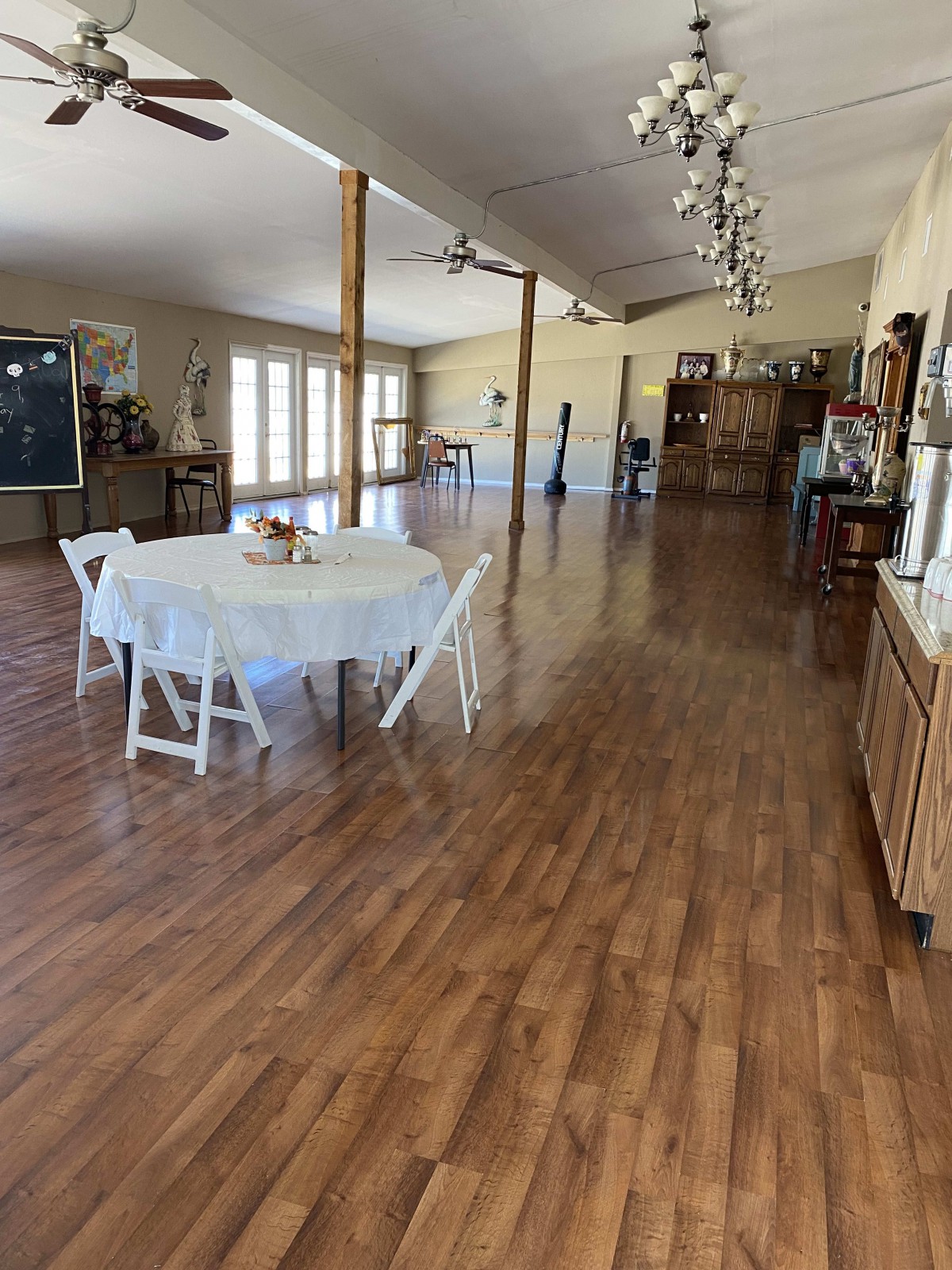
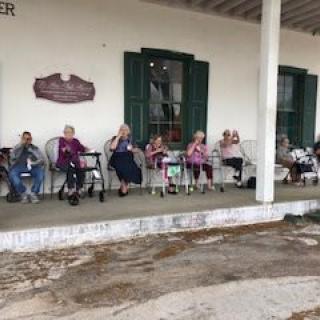
On the activity and social front, Le Parc delivers a robust, engaging environment. Residents benefit from a calendar of events, festive meals, and on-site gatherings that emphasize community over isolation. The facility’s public-facing texture, photos shared on social media, a garden and patio for residents who enjoy outdoor time, bingo and intergenerational connections, creates ongoing opportunities for participation and family engagement. Food is frequently praised as tasty, which matters for daily quality of life and for families seeking a dignified, enjoyable dining experience as part of senior living.
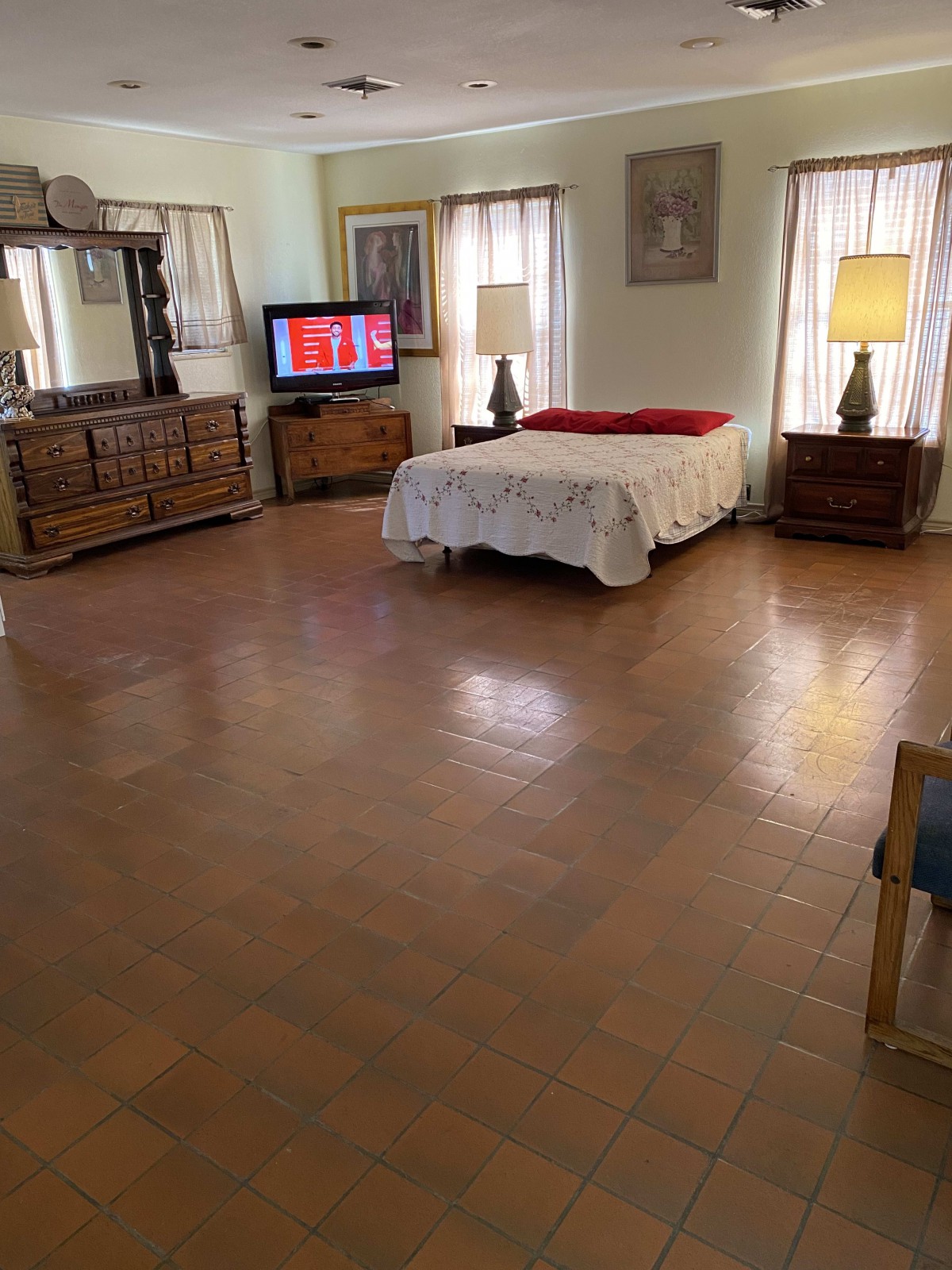
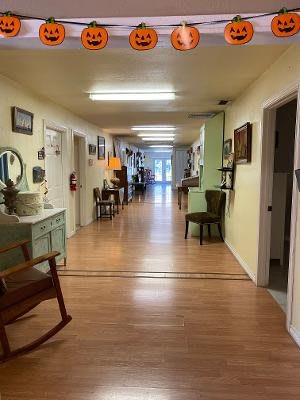
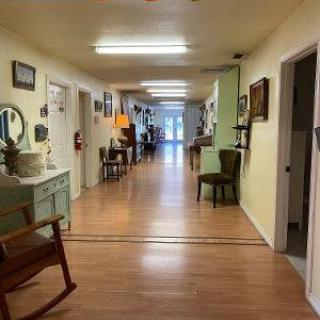
Operationally, the campus presents a clean, pleasant, and attractive setting. Reviewers consistently describe it as well-kept and peaceful, with a sense of pride in appearances and surroundings. The absence of a dedicated on-site chapel is noted by some, though proximity to a local church offers nearby spiritual options for residents who wish to participate. While staff dedication and the home atmosphere are clear strengths, the mixed experiences around safety and emergency handling cannot be ignored. Families should probe emergency readiness, staff-to-resident ratios during off-peak hours, and the available medical resources to ensure alignment with individual care expectations.
In deciding for or against Le Parc Safe Haven, the guiding question is what matters most: a deeply relational, home-like environment with active family involvement, or unambiguous, rapid medical responsiveness and structured clinical protocols. For those who prize warmth, accessibility, and a strong sense of community, Le Parc represents a highly capable choice. For families where immediate emergency escalation and specialized memory-care oversight are non-negotiable, it is prudent to compare with communities that foreground clinical rigor and hospital connectivity. Prospective residents should insist on reviewing concrete emergency procedures, request to meet the on-site medical team, and seek references from families with residents who have comparable needs. The decision should rest on the balance between cherished, human-centered daily life and the assurance that medical contingencies are as swift and decisive as required.
 Independent Living
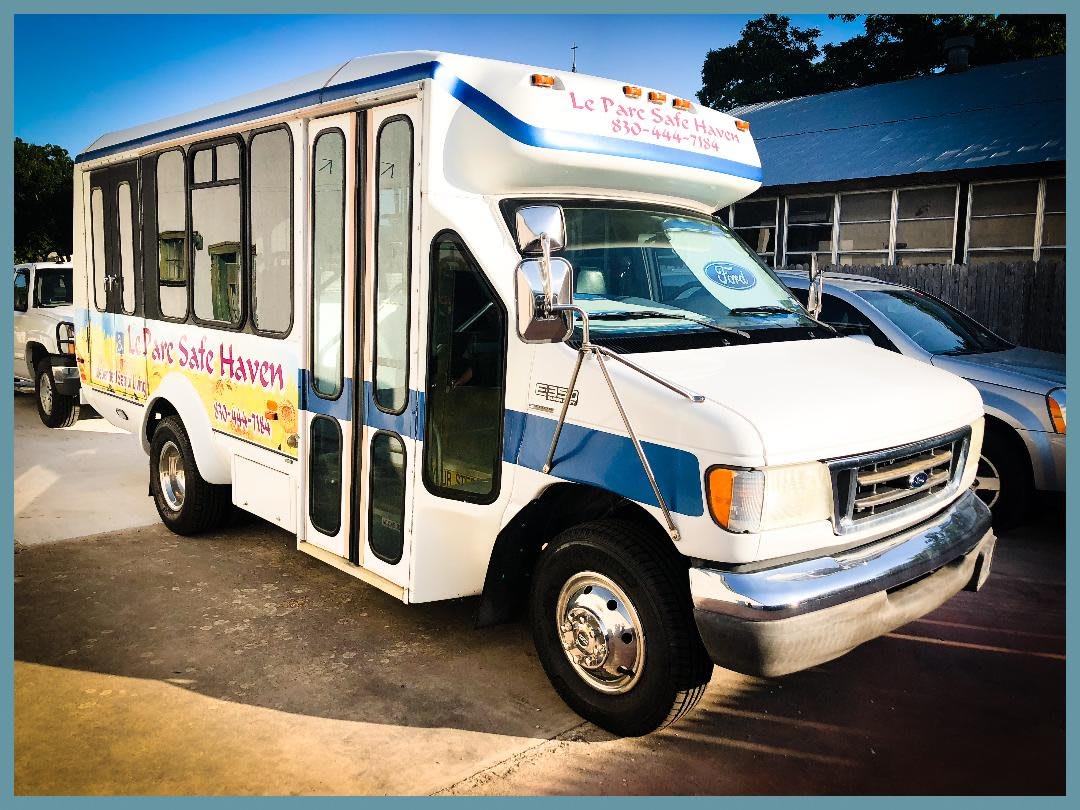
 Activities off-site
 Air-conditioning
 Beautician on-site
 Cable or satellite TV
 Devotional services off-site
 Ground floor units
 Handicap accessible
 Indoor common areas
 Outdoor common areas
 Respite or short term stays offered
 Wheelchair accessible showers
 Wi-Fi/high-speed internet available
 Medication management
 Anytime dining
 Art classes
 Catholic services
 Cooking classes
 Day trips and outings
 Educational speakers / life long learning
 Karaoke
 Live well programs



 Urinary Tract Infections in Older Adults: Comprehensive Insights on Symptoms, Treatment, and Prevention
 California's Form 602A: An In-Depth Examination of Senior Care Assessment
 Comprehensive Look at Senior Blood Pressure Charts: Normal and Elevated Levels by Age