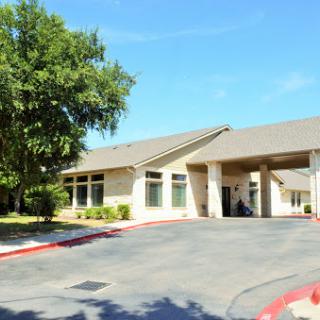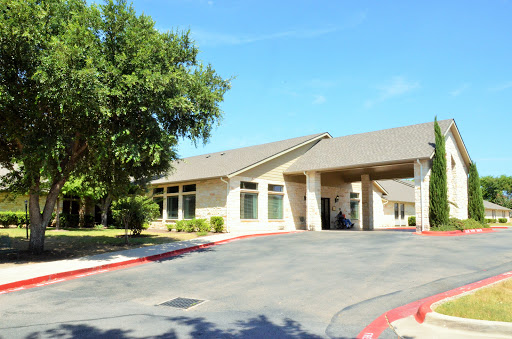
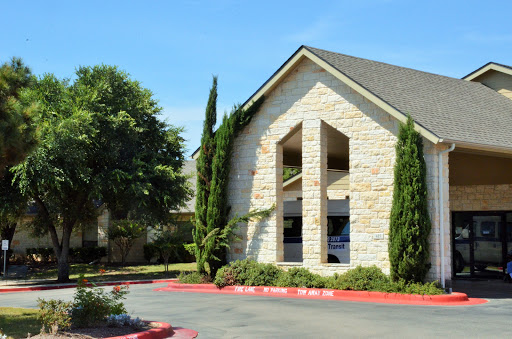


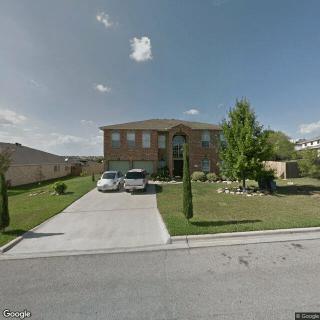
415 Indian Oaks Dr, Harker Heights, TX 76548
To contact a resident: (254) 699-5051
For more information about senior living options: (866) 208-4318
Overall Review of Indian Oaks
Pros
 She is very pleased with Indian Oaks Living Center.
- It seems to be well-liked by the residents.
- The staff are wonderful and very attentive.
- The facility is beautiful and immaculately clean, and the staff are friendly.
- There are quite a few activities for residents during the day.
- The cooking and nursing staff go above and beyond.
- The godmother was treated as royalty by the cooking and nursing staff.
Cons
 The facility is described as horrible, with no room on arrival and a bed that had been used for storage, with no TV.
- The staff did not change the patient regularly and did not administer medications daily as prescribed.
- No physician ever visited, and the family spent hours daily there while the patient died soon after arrival.
- The place was criticized for poor communication and neglectful care.
- Promises of physical therapy, regular meals, and hygienic assistance were not fulfilled, and requests for records were ignored.
- A nurse treated the patient poorly during bathroom needs and made insensitive remarks about a dry diaper.
- The call button was useless; staff did not answer questions and treated inquiries as an imposition.
- The environment was dirty and unsafe, with reports of waste, hot rooms, and residents left on the floor.
Review
Indian Oaks Living Center in Harker Heights, TX is best suited for families seeking an affordable, socially oriented setting where residents mostly need help with daily tasks rather than intensive medical oversight. The environment appears to deliver basic meals, some activities, and a degree of companionship, with a facility that can feel homelike to some residents. It is a practical option for those who want a straightforward, no-frills atmosphere and can tolerate variability in care quality from shift to shift. Prospective families should expect a community that offers companionship and routine, but should not rely on it for consistent high-level clinical support.
At the same time, there are clear indications that this community may not meet the needs of residents requiring steady medical attention or robust rehabilitation services. Several accounts describe delayed medication administration, limited physician visits, and inconsistent communication about care plans. Safety concerns recur, including antedated responses to alarms, inadequate assistance with activities of daily living, and occasions when hygiene and laundry processes were not promptly addressed. For a loved one who has recently been discharged from hospital, or who relies on regular PT/OT, these gaps can translate into real risk. In short, high-acuity needs, complex medical management, or a preference for aggressive post-acute recovery programs will likely outpace what Indian Oaks reliably delivers.
Pros cited by some residents and families include attentive aides on certain shifts, a variety of activities, and a generally approachable price point relative to peers. There are mentions of clean rooms and accessible features such as a jacuzzi tub, along with a security posture that some feel is solid. A few families also highlight positive experiences with hospice care when that level of support was appropriate. Yet these favorable impressions appear unevenly distributed and do not consistently counterbalance the more persistent drawbacks, delays in care, inconsistent documentation, and the sense that problems are not always escalated to or resolved by leadership.
When evaluating this community, it is essential to demand concrete evidence of reliability before committing. Prospective families should request a clear therapy schedule with documentation of progress notes, confirm regular physician rounds, and obtain a transparent plan for medication management. A tour should be conducted across shifts to observe response times to call bells and alarms, and the most recent state inspection results should be reviewed. Ask about staff-to-resident ratios, turnover, and how ancillary tasks like laundry and room upkeep are managed. Direct conversations with current residents and families can reveal how concerns are handled and whether incidents are reported and resolved promptly.
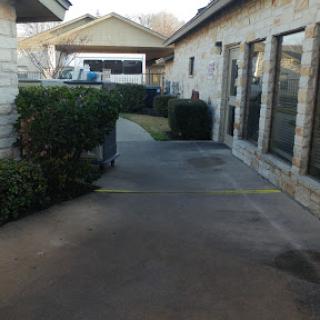
Environmentally, Indian Oaks presents as clean and functional but dated, with tight hallways, small rooms, and limited parking. Some residents praise the dining experience and garden areas, while other accounts note rooms that can run hot, meals arriving cold, and limited privacy due to the facility’s footprint. The campus atmosphere supports social interaction but can hinder mobility for walkers and wheelchairs, increasing dependence on staff for basic tasks. Reports of equipment and housekeeping lapses, plus inconsistent administrative responsiveness, create a sense of fragile reliability. The practical result is a balance that favors comfort and community in the short term but cannot be trusted for consistently safe, high-quality long-term care.
The bottom line is practical and decisive: for families prioritizing stable medical oversight, rapid responses, and dependable rehab services, Indian Oaks should be pursued only with strong caveats and a firm contingency plan. The site may work for those who value social engagement, a modest price, and acceptable daily living in the absence of acute needs, but it is not trustworthy enough for long-term, high-acuity care. Before committing, demand concrete assurances about physician presence, daily medication administration, and transparent care records; insist on trial periods or short-term observation; and compare with peers that demonstrate steadier staffing, cleaner environments, and more predictable outcomes. If red flags persist, alternative communities offering stronger nursing reliability and safer patient handling are strongly advised.
 Skilled Nursing Facility
 Robert Gray AAF (10 miles away)







 Comprehensive Guide to Qualifying for Home Health Care Services
 Powerful Realities of Elder Abuse and the Most Effective Ways to Report It
 Ten Vital Duties of a Senior Caregiver: A Comprehensive Guide