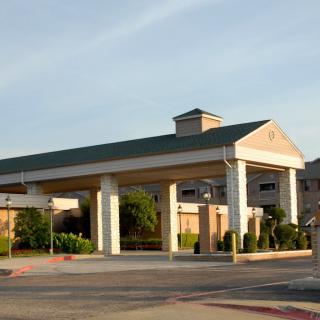
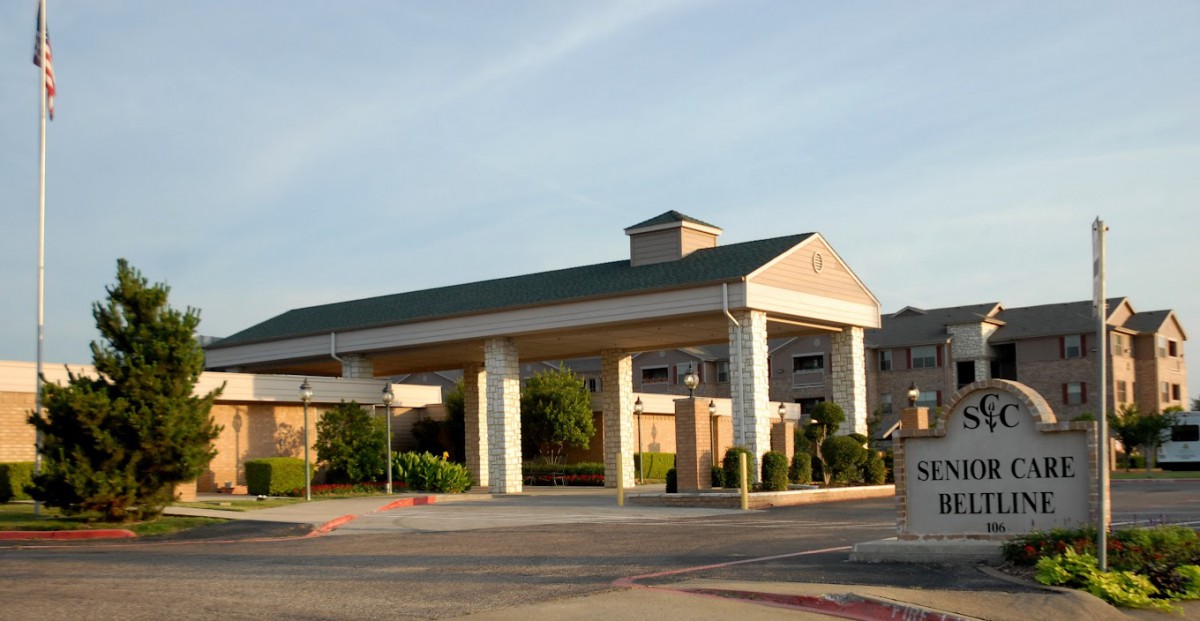
106 North Beltline Road, Garland, TX 75040
For more information about senior living options: (866) 208-4318
Senior Care Beltline Costs & Pricing
Senior Care Beltline offers competitive pricing for its senior care services compared to the broader costs in Dallas County and throughout Texas. For a semi-private room, residents at Senior Care Beltline pay $2,850 per month, significantly lower than the county average of $3,535 and the state average of $3,680. The private room option is available at $3,950, which is more affordable than the Dallas County rate of $4,702 but slightly above Texas's statewide average of $4,096. Additionally, those seeking a one-bedroom suite will find Senior Care Beltline's price of $5,500 notably higher than both the county and state averages of approximately $3,760. Overall, while some options may exceed regional averages - particularly for one-bedroom suites - the affordability of the semi-private and private rooms positions Senior Care Beltline as an attractive choice in the area for those seeking quality senior care services.
| Floor plans | Senior Care Beltline | Dallas County | Texas |
|---|---|---|---|
| Semi-Private | $2,850 | $3,535 | $3,680 |
| Private | $3,950 | $4,702 | $4,096 |
| 1 Bedroom | $5,500 | $3,760 | $3,761 |
Skilled Nursing Facilities with a similar price nearby
-
from +$245 / mo

Atria Carrollton
$3,095 to $6,795 / month16.2 miles away -
from +$145 / mo
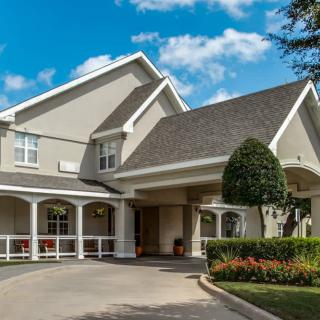
Parsons House Preston Hollow
$2,995 to $4,295 / month13.0 miles away -
from +$500 / mo
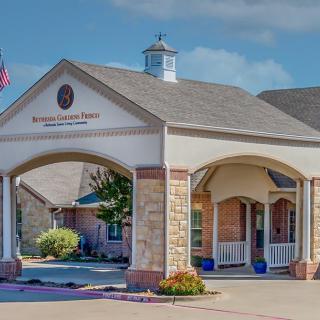
Bethesda Gardens Frisco
$3,350 to $4,950 / month20.4 miles away -
from -$455 / mo
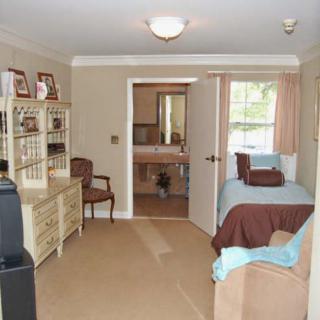
Silvermark Assisted Living
$2,395 to $3,895 / month11.9 miles away -
About the same

The Manor at Seagoville
$2,850 to $3,750 / month19.1 miles away
Overall Review of Senior Care Beltline
Pros
 Someone answered the phone.
- The caller knows they dialed the correct number.
Cons
 They had to call the number several times in a row.
- Someone picked up the phone but immediately hung up.
- They knew they had dialed the correct number, which added to their frustration.
Review
Senior Care Beltline in Garland, TX is best suited for families that can tolerate uneven administrative responsiveness and insist on grounding decisions in in-person observation rather than phone assurances. The community invites scrutiny through visits more than through glossy marketing, and families comfortable with frequent on-site checks will uncover the practical realities of daily life there. For seniors who value a straightforward, walk-through assessment of care routines, meal service, cleanliness, and staff interactions, the Beltline location provides a tangible barometer. In short, when the decision hinges on what residents actually experience each day rather than what is promised over the phone, this community becomes a reasonable choice to consider.
Those who may want to consider alternatives include families that require consistently responsive communication as part of the care decision. A reliable front desk, timely return calls, and efficient tour coordination are not clearly demonstrated here. If intake efficiency, proactive care coordination, or rapid escalation of issues are non-negotiables, it is prudent to compare several other options. Also, if a resident relies heavily on structured programming or needs a robust memory-care environment, the absence of evidence about those elements makes alternatives more compelling. In short, unless in-person assessment can be trusted to compensate for weak communication channels, other communities deserve consideration.
From the sole available feedback, the most tangible signal is a breakdown in basic contact. A caller reports being hung up after answering the phone, which, in practical terms, suggests an administrative weakness that can cascade into missed admissions, tour delays, and poor first impressions. No explicit praise for care quality, staff expertise, or programming is documented. The 2-star rating from a single review already flags dissatisfaction, and that sentiment compounds the risk stories families hear about front-desk rigidity or slow problem resolution. In a market where word-of-mouth and initial contact shape expectations, this data point matters more than any glossy description.
The main con, unreliable communication, has a direct track record of undermining trust in timely care decisions. If a family cannot secure prompt answers about pricing, tours, or admission steps, questions about staffing stability and daily responsiveness naturally arise. Without clear evidence of strong care protocols, it becomes difficult to separate potential care quality from administrative friction. In practical terms, this translates into a higher cognitive load for families: scheduling uncertainties, hesitation about committing, and a need to arrange extensive in-person verification before any decision can feel safe.
Pros, if any, are not clearly substantiated in the available feedback. The absence of documented strengths makes it impossible to claim meaningful offsets against the chief drawback. Families must assume that the operating reality could be uneven, and only a robust in-person diligence process could reveal otherwise. If, however, a family places priority on affordability or a low-key environment and can tolerate occasional administrative friction, there may be a fit, provided the in-person visit confirms calm, clean surroundings and decent routine care, yet such alignment remains speculative until verified.
Bottom line: the decisive path is to verify through decisive site engagement before any commitment. Schedule a tour and insist on meeting the administrator, the executive director, and frontline caregivers. Observe how the front desk handles calls and inquiries in real time. Request a written sample of the care plan, a snapshot of daily schedules, and references from current residents or families. Compare licensing, safety records, and staffing ratios against nearby options. If these checks reveal reliable communication and solid care practices, the risk implied by the single negative signal diminishes. Until then, treat this community as a conditional option best confirmed by direct, thorough observation rather than by impression or promises.
 120 resident community capacity
 Skilled Nursing Facility
 Air-conditioning
 Beauty salon
 Cable or satellite TV
 Computer center
 Dining room
 Fitness room
 Fully furnished
 Gaming room
 Garden
 Housekeeping services
 Kitchenette
 Move-in coordination
 Outdoor space
 Private bathrooms
 Restaurant-style dining
 Security gate
 Small library
 Telephone
 Wellness center
 Wi-Fi/high-speed internet available
 Dallas Love (14 miles away)
 Community operated transportation
 12-16 hour nursing
 24-hour call system
 Activities of daily living assistance
 Assistance with bathing
 Assistance with dressing
 Assistance with transfers
 Diabetes diet
 Medication management
 Mental wellness program
 Special dietary restrictions
 Concierge services
 Planned day trips
 English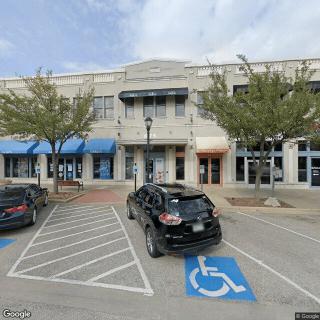





 Comprehensive Guide to Medicare Coverage for Hospice Care
 Caring for Those Who Care: Recognizing, Understanding, and Overcoming Caregiver Burnout
 Caregiver Exhaustion: Recognizing the Signs and Restoring Your Well-Being