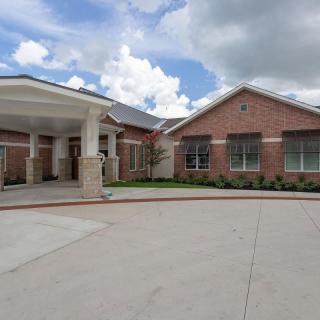
Gulf Health Care Center In Galveston

3702 Cove View Boulevard, Galveston, TX 77554

For more information about senior living options: (844) 490-3973

2.6 from 12 reviews
5 stars
3
4 stars
1
3 stars
2
2 stars
0
1 stars
6

Skilled Nursing Facility

What level of care are you interested in?

Assisted Living

Memory Care

Independent Living

Skilled Nursing Facility

Continuing Care Retirement Community (CCRC)CCRC

Other


Request a tour at Gulf Health Care Center In Galveston

    Overall Review of Gulf Health Care Center In Galveston

    Pros

    • pro The staff is friendly and appears to be well trained in nursing and therapy.
    • pro The facility is pretty clean for a nursing home.
    • pro The staff are responsive to calls and needs and are sympathetic and compassionate.
    • pro Overall, the reviewer would recommend the facility.
    • pro The reviewer cannot call them bad in any sense.

    Cons

    • pro They claim Gulf Health Care Center improperly discharged a patient and left medications on the bed for hours.
    • pro They allege staff ignored concerns and did not provide timely medical evaluation, including questions about how morphine works.
    • pro They report inconsistent discharge status communications, with state and protective services notified.
    • pro They describe a hazardous, unsanitary environment, including a puddle of urine on the floor and a strong odor.
    • pro They accuse staff of theft of residents' personal belongings.
    • pro They allege roaches (dead and live) crawling on elderly patients and overall neglect leading to bedsores and rashes.
    • pro They label the facility as the worst nursing home in Texas (and possibly the world).
    • pro They criticize staffing issues and occasional lapses in care, and deem the food quality average at best.

    Review

    Gulf Health Care Center has drawn a wide range of feelings from families and individuals who experienced or witnessed care there. A set of accounts paints a picture of serious concerns about patient safety, navigation of transfers and discharges, medication handling, and the day-to-day environment. While some reviewers acknowledge moments of genuine care and professionalism, the prevailing threads in these experiences point to troubling gaps that left loved ones worried about the well-being of residents and left some questioning the overall standard of care.

    One thread centers on discharge and transfer processes that family members say were mishandled and opaque. In one account, a patient who had been accepted as a transfer from another facility was told that Gulf Health Care Center did not accept his insurance, and that he was being discharged. When family members pressed staff, they were told the patient had been discharged the day before, yet the patient remained in his room, still receiving medications, including narcotics. Weekend staff were unable to provide clear answers, and after the family escalated the issue to administrators and indicated that state and adult protective services had been notified, the facility reportedly told them that the patient was no longer discharged and was being screened for transfer to another facility. Later, family members found that the patient remained in altered mental status with medications left on the bed from earlier in the day. When they questioned the nurse about the patient's condition and why meds were left out, the nurse allegedly responded, "Do you know how morphine works?" The episode, family members say, left the patient in a vulnerable state - unable to feed himself, to toilet himself, or to call for help for an extended period. The family ultimately contacted emergency services to ensure the patient could receive appropriate assessment and care. The sequence reflects a troubling disconnect between administration, nursing responses, and patient safety during a critical period of uncertainty.

    A separate incident highlights concerns about the attention paid to basic safety and sanitation on a day-to-day basis. Family members recount finding a puddle of urine on the floor inside a resident's room, with a strong odor that extended down the hallway. When they alerted a staff member named Ms. Wanda, the response was that staff could deal with it "in the morning." That assurance, family members say, raised questions about fall risk and exposure to hazardous bodily fluids for the patient and everyone else in the vicinity. The recurring nature of the problem over two consecutive days amplified concerns about the facility's responsiveness, infection control, and the overall environment in which residents live.

    The integrity of personal belongings and theft also appears in these accounts. One reviewer notes that personal items belonging to the resident were stolen from the facility, adding another layer of distress to families already grappling with worries about care quality and safety. The combination of alleged miscommunication about transfers, medication mismanagement, unattended hazards, and theft paints a picture of a facility where families fear for the security and dignity of their loved ones.

    Amid these more negative and alarming experiences, other voices offer a more mixed picture. A different reviewer describes a positive side of Gulf Health Care Center: a physical therapy experience where the staff were described as friendly and well trained in nursing and therapy, and the facility was described as relatively clean for a nursing home. The reviewer also noted that the staff were responsive to calls and needs, displaying sympathy and compassion, which mattered greatly to families who rely on staff to advocate for their loved ones. The reviewer acknowledged some room for improvement - specifically, updates needed in certain areas and occasional lapses during third shifts - but still concluded with a willingness to recommend the facility in light of the overall experience.

    Another account is more mixed in tone, praising some elements of care while pointing to gaps. The reviewer described the overall experience as "not bad" and highlighted the care and competence of the nursing and therapy teams, but also suggested that "a little updating" and a tendency for some shifts to drop the ball could be improved. Food, while not exceptional, was described as acceptable rather than problematic, and the reviewer emphasized staff responsiveness and a general sense of empathy. This perspective, paired with the other reviews, suggests that experiences at the facility may vary by shift, staff on duty, and individual resident needs.

    A final and strongly negative voice paints Gulf Health Care Center as the worst nursing home in Texas, if not the world. This review describes dead roaches and live roaches everywhere, including on elderly patients, and accuses the nursing staff of failing to care for residents with bed sores and rashes. The reviewer also alleges theft by staff and, distressingly, mentions electroconvulsive therapy (ECT) in a way that underscores serious concern about the overall quality of care. Such a starkly negative portrayal contrasts sharply with the more tempered accounts and underscores the degree to which experiences can diverge in the same facility, depending on the moment, the staff on duty, or the patient's specific circumstances.

    In sum, the range of experiences depicts a facility that elicits strong reactions - both positive and deeply troubling. Some residents and families report compassionate staff, clean environments, and effective therapy services, along with responsive care when needs are communicated. Yet these positive experiences sit beside accounts of disorganization surrounding transfers, questionable medication handling, neglect of basic safety and sanitation, and theft. The juxtaposition of these narratives suggests a facility where care quality may be inconsistent, with serious concerns raised about patient safety, accountability, and the protection of vulnerable residents. For families and potential residents, these reviews underscore the importance of thorough due diligence, independent verification of care practices, and proactive engagement with administrators, especially when concerns arise.

    For those considering Gulf Health Care Center, the recommendations common to many families are to document concerns meticulously, seek clarity on discharge and transfer processes, request a detailed care plan from the treating team, and consider filing formal complaints with the state Department of Human Services and with Medicare if warranted. These steps can help ensure that concerns are reviewed and that corrective actions are pursued to safeguard resident well-being. While one or two accounts speak positively of therapy and staff attentiveness, the dominant themes across the collection invite a cautious approach and close attention to ongoing care, safety, and environmental standards before making any long-term placement decisions.

    Features

    Housing

    • 150 resident community capacity 150 resident community capacity

    Types of Care

    • Skilled Nursing Facility Skilled Nursing FacilitySkilled Nursing Facilities are crucial for seniors as they provide round-the-clock medical care, rehabilitation services, and assistance with daily activities. These facilities ensure that seniors receive the specialized care they need to maintain their health and well-being as they age.

    Amenities

    • Air-conditioning Air-conditioningAir conditioning is important for seniors as they are more vulnerable to heat-related illnesses and may have underlying health conditions that make it difficult for them to regulate their body temperature. It helps to keep them comfortable, safe, and healthy in hot weather.
    • Beauty salon Beauty salonBeauty salons are important for seniors because they provide a space for them to feel pampered, socialize, and maintain their personal grooming and hygiene. Regular visits to a beauty salon can help boost seniors' self-esteem and overall well-being.
    • Cable or satellite TV Cable or satellite TVCable or satellite TV is important for seniors because it provides entertainment, news, and companionship, helping to combat loneliness and boredom. It also offers a wide range of programming options tailored to different interests and preferences.
    • Computer center Computer centerA computer center is essential for seniors as it provides access to technology, communication tools, and resources that can enhance their daily lives. It allows them to stay connected with loved ones, engage in online activities, and learn new skills, ultimately promoting socialization and mental stimulation.
    • Dining room Dining roomDining rooms are important for seniors as they provide a space for socialization, connection, and nutritious meals. They offer opportunities for residents to bond over shared meals, foster a sense of community, and promote healthy eating habits. Dining rooms also ensure that seniors have access to well-balanced meals tailored to their dietary needs and preferences.
    • Fitness room Fitness roomHaving a fitness room in a senior living community is essential for seniors to stay active, maintain their physical health, and improve their overall well-being. Regular exercise can help prevent falls, reduce the risk of chronic diseases, and promote mental sharpness. It also provides social opportunities for residents to connect with others and enjoy a sense of community.
    • Fully furnished Fully furnishedFully furnished senior living communities are important for seniors because they provide convenience, comfort, and a hassle-free moving experience. Seniors can easily settle into their new living space without the stress of having to buy and move furniture. This allows them to focus on enjoying their new home and community.
    • Gaming room Gaming roomGaming rooms are important for seniors as they provide a fun and engaging environment for socializing, cognitive stimulation, and physical activity. Games can improve memory, problem-solving skills, and overall mental well-being while fostering friendships and reducing feelings of isolation.
    • Garden GardenGardens are important for seniors as they provide a peaceful and therapeutic environment for relaxation, physical activity, and socialization. Being in nature has been shown to reduce stress, improve mood, and promote overall well-being. Gardens also offer opportunities for seniors to engage in gardening activities, which can improve mobility, flexibility, and cognitive function. Additionally, gardens create a sense of community and connection with others who share a passion for plants and outdoor spaces.
    • Housekeeping services Housekeeping servicesHousekeeping services are important for seniors because they help maintain a clean and safe living environment, promote independence, and reduce the risk of accidents or illnesses. Additionally, having assistance with household chores can alleviate physical strain and allow seniors to focus on other aspects of their well-being.
    • Kitchenette KitchenetteKitchenettes are important for seniors living in senior living communities because they provide the convenience and independence of being able to prepare simple meals and snacks in the comfort of their own living space. This can help promote a sense of autonomy and well-being for seniors, allowing them to maintain some level of control over their dietary choices and daily routines.
    • Move-in coordination Move-in coordinationMove-in coordination is important for seniors because it helps ease the transition into their new living environment. It ensures that all logistics, such as packing, organizing movers, and setting up utilities are taken care of, allowing seniors to focus on settling in and adjusting to their new home. Having a smooth move-in process can alleviate stress and anxiety, making the transition smoother and more enjoyable for seniors.
    • Outdoor space Outdoor spaceOutdoor spaces are important for seniors as they provide opportunities for physical activity, social interaction, exposure to natural light and fresh air, and a sense of connection to nature. Having access to outdoor spaces can improve overall well-being and quality of life for older adults living in senior communities.
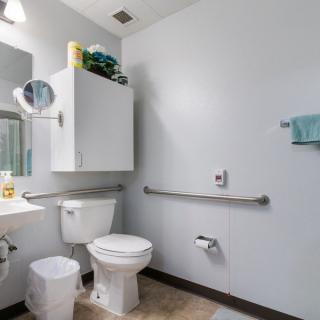
    • Private bathrooms Private bathroomsPrivate bathrooms are important for seniors in senior living communities because they provide independence, dignity, and comfort. Having a private bathroom allows seniors to maintain their personal hygiene routines without the need for assistance, promoting a sense of autonomy and privacy. Additionally, private bathrooms help prevent the spread of infections and provide a safe and clean environment for seniors to navigate safely.
    • Restaurant-style dining Restaurant-style diningRestaurant-style dining is important for seniors because it allows them to enjoy delicious, nutritious meals in a social and upscale setting. This enhances their dining experience, promotes healthy eating habits, and fosters socialization with fellow residents, ultimately contributing to their overall well-being and quality of life.
    • Small library Small librarySmall libraries are important for seniors as they provide access to a variety of reading materials, including books, newspapers, and magazines. This can help stimulate their minds, keep them engaged, and provide a sense of community through book clubs and other social activities. Additionally, reading has been shown to improve cognitive function and overall mental well-being in older adults.
    • Telephone TelephoneTelephones are important for seniors as they provide a lifeline for communication with loved ones, emergency services, and healthcare providers. They offer a sense of security and independence, enabling seniors to stay connected and access assistance when needed.
    • Wellness center Wellness centerWellness centers are important for seniors because they offer a variety of programs and services that promote physical, mental, and emotional well-being. These centers provide opportunities for exercise, socialization, education, and relaxation, helping seniors maintain their overall health and quality of life.
    • Wi-Fi/high-speed internet available Wi-Fi/high-speed internet availableWi-Fi/high-speed internet is important for seniors to stay connected with loved ones, access online resources, and participate in virtual activities to combat feelings of loneliness and isolation. It also allows them to easily manage healthcare needs, access entertainment, and engage in lifelong learning opportunities.

    Transportation

    • Community operated transportation Community operated transportationCommunity operated transportation is crucial for seniors as it provides them with the means to access essential services, social activities, and medical appointments. It allows seniors to maintain their independence and quality of life by ensuring they can participate in activities outside of their homes. Additionally, community-operated transportation services offer a safe and reliable way for seniors to travel without having to rely on family or friends for assistance.
    • Transportation arrangement Transportation arrangementTransportation arrangements are crucial for seniors as they may face challenges with driving, mobility, or access to public transportation. Having reliable transportation services ensures that seniors can easily attend appointments, social activities, and maintain their independence and quality of life.
    • Transportation arrangement (non-medical) Transportation arrangement (non-medical)Transportation arrangements are essential for seniors as they provide access to essential services, activities, and social interactions outside the home. This service helps maintain independence, mobility, and overall well-being for seniors who may have limited transportation options.
    • Transportation to doctors appointments Transportation to doctors appointmentsTransportation to doctors appointments is crucial for seniors as it ensures they have access to necessary medical care and support, promoting their health and well-being. It allows them to receive timely treatment, monitor existing conditions, and address any new health concerns efficiently. Additionally, transportation services can help seniors maintain their independence and quality of life by enabling them to stay connected with their healthcare providers.

    Care Services

    • 12-16 hour nursing 12-16 hour nursing12-16 hour nursing care is crucial for seniors in order to ensure around-the-clock monitoring, timely medication administration, and prompt response to any health concerns or emergencies. This level of care helps to promote the overall well-being and safety of seniors living in senior living communities.
    • 24-hour call system 24-hour call system24-hour call systems are important for seniors because they provide peace of mind and immediate assistance in case of emergencies. This technology ensures that help is always available, promoting safety and security for elderly individuals living alone or in assisted living facilities.
    • 24-hour supervision 24-hour supervision24-hour supervision is important for seniors to ensure their safety, well-being, and access to immediate assistance in case of emergencies or health issues. This constant support provides peace of mind for both seniors and their loved ones, allowing them to age in place with dignity and security.
    • Activities of daily living assistance Activities of daily living assistanceActivities of daily living assistance are important for seniors because they provide essential support with tasks such as eating, bathing, dressing, and mobility. This assistance helps seniors maintain their independence, dignity, and overall quality of life as they age.
    • Assistance with bathing Assistance with bathingAssistance with bathing is crucial for seniors as it helps maintain personal hygiene, prevents infections, and ensures their overall well-being and comfort. It also provides a sense of dignity and independence for seniors who may struggle with this task on their own.
    • Assistance with dressing Assistance with dressingAssistance with dressing is important for seniors because it helps maintain their independence, promotes personal hygiene, prevents accidents and injuries, and improves overall quality of life. This service ensures that seniors can continue to dress comfortably and confidently, despite any physical limitations they may have.
    • Assistance with transfers Assistance with transfersAssistance with transfers is crucial for seniors as it helps prevent falls and injuries, maintains their independence, and ensures they can safely navigate their living environment. It also provides peace of mind for both seniors and their loved ones.
    • Diabetes diet Diabetes dietA diabetes diet is crucial for seniors as it helps manage blood sugar levels, reduce risks of complications, and improve overall health and well-being. By following a balanced and nutritious diet tailored to their specific needs, seniors can better control their diabetes and enhance their quality of life.
    • Meal preparation and service Meal preparation and serviceMeal preparation and service are crucial for seniors as they may have limited mobility or energy to cook nutritious meals. Having access to healthy and convenient food options can ensure they are getting the proper nutrition needed to maintain their overall health and well-being.
    • Medication management Medication managementMedication management is crucial for seniors to ensure they are taking the right medications at the correct dosages and times. This helps prevent adverse drug interactions, reduces the risk of medication errors, and promotes overall health and well-being. Proactive management also allows for adjustments as needed based on changing health conditions or new prescriptions.
    • Mental wellness program Mental wellness programMental wellness programs are essential for seniors as they promote cognitive stimulation, emotional support, and social engagement. These programs help prevent isolation, depression, and cognitive decline, ultimately enhancing the overall quality of life for older adults.
    • Special dietary restrictions Special dietary restrictionsSpecial dietary restrictions are important for seniors because age-related changes in metabolism and health conditions can make it difficult for their bodies to process certain foods. By following a diet tailored to their specific needs, seniors can maintain their overall health and well-being, manage chronic conditions, and reduce the risk of complications such as malnutrition or food interactions with medications.

    Dining

    • Diabetes diet Diabetes dietA diabetes diet is crucial for seniors as it helps manage blood sugar levels, reduce risks of complications, and improve overall health and well-being. By following a balanced and nutritious diet tailored to their specific needs, seniors can better control their diabetes and enhance their quality of life.
    • Special dietary restrictions Special dietary restrictionsSpecial dietary restrictions are important for seniors because age-related changes in metabolism and health conditions can make it difficult for their bodies to process certain foods. By following a diet tailored to their specific needs, seniors can maintain their overall health and well-being, manage chronic conditions, and reduce the risk of complications such as malnutrition or food interactions with medications.

    Activities

    • Community-sponsored activities Community-sponsored activitiesCommunity-sponsored activities are important for seniors as they provide opportunities for social interaction, mental stimulation, and physical activity. These activities can help improve overall well-being, combat loneliness and isolation, and promote a sense of belonging and purpose among older adults.
    • Concierge services Concierge servicesConcierge services are essential for seniors as they provide assistance with daily tasks and errands, enhance their quality of life by offering convenience and personalized care, and promote a sense of safety and security.
    • Fitness programs Fitness programsFitness programs are crucial for seniors as they help improve strength, flexibility, balance, and overall well-being. Staying active can reduce the risk of chronic diseases, improve mental health, and enhance quality of life in older adults.
    • Planned day trips Planned day tripsPlanned day trips are important for seniors because they offer opportunities for socialization, mental stimulation, and physical activity. They provide a change of scenery and help seniors stay engaged and connected to their community, promoting overall well-being and quality of life.
    • Resident-run activities Resident-run activitiesResident-run activities are important for seniors as they encourage social interaction, creativity, and a sense of autonomy. These activities empower seniors to stay engaged and active in their community while fostering meaningful connections with their peers.
    • Scheduled daily activities Scheduled daily activitiesScheduled daily activities are important for seniors because they provide structure, socialization, mental stimulation, and physical activity. Engaging in regular activities can improve overall well-being and quality of life for seniors living in a community setting.

    Description

    Gulf Health Care Center in Galveston, TX offers a wide range of amenities and care services for seniors in a comfortable and welcoming environment. The center is fully furnished and includes private bathrooms for each resident. There is a beauty salon on-site for residents to enjoy, as well as a computer center and gaming room for entertainment. The dining room offers restaurant-style dining with special dietary restrictions accommodated. Additionally, there is a small library and wellness center available. Wi-Fi/high-speed internet is also provided throughout the facility.

    The community operates transportation services for non-medical purposes, including trips to nearby locations such as cafes, parks, pharmacies, restaurants and physicians. For medical appointments, transportation arrangements can be made.

    In terms of care services, Gulf Health Care Center provides 24-hour supervision and assistance with activities of daily living including bathing, dressing and transfers. The staff also assists with medication management and meal preparation according to diabetes diet guidelines. A mental wellness program is available to promote emotional wellbeing among residents.

    A variety of activities are offered at the center including fitness programs, planned day trips, resident-run activities and scheduled daily activities. Concierge services are also provided to cater to individual needs and preferences.

    Overall, Gulf Health Care Center in Galveston provides a comprehensive assisted living community where seniors can receive personalized care while enjoying a range of amenities and engaging in various activities in the surrounding area.

    Nearby Places of Interest

    Restaurants

    • Woody's Bar (0.8 miles)
    • Jimmy's on the Pier (0.9 miles)
    • Tipsy Turtle Seaside Bar & Grill (2.2 miles)
    • Home Cut Donuts (2.5 miles)
    • Sonic Drive-In (2.5 miles)
    • Number 13 (2.8 miles)
    • Waffle House (2.8 miles)

    Cafes

    • Sugar Bean Coffee and Cream (1.1 miles)
    • Starbucks (2.9 miles)
    • Red Light Coffee Roasters (5.7 miles)
    • MOD Coffeehouse (6.1 miles)
    • Starbucks (6.2 miles)
    • The Sunflower Bakery & Cafe (6.6 miles)

    Physicians

    • Family Vision Center (2.4 miles)
    • Family Medicine Clinic-Island (2.6 miles)
    • Galveston Eye-Land Vision Clinic (2.7 miles)
    • UTMB Pediatrics (3 miles)
    • UTMB Clinic (3.3 miles)
    • VA Galveston Clinic (4.7 miles)
    • Rosenberg Clinic (5.7 miles)

    Pharmacies

    • Walgreens (2.9 miles)
    • Kroger Pharmacy (3 miles)
    • CVS Pharmacy (3 miles)
    • CVS Pharmacy (3.5 miles)
    • CVS Pharmacy (5.7 miles)
    • Broadway Drug Store (6 miles)

    Parks

    • Galveston Island Palms (3.4 miles)
    • Fort Crockett Seawall Park (3.9 miles)
    • Tiki Island Park (4.4 miles)

    Hospitals

    • Dva Renal Healthcare Incgam (3.6 miles)
    • John Sealy Hospital (6.7 miles)
    • Shriners Burns Hospital (7 miles)
    • Shriners Burns Hospital (7 miles)
    • UTMB Regional Maternal & Child Health Program (7 miles)
    • UTMB - Rebecca Sealy Hospital (7 miles)
    • UTMB-Labor and Delivery (7 miles)

    Frequently Asked Questions

    Where is Gulf Health Care Center In Galveston?

    Nearby Communities

    Related Resources

    • caregiver burnoutCaring for Those Who Care: Recognizing, Understanding, and Overcoming Caregiver Burnout

      Caregiver burnout is a common issue resulting from the intense physical, emotional, and mental demands of caregiving, leading to symptoms like fatigue and social withdrawal. To prevent burnout, caregivers should recognize early warning signs and implement self-care strategies, seek support, and prioritize their own well-being alongside that of those they care for.

    • caregiver burnoutCaregiver Exhaustion: Recognizing the Signs and Restoring Your Well-Being

      Caregiver exhaustion, or burnout, stems from the relentless demands of caregiving, leading to emotional and physical depletion characterized by stress, frustration, and neglect of personal needs. Addressing this burden is essential to prevent long-term consequences, with early recognition and support being crucial for caregivers to maintain balance and implement self-care.

    • what is hospice care at homeUnderstanding Hospice Care at Home: Comprehensive Services, Key Benefits, and Eligibility

      Hospice care at home provides specialized end-of-life support that focuses on comfort and dignity for individuals with life-limiting illnesses, offering a range of services including medical management, emotional and spiritual support, and logistical assistance tailored to the family's needs. It involves collaboration to create individualized care plans and extends to bereavement support after a loved one's passing.


    Get Pricing Ask A Question Schedule A Tour Contact Senior Advisor