
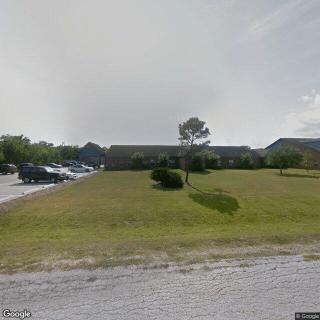
6444 Central City Boulevard, Galveston, TX 77551
For more information about senior living options: (866) 208-4318
Transitional Learning Center At Galveston Tideway Costs & Pricing
The Transitional Learning Center at Galveston Tideway offers competitive pricing for its various room types when compared to both Galveston County and the broader Texas market. For a one-bedroom unit, residents can expect to pay between $3,595 and $3,895, which is notably lower than the county average of $4,278 and slightly below the state average of $3,761. Two-bedroom accommodations range from $4,295 to $4,695, again showing a favorable comparison against the county's median of $4,951 and Texas' average of $4,215. The studio option is priced at $4,595 - slightly higher than both local ($4,401) and state ($3,758) averages. However, private rooms are an exception; at $6,850 they exceed both county ($4,761) and state ($4,096) costs significantly. Overall, while some options align well with regional pricing norms, others highlight a premium for specialized services or amenities tied to transitional living.
| Floor plans | Transitional Learning Center At Galveston Tideway | Galveston County | Texas |
|---|---|---|---|
| 1 Bedroom | $3,595 to $3,895 | $4,278 | $3,761 |
| 2 Bedrooms | $4,295 to $4,695 | $4,951 | $4,215 |
| Studio | $4,595 | $4,401 | $3,758 |
| Private | $6,850 | $4,761 | $4,096 |
Assisted Living communities with a similar price nearby
-
About the same

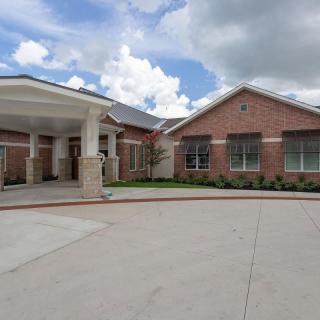
Seasons Personal Care Home
$3,500 to $3,800 / month12.8 miles away -
from -$412 / mo
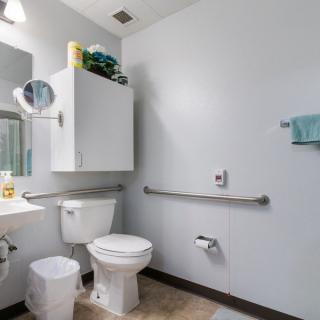
The Delaney at South Shore
$3,183 to $5,341 / month22.6 miles away -
from -$695 / mo
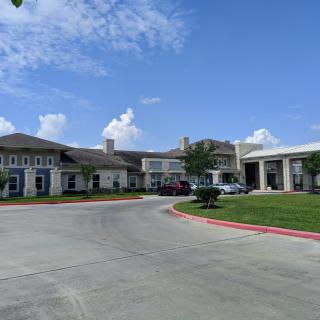
Sodalis Texas City
$2,900 to $5,600 / month13.9 miles away -
from +$505 / mo
Orchard Park at Victory Lakes
$4,100 to $5,800 / month22.6 miles away -
from -$400 / mo

Regal Estates Of League City
$3,195 to $4,450 / month23.6 miles away
Overall Review of Transitional Learning Center At Galveston Tideway
Pros
 This place is a fabulous rehabilitation center.
- This place offers all of the therapies you need.
Cons
 The facility provides poor service for residents, especially those who are non-verbal.
- The staff only serves juice and tea at meals and does not provide water when residents are not eating, which is bizarre.
- The maintenance man does nothing but sit around and gossip all day and never fixes anything.
- It is a poor institution.
- People should not send their loved ones here.
Review
Transitional Learning Center At Galveston Tideway is best suited for adults who need a structured rehabilitative pathway with access to a broad spectrum of therapies and a clearly defined program aimed at functional recovery. The community seems built around a therapy-first model, where progress is tied to participation in a guided plan and the timely delivery of multiple modalities. Families pursuing a facility that helps residents regain independence after a setback will find alignment here. However, those for whom daily attentiveness, reliable hydration, and consistently proactive staff support are non-negotiables should weigh alternatives. A therapy-centric structure can be compelling, but it carries risk if routine care does not keep pace with clinical goals.
On the upside, the center earns credibility through its therapy orientation. Reviewers consistently describe it as a fabulous rehab center and an awesome place to access all of the therapies needed, signaling a breadth of modalities and a coherent treatment track. The program itself has produced tangible life-change for at least one participant, indicating that meaningful gains can occur when engagement is sustained and goals are clear. For residents aiming to restore mobility, communication, and daily functioning, the emphasis on structured therapy can translate into real progress and a clear pathway forward.
However, serious caveats surface around daily care and upkeep. The most pointed critique centers on service for residents who cannot advocate for themselves, with reports of limited hydration, juice or tea at meals and little water outside those times, raising concerns about basic needs being met. Additional issues target the maintenance routine, described as passive or slow to address repairs, and a staff environment where some personnel may appear disengaged. Taken together, these factors raise questions about safety, comfort, and the consistency of the day-to-day experience, especially for non-verbal residents or those requiring vigilant oversight.
Prospective families must weigh whether the therapy core can deliver results even when daily-care execution is uneven. If rehabilitation goals are central, the extensive therapy menu and structured program can deliver meaningful gains that justify some imperfect day-to-day service. Yet the real-world impact of those gains depends on reliable daily care: without steady hydration, prompt assistance, and timely maintenance, the benefits of therapy may be undermined by avoidable discomfort or risk. In practical terms, families might consider augmenting care with outside support or requesting explicit staff-to-resident ratios, hydration protocols, and rapid-response practices before committing.
For residents with complex care needs that extend beyond therapy participation, such as those who are non-verbal or require consistent, hands-on assistance, alternatives that emphasize everyday caregiving and continuous observation could be more suitable. The center’s strengths in therapy must be matched with dependable care delivery; without that alignment, the overall experience can feel uneven. Families should visit with particular attention to how staff communicate, how hydration is handled outside meal times, and how maintenance requests are tracked and resolved.
Bottom line: Transitional Learning Center At Galveston Tideway offers a solid option for families prioritizing a therapy-driven recovery track, provided there is confidence that daily caregiving will be met with equal seriousness. The breadth of therapies and the potential for meaningful life-change make it attractive for those aiming to regain independence through structured programming. However, if reliable daily care, hydration, and hands-on support are non-negotiable, exploration of alternatives is prudent. The decision hinges on aligning rehab goals with a care environment that reliably sustains residents day to day, not just within therapy sessions.
 16 resident community capacity
 Assisted Living
 Board and Care Home
 Cable or satellite TV
 Dining room
 Fully furnished
 Garden
 Housekeeping services
 Move-in coordination
 Outdoor space
 Telephone
 Wi-Fi/high-speed internet available
 24-hour supervision
 Activities of daily living assistance
 Assistance with bathing
 Assistance with dressing
 Assistance with transfers
 Diabetes diet
 Meal preparation and service
 Medication management
 Special dietary restrictions
 Transportation arrangement (medical)
 Transportation to doctors appointments




 8 Key Indicators That Suggest It May Be Time to Transition from Assisted Living to Skilled Nursing Care
 Vibrant Senior Living: A Comprehensive Guide for Active Older Adults
 When to Transition from Assisted Living to Memory Care: Key Indicators, Steps, and Finding the Right Community