At Prairie Estates, the monthly costs for residential accommodations exceed both county and state averages, reflecting its commitment to quality care and services. For a semi-private room, residents can expect to pay $4,327, which is notably higher than the Denton County average of $3,871 and the Texas state average of $3,680. Similarly, a private room at Prairie Estates is priced at $5,017, surpassing Denton County's average of $4,161 and Texas' average of $4,096. These figures suggest that while Prairie Estates may require a larger financial investment compared to neighboring options, many families may find that the superior amenities and personalized care justify the additional cost.
Floor plans
Prairie Estates
Denton County
Texas
Semi-Private
$4,327
$3,871
$3,680
Private
$5,017
$4,161
$4,096
Skilled Nursing Facilities with a similar price nearby
Admissions and tours are described as easy, informed, and reassuring.
Multiple reviewers mention named admissions staff making the process smooth and professional, and they describe feeling comfortable about placing a loved one there. A few also tie the experience to specific help answering questions during a visit. One negative review says admissions promises did not carry through after medication and meal support became more frequent needs.
common4 reviews mention this
Activities director earns praise
The activities team, especially the director, is consistently described as caring.
Residents and families describe the activities director as a standout and someone who truly focuses on residents. Reviewers mention that activities keep life engaging and that the director brings a positive, resident-first approach. In the overall mix, other reviews focus on nursing issues, but they still reference having activities as part of the day.
differentiator3 reviews mention this
Rehab progress gets called out
Rehabilitation and therapy experiences are described with real progress.
Several reviewers specifically describe the rehab and therapy program positively and connect it to recovery and improved mobility. One reviewer mentions therapists evaluating needs for returning home, and another describes noticeable growth and progress during rehab. A different reviewer is disappointed with therapy results for a resident who needed stronger assistance, though the same review acknowledges therapy is provided.
caveat6 reviews mention this
Call lights and response time criticized
Some residents experience slow or ignored call-light responses.
Across multiple negative reviews, residents and families describe call lights going unanswered or taking a long time to reach staff. Some reviewers also mention nurses or aides being busy on phones while they feel residents are left waiting for help. Other complaints include residents being left in beds for long periods and issues that could have been prevented with faster response, even though a few reviewers also describe certain nurses as helpful.
How we summarize
Counts show how many written reviews mention each theme; a review can touch several themes, and only frequently mentioned themes are displayed.
Features
Housing
180 resident community capacity
Types of Care
Skilled Nursing Facility
Amenities
Activities off-site
Activities on-site
Air-conditioning
Bath tubs
Beautician on-site
Beauty salon
Cable or satellite TV
Computer center
Devotional services off-site
Devotional services on-site
Dining room
Fitness room
Fully furnished
Gaming room
Garden
Housekeeping services
Indoor common areas
Kitchenette
Move-in coordination
Outdoor common areas
Outdoor space
Private
Private bathrooms
Respite or short term stays offered
Restaurant-style dining
Small library
Telephone
Wellness center
Wheelchair accessible showers
Wi-Fi/high-speed internet available
Transportation
Dallas-Fort Worth International (20 miles away)
Dallas Love (21 miles away)
Community operated transportation
Transportation arrangement
Transportation arrangement (non-medical)
Transportation to doctors appointments
Care Services
12-16 hour nursing
24-hour call system
24-hour supervision
Activities of daily living assistance
Ambulatory care
Assistance with bathing
Assistance with dressing
Assistance with transfers
Diabetes diet
High acuity care
Meal preparation and service
Medication management
Mental wellness program
Special dietary restrictions
Dining
Diabetes diet
Meals provided
Special dietary restrictions
Activities
Activities off-site
Activities on-site
Community-sponsored activities
Concierge services
Devotional activities offsite
Devotional activities on-site
Fitness programs
Planned day trips
Resident-run activities
Scheduled daily activities
Nearby Places of Interest
The West Frisco area of Texas offers a variety of amenities and services that cater to the needs of seniors who are considering living in this community. With numerous places of worship such as the St Francis Catholic Church and St Martin de Porres Catholic Church, seniors can find spiritual support nearby. The area also boasts a range of dining options including Braum's, Whataburger, and Fuzzy's Taco Shop for convenient meal choices. Access to pharmacies like CVS and Walgreens ensures easy access to medications and healthcare essentials. In terms of healthcare, there are several physician offices nearby such as Texas Health Family Care and Legacy Dermatology, providing convenient medical care options. Additionally, with parks like Sommerset and Jasmine Park close by, seniors can enjoy outdoor activities in a peaceful environment. Overall, the West Frisco area offers a well-rounded community with a variety of resources for seniors to enjoy a comfortable lifestyle.
Places of Worship
West Frisco Hope Fellowship Site (0.5 miles)
Gateway Church (2.1 miles)
St Francis Catholic Church (4.2 miles)
St Martin de Porres Catholic Church - Frisco/Prosper (4.7 miles)
Hope Fellowship (5.1 miles)
Oak Grove United Methodist Church (7.2 miles)
Prestonwood Baptist Church (7.5 miles)
Restaurants
Braum's (0.8 miles)
Whataburger (0.8 miles)
Fuzzy's Taco Shop (0.9 miles)
Chick-Fil-A (0.9 miles)
McDonald's (1 miles)
Tailgaters Sports Bar & Grill (2 miles)
Bahama Buck's (2.3 miles)
Pharmacies
CVS Pharmacy (0.8 miles)
Walgreens (0.9 miles)
Walgreens (1.7 miles)
Walmart Pharmacy (1.7 miles)
CVS Pharmacy (1.9 miles)
Walgreens (2 miles)
CVS Pharmacy (3.5 miles)
Cafes
Starbucks (1.1 miles)
Starbucks (2.9 miles)
Starbucks (4.4 miles)
85C Bakery Cafe (5.4 miles)
Panera Bread (5.8 miles)
Starbucks (6.4 miles)
Starbucks (6.5 miles)
Physicians
Frisco Medical Village (2.5 miles)
Texas Health Family Care (3.4 miles)
North Texas Institute of Neurology & Headache (3.9 miles)
Legacy Dermatology (4.1 miles)
Cook Children's Endocrinology (4.6 miles)
Bent Tree Family Physicians (4.9 miles)
Savannah Clinic at Denton Regional Medical Clinic (4.9 miles)
Hospitals
Texas Health Frisco (3.1 miles)
Baylor Scott & White Medical Center (6.9 miles)
Parks
Sommerset (3.8 miles)
Shoreline Trail & Dog Run (5 miles)
Jasmine Park (5.3 miles)
Coyote Creek Park (7.4 miles)
Arbor Hills Nature Preserve (7.6 miles)
Theaters
CUT! by Cinemark — Dine-in Theatre, Kitchen & Bar (5.5 miles)
At Prairie Estates, the monthly costs for residential accommodations exceed both county and state averages, reflecting its commitment to quality care and services. For a semi-private room, residents can expect to pay $4,327, which is notably higher than the Denton County average of $3,871 and the Texas state average of $3,680. Similarly, a private room at Prairie Estates is priced at $5,017, surpassing Denton County's average of $4,161 and Texas' average of $4,096. These figures suggest that while Prairie Estates may require a larger financial investment compared to neighboring options, many families may find that the superior amenities and personalized care justify the additional cost.
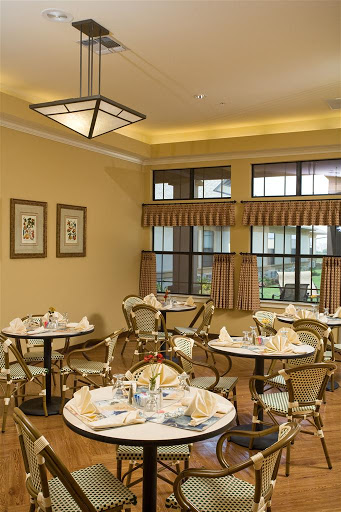
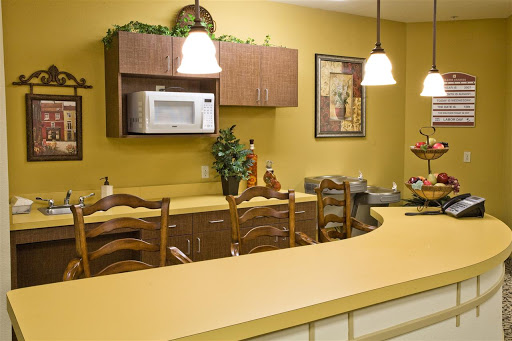
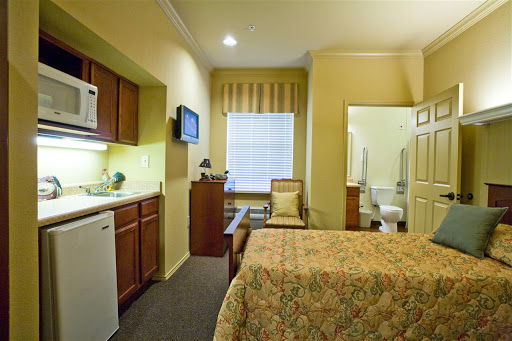
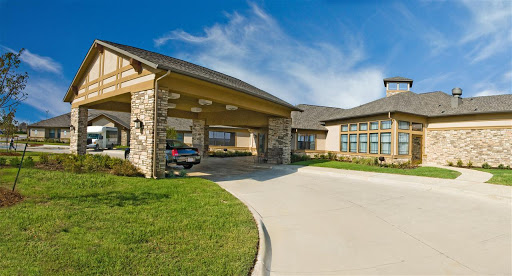
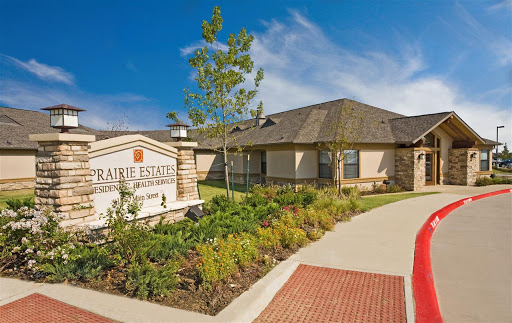
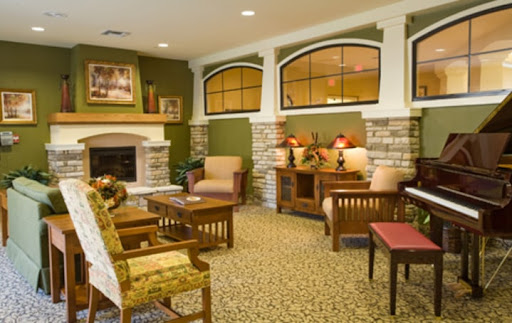
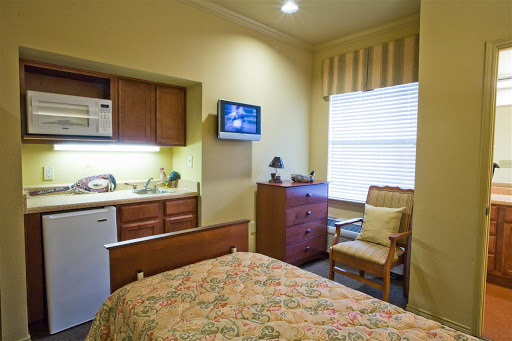
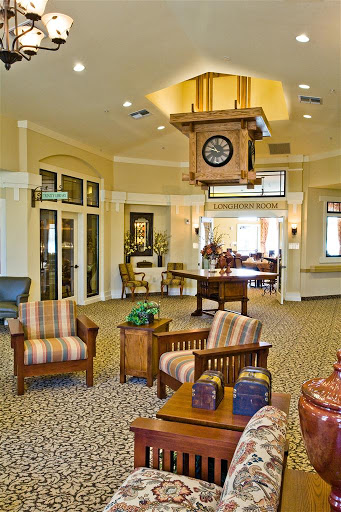
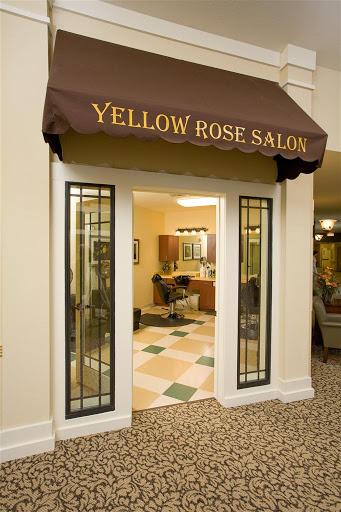
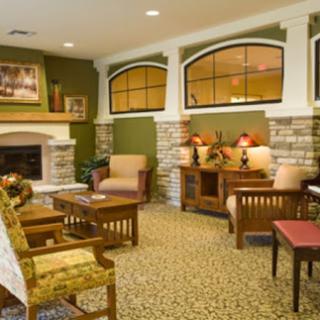
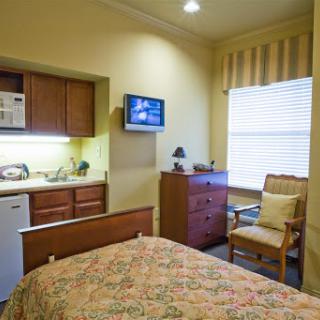
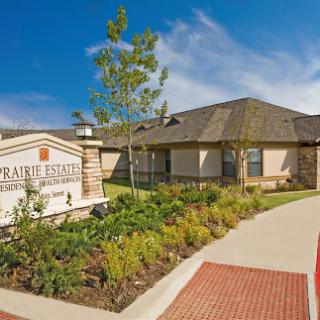
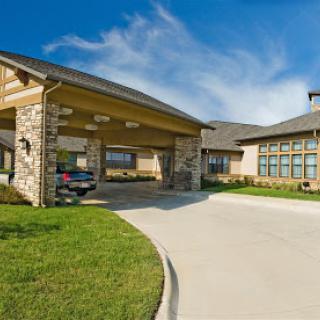
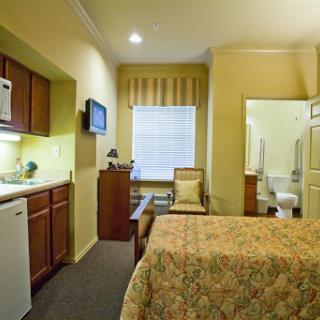
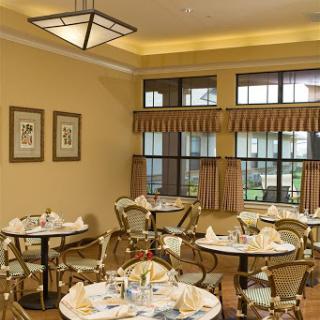
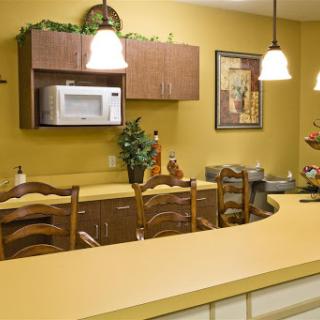
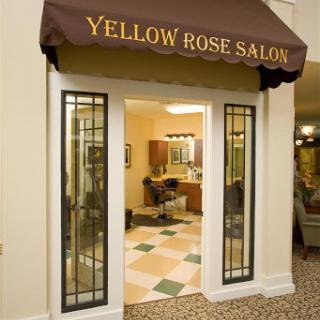
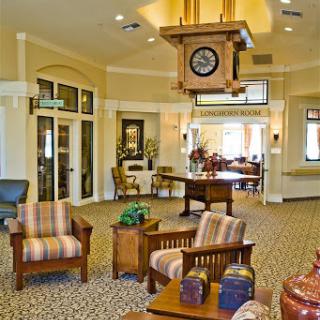
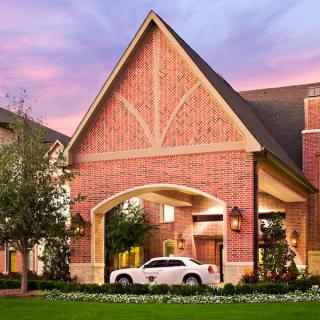
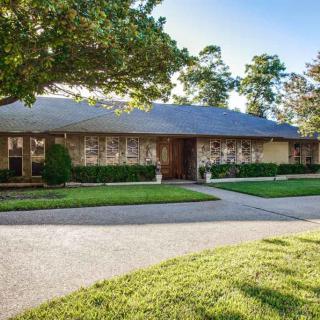
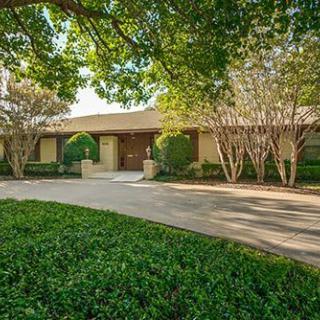
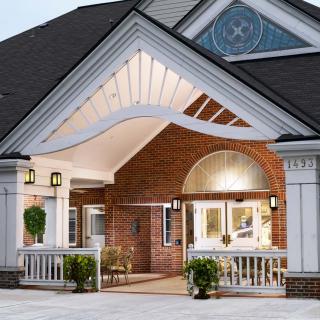
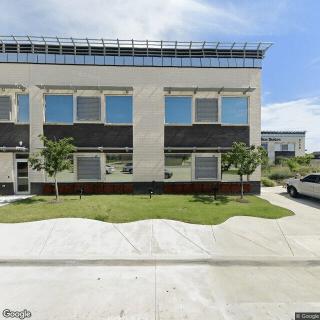
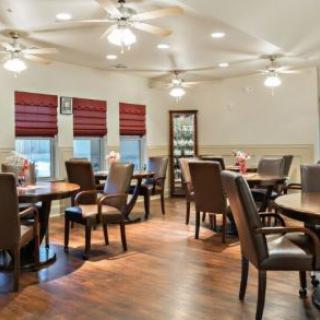
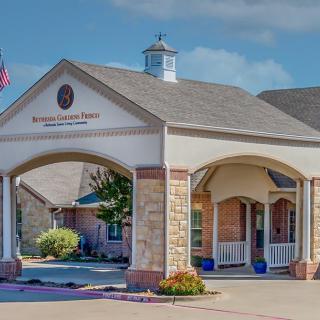
Prairie Estates on seniors.fyi includes 11 photos including images showing interior, decor, lighting, bedroom, kitchenette, windows, building, salon, and more.
Nearby Communities
Mustang Creek Estates Frisco House - C & D
Frisco, TX
4 from 58 reviews
Homelike memory care with 24/7 supervision and tailored programming.
Mustang Creek Estates Frisco
Frisco, TX
3.9 from 109 reviews
$3,550 / month
Friendly, compassionate staff in a clean, welcoming environment with engaging activities.
Home Helpers Home Care of Frisco, TX
Frisco, TX
5 from 16 reviews
Strong access to healthcare, dining, and local amenities
Frisco Lakes
Frisco, TX
On-site meal service and medication management, plus strong nearby amenities (parks, pharmacies, hospitals) and good connectivity.
Huntleigh Care Homes Cedar Creek
Frisco, TX
4.6 from 30 reviews
Small 7-bed community with comprehensive care (24/7 supervision, ADLs, meds, meals, transport).
Private pay home care offers a flexible caregiving option for older adults and families who don't qualify for government programs, allowing them to directly fund in-home care services that range from daily assistance to specialized support. This model's customization potential enables aging in place while addressing financial considerations through strategic planning options, though clients must navigate marketplace challenges and ensure quality compliance.
Arthritis encompasses over 100 joint disorders affecting people of all ages, leading to symptoms like pain and stiffness that impair mobility and quality of life. Effective management involves early diagnosis, lifestyle changes, medical treatments, emotional support, and ongoing monitoring with healthcare professionals.
The article highlights the high risk of falls among older adults due to factors like muscle weakness, vision issues, and environmental hazards, with one in four experiencing a fall annually. It advocates for a comprehensive prevention approach that includes exercise, home safety modifications, medication management, social support, and caregiver involvement.
Get PricingAsk A QuestionSchedule A TourContact Senior Advisor
By clicking submit, you agree to our Partner's Terms of Use. You
also consent to receive calls and texts, which may be autodialed, from our Partner. Your consent is not a condition to
using our Partner's service. Please visit our Partner's Privacy Policy for information about their privacy practices.



 180 resident community capacity
 Skilled Nursing Facility
 Activities off-site
 Air-conditioning
 Bath tubs
 Beautician on-site
 Cable or satellite TV
 Computer center
 Devotional services off-site
 Dining room
 Fitness room
 Fully furnished
 Gaming room
 Garden
 Housekeeping services
 Indoor common areas
 Kitchenette
 Move-in coordination
 Outdoor common areas
 Private
 Private bathrooms
 Respite or short term stays offered
 Restaurant-style dining
 Small library
 Telephone
 Wellness center
 Wheelchair accessible showers
 Wi-Fi/high-speed internet available
 Dallas-Fort Worth International (20 miles away)
 Community operated transportation
 12-16 hour nursing
 24-hour call system
 Ambulatory care
 Assistance with bathing
 Assistance with dressing
 Assistance with transfers
 Diabetes diet
 High acuity care
 Medication management
 Mental wellness program
 Special dietary restrictions
 Concierge services
 Planned day trips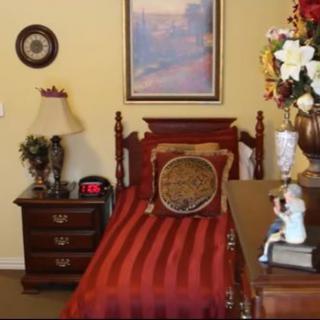
 Homelike memory care with 24/7 supervision and tailored programming.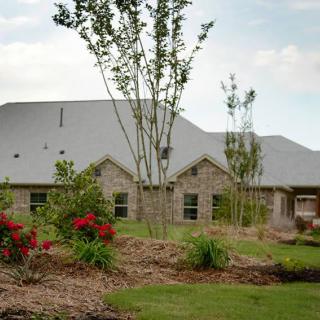



 A Closer Look at Private Pay Home Care
 Comprehensive Approaches for Arthritis: A Detailed Guide to Symptoms, Causes, and Care
 Comprehensive Insights and Practical Strategies to Help Older Adults Avoid Falls