
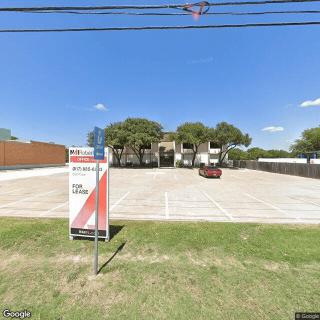
4220 Wells Drive, Lake Worth, TX 76135
For more information about senior living options: (866) 208-4318
Overall Review of Lake Worth Nursing Home
Pros
 The staff are described as good people.
- Caring for the residents at this facility has been extremely rewarding for the nursing staff.
- The facility is described as a gem and functions as a unit.
- The staff are friendly and the facility is nice.
Cons
 The reviewer notes the facility’s phone number is nonworking and the listed hours indicate they’re only open on Wednesdays, causing communication problems.
- They say when the grandmother fell, staff acted unaware and no one checked what happened or looked at the cameras.
- The reviewer describes zero communication from the facility during the father’s stay, with calls to transfer him going unanswered.
- They observe a rapid decline in the father’s health after admission, despite him being coherent before.
- The facility’s social worker situation is chaotic, with claims of no social worker, then a new one who’s supposedly too busy or on vacation.
- They warn others not to send loved ones there, calling the place a nightmare and describing it as horrendous with overcrowding and no therapy.
Review
Lake Worth Nursing Home in Lake Worth, TX is best suited for residents who require skilled nursing care and whose families are prepared to be highly engaged advocates. The nursing staff can provide competent care and the facility tends to operate as a cohesive unit, with caregivers who appear genuinely committed to residents on the floor. For families with the bandwidth to monitor day-to-day care, coordinate with multiple shifts, and press for answers, this setting can deliver essential services when other supports are unavailable. However, the overall picture is uneven: strong clinical care exists alongside a fragile management and communication framework that can leave families feeling left out or out of the loop. This is not a passive-handover facility; it requires vigilance.
Those seeking a different experience, especially families prioritizing transparent, consistent communication and predictable responsiveness, will want to consider alternatives. The most reliable places will have stable social work support, clear contact protocols, and timely updates about changes in condition or care plans. Smaller, more resident-focused communities or facilities with integrated therapy and daily activity programming may better meet expectations for involvement and engagement. For residents who prefer assisted living with some medical supports, a setting that blends independence with readily available care could fit better than a traditional SNF model here. In short, this is a high-touch care environment that may spark frustration if administrative mechanisms fail to stay aligned with resident needs.
On the upside, there is genuine nursing dedication. Staff interactions can be friendly, and the care team is described as capable in handling medical needs and psychiatric considerations when staff are able to communicate effectively with families. The facility’s unit-style approach can support coordinated care when the right people are in place. Yet the core drawbacks overshadow these positives. Recurrent communication gaps, nonworking phones, inconsistent hours, and repeatedly unanswered calls, make timely updates and care coordination unreliable. Safety concerns emerge from reported falls and the allegation that responses were delayed or mismanaged. Administrative instability, claims of rotating social workers and delays in arranging transfers, erodes trust and undermines continuity of care. In combination, these factors threaten resident well-being more than any potential clinical strength offsets.
Families facing this decision should demand a structured, proactive information flow before any commitment. Action steps include scheduling a meeting with the administrator and director of nursing, requesting a current incident and progress-log review, and obtaining direct lines of communication with the charge nurse and social worker. Verify that family callbacks are reliably answered, and test the process for requesting transfers or urgent medical updates. Seek written policy on falls, wound care, and infection control, and ask to see state inspection records and any recent survey deficiencies. Tour rooms to assess overcrowding (e.g., five residents per room) and dining quality, and observe therapy or activity programming firsthand. These checks separate perception from reality and reveal whether improvements have truly taken hold.
When evaluating alternatives, prioritize facilities with demonstrated consistency in communication and governance. Look for stable leadership, a dependable social work presence, and clear pathways for care planning and family involvement. Confirm that therapy services, physical, occupational, and speech, are readily available and included in the admission plan if needed. Compare meal quality, cleanliness, and activity calendars. For families exploring assisted living options, seek communities that provide a continuum of care with transparent pricing and straightforward transition processes to skilled nursing if the need arises. Accreditation, state ratings, and recent inspection outcomes should influence the decision, particularly if safety and accountability concerns feature prominently in any candidate's feedback.
Bottom line: Lake Worth Nursing Home presents a mixed proposition that tilts toward caution. It may be considered only for residents whose families are prepared to exert constant oversight, actively advocate for timely communication, and demand high standards of safety and care. Without demonstrable improvements in responsiveness, incident follow-up, and care coordination, the risks outweigh the potential benefits of clinical capability. Families should treat this as a red-flag option requiring thorough due diligence, not a default choice. By conducting careful interviews, affordability checks, and rigorous facility visits, the decision can move toward a setting that aligns with safety, accountability, and genuine resident-centered care.
 109 resident community capacity
 Skilled Nursing Facility
 Air-conditioning
 Beauty salon
 Cable or satellite TV
 Computer center
 Dining room
 Fitness room
 Fully furnished
 Gaming room
 Garden
 Housekeeping services
 Kitchenette
 Move-in coordination
 Outdoor space
 Private bathrooms
 Restaurant-style dining
 Small library
 Telephone
 Wellness center
 Wi-Fi/high-speed internet available
 Dallas-Fort Worth International (24 miles away)
 Community operated transportation
 12-16 hour nursing
 24-hour call system
 Activities of daily living assistance
 Assistance with bathing
 Assistance with dressing
 Assistance with transfers
 Diabetes diet
 Medication management
 Mental wellness program
 Special dietary restrictions
 Concierge services
 Planned day trips

 Essential Knowledge on Pneumonia in Older Adults
 Exploring Palliative Care in the Home: A Comprehensive Overview
 Comprehensive Insights into Palliative Home Care: What It Is and What to Expect