

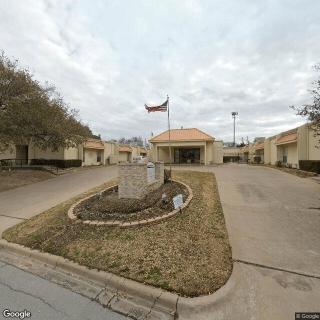
8224 White Settlement Rd Suite 105, Fort Worth, TX 76108
To contact a resident: (817) 246-9990
For more information about senior living options: (866) 208-4318
Overall Review of Texas ALZ-Helpers, Inc
Pros
 The staff are very helpful.
- Volunteering with this organization used to be amazing.
- The staff are friendly and helpful.
- The staff are very friendly and compassionate, and they are helpful in many ways.
- The staff are caring and well informed; they are great people on an important mission.
Cons
 JPerales does not reach out to volunteers as previous coordinators did.
- Church members have repeatedly tried to engage, but they do not receive timely responses, and in some cases receive no response at all.
- It is discouraging for volunteers when requests to help are made but little to no response is provided.
Review
Texas ALZ-Helpers, Inc., Fort Worth, TX, is best suited for families facing Alzheimer's who need a practical, hands-on partner to navigate a complex landscape of care options. This organization shines as an information hub and coordination point, where caregivers can get direction on programs, services, and community resources without wading through scattered sources. It is particularly valuable for those who want to mobilize volunteers, connect with faith communities, and build a supportive network around a loved one living with dementia. The emphasis is on guiding families through the process with clarity and credible referrals rather than delivering in-house clinical care. Those seeking direct, on-site memory care or assisted living services should consider alternatives.
The strongest positives center on the people who staff the operation. Reviews describe the team as very friendly, compassionate, and well-informed, serving as the go-to contact point for information and resources. That personal warmth translates into tangible caregiver benefits: quicker access to programs, clearer referrals to specialists, and practical guidance on next steps in care planning. The organization also carries a long-standing, credible volunteer history, with volunteers reporting meaningful involvement for over a decade. This depth of community engagement matters because it underpins a robust network families can lean on when navigating dementia care.
Yet the main drawback visible in the feedback is inconsistent volunteer outreach. A specific coordinator, highlighted by volunteers, appears not to reach out with the same cadence or responsiveness as in past years. Multiple church volunteers describe repeated attempts to engage without timely responses, or in some cases no response at all. That friction matters, because for families relying on volunteer-driven support, unreliable communication can erode trust and disrupt planning. The overall rating remains strong, but this gap in volunteer coordination stands out as a material limitation.
How the favorable elements weigh against the drawbacks is crucial for decision-making. The high-quality, knowledgeable staff and the dependable resource network compensate for the patchy volunteer outreach to a meaningful extent. For families seeking a steady, credible guidance channel, the benefits reduce the risk of missteps in care planning and help connect to appropriate services efficiently. However, for those who prize a consistently proactive volunteer pipeline, where outreach, recruitment, and follow-through are expected as a routine, the experience may feel topsy-turvy. In practice, leveraging the staff as the primary contact and setting explicit expectations for volunteer engagement can mitigate the weakness, but the fault line remains visible.
Prospective users should approach with practical expectations and a clear plan. Start by designating a single staff contact for resource guidance, and request written confirmations of referrals and next-step actions. Inquire about typical volunteer response times and ask for escalation paths if outreach stalls. Seek a calendar of upcoming events, trainings, or informational sessions that can be plugged into the caregiving routine. If volunteer-driven support is central to the plan, ask for a defined point of accountability and consider parallel avenues, other local organizations or faith-based groups with more explicit volunteer coordination, to complement the information and referrals provided here.
Bottom line: Texas ALZ-Helpers is a solid, results-oriented ally for families needing practical guidance and credible staff who can connect them to essential resources. It earns strong consideration as an information hub and community network that reduces care-planning uncertainty. The chief caveat is inconsistent volunteer outreach, which can matter for families counting on volunteer involvement. If a steady volunteer channel or direct, in-home care coordination is a priority, exploring alternatives with clearer volunteer management or direct care offerings is prudent. For Fort Worth families intent on a pragmatic, experienced partner to navigate Alzheimer's resources, this organization stands up well and warrants engagement with clear expectations set from the outset.








 Powerful Realities of Elder Abuse and the Most Effective Ways to Report It
 Ten Vital Duties of a Senior Caregiver: A Comprehensive Guide
 9 Stimulating Memory Activities for Seniors: Puzzles, Cards, and Much More