Franklin Heights Nursing & Rehabilitation

Save

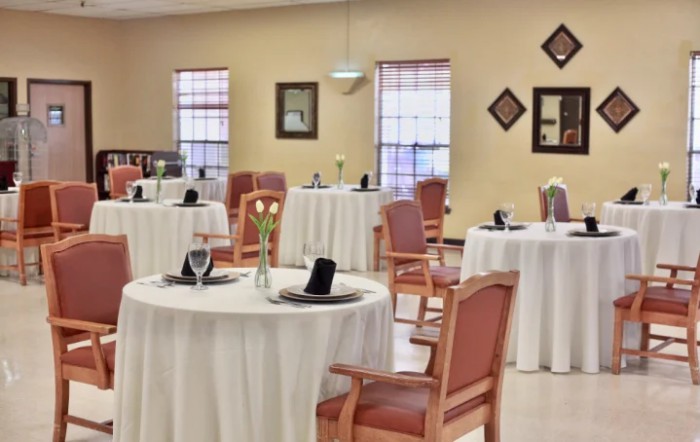
  • Interior

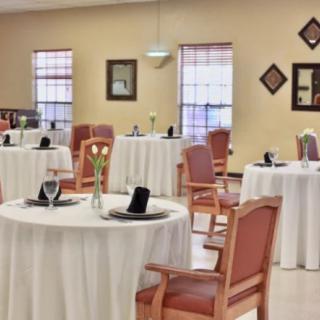
    A neatly arranged dining room with round tables and wooden chairs.
  • Decor

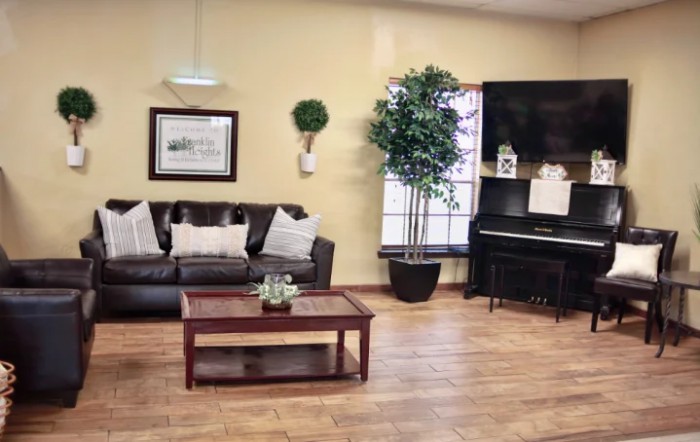
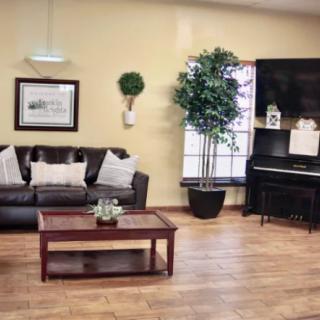
    A cozy living room with a sofa, coffee table, piano, and a television, accented by indoor plants and wood flooring.
  • Building

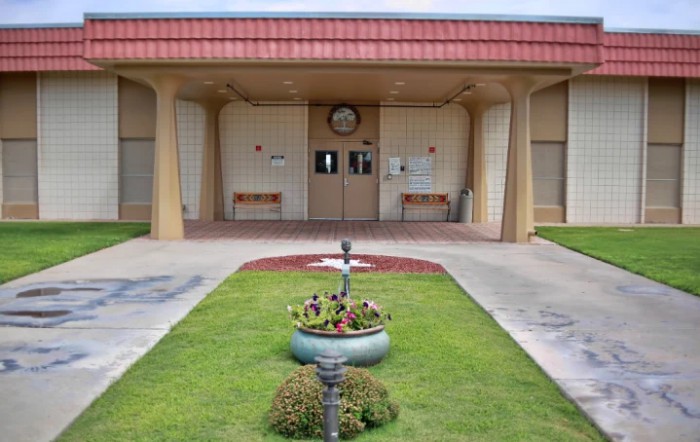
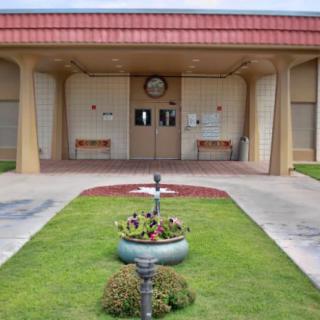
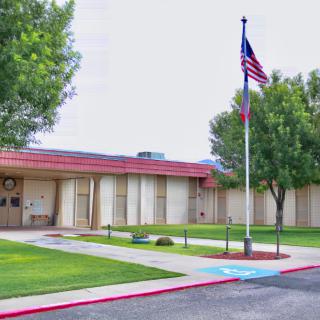
    A building entrance with a landscaped lawn and a small fountain at the center.
  • Bedroom

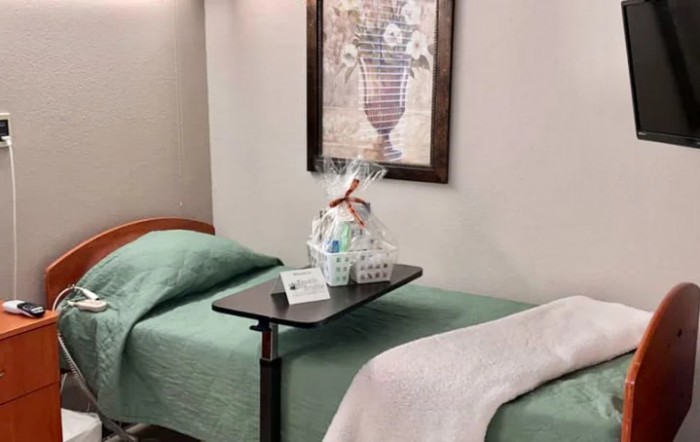
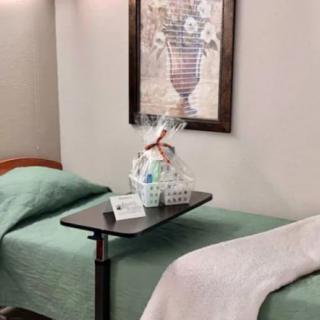
    A hospital room with a bed, a gift basket on a tray table, and a painting on the wall.
  • Artwork

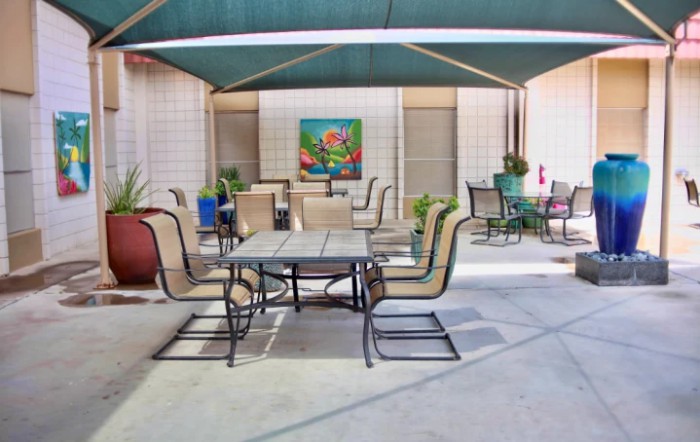
    An outdoor patio area with tables, chairs, and potted plants under a shade canopy.
  • Exercise Equipment

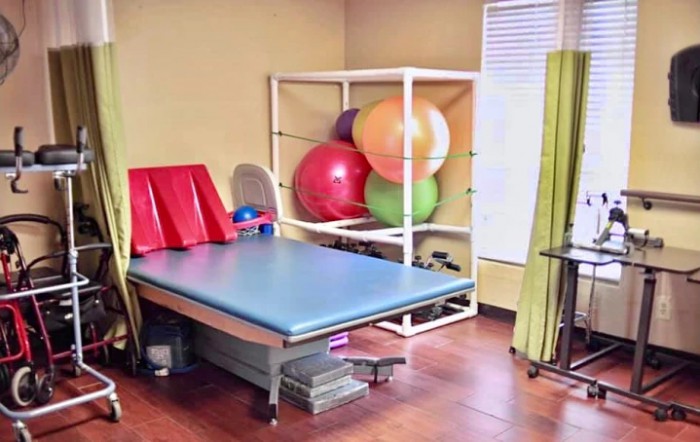
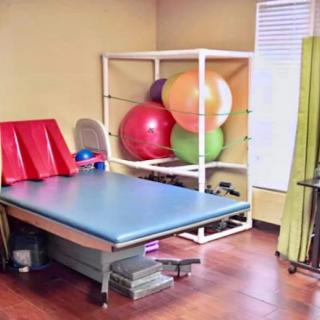
    A physical therapy room equipped with exercise balls and a treatment table.

Franklin Heights Nursing & Rehabilitation

223 South Resler, El Paso, TX 79912

For more information about senior living options: (844) 490-3973

3.9 from 100 reviews
5 stars
69
4 stars
4
3 stars
0
2 stars
0
1 stars
27

Skilled Nursing Facility

Overall Review of Franklin Heights Nursing & Rehabilitation

Pros

  • pro The staff are great, caring and amazing, with a friendly environment and wonderful patient care.
  • pro The staff were great and received 5-star praise from visitors.
  • pro The mother has been a resident for two years and is being cared for very well.
  • pro The entire staff is friendly, helpful and responsive.
  • pro Danielle and Vivicilora were among the few staff members who were kind to the family.
  • pro The nurses and staff are super courteous and keep families informed; they take great care of residents.
  • pro Excellent service and hospitality; the facility comes highly recommended.

Cons

  • pro The facility allegedly lied to patients and could not be trusted.
  • pro There was extensive negligence, with residents found in soiled clothing and unattended, including unsecured medical tubes.
  • pro CNAs and nurses were reported to ignore residents, with response times exceeding 50 minutes.
  • pro Therapies and overall medical care were described as poor, sporadic, and uncaring.
  • pro The environment was bleak and unwelcoming, lacking decor, visitor comfort, and meaningful activities.
  • pro The food was described as horrible and nutritionally inadequate.
  • pro There were reports of theft, patient-on-patient aggression, and verbal abuse by staff.
  • pro There were serious concerns about improper discharges, dehydration, and general medical mismanagement; administration was viewed as slow and unconcerned.
  • pro Some reviews alleged the facility posted fake positive reviews to mask underlying problems.

Review

Franklin Heights Nursing Facility appears in these accounts as a place that evokes a wide spectrum of experiences, from genuine appreciation for caring staff to grave concerns about neglect and systemic shortcomings. The reviews collectively paint a picture of a facility where, on some days, families feel their loved ones are in capable hands and receive attentive, compassionate care, and on other days they fear that care is inconsistent, delayed, or even dangerously inadequate. The memories span short visits and long stays, rehab efforts and end-of-life care, with many voices speaking from personal, sometimes painful, moments.

Several reviewers praise the staff in unmistakable terms. They describe the team as "great, caring and amazing," with a "friendly environment" and "wonderful patient care." In these voices, the nurses and aides are seen as responsive, communicative, and sincerely invested in the wellbeing of residents. One family member spoke of the staff as "super courteous and keep us informed," while another described the nursing team as "going above and beyond taking care of my family." There are mentions of individual staff members who stood out for their kindness, and some families express gratitude for the level of care provided over a longer period, noting that their loved ones were well cared for in the day-to-day sense and that the facility helped their relatives thrive in the moment.

Yet the reviews also relay deeply troubling experiences that raise serious concerns about staffing, monitoring, and overall quality of life for residents. A recurring narrative centers on fear: extended wait times for assistance, with one account specifying delays of more than 45 minutes or more to respond to call lights, and others recounting days when patients were left unattended or looked after inadequately. Specific episodes are described in detail - bedsores worsening, a patient with a feeding tube left unmonitored, clothes going missing, and a dining room or common areas where residents wandered or were observed to be neglected. In one painful account, a family member describes a father who was repeatedly unable to move or communicate and eventually needed hospice care after a precipitous decline that the family associates with inadequate monitoring and care. There are also allegations of poor therapies, interventions that seemed sporadic or driven more by administrative concerns than patient needs, and a sense that some staff members had an attitude that did not convey empathy or attentiveness.

Tensions surrounding governance and oversight appear in several reviews. One respondent explicitly states that many positive reviews are "faked by employees," urging readers to recognize the possibility of bias in online feedback. Others point to systemic issues such as staffing shortages, inconsistent leadership, and a perception that the administration is slow to respond to problems or lacks genuine concern for residents' welfare. There are also accusations of mistreatment and abuse of residents by both staff and other patients, including alleged verbal abuse, punitive starvation of wandering residents, and theft of personal items, with at least one review noting a loss of a veterans affairs contract for significant reasons. These claims contribute to a sense of distrust and fear about the safety and dignity of residents.

Still, not all feedback follows the same arc. Some families report positive, even heartening, experiences over the long term. A reviewer describes a family member's two-year residency with very good care, while another notes that rehab for a parent and ongoing nursing care were "amazing" and that the staff were "truly exceptional." In those narratives, the facility is seen as a stable place where residents receive consistent attention, and where loved ones are kept informed about changes in care or health status. There is acknowledgment that, even within a difficult environment, a small number of staff members consistently rise to the challenge and demonstrate dedication to patient wellbeing.

The most recent and emotionally intense experiences reflect a journey from trust to disappointment. One account recounts a patient who was evacuated to the hospital after a severe dehydration episode and who later survived a frightening sequence involving an alleged improper discharge by a physician at the facility, an event that led the family to conclude that the facility sometimes fails to prioritize patient safety and medical judgment. In this narrative, the family felt compelled to seek other options for care and expressed a strong recommendation to consider alternatives to rehab or long-term care at Franklin Heights. Collectively, these personal histories emphasize the complexity of care in a setting like this: moments of genuine compassion and competence interwoven with episodes that prompt serious concern about patient safety, adequate staffing, and respectful treatment.

Taken together, the reviews present a complex portrait of Franklin Heights: a facility capable of delivering warmth, attentiveness, and meaningful support to some residents and families, yet simultaneously plagued by reports of neglect, communication gaps, insufficient staffing, and troubling incidents that severely affect others. The array of experiences suggests that families considering this facility should prepare for both possibilities. If you have a loved one there, many reviewers counsel vigilance and proactive involvement - regular visits, asking detailed questions of the care team, and insisting on timely responses and thorough monitoring. For some families, the care they received was a lifeline; for others, it was a stark reminder of the fragility of elderly care and the essential need for consistent, compassionate, and competent oversight. In any case, the stories emphasize the importance of advocacy, transparency, and ongoing communication between staff, residents, and families in navigating the realities of long-term care.

Features

Housing

  • 132 resident community capacity 132 resident community capacity

Types of Care

  • Skilled Nursing Facility Skilled Nursing FacilitySkilled Nursing Facilities are crucial for seniors as they provide round-the-clock medical care, rehabilitation services, and assistance with daily activities. These facilities ensure that seniors receive the specialized care they need to maintain their health and well-being as they age.

Amenities

  • Air-conditioning Air-conditioningAir conditioning is important for seniors as they are more vulnerable to heat-related illnesses and may have underlying health conditions that make it difficult for them to regulate their body temperature. It helps to keep them comfortable, safe, and healthy in hot weather.
  • Beauty salon Beauty salonBeauty salons are important for seniors because they provide a space for them to feel pampered, socialize, and maintain their personal grooming and hygiene. Regular visits to a beauty salon can help boost seniors' self-esteem and overall well-being.
  • Cable or satellite TV Cable or satellite TVCable or satellite TV is important for seniors because it provides entertainment, news, and companionship, helping to combat loneliness and boredom. It also offers a wide range of programming options tailored to different interests and preferences.
  • Computer center Computer centerA computer center is essential for seniors as it provides access to technology, communication tools, and resources that can enhance their daily lives. It allows them to stay connected with loved ones, engage in online activities, and learn new skills, ultimately promoting socialization and mental stimulation.
  • Dining room Dining roomDining rooms are important for seniors as they provide a space for socialization, connection, and nutritious meals. They offer opportunities for residents to bond over shared meals, foster a sense of community, and promote healthy eating habits. Dining rooms also ensure that seniors have access to well-balanced meals tailored to their dietary needs and preferences.
  • Fitness room Fitness roomHaving a fitness room in a senior living community is essential for seniors to stay active, maintain their physical health, and improve their overall well-being. Regular exercise can help prevent falls, reduce the risk of chronic diseases, and promote mental sharpness. It also provides social opportunities for residents to connect with others and enjoy a sense of community.
  • Fully furnished Fully furnishedFully furnished senior living communities are important for seniors because they provide convenience, comfort, and a hassle-free moving experience. Seniors can easily settle into their new living space without the stress of having to buy and move furniture. This allows them to focus on enjoying their new home and community.
  • Gaming room Gaming roomGaming rooms are important for seniors as they provide a fun and engaging environment for socializing, cognitive stimulation, and physical activity. Games can improve memory, problem-solving skills, and overall mental well-being while fostering friendships and reducing feelings of isolation.
  • Garden GardenGardens are important for seniors as they provide a peaceful and therapeutic environment for relaxation, physical activity, and socialization. Being in nature has been shown to reduce stress, improve mood, and promote overall well-being. Gardens also offer opportunities for seniors to engage in gardening activities, which can improve mobility, flexibility, and cognitive function. Additionally, gardens create a sense of community and connection with others who share a passion for plants and outdoor spaces.
  • Housekeeping services Housekeeping servicesHousekeeping services are important for seniors because they help maintain a clean and safe living environment, promote independence, and reduce the risk of accidents or illnesses. Additionally, having assistance with household chores can alleviate physical strain and allow seniors to focus on other aspects of their well-being.
  • Kitchenette KitchenetteKitchenettes are important for seniors living in senior living communities because they provide the convenience and independence of being able to prepare simple meals and snacks in the comfort of their own living space. This can help promote a sense of autonomy and well-being for seniors, allowing them to maintain some level of control over their dietary choices and daily routines.
  • Move-in coordination Move-in coordinationMove-in coordination is important for seniors because it helps ease the transition into their new living environment. It ensures that all logistics, such as packing, organizing movers, and setting up utilities are taken care of, allowing seniors to focus on settling in and adjusting to their new home. Having a smooth move-in process can alleviate stress and anxiety, making the transition smoother and more enjoyable for seniors.
  • Outdoor space Outdoor spaceOutdoor spaces are important for seniors as they provide opportunities for physical activity, social interaction, exposure to natural light and fresh air, and a sense of connection to nature. Having access to outdoor spaces can improve overall well-being and quality of life for older adults living in senior communities.
  • Private bathrooms Private bathroomsPrivate bathrooms are important for seniors in senior living communities because they provide independence, dignity, and comfort. Having a private bathroom allows seniors to maintain their personal hygiene routines without the need for assistance, promoting a sense of autonomy and privacy. Additionally, private bathrooms help prevent the spread of infections and provide a safe and clean environment for seniors to navigate safely.
  • Restaurant-style dining Restaurant-style diningRestaurant-style dining is important for seniors because it allows them to enjoy delicious, nutritious meals in a social and upscale setting. This enhances their dining experience, promotes healthy eating habits, and fosters socialization with fellow residents, ultimately contributing to their overall well-being and quality of life.
  • Small library Small librarySmall libraries are important for seniors as they provide access to a variety of reading materials, including books, newspapers, and magazines. This can help stimulate their minds, keep them engaged, and provide a sense of community through book clubs and other social activities. Additionally, reading has been shown to improve cognitive function and overall mental well-being in older adults.
  • Telephone TelephoneTelephones are important for seniors as they provide a lifeline for communication with loved ones, emergency services, and healthcare providers. They offer a sense of security and independence, enabling seniors to stay connected and access assistance when needed.
  • Wellness center Wellness centerWellness centers are important for seniors because they offer a variety of programs and services that promote physical, mental, and emotional well-being. These centers provide opportunities for exercise, socialization, education, and relaxation, helping seniors maintain their overall health and quality of life.
  • Wi-Fi/high-speed internet available Wi-Fi/high-speed internet availableWi-Fi/high-speed internet is important for seniors to stay connected with loved ones, access online resources, and participate in virtual activities to combat feelings of loneliness and isolation. It also allows them to easily manage healthcare needs, access entertainment, and engage in lifelong learning opportunities.

Transportation

  • El Paso International (10 miles away) El Paso International (10 miles away)
  • Community operated transportation Community operated transportationCommunity operated transportation is crucial for seniors as it provides them with the means to access essential services, social activities, and medical appointments. It allows seniors to maintain their independence and quality of life by ensuring they can participate in activities outside of their homes. Additionally, community-operated transportation services offer a safe and reliable way for seniors to travel without having to rely on family or friends for assistance.
  • Transportation arrangement Transportation arrangementTransportation arrangements are crucial for seniors as they may face challenges with driving, mobility, or access to public transportation. Having reliable transportation services ensures that seniors can easily attend appointments, social activities, and maintain their independence and quality of life.
  • Transportation arrangement (non-medical) Transportation arrangement (non-medical)Transportation arrangements are essential for seniors as they provide access to essential services, activities, and social interactions outside the home. This service helps maintain independence, mobility, and overall well-being for seniors who may have limited transportation options.
  • Transportation to doctors appointments Transportation to doctors appointmentsTransportation to doctors appointments is crucial for seniors as it ensures they have access to necessary medical care and support, promoting their health and well-being. It allows them to receive timely treatment, monitor existing conditions, and address any new health concerns efficiently. Additionally, transportation services can help seniors maintain their independence and quality of life by enabling them to stay connected with their healthcare providers.

Care Services

  • 12-16 hour nursing 12-16 hour nursing12-16 hour nursing care is crucial for seniors in order to ensure around-the-clock monitoring, timely medication administration, and prompt response to any health concerns or emergencies. This level of care helps to promote the overall well-being and safety of seniors living in senior living communities.
  • 24-hour call system 24-hour call system24-hour call systems are important for seniors because they provide peace of mind and immediate assistance in case of emergencies. This technology ensures that help is always available, promoting safety and security for elderly individuals living alone or in assisted living facilities.
  • 24-hour supervision 24-hour supervision24-hour supervision is important for seniors to ensure their safety, well-being, and access to immediate assistance in case of emergencies or health issues. This constant support provides peace of mind for both seniors and their loved ones, allowing them to age in place with dignity and security.
  • Activities of daily living assistance Activities of daily living assistanceActivities of daily living assistance are important for seniors because they provide essential support with tasks such as eating, bathing, dressing, and mobility. This assistance helps seniors maintain their independence, dignity, and overall quality of life as they age.
  • Assistance with bathing Assistance with bathingAssistance with bathing is crucial for seniors as it helps maintain personal hygiene, prevents infections, and ensures their overall well-being and comfort. It also provides a sense of dignity and independence for seniors who may struggle with this task on their own.
  • Assistance with dressing Assistance with dressingAssistance with dressing is important for seniors because it helps maintain their independence, promotes personal hygiene, prevents accidents and injuries, and improves overall quality of life. This service ensures that seniors can continue to dress comfortably and confidently, despite any physical limitations they may have.
  • Assistance with transfers Assistance with transfersAssistance with transfers is crucial for seniors as it helps prevent falls and injuries, maintains their independence, and ensures they can safely navigate their living environment. It also provides peace of mind for both seniors and their loved ones.
  • Diabetes diet Diabetes dietA diabetes diet is crucial for seniors as it helps manage blood sugar levels, reduce risks of complications, and improve overall health and well-being. By following a balanced and nutritious diet tailored to their specific needs, seniors can better control their diabetes and enhance their quality of life.
  • Meal preparation and service Meal preparation and serviceMeal preparation and service are crucial for seniors as they may have limited mobility or energy to cook nutritious meals. Having access to healthy and convenient food options can ensure they are getting the proper nutrition needed to maintain their overall health and well-being.
  • Medication management Medication managementMedication management is crucial for seniors to ensure they are taking the right medications at the correct dosages and times. This helps prevent adverse drug interactions, reduces the risk of medication errors, and promotes overall health and well-being. Proactive management also allows for adjustments as needed based on changing health conditions or new prescriptions.
  • Mental wellness program Mental wellness programMental wellness programs are essential for seniors as they promote cognitive stimulation, emotional support, and social engagement. These programs help prevent isolation, depression, and cognitive decline, ultimately enhancing the overall quality of life for older adults.
  • Special dietary restrictions Special dietary restrictionsSpecial dietary restrictions are important for seniors because age-related changes in metabolism and health conditions can make it difficult for their bodies to process certain foods. By following a diet tailored to their specific needs, seniors can maintain their overall health and well-being, manage chronic conditions, and reduce the risk of complications such as malnutrition or food interactions with medications.

Dining

  • Diabetes diet Diabetes dietA diabetes diet is crucial for seniors as it helps manage blood sugar levels, reduce risks of complications, and improve overall health and well-being. By following a balanced and nutritious diet tailored to their specific needs, seniors can better control their diabetes and enhance their quality of life.
  • Special dietary restrictions Special dietary restrictionsSpecial dietary restrictions are important for seniors because age-related changes in metabolism and health conditions can make it difficult for their bodies to process certain foods. By following a diet tailored to their specific needs, seniors can maintain their overall health and well-being, manage chronic conditions, and reduce the risk of complications such as malnutrition or food interactions with medications.

Activities

  • Community-sponsored activities Community-sponsored activitiesCommunity-sponsored activities are important for seniors as they provide opportunities for social interaction, mental stimulation, and physical activity. These activities can help improve overall well-being, combat loneliness and isolation, and promote a sense of belonging and purpose among older adults.
  • Concierge services Concierge servicesConcierge services are essential for seniors as they provide assistance with daily tasks and errands, enhance their quality of life by offering convenience and personalized care, and promote a sense of safety and security.
  • Fitness programs Fitness programsFitness programs are crucial for seniors as they help improve strength, flexibility, balance, and overall well-being. Staying active can reduce the risk of chronic diseases, improve mental health, and enhance quality of life in older adults.
  • Planned day trips Planned day tripsPlanned day trips are important for seniors because they offer opportunities for socialization, mental stimulation, and physical activity. They provide a change of scenery and help seniors stay engaged and connected to their community, promoting overall well-being and quality of life.
  • Resident-run activities Resident-run activitiesResident-run activities are important for seniors as they encourage social interaction, creativity, and a sense of autonomy. These activities empower seniors to stay engaged and active in their community while fostering meaningful connections with their peers.
  • Scheduled daily activities Scheduled daily activitiesScheduled daily activities are important for seniors because they provide structure, socialization, mental stimulation, and physical activity. Engaging in regular activities can improve overall well-being and quality of life for seniors living in a community setting.

Description

Franklin Heights Nursing & Rehabilitation is a premier assisted living community located in El Paso, TX. Our community offers a wide range of amenities and care services designed to enhance the quality of life for our residents.

Our spacious and comfortable apartments are fully furnished and feature private bathrooms, allowing our residents to enjoy their own personal space. Each apartment is equipped with cable or satellite TV and Wi-Fi/high-speed internet access, ensuring that residents stay connected and entertained.

We understand the importance of maintaining an active lifestyle, which is why we offer a variety of recreational facilities and activities. Residents can take advantage of our fitness room, gaming room, garden, small library, and outdoor space. Our wellness center provides opportunities for physical exercise as well as mental wellness programs to support overall well-being.

Dining at Franklin Heights is a delightful experience with our restaurant-style dining serving delicious meals prepared by our experienced culinary team. We accommodate special dietary restrictions to ensure that each resident's nutritional needs are met.

Our dedicated staff provides 24-hour supervision and assistance with daily activities such as bathing, dressing, and transfers. Medication management services are also available to ensure that residents receive the proper medications at the right time.

Transportation is made easy with our community-operated transportation service that arranges non-medical transportation for residents. We also provide transportation to doctors' appointments for added convenience.

Located in a vibrant neighborhood, Franklin Heights offers easy access to nearby amenities including cafes, parks, pharmacies, physicians' offices, restaurants, and theaters. Residents can enjoy planned day trips as well as resident-run activities organized by our concierge services.

At Franklin Heights Nursing & Rehabilitation in El Paso, TX, we strive to create a warm and welcoming environment where seniors can thrive and enjoy their golden years with peace of mind knowing that they are well taken care of.

Nearby Places of Interest

Theaters

  • Cinemark (0.7 miles)

Restaurants

  • Chick-Fil-A (0.9 miles)
  • P.F. Chang's China Bistro (1.1 miles)
  • McDonald's (1.2 miles)
  • Don Carbón Sunland Park (1.3 miles)
  • McDonald's (1.4 miles)
  • Taco Bell (1.4 miles)
  • Thyme Matters (1.5 miles)

Parks

  • Crestmont Park (1.1 miles)
  • Chihuahuita Park (6.8 miles)
  • Parque Chamizal (7.8 miles)

Physicians

  • El Paso Pediatric Associates (1.3 miles)
  • Mt West Family Health Center (1.3 miles)
  • Westside Family Medicine (2 miles)
  • Upper Valley Urgent Care Center (2.8 miles)
  • El Paso Cardiology Associates (3.4 miles)
  • Rio Vista Behavioral Health Hospital (3.6 miles)
  • Westside Pediatric Night Clinic (4.1 miles)

Cafes

  • Starbucks (1.3 miles)
  • Starbucks (2.7 miles)
  • Teapioca Lounge (2.8 miles)
  • Dutch Bros Coffee (3.8 miles)
  • Starbucks (5 miles)
  • District Coffee (6.4 miles)
  • L & J Cafe (7 miles)

Pharmacies

  • Walgreens (1.5 miles)
  • Walgreens (1.7 miles)
  • Walgreens (1.8 miles)
  • Farmacias de Similares (3.9 miles)
  • Walgreens (4.7 miles)
  • Walgreens (6.3 miles)
  • CVS Pharmacy (6.4 miles)

Hospitals

  • The Hospitals of Providence Transmountain Campus (5 miles)
  • Providence Memorial Hospital (5.2 miles)
  • Sierra Medical Center (5.6 miles)
  • Texas Tech Medical Center (8.1 miles)
  • University Medical Center of El Paso (8.1 miles)
  • El Paso Children's Hospital (8.1 miles)
  • Nucleo Hospitalario Med (8.3 miles)

Places of Worship

  • Abundant Living Faith Center (5.8 miles)

Transportation

  • TSA Security Check Point (9.5 miles)
  • Hertz Rent A Car (9.5 miles)
  • El Paso International Airport (ELP) (9.5 miles)

Frequently Asked Questions

Where is Franklin Heights Nursing & Rehabilitation?
What photos are available for Franklin Heights Nursing & Rehabilitation in El Paso, Texas?

Nearby Communities

Related Resources

  • how much does private home care cost per hourIn-Home Care Costs in 2025: A Detailed State-by-State Exploration

    In-home care is increasingly sought after by older adults for maintaining independence, with average private home care rates in 2025 varying by state and service type, reflecting geographical and local labor market influences. As demand rises, families are considering funding options like Medicaid waivers and long-term care insurance to manage costs effectively while ensuring quality care.

  • what is home health careUnderstanding Home Health Care: A Comprehensive Guide

    Home health care has become essential for supporting independence among the aging population, offering diverse services such as skilled nursing and rehabilitation in familiar environments, while also incorporating technology for personalized care. Despite its benefits, including improved recovery rates and emotional well-being, challenges like safety, staff availability, and insurance navigation must be managed for effective implementation.

  • what is home health careHome Health Care Demystified: A Comprehensive Guide for Families and Caregivers
    Home health care offers a range of clinical services provided in a patient's home, including nursing and therapy, tailored to individual needs, particularly for aging seniors with chronic conditions. This approach enhances patient independence, promotes better disease management, and utilizes technology for real-time monitoring while fostering collaboration among healthcare providers and family members.