For more information about senior living options: (866) 208-4318
3.7 from 101 reviews
5 stars
59
4 stars
6
3 stars
10
2 stars
1
1 stars
25
Overall Review of The Meadows Health And Rehabilitation Center
common23 reviews mention this
Staff friendliness and hands-on care
Residents and families frequently describe staff who are helpful, friendly, and engaged with residents.
Across many reviews, people mention being greeted, supported, and kept informed by staff during visits and care. Several describe the nurses, aides, and therapists as professional and attentive, and they often cite good day-to-day interactions and relationships with residents. A number of reviewers also connect this support to better rehab progress, including moving around more independently with therapy.
common5 reviews mention this
Activities help residents feel better
Residents and visitors describe activities that make time at the facility feel engaging.
Reviews mention community activities happening on-site, including social events and outings that create a sense of normal routine. One reviewer describes a group day with music and outdoor fun, while another highlights an outing to the aquarium organized by staff. A current resident also credits activities with improving how they felt early on, and another reviewer notes a special shared meal for the holiday season.
caveat6 reviews mention this
Cleaning and odor concerns recur
Some reviewers report strong odor or cleanliness problems that affected their experience.
Several negative reviews mention urine or strong urine-related odors, including descriptions of odor on specific floors and at different times during visits. Other criticism focuses on rooms not being cleaned, including reports of fecal stains on mattresses and instances of cleaning that did not happen as expected. A few reviewers also describe pest or housekeeping issues that add to their concerns about daily upkeep.
How we summarize
Counts show how many written reviews mention each theme; a review can touch several themes, and only frequently mentioned themes are displayed.
Features
Housing
184 resident community capacity
Types of Care
Skilled Nursing Facility
Amenities
Air-conditioning
Beauty salon
Cable or satellite TV
Computer center
Dining room
Fitness room
Fully furnished
Gaming room
Garden
Housekeeping services
Kitchenette
Move-in coordination
Outdoor space
Private bathrooms
Restaurant-style dining
Small library
Telephone
Wellness center
Wi-Fi/high-speed internet available
Transportation
Dallas Love (6 miles away)
Dallas-Fort Worth International (16 miles away)
Community operated transportation
Transportation arrangement
Transportation arrangement (non-medical)
Transportation to doctors appointments
Care Services
12-16 hour nursing
24-hour call system
24-hour supervision
Activities of daily living assistance
Assistance with bathing
Assistance with dressing
Assistance with transfers
Diabetes diet
Meal preparation and service
Medication management
Mental wellness program
Special dietary restrictions
Dining
Diabetes diet
Special dietary restrictions
Activities
Community-sponsored activities
Concierge services
Fitness programs
Planned day trips
Resident-run activities
Scheduled daily activities
Nearby Places of Interest
Hospitals
Texas Health Presbyterian Hospital Dallas (0.4 miles)
Baylor Scott & White Medical Center (4.7 miles)
Restaurants
Enchilada's Restaurant (0.8 miles)
Wingstop (0.9 miles)
Seasons 52 (1.6 miles)
Taco Diner (1.6 miles)
Braum's (1.6 miles)
The Cheesecake Factory (1.7 miles)
Whataburger (1.8 miles)
Physicians
Pediatric Associates of Dallas (0.9 miles)
Eye 2 Eye Vision (5 miles)
Transportation
Park Lane Station (1.1 miles)
Arapaho Center Station (5.7 miles)
Dallas Love Field (DAL) (5.9 miles)
Southwest Airlines (6 miles)
TSA Security Checkpoint (6 miles)
Baggage Claim (6.1 miles)
Pharmacies
Abrams Royal Pharmacy (1.1 miles)
Walgreens (1.2 miles)
CVS Pharmacy (1.4 miles)
CVS Pharmacy (2.1 miles)
Walgreens (2.2 miles)
Walgreens (2.5 miles)
CVS Pharmacy (2.6 miles)
Cafes
Starbucks (1.4 miles)
Starbucks (1.5 miles)
Starbucks (4.8 miles)
Urban Vines Wine Bistro (4.9 miles)
Starbucks (5.8 miles)
Parks
R.P Brooks Park (1.4 miles)
Germany Park (4.3 miles)
Tietze Park (4.4 miles)
Lochwood Park (4.4 miles)
Tenison Park (5.8 miles)
Theaters
AMC Theater Northpark (1.5 miles)
Alamo Drafthouse Lake Highlands (1.6 miles)
Alamo Drafthouse Cinema (4.5 miles)
Places of Worship
Northway Christian Church (2 miles)
Temple Emanu-El (2 miles)
Preston Hollow Presbyterian Church (2.6 miles)
Redeemer Bible Church (4 miles)
Episcopal Church Of The Transfiguration (4.1 miles)
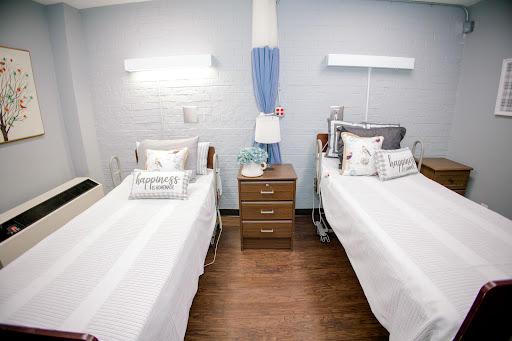
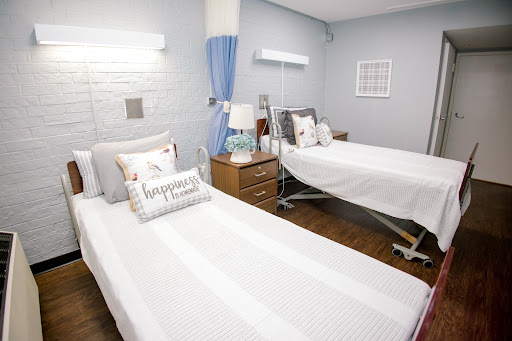
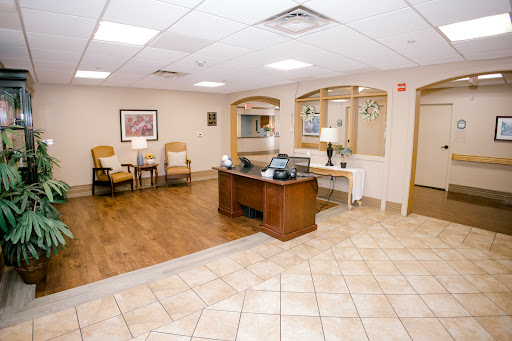
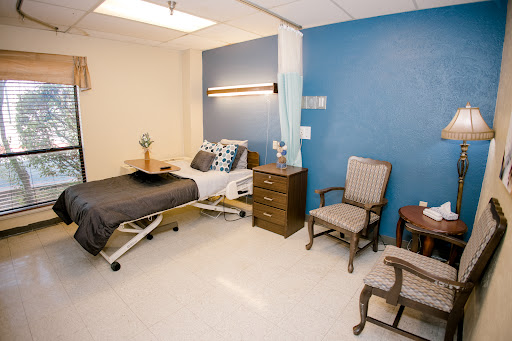
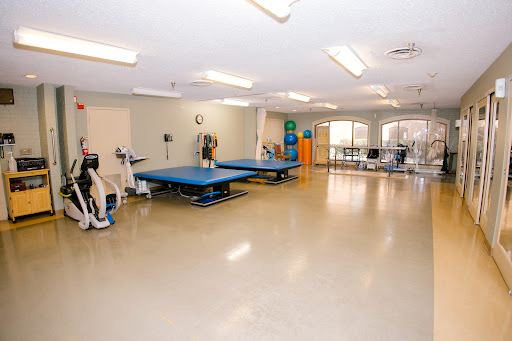
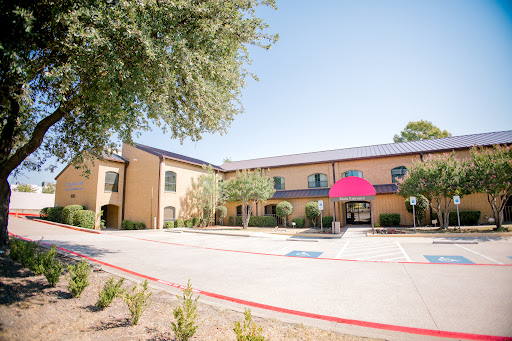
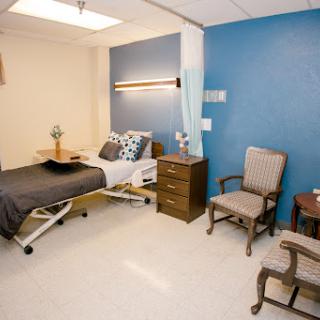
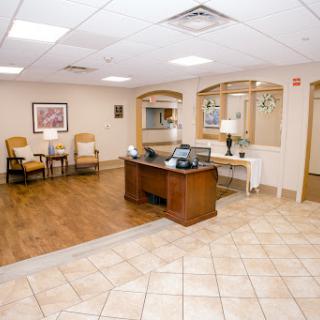
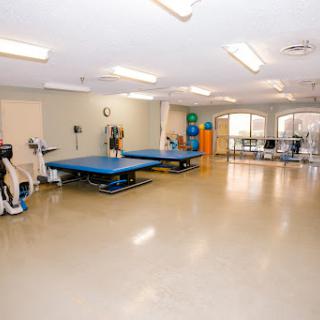
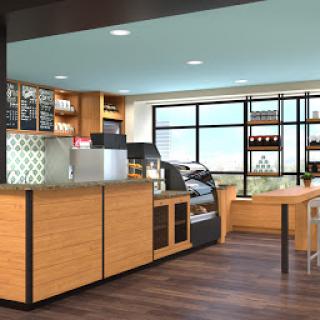
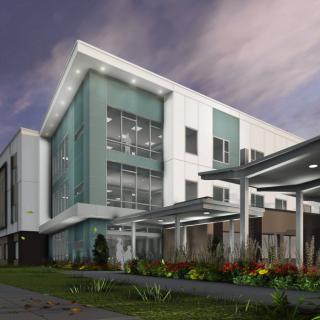
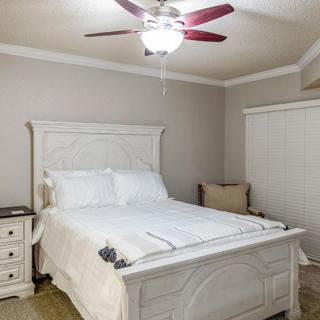
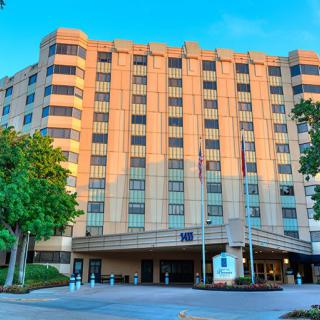
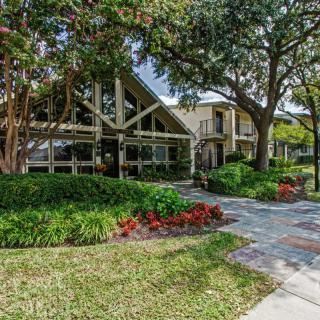
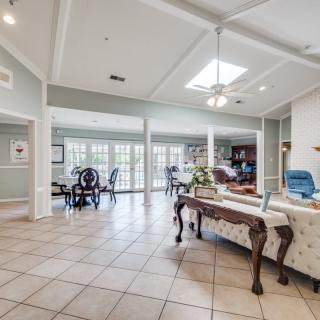
The Meadows Health And Rehabilitation Center on seniors.fyi includes 6 photos including images showing interior, lighting, bedroom, office space, rehabilitation, physical therapy, exercise equipment, fitness, and more.
Nearby Communities
Walnut Place - AL/MC
Dallas, TX
4.4 from 180 reviews
$3,950 to $6,350 / month
Caring staff, clean environment, engaging activities, and on-site 24-hour nursing.
Walnut Place
Dallas, TX
4.3 from 126 reviews
Friendly, attentive staff and a broad range of on-site care in a clean, amenity-rich setting.
Onpointe Transitional Care At Texas Health Presbyt
Dallas, TX
3.9 from 111 reviews
24/7 supervision with medication management, restaurant-style dining, and on-site amenities.
Adora Midtown Park
Dallas, TX
3.6 from 100 reviews
$4,895 / month
Caring staff and effective therapies; clean, well-maintained facility.
Five Star Premier Residences Of Dallas
Dallas, TX
4.8 from 6 reviews
Luxurious setting with spacious, home-like apartments, restaurant-style dining, attentive staff, and a rich activities calendar.
Five Star Premier Residences of Dallas
Dallas, TX
4.8 from 59 reviews
$3,860 to $4,080 / month
Welcoming community with attentive staff and gourmet dining.
Meadowstone Place
Dallas, TX
4.7 from 166 reviews
$1,865 to $2,455 / month
Friendly staff, well-maintained facilities, spacious independent-living apartments, and engaging activities.
Silver Leaf Assisted Living at Meadow Road
Dallas, TX
4.2 from 22 reviews
$4,000 to $5,000 / month
Caring, attentive staff with a personalized, home-like care approach.
Presbyterian Village North
Dallas, TX
3.6 from 114 reviews
Beautiful, well-maintained grounds with spacious patio homes and multiple levels of care.
Hospice care focuses on providing comfort and support for individuals nearing the end of life, with Medicare Part A covering services like nursing care and counseling for patients with a terminal illness and a life expectancy of six months or less. While most hospice services are low-cost for eligible patients, families should be aware that certain expenses, such as room and board, may not be covered.
Caregiver burnout is a common issue resulting from the intense physical, emotional, and mental demands of caregiving, leading to symptoms like fatigue and social withdrawal. To prevent burnout, caregivers should recognize early warning signs and implement self-care strategies, seek support, and prioritize their own well-being alongside that of those they care for.
Caregiver exhaustion, or burnout, stems from the relentless demands of caregiving, leading to emotional and physical depletion characterized by stress, frustration, and neglect of personal needs. Addressing this burden is essential to prevent long-term consequences, with early recognition and support being crucial for caregivers to maintain balance and implement self-care.
The Meadows Health And Rehabilitation Center photos
×
Interior
Building
Bedroom
Lighting
Exercise Equipment
Healthcare
Interior
Bedroom
Landscaping, Building, Exterior, and Parking
Lighting
Lobby, Reception Area, and Office Space
Exercise Equipment, Rehabilitation, Physical Therapy, and Fitness
Healthcare
Get PricingAsk A QuestionSchedule A TourContact Senior Advisor
By clicking submit, you agree to our Partner's Terms of Use. You
also consent to receive calls and texts, which may be autodialed, from our Partner. Your consent is not a condition to
using our Partner's service. Please visit our Partner's Privacy Policy for information about their privacy practices.


 184 resident community capacity
 Skilled Nursing Facility
 Air-conditioning
 Beauty salon
 Cable or satellite TV
 Computer center
 Dining room
 Fitness room
 Fully furnished
 Gaming room
 Garden
 Housekeeping services
 Kitchenette
 Move-in coordination
 Outdoor space
 Private bathrooms
 Restaurant-style dining
 Small library
 Telephone
 Wellness center
 Wi-Fi/high-speed internet available
 Dallas Love (6 miles away)
 Community operated transportation
 12-16 hour nursing
 24-hour call system
 Activities of daily living assistance
 Assistance with bathing
 Assistance with dressing
 Assistance with transfers
 Diabetes diet
 Medication management
 Mental wellness program
 Special dietary restrictions
 Concierge services
 Planned day trips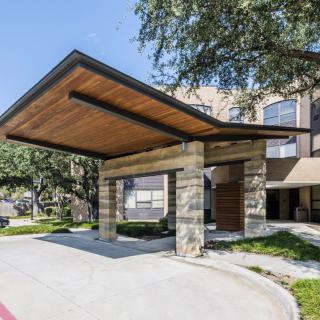
 Caring staff, clean environment, engaging activities, and on-site 24-hour nursing.

 Comprehensive Guide to Medicare Coverage for Hospice Care
 Caring for Those Who Care: Recognizing, Understanding, and Overcoming Caregiver Burnout
 Caregiver Exhaustion: Recognizing the Signs and Restoring Your Well-Being