

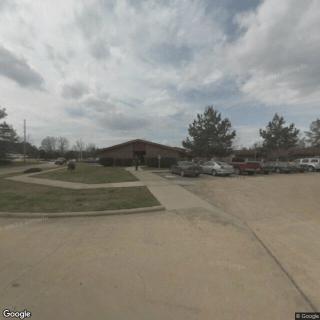
501 Timpson St, Center, TX 75935
To contact a resident: (936) 598-2483
For more information about senior living options: (866) 208-4318
Overall Review of Green Acres Convalescent Ctr
Pros
 The facility and its staff are warm and welcoming from the moment they arrive.
- The residents are happy and well cared for.
- Misti W in the business office is fantastic and always willing to help.
- Focused Care at Center is a wonderful facility with a great culture for both residents and employees.
- The staff are personal, warm, and compassionate, engaging with residents and creating a family-friendly environment.
- The DON, Susan, is amazing and works around the clock to ensure residents receive the highest level of care.
- Focused Care treats residents and staff with kindness, care, and love, and has a management team that is always willing to help.
- The facility feels like a family-oriented place that treats residents and employees as family.
Cons
 The reviewer notes that showers aren’t provided unless residents ask, indicating poor basic care.
- The reviewer describes the management as horrible and despicable, and claims it’s all about the money.
- The reviewer advises others not to admit their loved ones to this facility.
Review
Green Acres Convalescent Ctr is best suited for seniors who want a warm, family-like home where staff know residents by name, engage regularly, and foster a true sense of belonging. It works especially well for post-acute rehab and long-term stays, where social interaction, caregiver accessibility, and a comforting, homey culture matter as much as clinical care. Families dealing with memory challenges or cognitive decline will find a care philosophy that emphasizes personal connection and daily engagement, with frontline staff who routinely go the extra mile to make residents feel seen. The community consistently earns praise for a culture that treats residents and staff like family, signaling a setting where emotional well-being is prioritized alongside medical needs.
However, prospective residents should consider alternatives if reliability in daily logistics and transparent administration are non-negotiables. Feedback highlights occasional gaps in routine operations, including a reported inconsistency in shower access during rehab, which can disrupt recovery timelines. A notably negative review warns against admission due to perceived management and financial priorities overshadowing resident care. While the frontline caregivers receive broad praise, these voices point to a higher risk for families who require strict, predictable routines, rigorous oversight, and unambiguous billing. In short, warmth and human connection are the hallmarks here, but governance and process transparency appear variable.
The strongest positives, genuine kindness from nurses, aides, and therapy staff; a culture described as family-like; and a highly regarded DON, often offset the drawbacks when decisions hinge on comfort, engagement, and stable social activity. Families report residents thriving on daily interactions, consistent morale, and cooperative participation in therapy, which can accelerate recovery and support longer-term well-being. The emphasis on relational care translates into improved mood, easier adaptation after hospitalization, and a sense that care is personalized rather than robotic. Yet these strengths do not erase operational hiccups or questions about long-term administrative stability, which can become more salient for families managing complex care needs.
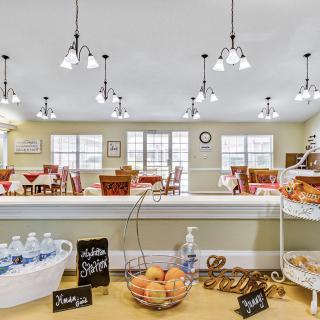
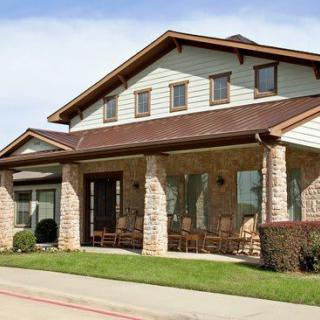
Leadership and staff development emerge as clear strengths in the narrative. Praise for the DON as well as business-office responsiveness signals a team capable of mobilizing resources to meet residents’ needs and address family questions. The facility is repeatedly described as warm and welcoming, with staff who treat residents as family and who remain accessible to loved ones. This atmosphere, coupled with engaged activities and events, reinforces a living environment that supports emotional well-being alongside medical and rehabilitative goals. For families prioritizing a nurturing, community-centered setting, these elements create a compelling experience that feels less like a facility and more like an extended home.
For families weighing this option, practical steps sharpen the decision. On a tour, watch how aides interact with residents, how quickly responses are delivered to requests, and whether routines like showers integrate smoothly into daily life. Clarify rehab scheduling, therapy cadence, and how care plans adapt when conditions change. Seek clear explanations about billing, ongoing costs, and any penalties, and understand who oversees quality control and how concerns are resolved. Interview frontline staff and, if possible, speak with current residents’ families to cross-check impressions against daily realities. A candid assessment comes from aligning personal expectations with observed operations and asking for concrete examples of how care plans evolve over time.
Overall, Green Acres Convalescent Ctr presents a strong option for families seeking a nurturing, community-centered environment where staff demonstrate genuine care and residents appear well-loved and engaged. For those who prize emotional warmth, consistent frontline caregiving, and a welcoming culture, the facility delivers on those fronts. The major caveat centers on management and administrative reliability, which can color daily operations and transparency. If certainty in governance and predictable processes is essential, exploring alternatives with a sharper focus on oversight may be prudent. When the priority is relational care and a home-like atmosphere, Green Acres becomes a practical, meaningful choice rather than merely a reassuring impression.
 Skilled Nursing Facility


 A Detailed Exploration of Living Wills and Advance Directives
 Comprehensive Guide to Medicare Coverage for Hospice Care
 Caring for Those Who Care: Recognizing, Understanding, and Overcoming Caregiver Burnout