For more information about senior living options: (866) 208-4318
3 from 94 reviews
5 stars
43
4 stars
6
3 stars
0
2 stars
2
1 stars
43
Overall Review of Southern Tenn Medical Center
common22 reviews mention this
Nursing and care often stand out
Many reviewers describe the nursing team as kind, attentive, and professional.
A large share of reviews praise nurses for being sweet, compassionate, and attentive during ER visits, surgeries, and overnight stays. Multiple families also describe clear explanations and feeling supported by the staff, especially during higher-stakes moments like labor, recovery, and ICU care. A few reviewers still report the experience was negative, but the positive nursing theme is one of the most consistent across the comments.
caveat11 reviews mention this
Doctors and bedside manner are mixed
Several reviewers say clinician bedside manner and communication fell short.
While many reviews emphasize professionalism, others describe dismissive or unprofessional interactions, including talk that felt disrespectful or ignoring symptoms. A few reviewers also say they left without answers or felt they were misdiagnosed, which led them to seek care elsewhere. Together, the comments suggest experiences can vary noticeably depending on the clinician and situation.
caveat7 reviews mention this
Wait times and scheduling frustrations
Some reviews complain about long waits and delays for testing.
Several reviewers mention time spent waiting—such as sitting in waiting rooms longer than expected or delays before tests and scans. A few specifically call out CT scanning delays, and others describe being sent to a waiting area despite ongoing severe symptoms. Even among reviews that were otherwise positive, wait-time complaints show up often enough to be a recurring issue.
caveat2 reviews mention this
Cleanliness and room condition concerns
A couple of reviews report unsanitary room conditions.
Some reviewers describe issues with room cleanliness and basic conditions, including reports of dirty or unclean areas and bedding. These complaints contrast with other reviews that say the hospital was clean and the stay was comfortable, suggesting cleanliness is not consistently described the same way across experiences.
common2 reviews mention this
On-site therapy and rehabilitation
Some residents highlight therapy and rehab support during recovery.
A couple of reviewers specifically mention therapy or rehabilitation being helpful and managed by knowledgeable staff. At the same time, one review critiques physical therapy value and billing, indicating outcomes and expectations may vary depending on the service and provider.
How we summarize
Counts show how many written reviews mention each theme; a review can touch several themes, and only frequently mentioned themes are displayed.
Features
Housing
46 resident community capacity
Types of Care
Skilled Nursing Facility
Amenities
Beauty salon
Cable or satellite TV
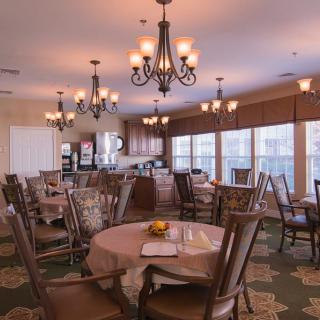
Dining room
Fully furnished
Garden
Housekeeping services
Kitchenette
Move-in coordination
Outdoor space
Restaurant-style dining
Small library
Telephone
Wi-Fi/high-speed internet available
Care Services
24-hour call system
24-hour supervision
Activities of daily living assistance
Assistance with bathing
Assistance with dressing
Assistance with transfers
Diabetes diet
Meal preparation and service
Medication management
Mental wellness program
Special dietary restrictions
Dining
Diabetes diet
Special dietary restrictions
Activities
Community-sponsored activities
Resident-run activities
Scheduled daily activities
Nearby Places of Interest
Physicians
Winchester Pediatrics 1 (0 miles)
Winchester Pediatrics (0.1 miles)
Winchester Pediatric Clinic (0.1 miles)
Karen Maze- Wellstream Family Medicine (0.1 miles)
Orthopedics (0.1 miles)
Orthopaedic & Sports Medicine Clinic (0.1 miles)
The Sleep Center (0.2 miles)
Hospitals
Southern Tennessee Regional Health System (0.1 miles)
Womens Center (0.1 miles)
Southern Tennessee Cardiology (0.1 miles)
Renal Care Group (0.7 miles)
Southern Tennessee Cardiology: Dr Basaraba MD (0.7 miles)
Emerald (9.7 miles)
Southern Tennessee Regional Health System Sewanee (10.2 miles)
Places of Worship
Winchester Church of Christ (0.3 miles)
Winchester Christian Center (1.4 miles)
Church of Christ At Little Mountain (1.8 miles)
First Baptist Church of Decherd (2.2 miles)
Christ The King Anglican Church (2.5 miles)
General Conference Of Seventh-Day Adventists (2.9 miles)
Fecal incontinence, prevalent among older adults, arises from factors like weakened pelvic muscles and nerve damage, significantly affecting well-being and social interactions. Diagnosis involves clinical evaluation and tests to inform tailored treatments, while caregivers and preventive measures can aid in managing the condition effectively.
Anticipatory grief is an emotional response to the impending loss of a loved one, characterized by complex emotions such as sadness and anger, and involves navigating stages similar to those identified by Kübler-Ross. Coping strategies are vital for managing this process, emphasizing compassionate communication, self-care, and support groups while recognizing the cultural influences on grieving.
Adult day care programs offer essential support and activities for older adults, yet many hesitate to participate due to concerns about independence and stigma. To alleviate these apprehensions, families should facilitate open discussions, explore financial resources, suggest trial visits, and collaborate with healthcare providers to highlight the benefits of such services for both the participants and their caregivers.
Get PricingAsk A QuestionSchedule A TourContact Senior Advisor
By clicking submit, you agree to our Partner's Terms of Use. You
also consent to receive calls and texts, which may be autodialed, from our Partner. Your consent is not a condition to
using our Partner's service. Please visit our Partner's Privacy Policy for information about their privacy practices.



 46 resident community capacity
 Skilled Nursing Facility
 Beauty salon
 Cable or satellite TV
 Dining room
 Fully furnished
 Garden
 Housekeeping services
 Kitchenette
 Move-in coordination
 Outdoor space
 Restaurant-style dining
 Small library
 Telephone
 Wi-Fi/high-speed internet available
 24-hour call system
 Activities of daily living assistance
 Assistance with bathing
 Assistance with dressing
 Assistance with transfers
 Diabetes diet
 Medication management
 Mental wellness program
 Special dietary restrictions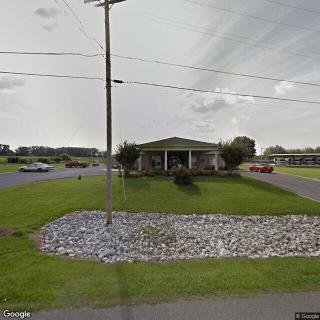
 Attentive, personalized care from staff in a smaller, home-like memory care setting with engaging activities.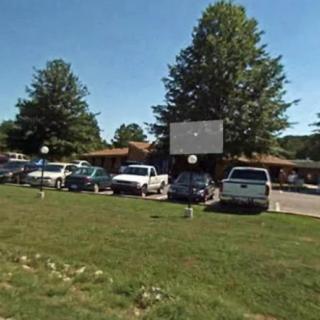





 Fecal Incontinence in Older Adults: A Comprehensive Guide
 Recognizing the Journey: Understanding and Navigating Anticipatory Grief
 Encouraging Participation in Adult Day Care: A Guide to Supporting a Hesitant Parent