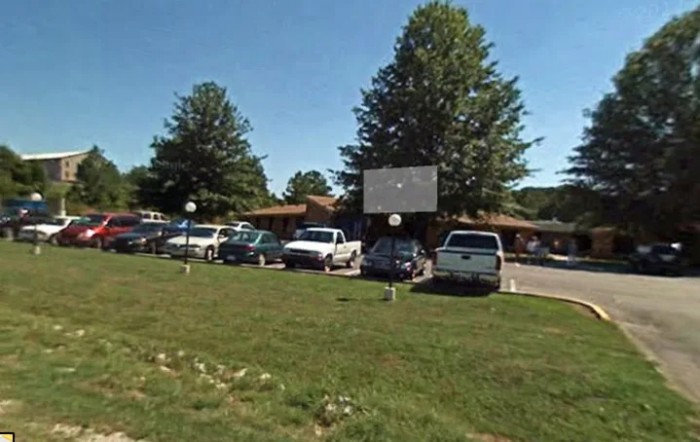

32 Memorial Drive, Winchester, TN 37398
For more information about senior living options: (866) 208-4318
Overall Review of Elk River Health And Rehabilitation Of Winchester
Pros
 The team has been phenomenal.
- Every staff member has been attentive to her needs.
- The small acts of kindness from staff mean the world to her.
- The team is one that can truly be depended on.
- The family is grateful for the support as they navigate this new season of life.
Cons
 My dad didn’t like the food there.
- One of the techs was not very kind to him and would rough handle him.
- They tried to put other medications on my father, which made him drowsy, and he wasn’t getting much rehabilitation because of it.
- It’s more of a nursing home than assisted living because that’s exactly what it is.
- If they don’t have the rehabilitation people there working with them, they’re just laying in bed.
- Some staff members were OK and some were not.
- It’s very expensive, but the value of what they get is not good.
- For that kind of money for what he was getting, not liking the food, and rough handling by one or two staff, that’s a poor value.
- The past reviews aren’t from patrons or family members of patients there, which is pretty discouraging and suggests a fake way to up ratings.
Review
Best suited for seniors who require skilled nursing and rehabilitative services after a hospital stay, Elk River Health and Rehabilitation of Winchester serves as a practical option for families navigating post-acute care in Winchester, Tennessee. The setting leans into a traditional nursing center model and emphasizes hands-on staff engagement, with many families praising the caregivers for their attentive, nurturing approach during difficult transitions. The facility also positions itself as a support hub for home hospice, where the same team-oriented care can ease the shift toward palliative needs while coordinating with physicians, therapists, and families. In short, this community works best when the priority is reliable, person-centered care during recovery or end-of-life planning, rather than independence-based living.
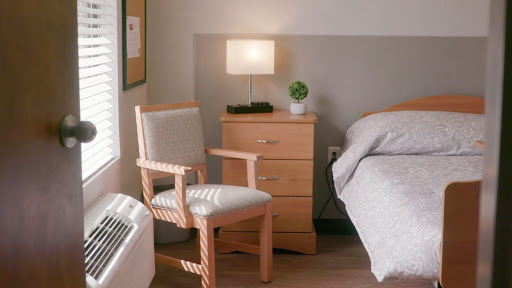
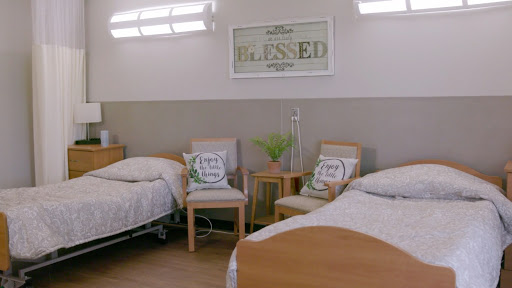
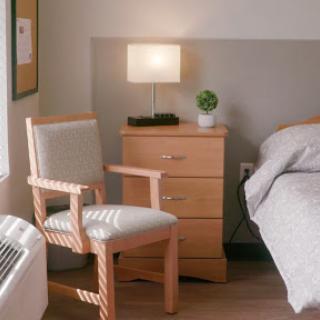
Those seeking independence, private accommodations, or a higher-end dining experience may want alternatives. Elk River operates largely as a two-to-a-room arrangement, which can feel restrictive for residents who prize privacy and quiet. Cost is another significant factor, with the price tag repeatedly cited as steep relative to the value delivered. For families prioritizing fully private rooms, culinary variety, or a more traditional assisted-living atmosphere with lighter medical oversight, other options in the Winchester area are likely to offer a closer fit.
On the upside, the care team’s reliability and warmth stand out as a core strength. Families consistently describe staff as attentive and genuinely supportive, especially for residents transitioning to home hospice, where compassionate bedside presence can lessen anxiety for both resident and family. The rehabilitative framework, physical, occupational, and speech therapy, remains a central feature, aimed at post-acute recovery and function restoration when engaged by the right therapists. Medicare supports short-term rehabilitation stays, which can help offset upfront costs during the initial recovery window. This combination of human connection and structured therapy creates a credible path for residents who need serious medical oversight paired with empathetic daily care.
Yet the facility’s limitations are real and impactful. The two-person room model reduces privacy and can complicate comfort for longer stays. Even with Medicare coverage, the ongoing cost of care can become onerous if extended medical needs persist beyond the covered period. Reports of inconsistent experiences among staff, ranging from warmth to moments of rough handling, introduce a quality-control concern that families must vigilantly monitor. Medication-management tensions that affected rehabilitation, along with unfavorable feedback about meals and general amenities, further temper the overall value proposition. These factors collectively tilt preference away from Elk River for residents seeking a consistently high-end experience or a long-term, private-residence feel.
The best-case scenario emerges when a resident prioritizes dependable staff support through post-acute recovery and a well-coordinated hospice transition. In such cases, the combination of a compassionate care team and formal rehabilitation services can deliver tangible progress in functioning and comfort, which in turn justifies the cost to families willing to navigate the financial structure. Medicare’s coverage window provides meaningful relief for the initial phase, and the emphasis on human connection helps ensure that care is more than a checklist. When these dynamics are in place, Elk River’s drawbacks become manageable realities rather than deal-breakers, making the facility a solid choice for transition-focused care rather than a destination for ongoing independent living.
For families weighing this community, approach with a targeted due-diligence plan. Request current staff-to-resident ratios and day-to-day therapy schedules, and verify whether private rooms are available and affordable. Obtain a transparent outline of costs beyond Medicare’s 100-day window, and look for recent indicators of care quality and meal service. If independence, privacy, and a restaurant-style dining experience are non-negotiables, steer toward alternatives that emphasize assisted living with lighter medical oversight. If the elder’s needs align with skilled nursing and structured rehab, with a compassionate team ready to support transitions, Elk River offers a pragmatic, capable framework to navigate recovery or hospice, provided the care model and financial expectations are clearly aligned from the outset.
 80 resident community capacity
 Skilled Nursing Facility
 Air-conditioning
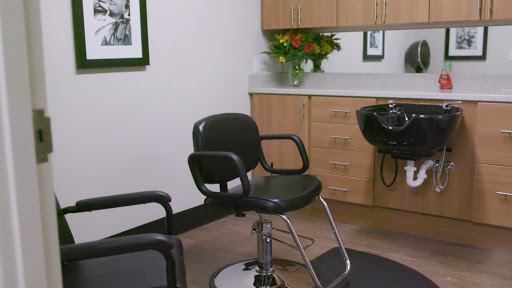
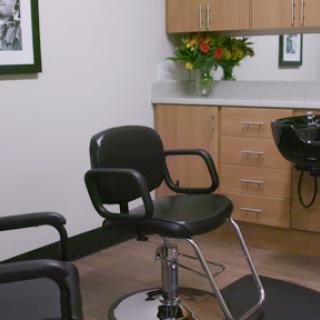
 Beauty salon
 Cable or satellite TV
 Computer center
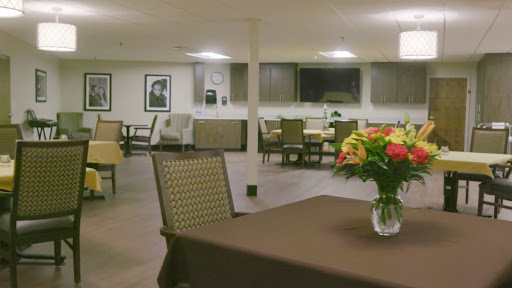
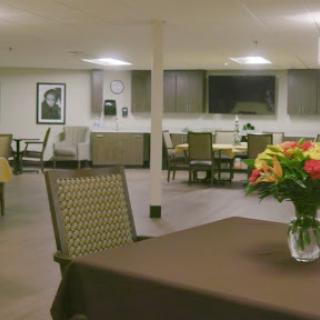
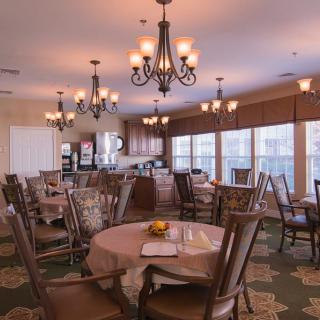
 Dining room
 Fitness room
 Fully furnished
 Gaming room
 Garden
 Housekeeping services
 Kitchenette
 Move-in coordination
 Outdoor space
 Private bathrooms
 Restaurant-style dining
 Small library
 Telephone
 Wellness center
 Wi-Fi/high-speed internet available
 Community operated transportation
 12-16 hour nursing
 24-hour call system
 Activities of daily living assistance
 Assistance with bathing
 Assistance with dressing
 Assistance with transfers
 Diabetes diet
 Medication management
 Mental wellness program
 Special dietary restrictions
 Concierge services
 Planned day trips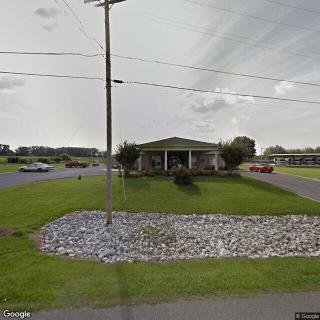



 Understanding the Sandwich Generation: Stress and Responsibilities for Multigenerational Caregivers
 8 Essential Assistive Devices for Older Adults
 Navigating the Financial Road to Nursing Home Care: In-Depth Guidance and Resources