
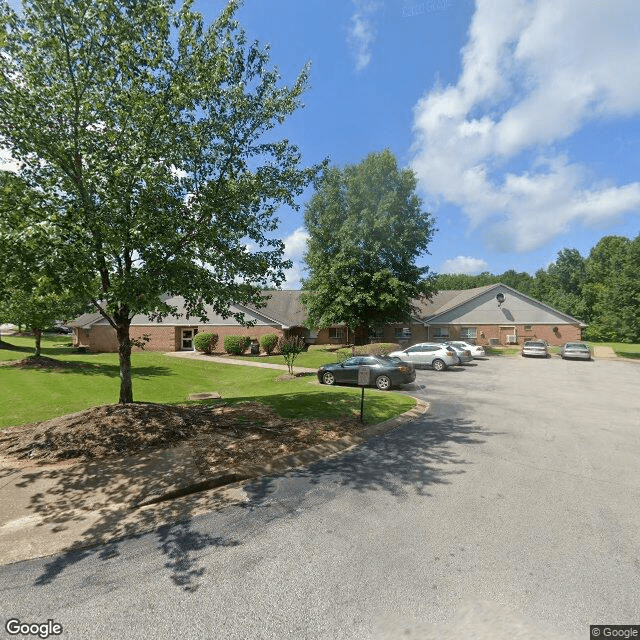
121 Physicians Dr, Jackson, TN 38305
To contact a resident: (731) 664-5050
For more information about senior living options: (866) 208-4318
Overall Review of Northbrook Health Care Ctr
Pros
 The staff are wonderful.
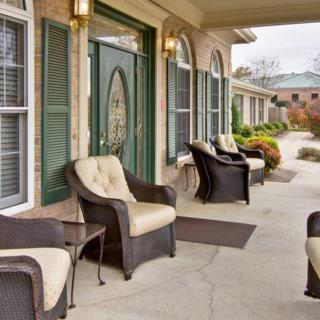
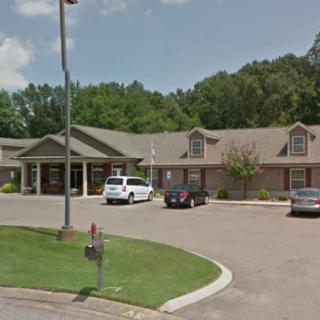
- The facility is clean and well maintained.
- The food is excellent.
- The reviewer reports that their mother was very happy there.
Cons
 The reviewer states the facility is not capable of caring for a mangy dog full of fleas and ticks.
- The reviewer would not have rehab at Northbrook if given the chance.
- The reviewer advises not to admit loved ones to this facility.
- The reviewer notes the loss of the grandfather's wallet as the last straw with the facility.
- The reviewer mentions the grandfather wore a diaper for the entire stay, despite not suffering incontinence.
- The reviewer describes the grandfather's conversations growing dark, including mentions of giving away property and verifying burial plots.
Review
This community is best suited for families seeking a clean, well-maintained environment with dependable staff and solid dining options for a relatively short-term rehab or recovery stay, where there is active family involvement to monitor care. The positive, everyday aspects, tidy surroundings, friendly front-line staff, and meals that residents and families can praise, make it a viable option when expectations center on comfort, courtesy, and basic daily living needs. It works best when the goal is a smoother transition back home or into a more independent arrangement, rather than a long-term, highly supervised care plan.
Those considering alternatives should note that this facility may not meet needs that require constant medical oversight, specialized memory or behavioral support, or stringent safeguarding of belongings. Families facing chronic or complex medical conditions, significant cognitive impairment, or high risk for wandering and behavioral escalations will want to compare facilities with higher staff-to-resident ratios, more robust memory-care programming, and explicit protocols for dignity, privacy, and valuables protection. In short, this community is not a one-size-fits-all solution for all levels of elder care.
The strongest pros, cleanliness, approachable staff, and food quality, do offset certain comfort-oriented expectations. A well-kept environment and reliable meal service can reduce daily friction and ease transitions for residents who are largely independent or require minimal supervision. When families can maintain open lines of communication and visit regularly, the positives become meaningful anchors for a positive short-term experience. Yet these benefits have clear boundaries: they do not automatically translate into consistently high clinical oversight or comprehensive safety measures for residents with greater care needs.
The main cons surfaced in troubling terms: reports that a resident wore a diaper despite no incontinence, did not sleep in his own pajamas, and was dressed in a gown as if for appearances rather than comfort, paired with conversations that grew dark about mortality and personal affairs. A serious lapse, such a pattern suggests distress and potential gaps in how personal dignity and emotional well-being are safeguarded. The loss of a wallet further erodes trust and signals vulnerabilities in monitoring and safeguarding valuables. Together, these issues paint a picture of care that may fall short in areas that matter most when a loved one is vulnerable, anxious, or requiring close supervision.
Taken as a whole, the experience at Northbrook Health Care Center presents a mixed verdict. For families prioritizing a pleasant physical environment and consistently friendly staff, with strong oversight from engaged relatives, the facility can deliver a respectful, comfortable short-term stint. For those whose loved one needs steady, proactive medical management, strict privacy and belongings protection, or sensitive handling of memory-related or behavioral challenges, caution is warranted. The decision hinges on the resident’s specific needs and the family’s capacity to stay closely involved and to demand clear, ongoing accountability from the care team.
Practical steps for families evaluating this option include requesting a detailed care plan that maps daily routines, medication administration, and how personal preferences are honored. Inquire about staff-to-resident ratios during peak hours, the process for incident reporting, and opportunities to review past ombudsman or grievance records. Seek clarity on memory-care or dementia-support training, strategies for preserving dignity in personal attire, and explicit safeguards for valuables. Finally, consider arranging a short trial period or scheduled family reviews to assess whether the care trajectory aligns with the resident’s evolving needs, and be prepared to pivot to an alternative that offers stronger clinical oversight and safeguarding if the concern set outlined above remains unresolved.
 Skilled Nursing Facility
 Activities on-site
 Devotional services off-site
 Indoor common areas
 Ambulatory care
 Diabetic care
 High acuity care
 Meals provided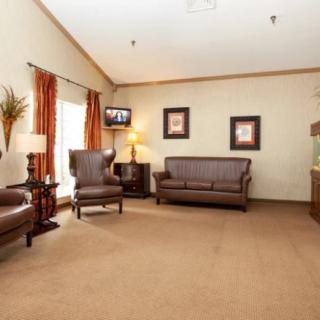






 A Closer Look at Private Pay Home Care
 Comprehensive Approaches for Arthritis: A Detailed Guide to Symptoms, Causes, and Care
 Comprehensive Insights and Practical Strategies to Help Older Adults Avoid Falls