
360 Dell Trail, Po Box 878, Dunlap, TN 37327
For more information about senior living options: (866) 208-4318
Overall Review of NHC Healthcare - Sequatchie
Pros
 The faculty was kind and treated family members with the utmost respect and care.
- The care received was satisfactory, and reviewers would recommend NHC Sequatchie to others.
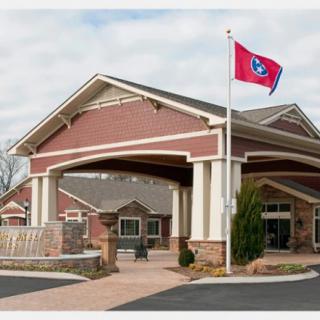
- The facility is kept clean and does not smell.
- The rehab staff is young and energetic.
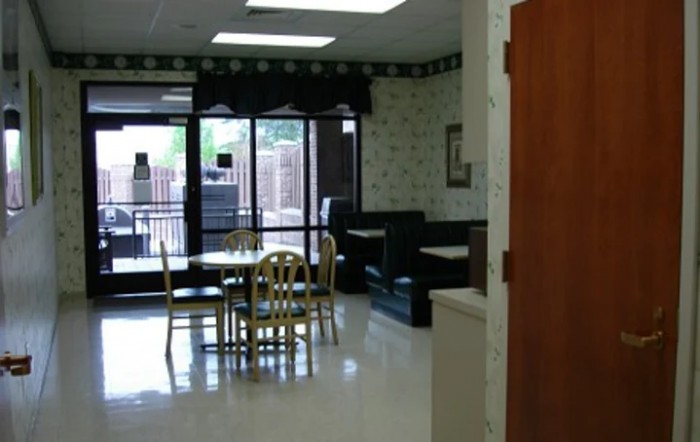
- The food is pretty good and reliable.
- There are social programs and activities available.
- The center attends to the needs of the residents and works hard to keep them happy and healthy.
Cons
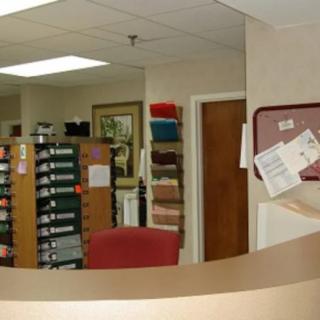
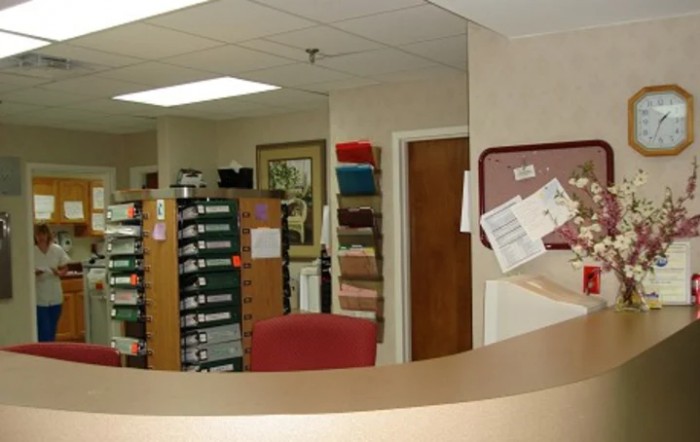
 The rooms are small and crowded.
- It often takes 15–30 minutes for an assistant to show up.
- The rehab staff is harsh and demanding, not fully understanding the limits of old age.
- The beds are older models and lack modern features like cell phone chargers.
- The room telephones hardly work.
- The facility seems understaffed and the staff are overworked.
- The social workers and nurses do nothing for the patients and engage in illegal activities.
- The place is described as the worst place ever.
Review
NHC Healthcare - Sequatchie in Dunlap, TN is best suited for seniors who prize a clean, respectful environment and consistent, family-friendly care in a rural setting. Residents who value kindness from staff, reliable daily routines, and accessible social activities will find this community aligns with those priorities. The facility often earns praise for a culture of courtesy and attentiveness, and for families seeking a place where questions are answered and care feels personal, this site can deliver that sense of reassurance. It works best for individuals who can tolerate older infrastructure, small, crowded rooms and dated equipment, while still expecting solid general nursing support and daily meals that accommodate variety.
Alternative consideration becomes prudent for those who require modern accommodations or stringent safety standards. The layout and room sizes reflect a mid-’90s build, which translates to cramped private spaces and dated fixtures that may be less comfortable for residents needing more space or advanced accessibility. Staffing realities also merit scrutiny: reports of delays in assistance (often 15–30 minutes), plus a physician who is infrequent and pressed for time, suggest that high-touch monitoring and rapid response may not be consistent on every shift. Families prioritizing pristine private environments, frequent one-on-one medical attention, or guaranteed rapid aid should evaluate other options in the region.
On the upside, cleanliness and a welcoming atmosphere surface repeatedly in positive characterizations. The building is described as well maintained and odor-free, and when staff are present, their competence and supportive approach stand out. The dining program earns commendations for quality and flexibility, with residents able to request additional items from the kitchen. Social programs and activities add structure to the day, helping to reduce isolation and keep residents engaged. For families who can anchor oversight through regular visits, these strengths translate into meaningful, observable day-to-day stability.
Still, the most serious concerns touch safety and staffing consistency. One account describes a frightening first-night injury after a CNA left a resident unattended in a restroom, highlighting how gaps in supervision can translate into harm. Additional anecdotes depict episodes of neglectful moments, including being left to manage personal care with minimal staff intervention and a nurse delivering a brusque, discouraging tone about essential needs. Some reviewers accuse social workers and nurses of misbehavior and even illegal activity, an accusation that, regardless of perspective, understandably erodes trust. Understaffing and limited private transportation options further complicate dependable, resident-centered operations.
These strengths and weaknesses must be weighed against the realities of care needs. The warmth of staff and the clean, well-kept environment can offset many daily anxieties for residents whose health needs are steady and whose families can stay actively involved. For residents who require frequent hands-on assistance, rapid response, or highly regulated rehab protocols, however, the gaps in staffing consistency and the occasional friction with clinicians may feel less tolerable. In short, the community delivers a compassionate, low-friction baseline of care for many, but it does not universally eliminate risk or replace the need for vigilant oversight by families or guardians.
For families actively evaluating options, the prudent path is layered: visit multiple times at different days and times, speak directly with front-line staff, and request a transparent tour of the rehab and care routines. Ask specific questions about nurse-to-resident ratios by shift, wait times for assistance, and how care plans are updated in response to changing needs. Review state survey results, inspect room conditions personally, and probe the availability of transportation options and the cadence of physician engagement. If safety, modern amenities, and consistently swift responses are non-negotiable, exploring nearby facilities with stronger staffing profiles is advisable. If warmth, cleanliness, and a dependable daily rhythm prevail as the top criteria, NHC Sequatchie remains a credible choice, provided that families remain engaged and vigilant to safeguard resident well-being.
 110 resident community capacity
 Skilled Nursing Facility
 Air-conditioning
 Beauty salon
 Cable or satellite TV
 Computer center
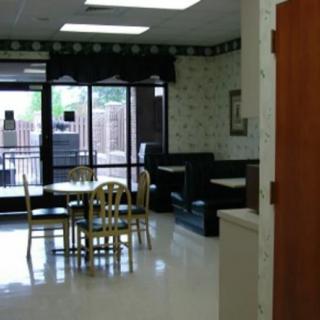
 Dining room
 Fitness room
 Fully furnished
 Gaming room
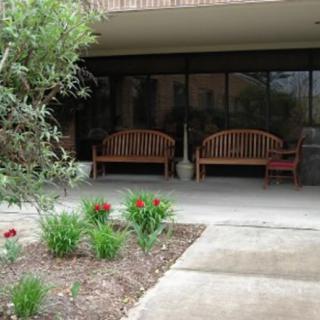
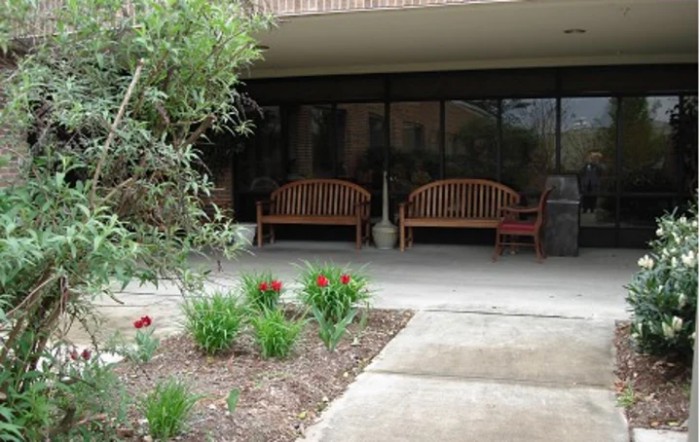
 Garden
 Housekeeping services
 Kitchenette
 Move-in coordination
 Outdoor space
 Private bathrooms
 Restaurant-style dining
 Small library
 Telephone
 Wellness center
 Wi-Fi/high-speed internet available
 Community operated transportation
 12-16 hour nursing
 24-hour call system
 Activities of daily living assistance
 Assistance with bathing
 Assistance with dressing
 Assistance with transfers
 Diabetes diet
 Medication management
 Mental wellness program
 Special dietary restrictions
 Concierge services
 Planned day trips







 Navigating the Financial Road to Nursing Home Care: In-Depth Guidance and Resources
 Supportive Employee Benefits That Help Caregivers Attain Better Work-Life Harmony
 Top Cars for Senior Drivers and Essential Safety Innovations