


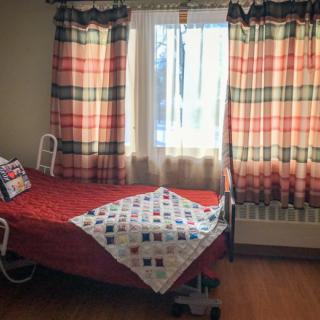


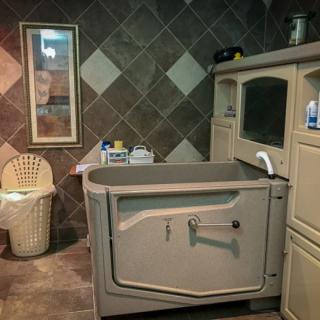

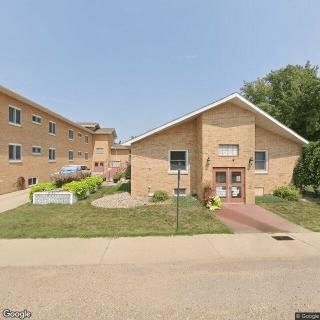
130 6Th Street, Scotland, SD 57059
For more information about senior living options: (866) 208-4318

Overall Review of Good Samaritan Society Scotland
Pros
 The facility is doing it right.
- The staff do a good job.
- Pam, an administrator, is easy to deal with.
- The employees are clean and friendly.
- The staff are wonderful and caring.
Cons
 The facility is almost always at capacity.
- Prospective residents must call to find out about availability.
Review
Best suited for families seeking long-term, supportive skilled-nursing care where staff reliability and a steady, family-friendly culture are non-negotiable. Good Samaritan Society Scotland has earned trust through consistent caregiving and a track record of lasting resident placements, evidenced by residents who have remained for years, including a family member cited as a resident since 2012. The care team is described as clean, friendly, and genuinely caring, with an administrator who is approachable and responsive. This combination matters when choosing a community, because ongoing care hinges as much on relationships and dependable systems as on physical surroundings. The caveat is capacity: the facility routinely operates near full occupancy, which means securing a place requires timely, proactive outreach.
Those weighing alternatives should note who may want to look elsewhere. If immediate placement is essential, or if a family needs a broader array of services without a wait, alternatives with higher vacancy or faster admission timelines may be preferable. Families seeking a smaller, quieter setting, or specialized care not clearly outlined in the reviews (for example, advanced memory care programs or custom activity calendars) might also explore other options. While the Good Samaritan balance of cleanliness, warmth, and staff attentiveness is compelling, the practical reality of near-constant capacity can push families toward communities with more predictable availability or a more expansive service mix.
The strongest positives, staff attentiveness, a clean and friendly environment, and a responsive administrator, do substantial work in offsetting the main drawback of capacity. When care teams are described as doing a “good job” and when admin contact is highlighted as notably cooperative, families gain confidence in day-to-day operations, especially during transitions and routine problem-solving. A long-tenured resident adds further weight: it signals not only satisfaction but stability, suggesting that when a bed is secured, the incoming resident is entering a facility that sustains quality over time rather than cycling new staff. In practical terms, reliable day-to-day care lowers the risk of neglect or confusion, which can be a critical factor for families deciding where a loved one will live out their years.
From a practical standpoint, the Good Samaritan Society brand offers a reassuring baseline. The Scotland location benefits from the institution’s broader governance and resource backing, which typically translates into consistent policies, training, and access to medical or rehabilitative services within a familiar framework. The community’s operational reality, that it tends to run at or near capacity, reflects a proven demand for what it delivers: dependable caregiving, a respectful environment, and a predictable care rhythm. Families should leverage this by prioritizing early conversations, requesting a tour, and clarifying how admission timing works, what happens if a bed opens after a wait, and how staffing levels adjust during busy periods.
In terms of concrete decision-making, this community makes a strong case for seniors whose families can plan ahead and who value a high floor of care quality over the flexibility of immediate placement. Prospective residents should approach with a precise plan: confirm current occupancy and wait times, meet directly with the administrator (Pam or her designee) to understand admission steps, and request a detailed schedule of daily activities and meals to gauge fit with the loved one’s routine and preferences. In short, the care quality and stability are clear strengths; the admission timeline is the decisive trade-off. For families prioritizing reliability and a proven culture of care, Good Samaritan Society Scotland stands out as a well-founded choice, just be prepared for the reality of limited vacancies and the need to move quickly when a bed becomes available.
 45 resident community capacity
 Skilled Nursing Facility
 Beauty salon
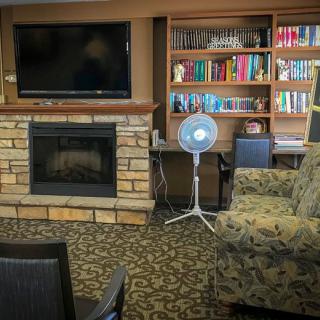
 Cable or satellite TV
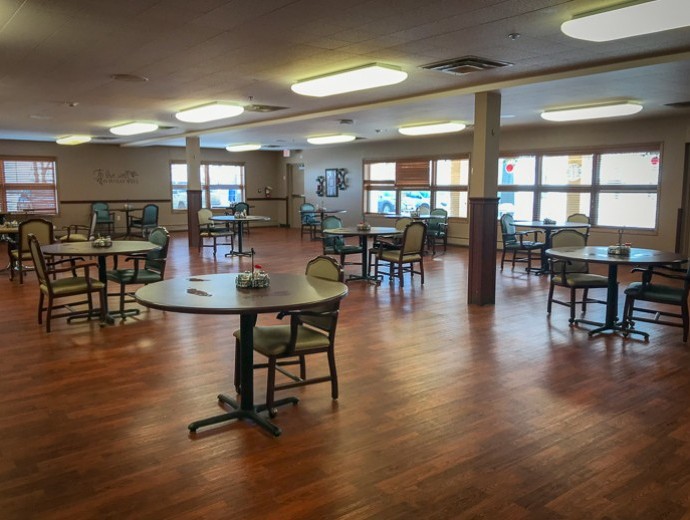
 Dining room
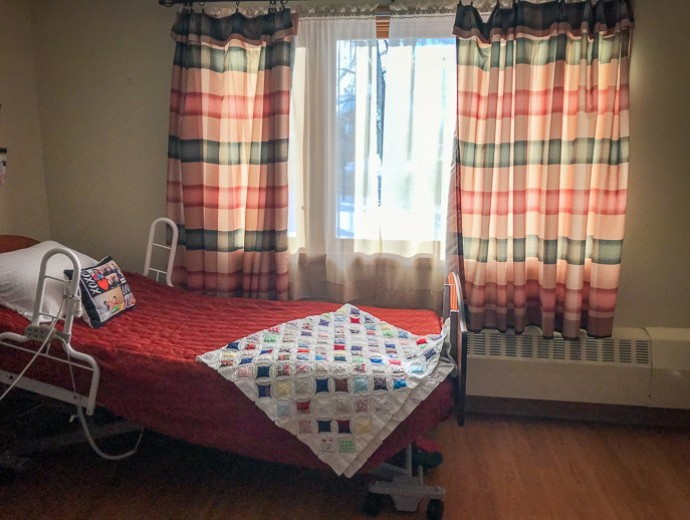
 Fully furnished
 Garden
 Housekeeping services
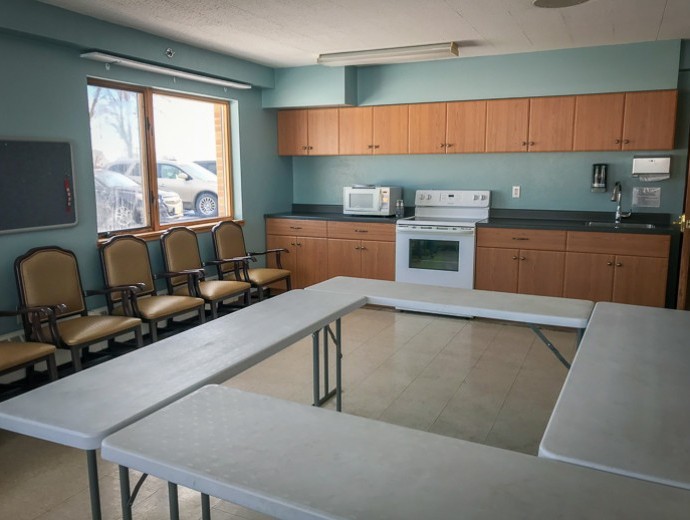
 Kitchenette
 Move-in coordination
 Outdoor space
 Restaurant-style dining
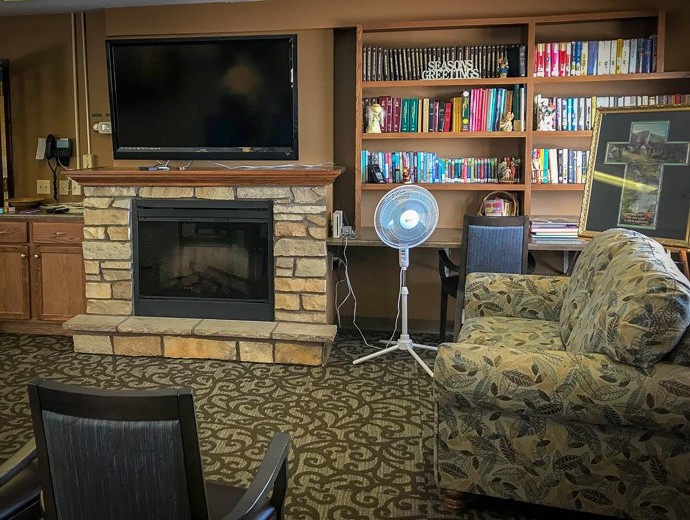
 Small library
 Telephone
 Wi-Fi/high-speed internet available
 24-hour call system
 Activities of daily living assistance
 Assistance with bathing
 Assistance with dressing
 Assistance with transfers
 Diabetes diet
 Medication management
 Mental wellness program
 Special dietary restrictions




 Ten Vital Duties of a Senior Caregiver: A Comprehensive Guide
 9 Stimulating Memory Activities for Seniors: Puzzles, Cards, and Much More
 Managing Nursing Home Expenses After Medicare Coverage Ends