

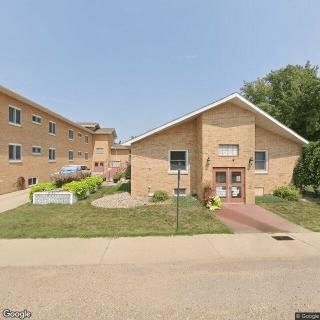
130 6th St, Scotland, SD 57059
To contact a resident: (605) 583-2216
For more information about senior living options: (866) 208-4318

Overall Review of Good Samaritan Society-Scotland
Pros
 This place is doing it right.
- The staff here do a good job.
- Pam, the admin, is really cool to deal with.
- The employees are clean and friendly.
- They are wonderful and caring.
Cons
 They are almost always at capacity.
- They will just have to call and find out.
Review
Good Samaritan Society-Scotland is best suited for families seeking a dependable, long‑term nursing-home environment where residents receive consistent, compassionate care from a stable staff. It fits seniors who need substantial assistance with daily living and whose relatives value relationships that endure. The narrative through the reviews is one of continuity: a resident who has been there since 2012 suggests care teams that stay, know individuals, and build trust over years. The setting also appeals to families who prioritize clean, orderly surroundings and accessible administration. In short, this community is ideal for caretakers who want reliability, steadiness, and a culture that prioritizes genuine, ongoing support.
Alternatives make sense for those who require immediate placement, or who want a busier social calendar and more facilities on site. The reviews note that the building tends to be at or near capacity, meaning admissions can require patience and planning. For families needing rapid placement, or seeking a more modern campus with potentially more on-site amenities and activity options, other options may deliver quicker access. Those with a strong preference for a smaller, intimate setting or specialized memory-care programs might also want to explore communities that can offer sooner moves or different care focuses.
Pros that matter are clear and repeatedly validated: staff performance is praised, caregivers are described as capable, clean, and friendly, with residents consistently treated with warmth. An administrator, Pam, stands out as approachable and evidently effective in smoothing the process for families. The combination of a clean, orderly environment, a caring culture, and a proven track record of long-term residency creates a credible sense of trust. A high overall rating, four-point-eight from ten reviews, with the vast majority five-star, reinforces that families encounter reliable routines, predictable care, and personal attention that can become the foundation of peace of mind for caregivers and residents alike.
Cons are centered on capacity rather than quality, and that distinction matters in decision-making. The near-constant occupancy means timing the move can be fragile; prospective residents may face waitlists or repeated calls to check status. This logistical hurdle is the main trade-off for the strong care foundation on offer. Yet the advantages, steady, experienced staff; a front-office leader who can navigate concerns; and a culture of consistent caregiving, tend to offset these drawbacks for families who can plan ahead. The practical effect is that, once a bed opens, families should expect the same dependable, attentive care that has earned the facility its solid reputation.
Decision-makers should approach placement with a clear, action-oriented plan. Verify current bed availability and inquire about any waitlists, noting how long the typical vacancy takes to fill. Schedule a candid tour that focuses on day-to-day routines, meal quality, and how staff interact with residents beyond basic tasks. Probe staffing levels, turnover, and whether there is continuity of caregivers across shifts. Confirm what levels of care are supported on-site and how smoothly transitions between levels are managed. Finally, assess communication channels with the administration and the responsiveness of Pam and the team to family concerns. Consider proximity to home, visiting ease, and alignment with the resident’s preferred pace and social engagement.
Overall, this Good Samaritan Society location delivers a solid, practical choice for families prioritizing dependable, person-centered care backed by steady staff and a credible administration. The defining strength is reliability, the kind of care that earns trust through years of service. Capacity realities are the primary friction, but they do not undermine the quality of care available once a placement is secured. If immediate admission or a more dynamic, amenity-rich environment is non-negotiable, exploring alternatives is prudent. For families willing to navigate the admissions process and value long-term consistency, this community deserves serious consideration as a core option in a thoughtful, well‑informed decision.
 Assisted Living
 Activities on-site
 Devotional services off-site
 Indoor common areas
 Ambulatory care
 Diabetic care
 Meals provided




 Beyond the Bingo Hall: 50+ Enriching Activities for Seniors in Assisted Living
 Understanding the Distinctions: Assisted Living and Memory Care Explained
 Guiding Elderly Parents Who Refuse Assisted Living: 6 Practical Steps