




Prairie Heights Healthcare

Save

  • Interior

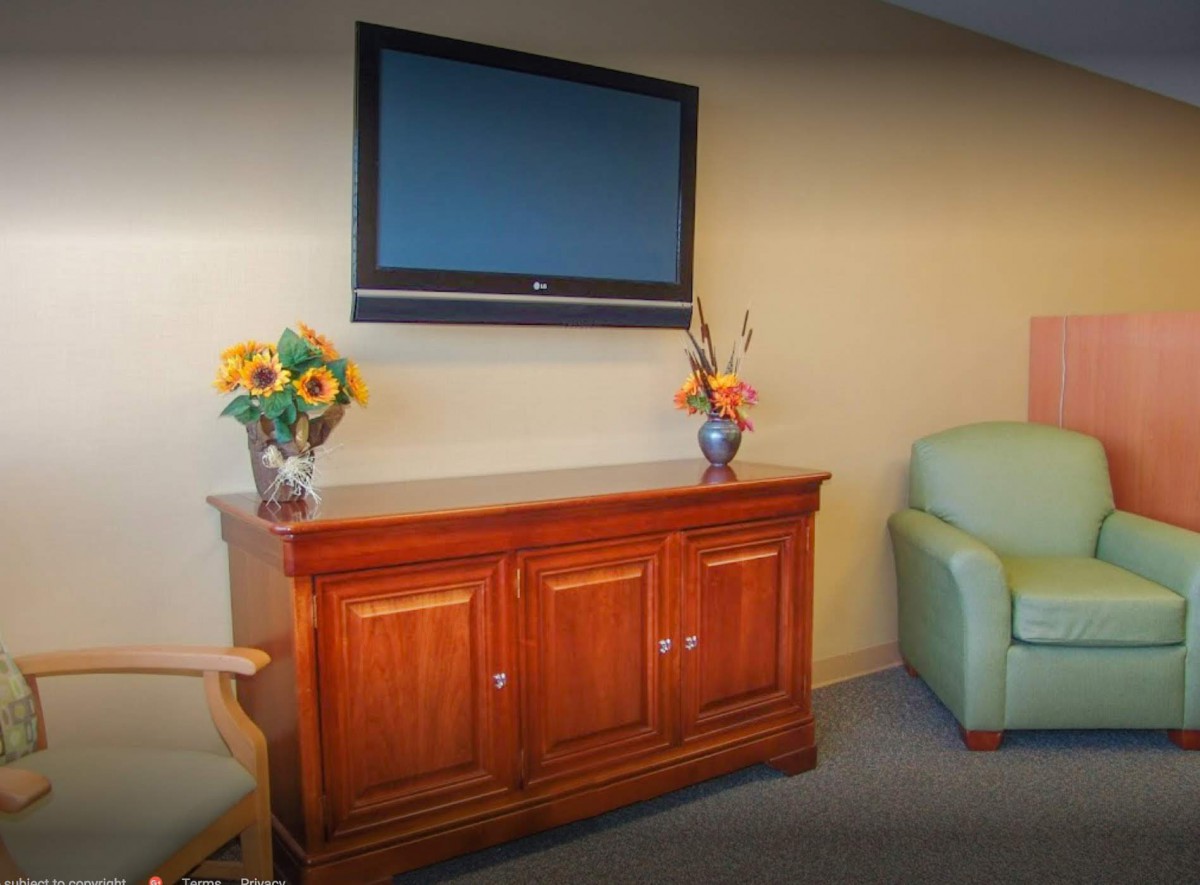
    A cozy living room setup featuring a wall-mounted TV above a wooden cabinet with flower vases, paired with a comfortable sofa.
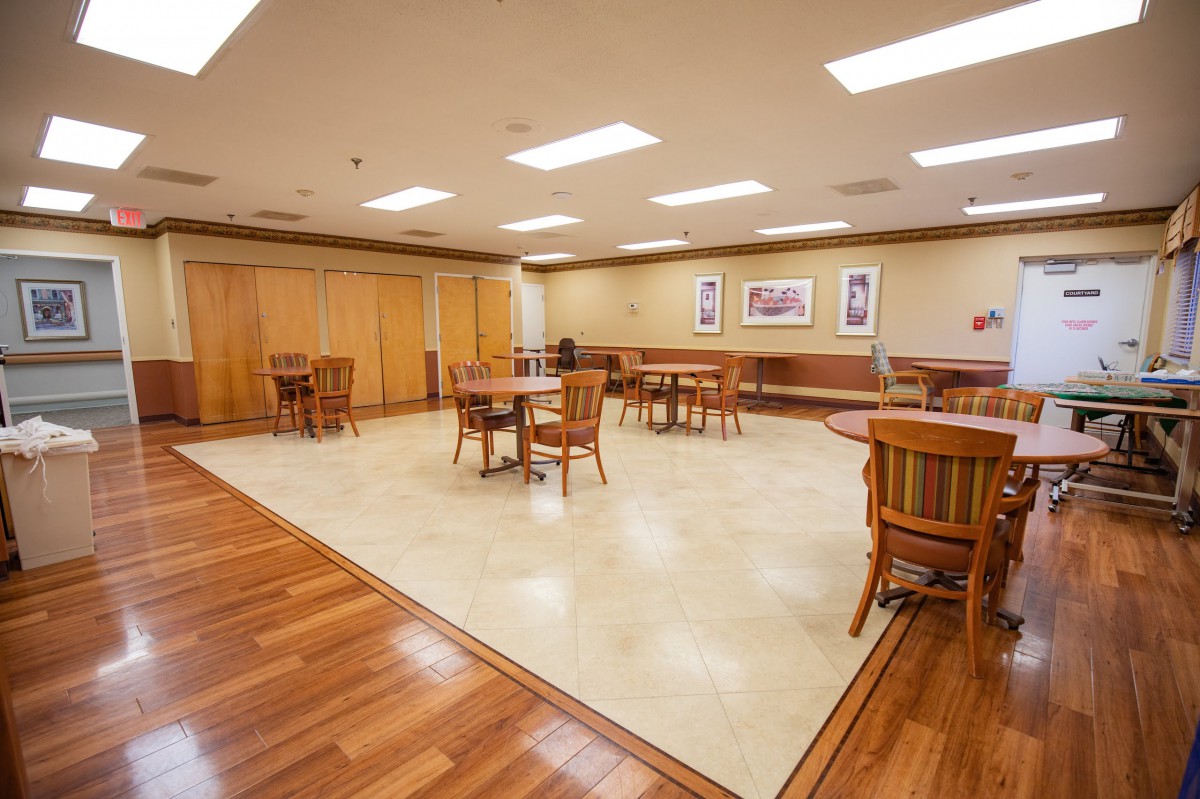
  • Decor

    Spacious conference room with wooden flooring and multiple seating arrangements.
  • Building

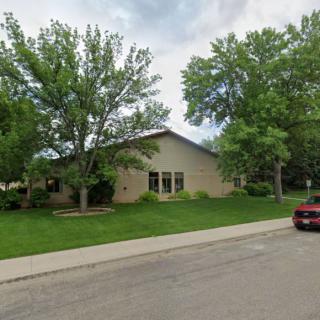
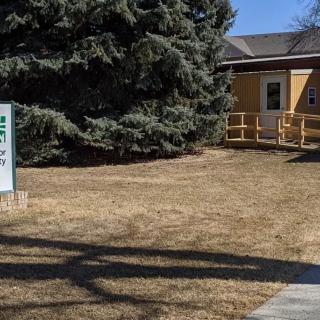
    A symmetrical building with a snow-covered ground and a clear winter sky.
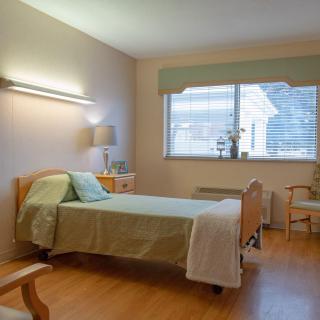
  • Bedroom

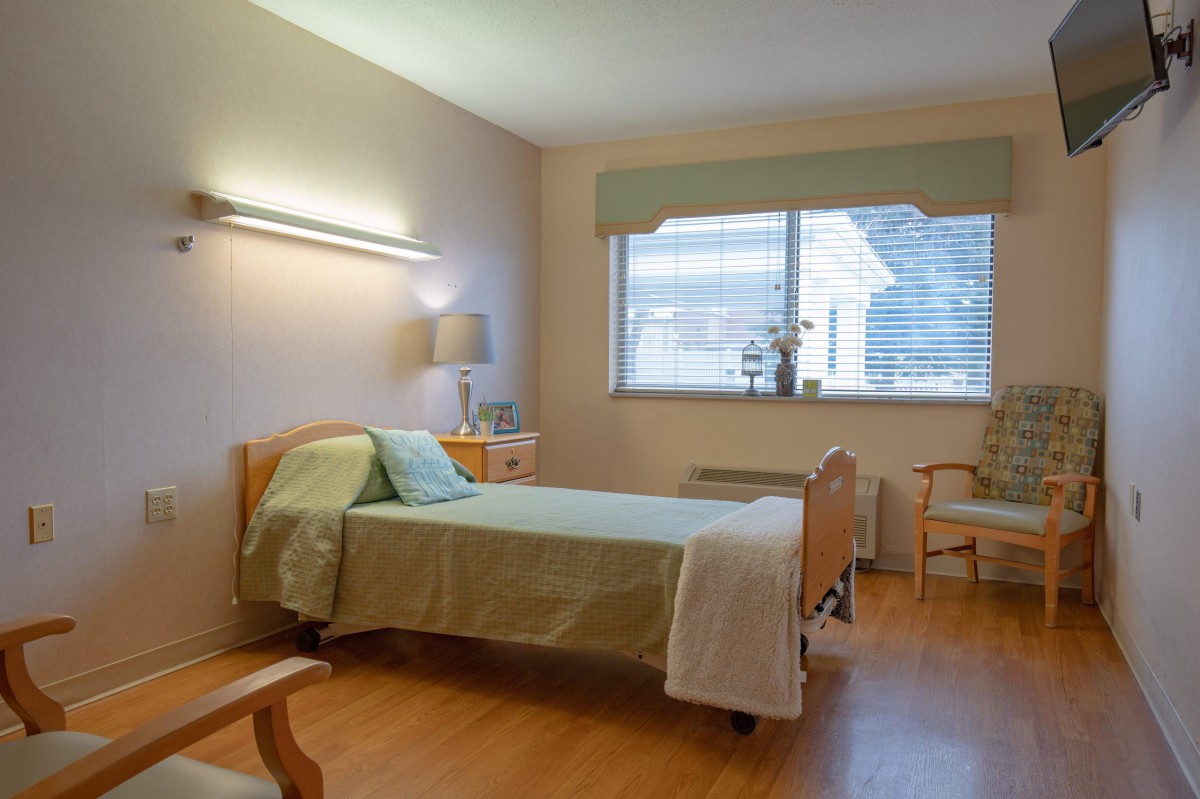
    A clean and simple hospital room with a single bed and a window.
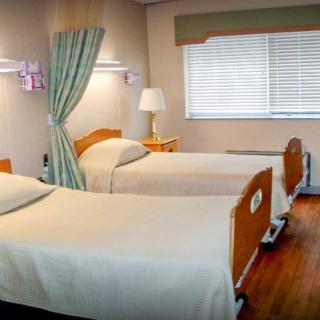
  • Windows

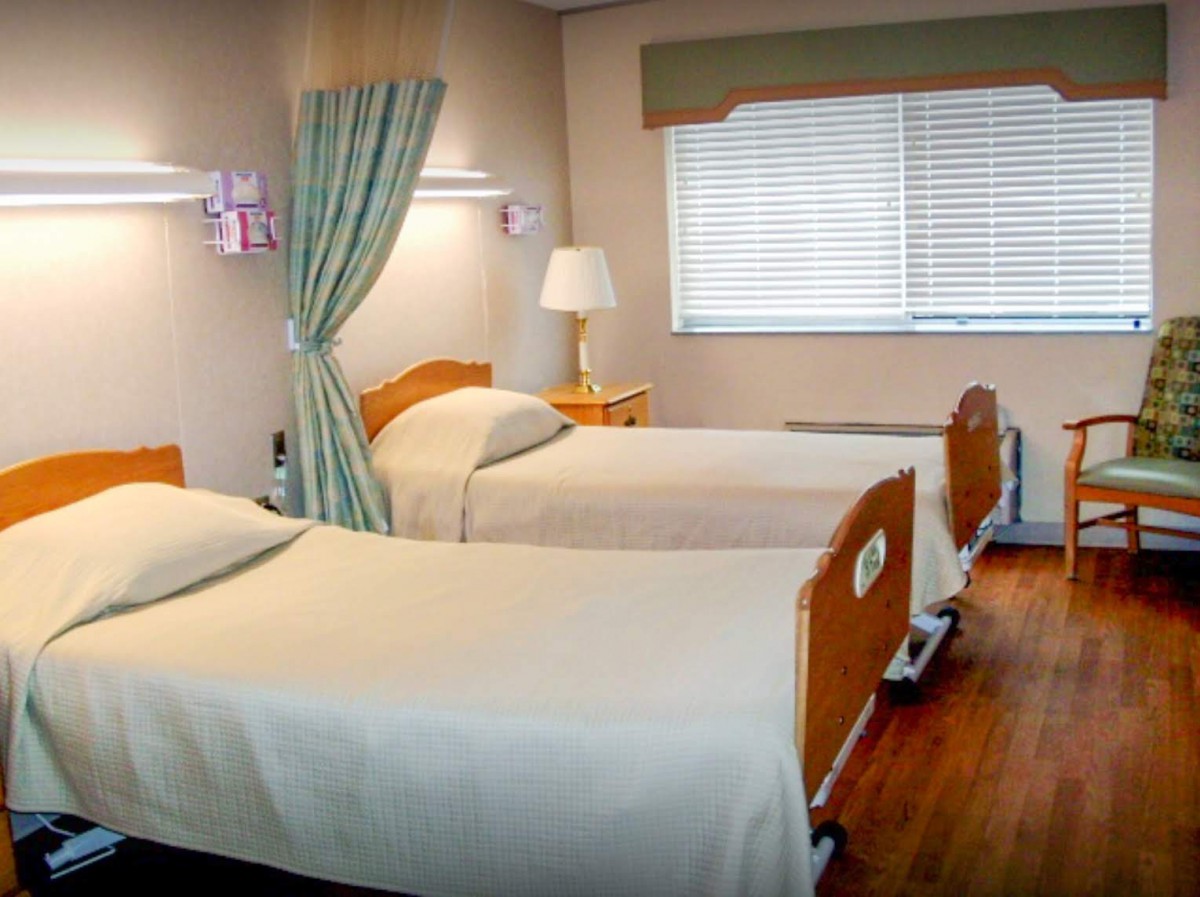
    A clean and orderly hospital room with two beds and a window allowing natural light.
  • Dining

    A restaurant interior featuring framed paintings on the wall and a dining table with chairs.
  • Office

    A modern office workspace with desks and computers.

Prairie Heights Healthcare

400 8Th Avenue Nw, Aberdeen, SD 57401

For more information about senior living options: (844) 490-3973

4.3 from 20 reviews
5 stars
13
4 stars
4
3 stars
0
2 stars
1
1 stars
2

Skilled Nursing Facility

What level of care are you interested in?

Assisted Living

Memory Care

Independent Living

Skilled Nursing Facility

Continuing Care Retirement Community (CCRC)CCRC

Other


Request a tour at Prairie Heights Healthcare

    Overall Review of Prairie Heights Healthcare

    Pros

    • pro The staff is amazing.
    • pro The therapy program is amazing.
    • pro The staff are friendly, professional, and accommodating.
    • pro Prairie Heights truly puts residents' needs front and center.
    • pro The meals are good.
    • pro The accommodations are comfortable.
    • pro The therapists are outstanding.
    • pro The facility is top notch across all departments.

    Cons

    • pro The reviewer claimed the facility uses COVID-19 policies to prevent visits, even after vaccines are available, effectively restricting visits to three people for about 20 minutes per week.
    • pro They stated CNAs and other workers are rude, the food is cold, and residents have been locked down for 11 months, with no heart shown to the place.
    • pro They alleged that in the first 24 hours there, residents were starved, deprived of bathroom access, physically abused, and forgotten at a doctor's appointment, and described the place as a horrible place.
    • pro They noted that some furnishings are worn and in need of attention.
    • pro They described the facility as a horrible prison and gave it one star.

    Review

    Prairie Heights Healthcare emerges in these recollections as a place where many residents and their families found a sense of home, care, and progress during some of the most vulnerable moments of their lives. Across heart surgeries, broken hips, and post-hospital recoveries, the common thread is a culture of attentiveness and warmth. People repeatedly describe the staff as genuinely caring, going beyond the basics to make patients feel seen. One writer recalls arriving after heart surgery and being touched by how "caring" everyone was, growing to love the staff and expressing heartfelt thanks for all that Prairie Heights did. Others echo this sentiment, noting that after difficult health events, the facility became a place where people who work there consistently treated them with kindness, patience, and personal attention.

    A standout through many narratives is the therapy program. Time and again, reviewers emphasize the excellence and focus of the physical and occupational therapy teams. Several residents or family members point to therapy as a cornerstone of the positive experiences: "The therapy staff was amazing; their program is amazing," and "therapists were outstanding." Patients frequently highlight the way therapy helped them regain strength and independence, sometimes enabling a home return within a remarkably short window. The dedication of therapists and the collaborative efforts of RNs, CNAs, and support staff are repeatedly credited as crucial to progress, with families expressing gratitude for the measurable gains and the encouragement felt by their loved ones.

    Beyond clinical care, Prairie Heights is portrayed as a community where names are known and friendships form. Multiple posts speak to the atmosphere of familiarity - staff knowing residents by name, caregivers who feel like part of the family, and residents who feel supported throughout their stay. One account describes being told their name immediately upon arrival, a small gesture that signaled respect and dignity. Another recounts birthdays being celebrated with a personal touch, such as staff singing, which underscores the sense that life and personality matter here. The sentiment is that the staff's ability to balance professional care with personal warmth helps residents maintain dignity and a sense of belonging, even when recovery is demanding.

    Several reviews spotlight long-term facets of Prairie Heights, including experiences that span years. A sister notes that her sibling has been cared for with excellence for more than seven years, forming close bonds with staff who have become part of the family. A mother-in-law's rehab journey before and after COVID is described as meaningful, with staff across housekeeping, therapy, nursing, and kitchen roles consistently going above and beyond. For many families, the facility feels not just like a service provider but a trusted home where the resident's needs are placed front and center and where family members feel reassured by the ongoing, attentive care.

    There is, however, a voice of concern that centers on the more challenging realities of running a facility during a pandemic and the rules that accompanied it. One particularly sharp critique accuses Prairie Heights of using COVID policy as an ongoing justification to limit visitation, describing a strict regime - three visitors, twenty minutes each week - and alleging that such restrictions contributed to a troubling mental state for a resident locked in their room. The reviewer calls the environment "a horrible prison" and implores management to reconsider visitation practices in light of vaccines and CDC guidelines. In response to this criticism, another resident/patient counters by insisting that they are not a prisoner and that staff have provided affection and care, emphasizing that fear and negative perceptions among some families are not universal and that progress toward more open visitation is being made. This exchange highlights the tension between protecting physical health and supporting emotional well-being, a challenge that many facilities faced during the pandemic.

    Interwoven with the praise are more pointed complaints about day-to-day realities in some areas. A few reviewers mention rude interactions from CNAs, meals that were cold, and periods of extended lockdown as evidence that not every experience was consistently positive. One strongly worded remark focuses on a single incident describing neglectful behavior - starvation, lack of access to the bathroom, and a frighteningly negative experience during a doctors' appointment - casting Prairie Heights in a harsh light. Such accounts stand in stark contrast to the bulk of the praise, reminding readers that these settings are complex, with a spectrum of experiences shaped by staffing, policy, and individual circumstances. They also serve as a call to action for continuous improvement and vigilant oversight, even as many residents and families celebrate the care they did receive.

    Despite the tensions and the difficult moments, a persistent theme across the majority of reviews is a deep appreciation for the people who work there. Several testimonials are composed as expressions of gratitude: "The staff is amazing," "the rooms are nice and the bathrooms are too," and "Thank you for taking such good care of me." The consensus across many voices is that Prairie Heights succeeds in delivering high-quality rehab and daily care while maintaining a spirit of hospitality. Families speak of feeling at ease, of staff who treat loved ones with respect, and of a sense that the facility's leadership and team genuinely want the best outcomes for residents. The repeated message is that, when the care team is aligned, Prairie Heights can be a place of recovery, stability, and warmth.

    In sum, Prairie Heights Healthcare emerges as a setting of dualities and devotion. For most reviewers, it is a place where capable therapists, attentive nurses, and a broad circle of dedicated staff help residents rebuild strength, regain independence, and reclaim a sense of home after serious health events. The care culture is described as deeply personal - staff learn names, celebrate milestones, and support families through difficult journeys. Yet there are legitimate concerns about visitation policies, consistency in daily care, and the emotional toll of restricted contact during public health crises. Taken together, the experiences form a portrait of a facility that, for many, fulfills a vital role in healing and daily living while continuing to confront real challenges that require ongoing attention and improvement.

    Features

    Housing

    • 99 resident community capacity 99 resident community capacity

    Types of Care

    • Skilled Nursing Facility Skilled Nursing FacilitySkilled Nursing Facilities are crucial for seniors as they provide round-the-clock medical care, rehabilitation services, and assistance with daily activities. These facilities ensure that seniors receive the specialized care they need to maintain their health and well-being as they age.

    Amenities

    • Air-conditioning Air-conditioningAir conditioning is important for seniors as they are more vulnerable to heat-related illnesses and may have underlying health conditions that make it difficult for them to regulate their body temperature. It helps to keep them comfortable, safe, and healthy in hot weather.
    • Beauty salon Beauty salonBeauty salons are important for seniors because they provide a space for them to feel pampered, socialize, and maintain their personal grooming and hygiene. Regular visits to a beauty salon can help boost seniors' self-esteem and overall well-being.
    • Cable or satellite TV Cable or satellite TVCable or satellite TV is important for seniors because it provides entertainment, news, and companionship, helping to combat loneliness and boredom. It also offers a wide range of programming options tailored to different interests and preferences.
    • Computer center Computer centerA computer center is essential for seniors as it provides access to technology, communication tools, and resources that can enhance their daily lives. It allows them to stay connected with loved ones, engage in online activities, and learn new skills, ultimately promoting socialization and mental stimulation.
    • Dining room Dining roomDining rooms are important for seniors as they provide a space for socialization, connection, and nutritious meals. They offer opportunities for residents to bond over shared meals, foster a sense of community, and promote healthy eating habits. Dining rooms also ensure that seniors have access to well-balanced meals tailored to their dietary needs and preferences.
    • Fitness room Fitness roomHaving a fitness room in a senior living community is essential for seniors to stay active, maintain their physical health, and improve their overall well-being. Regular exercise can help prevent falls, reduce the risk of chronic diseases, and promote mental sharpness. It also provides social opportunities for residents to connect with others and enjoy a sense of community.
    • Fully furnished Fully furnishedFully furnished senior living communities are important for seniors because they provide convenience, comfort, and a hassle-free moving experience. Seniors can easily settle into their new living space without the stress of having to buy and move furniture. This allows them to focus on enjoying their new home and community.
    • Gaming room Gaming roomGaming rooms are important for seniors as they provide a fun and engaging environment for socializing, cognitive stimulation, and physical activity. Games can improve memory, problem-solving skills, and overall mental well-being while fostering friendships and reducing feelings of isolation.
    • Garden GardenGardens are important for seniors as they provide a peaceful and therapeutic environment for relaxation, physical activity, and socialization. Being in nature has been shown to reduce stress, improve mood, and promote overall well-being. Gardens also offer opportunities for seniors to engage in gardening activities, which can improve mobility, flexibility, and cognitive function. Additionally, gardens create a sense of community and connection with others who share a passion for plants and outdoor spaces.
    • Housekeeping services Housekeeping servicesHousekeeping services are important for seniors because they help maintain a clean and safe living environment, promote independence, and reduce the risk of accidents or illnesses. Additionally, having assistance with household chores can alleviate physical strain and allow seniors to focus on other aspects of their well-being.
    • Kitchenette KitchenetteKitchenettes are important for seniors living in senior living communities because they provide the convenience and independence of being able to prepare simple meals and snacks in the comfort of their own living space. This can help promote a sense of autonomy and well-being for seniors, allowing them to maintain some level of control over their dietary choices and daily routines.
    • Move-in coordination Move-in coordinationMove-in coordination is important for seniors because it helps ease the transition into their new living environment. It ensures that all logistics, such as packing, organizing movers, and setting up utilities are taken care of, allowing seniors to focus on settling in and adjusting to their new home. Having a smooth move-in process can alleviate stress and anxiety, making the transition smoother and more enjoyable for seniors.
    • Outdoor space Outdoor spaceOutdoor spaces are important for seniors as they provide opportunities for physical activity, social interaction, exposure to natural light and fresh air, and a sense of connection to nature. Having access to outdoor spaces can improve overall well-being and quality of life for older adults living in senior communities.
    • Private bathrooms Private bathroomsPrivate bathrooms are important for seniors in senior living communities because they provide independence, dignity, and comfort. Having a private bathroom allows seniors to maintain their personal hygiene routines without the need for assistance, promoting a sense of autonomy and privacy. Additionally, private bathrooms help prevent the spread of infections and provide a safe and clean environment for seniors to navigate safely.
    • Restaurant-style dining Restaurant-style diningRestaurant-style dining is important for seniors because it allows them to enjoy delicious, nutritious meals in a social and upscale setting. This enhances their dining experience, promotes healthy eating habits, and fosters socialization with fellow residents, ultimately contributing to their overall well-being and quality of life.
    • Small library Small librarySmall libraries are important for seniors as they provide access to a variety of reading materials, including books, newspapers, and magazines. This can help stimulate their minds, keep them engaged, and provide a sense of community through book clubs and other social activities. Additionally, reading has been shown to improve cognitive function and overall mental well-being in older adults.
    • Telephone TelephoneTelephones are important for seniors as they provide a lifeline for communication with loved ones, emergency services, and healthcare providers. They offer a sense of security and independence, enabling seniors to stay connected and access assistance when needed.
    • Wellness center Wellness centerWellness centers are important for seniors because they offer a variety of programs and services that promote physical, mental, and emotional well-being. These centers provide opportunities for exercise, socialization, education, and relaxation, helping seniors maintain their overall health and quality of life.
    • Wi-Fi/high-speed internet available Wi-Fi/high-speed internet availableWi-Fi/high-speed internet is important for seniors to stay connected with loved ones, access online resources, and participate in virtual activities to combat feelings of loneliness and isolation. It also allows them to easily manage healthcare needs, access entertainment, and engage in lifelong learning opportunities.

    Transportation

    • Aberdeen Regional (4 miles away) Aberdeen Regional (4 miles away)
    • Community operated transportation Community operated transportationCommunity operated transportation is crucial for seniors as it provides them with the means to access essential services, social activities, and medical appointments. It allows seniors to maintain their independence and quality of life by ensuring they can participate in activities outside of their homes. Additionally, community-operated transportation services offer a safe and reliable way for seniors to travel without having to rely on family or friends for assistance.
    • Transportation arrangement Transportation arrangementTransportation arrangements are crucial for seniors as they may face challenges with driving, mobility, or access to public transportation. Having reliable transportation services ensures that seniors can easily attend appointments, social activities, and maintain their independence and quality of life.
    • Transportation arrangement (non-medical) Transportation arrangement (non-medical)Transportation arrangements are essential for seniors as they provide access to essential services, activities, and social interactions outside the home. This service helps maintain independence, mobility, and overall well-being for seniors who may have limited transportation options.
    • Transportation to doctors appointments Transportation to doctors appointmentsTransportation to doctors appointments is crucial for seniors as it ensures they have access to necessary medical care and support, promoting their health and well-being. It allows them to receive timely treatment, monitor existing conditions, and address any new health concerns efficiently. Additionally, transportation services can help seniors maintain their independence and quality of life by enabling them to stay connected with their healthcare providers.

    Care Services

    • 12-16 hour nursing 12-16 hour nursing12-16 hour nursing care is crucial for seniors in order to ensure around-the-clock monitoring, timely medication administration, and prompt response to any health concerns or emergencies. This level of care helps to promote the overall well-being and safety of seniors living in senior living communities.
    • 24-hour call system 24-hour call system24-hour call systems are important for seniors because they provide peace of mind and immediate assistance in case of emergencies. This technology ensures that help is always available, promoting safety and security for elderly individuals living alone or in assisted living facilities.
    • 24-hour supervision 24-hour supervision24-hour supervision is important for seniors to ensure their safety, well-being, and access to immediate assistance in case of emergencies or health issues. This constant support provides peace of mind for both seniors and their loved ones, allowing them to age in place with dignity and security.
    • Activities of daily living assistance Activities of daily living assistanceActivities of daily living assistance are important for seniors because they provide essential support with tasks such as eating, bathing, dressing, and mobility. This assistance helps seniors maintain their independence, dignity, and overall quality of life as they age.
    • Assistance with bathing Assistance with bathingAssistance with bathing is crucial for seniors as it helps maintain personal hygiene, prevents infections, and ensures their overall well-being and comfort. It also provides a sense of dignity and independence for seniors who may struggle with this task on their own.
    • Assistance with dressing Assistance with dressingAssistance with dressing is important for seniors because it helps maintain their independence, promotes personal hygiene, prevents accidents and injuries, and improves overall quality of life. This service ensures that seniors can continue to dress comfortably and confidently, despite any physical limitations they may have.
    • Assistance with transfers Assistance with transfersAssistance with transfers is crucial for seniors as it helps prevent falls and injuries, maintains their independence, and ensures they can safely navigate their living environment. It also provides peace of mind for both seniors and their loved ones.
    • Diabetes diet Diabetes dietA diabetes diet is crucial for seniors as it helps manage blood sugar levels, reduce risks of complications, and improve overall health and well-being. By following a balanced and nutritious diet tailored to their specific needs, seniors can better control their diabetes and enhance their quality of life.
    • Meal preparation and service Meal preparation and serviceMeal preparation and service are crucial for seniors as they may have limited mobility or energy to cook nutritious meals. Having access to healthy and convenient food options can ensure they are getting the proper nutrition needed to maintain their overall health and well-being.
    • Medication management Medication managementMedication management is crucial for seniors to ensure they are taking the right medications at the correct dosages and times. This helps prevent adverse drug interactions, reduces the risk of medication errors, and promotes overall health and well-being. Proactive management also allows for adjustments as needed based on changing health conditions or new prescriptions.
    • Mental wellness program Mental wellness programMental wellness programs are essential for seniors as they promote cognitive stimulation, emotional support, and social engagement. These programs help prevent isolation, depression, and cognitive decline, ultimately enhancing the overall quality of life for older adults.
    • Special dietary restrictions Special dietary restrictionsSpecial dietary restrictions are important for seniors because age-related changes in metabolism and health conditions can make it difficult for their bodies to process certain foods. By following a diet tailored to their specific needs, seniors can maintain their overall health and well-being, manage chronic conditions, and reduce the risk of complications such as malnutrition or food interactions with medications.

    Dining

    • Diabetes diet Diabetes dietA diabetes diet is crucial for seniors as it helps manage blood sugar levels, reduce risks of complications, and improve overall health and well-being. By following a balanced and nutritious diet tailored to their specific needs, seniors can better control their diabetes and enhance their quality of life.
    • Special dietary restrictions Special dietary restrictionsSpecial dietary restrictions are important for seniors because age-related changes in metabolism and health conditions can make it difficult for their bodies to process certain foods. By following a diet tailored to their specific needs, seniors can maintain their overall health and well-being, manage chronic conditions, and reduce the risk of complications such as malnutrition or food interactions with medications.

    Activities

    • Community-sponsored activities Community-sponsored activitiesCommunity-sponsored activities are important for seniors as they provide opportunities for social interaction, mental stimulation, and physical activity. These activities can help improve overall well-being, combat loneliness and isolation, and promote a sense of belonging and purpose among older adults.
    • Concierge services Concierge servicesConcierge services are essential for seniors as they provide assistance with daily tasks and errands, enhance their quality of life by offering convenience and personalized care, and promote a sense of safety and security.
    • Fitness programs Fitness programsFitness programs are crucial for seniors as they help improve strength, flexibility, balance, and overall well-being. Staying active can reduce the risk of chronic diseases, improve mental health, and enhance quality of life in older adults.
    • Planned day trips Planned day tripsPlanned day trips are important for seniors because they offer opportunities for socialization, mental stimulation, and physical activity. They provide a change of scenery and help seniors stay engaged and connected to their community, promoting overall well-being and quality of life.
    • Resident-run activities Resident-run activitiesResident-run activities are important for seniors as they encourage social interaction, creativity, and a sense of autonomy. These activities empower seniors to stay engaged and active in their community while fostering meaningful connections with their peers.
    • Scheduled daily activities Scheduled daily activitiesScheduled daily activities are important for seniors because they provide structure, socialization, mental stimulation, and physical activity. Engaging in regular activities can improve overall well-being and quality of life for seniors living in a community setting.

    Description

    Prairie Heights Healthcare in Aberdeen, SD is an assisted living community that provides a wide range of amenities and care services to ensure the comfort and well-being of its residents. The community offers a variety of amenities including a beauty salon, cable or satellite TV, a computer center, a fully furnished environment, a gaming room, a small library, and Wi-Fi/high-speed internet access. Residents can enjoy delicious meals in the dining room with restaurant-style dining and special dietary restrictions can be accommodated.

    The care services provided at Prairie Heights Healthcare include assistance with activities of daily living such as bathing, dressing, and transfers. The staff is available 24/7 through the call system and provides supervision round-the-clock. Medication management is also offered to ensure that residents take their medications properly. A mental wellness program is in place to support residents' emotional health.

    The community understands the importance of maintaining an active lifestyle and offers various activities for residents to engage in. These include fitness programs, resident-run activities, planned day trips, and scheduled daily activities. Concierge services are available to assist residents with any needs they may have.

    Furthermore, Prairie Heights Healthcare is conveniently located near two cafes, five parks, six pharmacies, 18 physicians' offices, 31 restaurants, nine transportation options, 15 places of worship, one theater and five hospitals.

    Overall, Prairie Heights Healthcare provides a comfortable and supportive environment for seniors in need of assisted living services while also offering amenities and opportunities for socialization and engagement within the local community.

    Nearby Places of Interest

    Physicians

    • Ophthalmology Associates (0.1 miles)
    • I Surgery (0.1 miles)
    • Orthopedic Center Of The Dakotas (0.3 miles)
    • Northeastern Mental Health Center (0.5 miles)
    • Matthew C Reynen (0.8 miles)
    • Stehly Christine MD (1 miles)
    • Aberdeen Surgical Associates (1 miles)

    Places of Worship

    • Christian Worship Hour (0.1 miles)
    • New Life Fellowship (0.3 miles)
    • Immanuel Bible Church (0.4 miles)
    • Presentation Sisters-Convent (0.5 miles)
    • St Mary's Church (0.8 miles)
    • St Mary's Catholic Church (0.8 miles)
    • North Highland United Methodist Church (0.9 miles)

    Restaurants

    • Daddy's Bar Grill (0.3 miles)
    • McDonald's (0.4 miles)
    • Max & Erma's (0.4 miles)
    • Mazatlan Mexican Restaurant (0.7 miles)
    • Slackers (0.8 miles)
    • Silver Dollar Bar (0.9 miles)
    • Lager's Inn (0.9 miles)

    Hospitals

    • Dakota Plains Surgical Center (0.3 miles)
    • Jewett Drug Company (0.8 miles)
    • Avera St Luke's Home Health Care, Nadric, Worksmart (1.2 miles)
    • Avera St Luke's Hospital (1.6 miles)
    • Johnson, Julie Dr - Sanford Aberdeen Clinic (2.5 miles)

    Transportation

    • U-Haul Neighborhood Dealer (0.5 miles)
    • Roger's Taxidermy Studio (1.9 miles)
    • U-Haul Neighborhood Dealer (2 miles)
    • U-Haul Neighborhood Dealer (2.1 miles)
    • Hangar 9 (3.8 miles)
    • Aberdeen Airport Parking Lot (4 miles)
    • Avis Rent A Car (4 miles)

    Parks

    • Aldridge Park (0.5 miles)
    • Aldrich Park (0.5 miles)
    • Sunshine Park (1 miles)
    • Central Park (1 miles)
    • Melgaard Park (2.1 miles)
    • Stratford Community Park (14.3 miles)

    Cafes

    • CJ's Patisserie (0.9 miles)
    • Starbucks (2.8 miles)

    Theaters

    • Capitol Cinema (1 miles)

    Pharmacies

    • State Street Pharmacy (1.1 miles)
    • Lewis Drug (1.1 miles)
    • Plaza Pharmacy (1.2 miles)
    • Kessler's Pharmacy (1.3 miles)
    • Jones Drug Prescription Center (1.4 miles)
    • Plaza Pharmacy (2.1 miles)

    Frequently Asked Questions

    Where is Prairie Heights Healthcare?
    What photos are available for Prairie Heights Healthcare in Aberdeen, South Dakota?

    Nearby Communities

    Related Resources

    • living will definitionA Detailed Exploration of Living Wills and Advance Directives

      The article examines living wills and advance directives, highlighting their significance in expressing healthcare preferences for those unable to communicate due to illness or incapacity. It discusses their historical development, legal components, limitations, practical drafting advice, and the importance of clear communication among families and healthcare professionals regarding end-of-life decisions.

    • does medicare cover hospiceComprehensive Guide to Medicare Coverage for Hospice Care

      Hospice care focuses on providing comfort and support for individuals nearing the end of life, with Medicare Part A covering services like nursing care and counseling for patients with a terminal illness and a life expectancy of six months or less. While most hospice services are low-cost for eligible patients, families should be aware that certain expenses, such as room and board, may not be covered.

    • caregiver burnoutCaring for Those Who Care: Recognizing, Understanding, and Overcoming Caregiver Burnout

      Caregiver burnout is a common issue resulting from the intense physical, emotional, and mental demands of caregiving, leading to symptoms like fatigue and social withdrawal. To prevent burnout, caregivers should recognize early warning signs and implement self-care strategies, seek support, and prioritize their own well-being alongside that of those they care for.


    Get Pricing Ask A Question Schedule A Tour Contact Senior Advisor