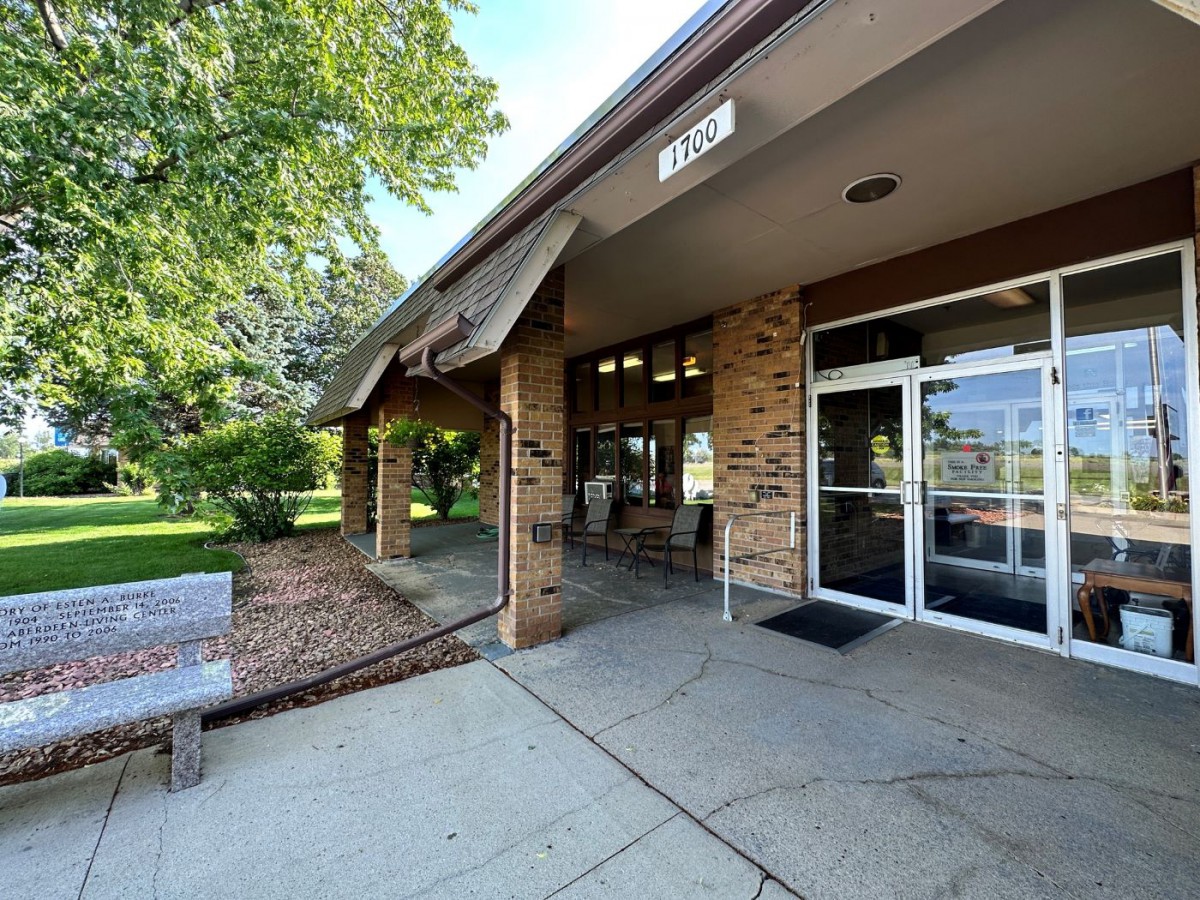

1700 North Highway 281, Aberdeen, SD 57401
To contact a resident: (605) 225-7315
For more information about senior living options: (866) 208-4318
Overall Review of Aberdeen Health And Rehab
Cons
 The facility is not a good place to send family if they love them.
- The reviewer would give no stars if possible.
- The mom has only been there two days and already has not had a great experience.
- She was left on a bed pan because she isn’t able to get up.
- There is a shortage of water for patients at Aberdeen Health and Rehab.
- In short-term care there were no problems a year ago, but now in long-term care there have been nothing but problems.
- The reviewer is disappointed and questions whether the facility is better than that.
- The reviewer plans to file a report and is searching for another place for the mom to stay, as they do not trust the facility.
Review
Aberdeen Health And Rehab is best suited for families that can actively shepherd care and for residents who are relatively mobile or entering a short-term recovery trajectory rather than those who require constant, hands-on attention. The facility has earned a mix of ratings, and while several reviewers speak positively about staff interactions and daily routines, the more recent experiences of long-term residents with limited mobility reveal gaps that cannot be ignored. When operations stay steady and oversight is present, the environment can feel stable, predictable, and supportive enough for short stays or light assistance. However, the decisive factor here is consistency in caregiving for immobile residents, and that is where risk rises quickly.
Those evaluating options should be explicit about who may want to consider alternatives. Families with relatives who require vigilant, ongoing, hands-on care, especially around hydration, toileting, and timely response to needs, should scrutinize whether staffing levels and daily practices can meet those demands every shift. The most troubling anecdotes describe neglect-like scenarios (being left on a bed pan) and situations where basic resources (water) ran short for residents who cannot advocate for themselves. For non-ambulatory elders or those needing reliable, proactive supervision, alternatives with stronger, demonstrable staffing reliability and escalation protocols are worth prioritizing. Distance from the facility should also factor into the decision, as frequent visits are often essential in managing risk.
On balance, the positive reviews imply meaningful strengths when the operation runs smoothly. Pros often cited include courteous staff, a clean environment, and a predictable routine that can support recovery or general daily living. These elements matter and can contribute to a respectful, dignified experience during a brief stay or for a resident who can participate actively in some aspects of care. Yet those advantages are not consistently realized, and the discordance between favorable accounts and the recent, more alarming reports underscores a core risk: care quality appears inconsistent. In practical terms, good days are not a reliable predictor of outcomes for residents with limited mobility or complex daily needs.
The core pros, where they exist, tend to hinge on visible staff engagement and a welcoming atmosphere, but these advantages are not sufficient to offset serious cons when they appear. If a family can observe care closely, set clear expectations, and require transparent, frequent communication, some benefits may be retained. However, for residents who depend on steady hydration, timely help with toileting, and immediate attention to distress, the frequency and severity of lapses quickly tilt the balance toward seeking alternatives. Aberdeen Health And Rehab can be workable in a tightly managed, monitored context, but the risk profile grows as issues recur and escalate.
A practical evaluation plan should begin with an on-site, multi-visit assessment that looks beyond a glowing brochure. Request a current staffing schedule, observe call-light response times, and interview frontline staff about daily routines and how hydration and toileting are handled. Review the latest survey results and any complaint histories, focusing on patterns of care gaps and how the facility addresses them. Ask for a detailed care plan for the prospective resident, including contingency steps if needs outpace current capabilities. Establish a trial period with objective milestones and a clear escalation process if problems reappear. Have backups ready, alternate facilities or in-home care options, so the decision can be reversed promptly if care standards do not hold.
Bottom line: Aberdeen Health And Rehab may serve well for families who can maintain rigorous oversight and who anticipate a manageable, relatively low-dependency stay or a setting where short-term rehab is the goal. For loved ones with severe mobility limitations, or for those who require consistent, proactive hydration and timely assistance without fail, alternatives deserve serious consideration. The final decision should hinge on verifiable staffing reliability, transparent communication, and a demonstrated track record of upholding residents’ dignity across all shifts. Proceed only with explicit, written expectations and a plan to intervene immediately if care gaps recur.
 82 resident community capacity
 Memory Care
 Skilled Nursing Facility
 Air-conditioning
 Beauty salon
 Cable or satellite TV
 Computer center
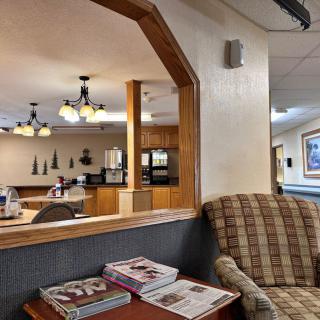
 Dining room
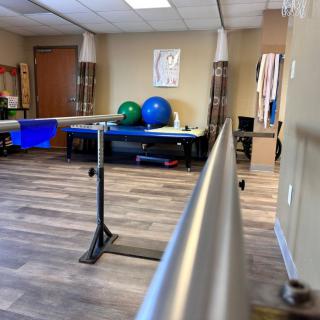
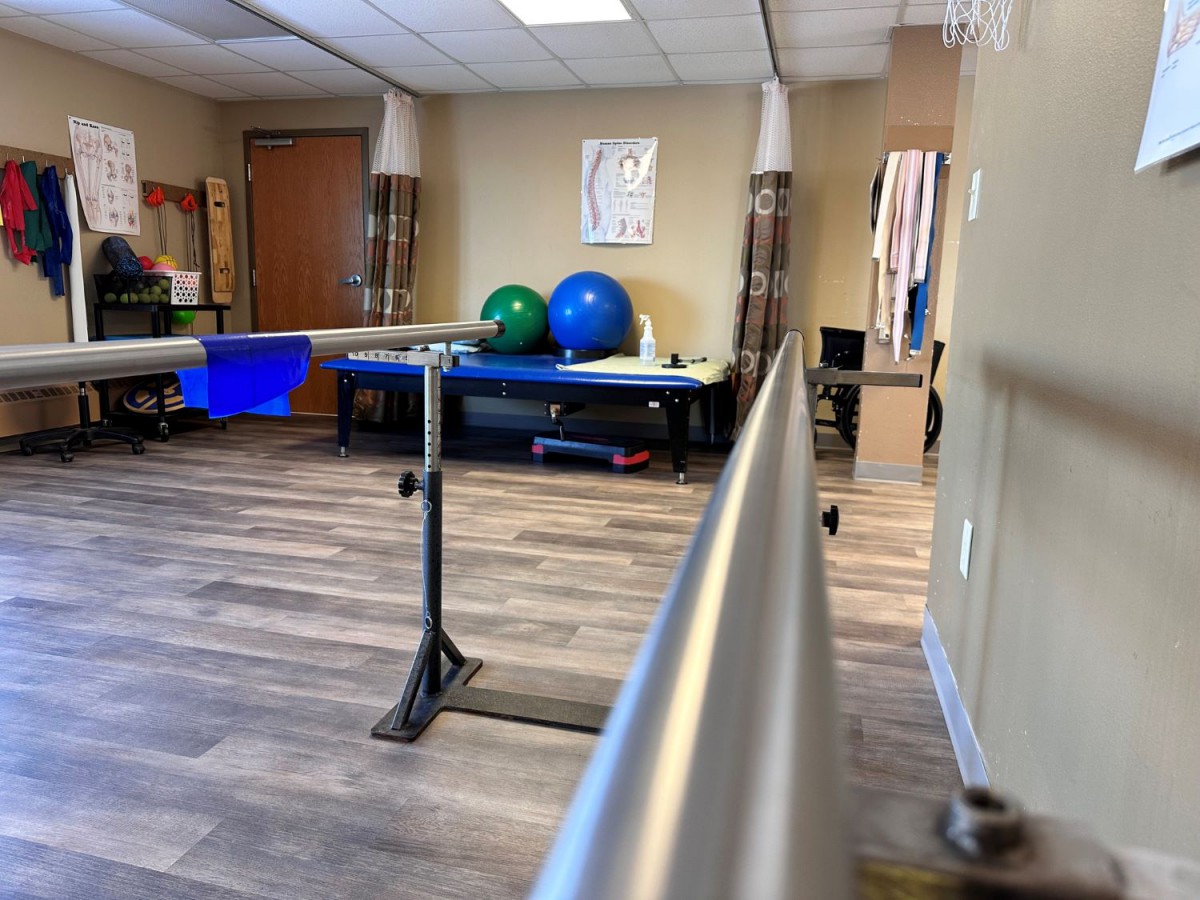
 Fitness room
 Fully furnished
 Gaming room
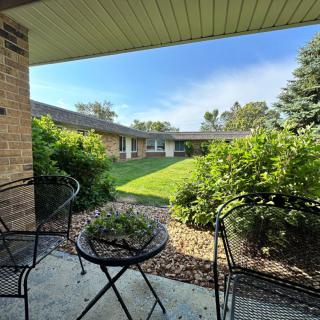
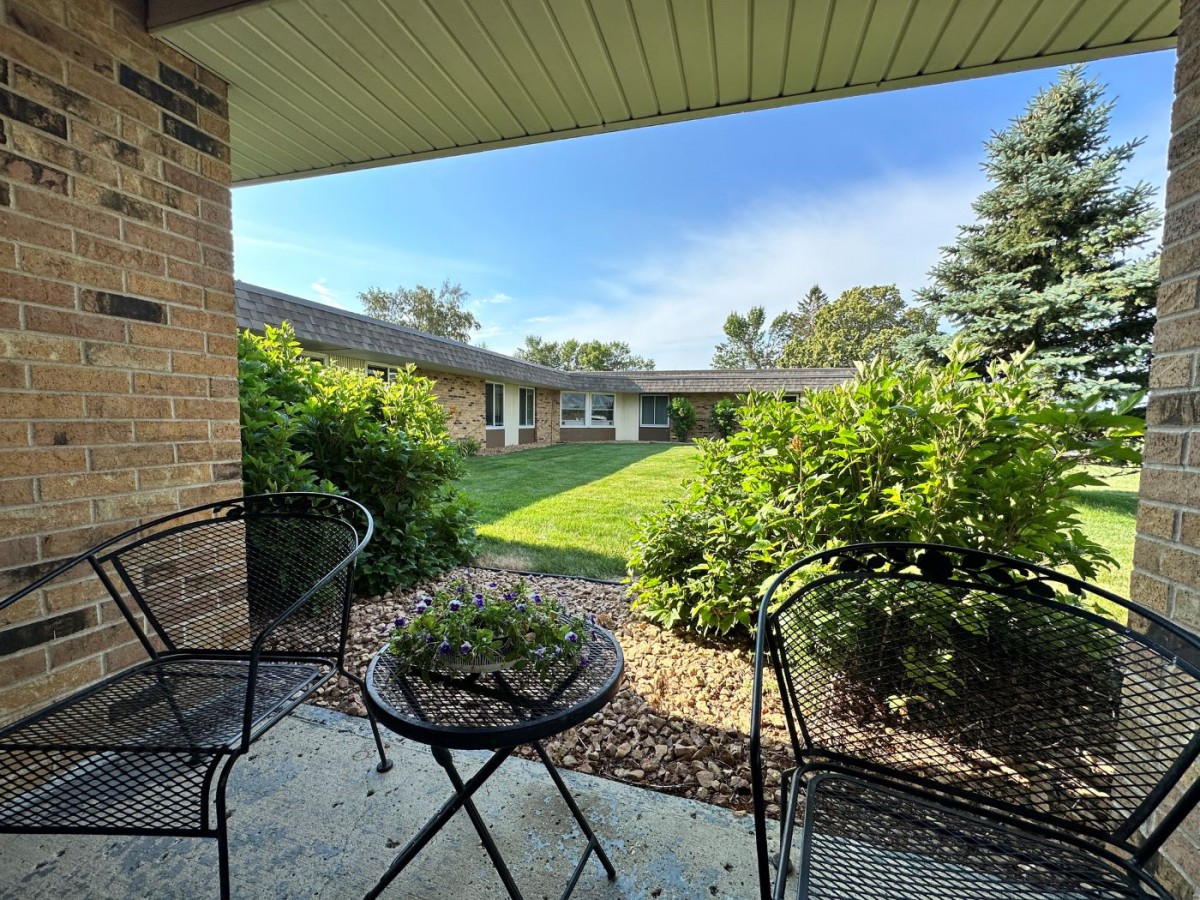
 Garden
 Housekeeping services
 Kitchenette
 Move-in coordination
 Outdoor space
 Private bathrooms
 Restaurant-style dining
 Small library
 Telephone
 Wellness center
 Wi-Fi/high-speed internet available
 Aberdeen Regional (5 miles away)
 Community operated transportation
 12-16 hour nursing
 24-hour call system
 Activities of daily living assistance
 Assistance with bathing
 Assistance with dressing
 Assistance with transfers
 Diabetes diet
 Medication management
 Mental wellness program
 Special dietary restrictions
 Concierge services
 Planned day trips
 Robust amenities and round-the-clock care with engaging activities




 When Dementia Sparks Anger and Aggression: Understanding the Connection and Ways to Cope
 Dementia Behaviors: In-Depth Understanding and Effective Coping Strategies
 5 Early Indicators of Dementia and What You Can Do