
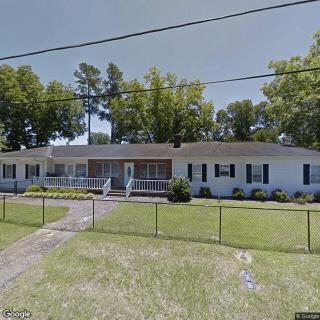
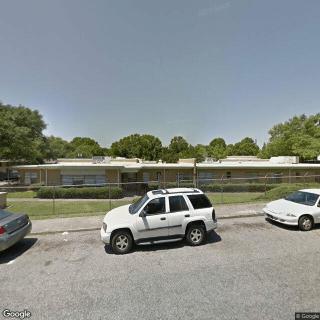
1180 Wolfe Trail, Orangeburg, SC 29115
For more information about senior living options: (866) 208-4318
Overall Review of Jolley Acres Healthcare Center
Pros
 The staff are caring and provide top-notch care.
- The rehabilitation center delivers compassionate, attentive care.
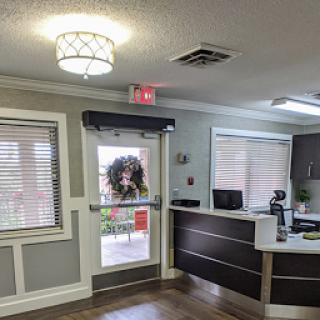
- The staff greet visitors at the door and monitor access with care.
- There is on-site therapy and an activities director to support residents’ well-being.
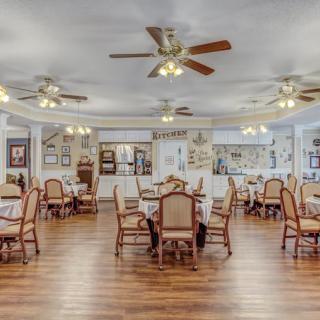
- The meals are hearty and smell delicious, with good nutrition support.
- The facility is clean, well-maintained, and inviting.
- The staff readily answer questions and communicate clearly with families.
Cons
 The staff were rude and unwilling to help him.
- The building had a strong stench.
- A staff member yelled at a resident to get away from the door.
- They never received the tour.
- People planning to place a loved one here should seriously reconsider.
- Two elderly residents with memory issues weren’t monitored more thoroughly.
- The pureed food is sometimes too thick.
- The meals are a bit expensive.
Review
Jolley Acres Healthcare Center in Orangeburg is best suited for families pursuing short- to mid-term rehabilitation with an emphasis on hands-on therapy, daily routines, and a care team that appears genuinely engaged in residents’ recovery. The rehabilitative focus stands out in reviews that consistently praise on-site therapy and an activities director who helps residents maintain structure and social connection. Across several accounts, the care staff is described as attentive and caring, with meals that are appetizing and a living environment that supports participation in daily life. For families prioritizing tangible rehab progress and a welcoming day-to-day atmosphere, Jolley Acres offers a pragmatic pathway to regain strength and independence.
Those weighing Jolley Acres against alternatives should recognize who may want to consider other options. For residents whose priority is a highly monitored memory-care setting, or whose needs demand constant, seamless responsiveness from front-line staff, Jolley Acres may not be the best fit. Some reviewers describe early experiences marked by abrupt or unfriendly interactions, and there are concerns about monitoring memory-impaired residents and ensuring consistent safety oversight. Additionally, environmental concerns, such as a strong odor reported by a visitor and variability in the perceived calmness of different shifts, can be a signal of underlying process gaps. Cost is another factor; while some care is insurance-covered, the overall expense can be a hurdle for families with tight budgets or uncertain coverage.
The strongest positives, especially for rehab-focused families, tave together to create meaningful momentum. The rehabilitation center earns high marks for the quality of therapy, with staff reported to be compassionate, patient, and highly involved in patients’ progress. An on-site therapy program, clear availability of care services, and a robust activities program contribute to meaningful engagement and a sense of purpose for residents. Cleanliness and a visible commitment to residents’ daily routines further reinforce a stable, supportive environment. When these elements align, Jolley Acres can offset some operational frictions by delivering measurable improvements in mobility, endurance, and daily functioning, which is precisely what families need during recovery periods.
Nevertheless, the cons carry significant weight for ongoing, long-term placement decisions. Real or perceived lapses in safety, especially for memory-impaired residents, can undermine trust in the facility’s ability to protect vulnerable loved ones. Reports of tense front-desk interactions or a sense that attention to individual needs wavers at times make it essential to scrutinize staffing stability and supervisory practices. The risk of environmental inconsistency, odor, shifting room assignments, and the impression of a busy, sometimes hectic atmosphere, may erode comfort for residents who prize predictability and quiet routines. For families prioritizing a consistently calm, tightly supervised setting, these factors may outweigh rehab advantages.
Given the mix, due diligence is nonnegotiable. Prospective residents should secure a current, detailed care plan and observe multiple shifts to gauge consistency in staff availability and tone. Requests for the latest activity calendars, therapy schedules, and staffing ratios will illuminate how well rehabilitation momentum is maintained across the day. Inquiries about memory-care capabilities, procedures for supervising memory-impaired residents, and how room configurations are managed (private versus shared) are essential. Verify cost structures and confirm how insurance interacts with out-of-pocket expenses. A thorough, unhurried tour focused on resident interactions, cleanliness, and meal service will reveal whether Jolley Acres can deliver both safety and recovery momentum in the long run.
Bottom line: Jolley Acres Healthcare Center is a practical choice for families prioritizing rehabilitative progress, dedicated staff engagement, and a daily environment that supports activity and nutrition. The facility’s rehab strength, staff warmth, and structured routines offer clear advantages for recovery goals. However, the decision should hinge on the importance placed on consistent safety monitoring, stable front-line care, and a calm, predictable atmosphere. For families where memory-care oversight and uninterrupted, responsive supervision are paramount, exploring alternatives may yield a better long-term alignment. In the right context, Jolley Acres represents a solid, no-nonsense option that can deliver real gains without sacrificing human warmth.
 60 resident community capacity
 Skilled Nursing Facility
 Air-conditioning
 Beauty salon
 Cable or satellite TV
 Computer center
 Dining room
 Fitness room
 Fully furnished
 Gaming room
 Garden
 Housekeeping services
 Kitchenette
 Move-in coordination
 Outdoor space
 Private bathrooms
 Restaurant-style dining
 Small library
 Telephone
 Wellness center
 Wi-Fi/high-speed internet available
 Community operated transportation
 12-16 hour nursing
 24-hour call system
 Activities of daily living assistance
 Assistance with bathing
 Assistance with dressing
 Assistance with transfers
 Diabetes diet
 Medication management
 Mental wellness program
 Special dietary restrictions
 Concierge services
 Planned day trips


 Ten Vital Duties of a Senior Caregiver: A Comprehensive Guide
 9 Stimulating Memory Activities for Seniors: Puzzles, Cards, and Much More
 Managing Nursing Home Expenses After Medicare Coverage Ends