
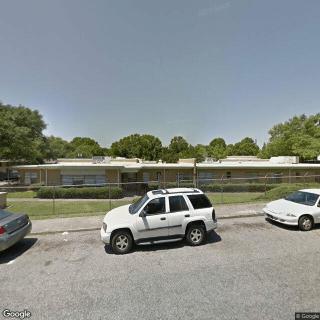
260 Seminole Drive, Orangeburg, SC 29115
For more information about senior living options: (866) 208-4318
Overall Review of Abundant Life Adult Care
Pros
 The staff were friendly and the facility was clean.
- The staff were very caring and there was a family-like atmosphere.
- Longwood Plantation and Magnolia Place were perfect for her needs as dementia progressed.
- The staff treated her like family and provided the kind of assistance and care she needed.
- She spent her final years in a safe and loving environment and was very happy there.
Cons
 The nanny died there due to lack of care.
- She died with bones showing in her heel due to lack of care.
- She died with bad bed sores on her back because she was not turned every two hours.
Review
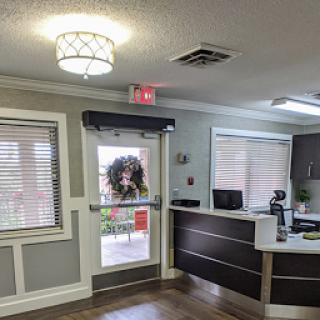
This Orangeburg community is best suited for families seeking a small, home‑like setting where assisted living can evolve into memory care on the same campus. It works well for residents who value hands‑on, attentive staff, a clean, orderly environment, and predictable visiting routines. The on‑site memory care option, connected through Longwood Plantation’s Magnolia Place, offers continuity for dementia care as needs progress. For many families, the convenient Orangeburg location makes regular visits feasible and reassuring. In practical terms, Abundant Life Adult Care presents a sensible option for those who want warmth, personal attention, and a clear path from daily living support to memory‑focused care.
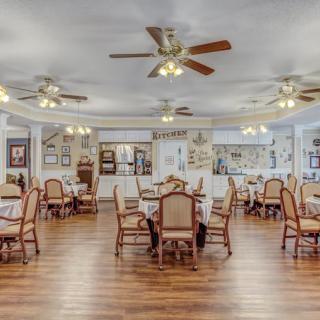
The strongest positives here are grounded in everyday experience: staff described as friendly, a clean facility, and a sense of a family‑like atmosphere that can matter deeply to both residents and their loved ones. The memory care unit appears to be integrated into the campus in a way that supports continuity of care and consistent staff relationships, which can reduce anxiety for families during transitions. The combination of attentive service and a welcoming environment tends to translate into meaningful, steady routines, meals, activities, and gentle oversight, that families often equate with dignity and safety. For relatives who want easy access to the care team and visible daily warmth, these advantages are compelling.
Yet the picture cannot ignore a troubling firsthand account: one reviewer described a dire failure of care, detailing severe bedsores and a death attributed to not turning the resident regularly. That report skewers the otherwise positive perception and raises legitimate red flags about clinical oversight, wound care, and shift accountability. While it may not reflect the experience of every resident, its presence in the record means prospective families must investigate care protocols with diligence. Potential indicators to scrutinize include staff-to-resident ratios, turning schedules, wound care training, incident reporting, and the availability of a dedicated nursing presence around the clock. This is not a risk to overlook.
When balanced with the documented strengths, the pros can offset the cons for families who prioritize a nurturing, visit‑friendly setting and a built‑in dementia care path. The favorable experiences suggest a culture where staff engagement and resident well‑being are real priorities, which can translate into calmer days for residents and greater peace of mind for families. The memory care component on site provides a more seamless continuum of care, reducing the burden of transitions. However, the critical caveat is that high‑quality memory and medical oversight must be verifiably consistent; without that, warmth alone cannot compensate for gaps in clinical rigor. Prospective residents should verify staffing patterns, care plans, and turn‑day compliance before committing.
For decision making, use a practical checklist: request a tour focused on the memory care unit and observe interactions between staff and residents; ask to speak with the director about care protocols, turning schedules, pressure‑ulcer prevention, and emergency response. Probe current family references about daily life, meal service, activity programs, and how often care plans are updated. Clarify staffing‑level commitments during evenings and weekends, and obtain written assurances about wound care and skin integrity management. If the goal is a setting where family visits are routine and dementia care is integrated, Abundant Life can meet that need, so long as robust oversight and transparent communication accompany the warmth.
In the end, Abundant Life Adult Care is a practical, credible option for families who value a welcoming, visitable environment with a built‑in pathway to memory care. It is not the choice to make when clinical vigilance and consistently proven wound and skin‑care management are nonnegotiable. The community earns its credibility from the positive experiences of several residents and families, but the serious negative review cannot be dismissed. Weigh the desire for a homey atmosphere and easy access against the imperative of unwavering medical and care standards. If those standards can be verified to be solid, this campus remains a sensible, comforting choice; if not, exploring alternatives with demonstrably stronger clinical oversight is the prudent path.
 5 resident community capacity
 Assisted Living
 Cable or satellite TV
 Dining room
 Fully furnished
 Garden
 Housekeeping services
 Move-in coordination
 Outdoor space
 Telephone
 Wi-Fi/high-speed internet available
 24-hour supervision
 Activities of daily living assistance
 Assistance with bathing
 Assistance with dressing
 Assistance with transfers
 Diabetes diet
 Meal preparation and service
 Medication management
 Special dietary restrictions
 Transportation arrangement (medical)
 Transportation to doctors appointments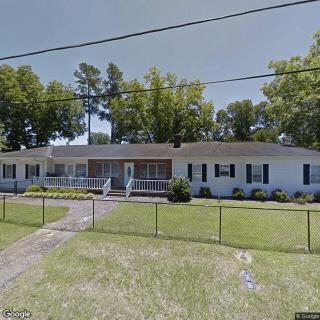




 How and When Medicaid May Cover Assisted Living Costs
 A Detailed Exploration of Assisted Living Medicaid Waivers Across the United States
 Comprehensive Residential Support and Assisted Living Solutions for Individuals with Disabilities