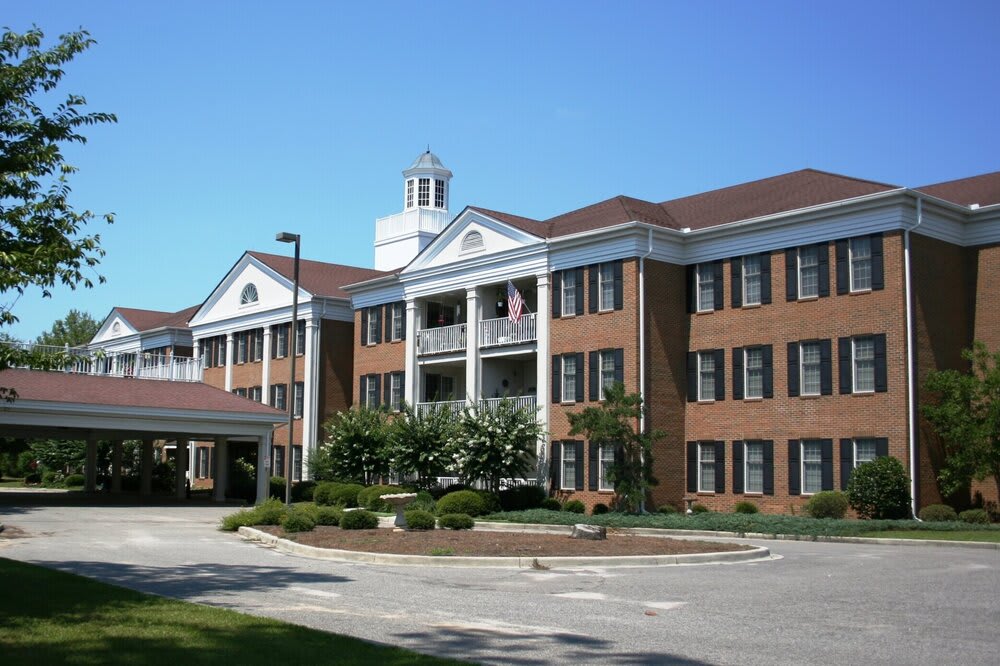
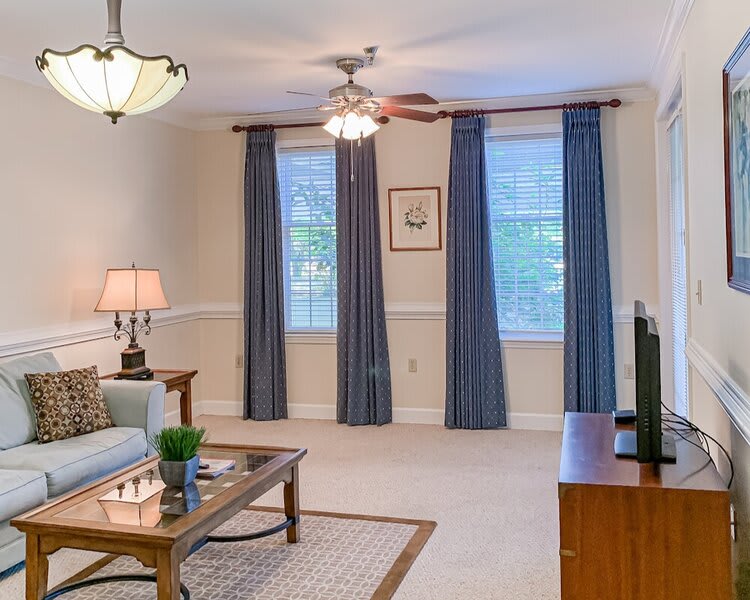


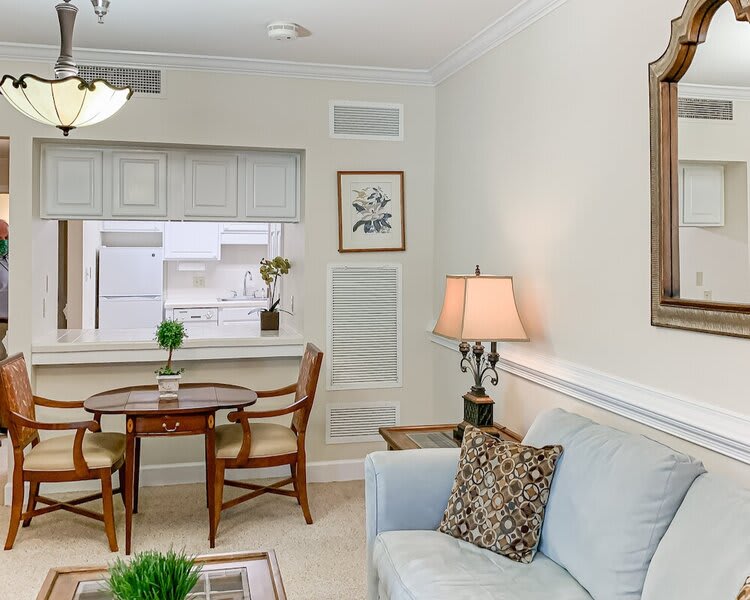




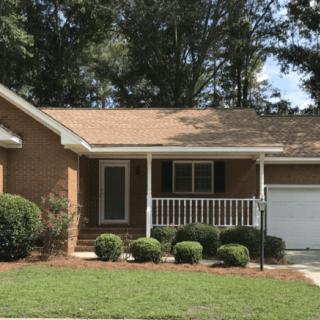
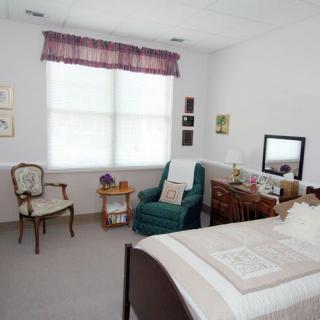
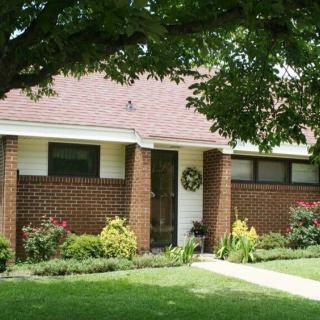
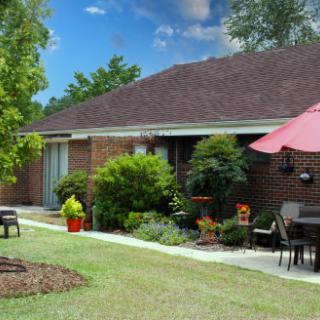
1000 Methodist Oaks Dr, Orangeburg, SC 29115
To contact a resident: (803) 534-1212
For more information about senior living options: (866) 208-4318
The Oaks on the Edisto Costs & Pricing
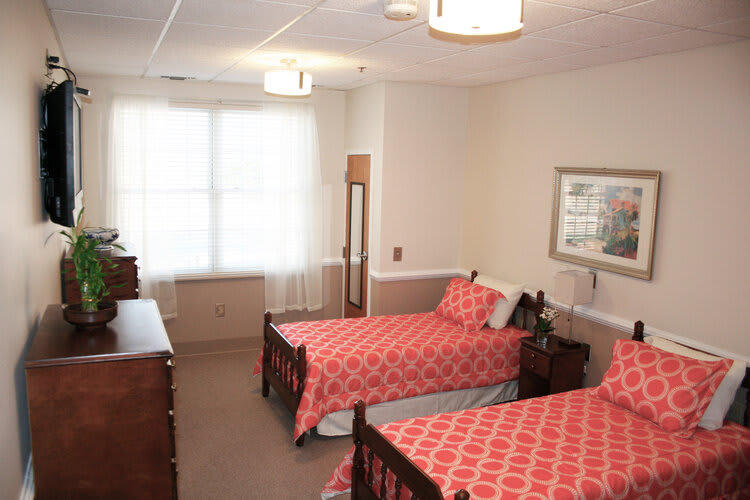
The Oaks on the Edisto offers competitive pricing for its accommodations compared to regional and state averages. For instance, their studio apartments are available at $1,995 per month, significantly lower than the Orangeburg County average of $3,256 and the South Carolina statewide average of $3,649. Similarly, their one-bedroom units are priced at $2,345 - again, more affordable than both county and state figures of $3,787 and $3,806 respectively. The semi-private rooms and two-bedroom options are also attractively priced at $2,800 each, providing a cost-effective alternative to local averages of $3,152 in Orangeburg County and a notable increase to $4,337 statewide. Overall, The Oaks on the Edisto stands out as an economical choice without compromising on the quality of living.
| Floor plans | The Oaks on the Edisto | Orangeburg County | South Carolina |
|---|---|---|---|
| Studio | $1,995 | $3,256 | $3,649 |
| 1 Bedroom | $2,345 | $3,787 | $3,806 |
| Semi-Private | $2,800 | $3,152 | $3,243 |
| 2 Bedrooms | $2,800 | $3,425 | $4,337 |
Overall Review of The Oaks on the Edisto
Pros
 The staff are friendly.
- The activities are the best thanks to a wonderful director.
- The cleaning staff are doing their best despite being stretched to the limit.
- The staff, including the administration, are absolutely amazing.
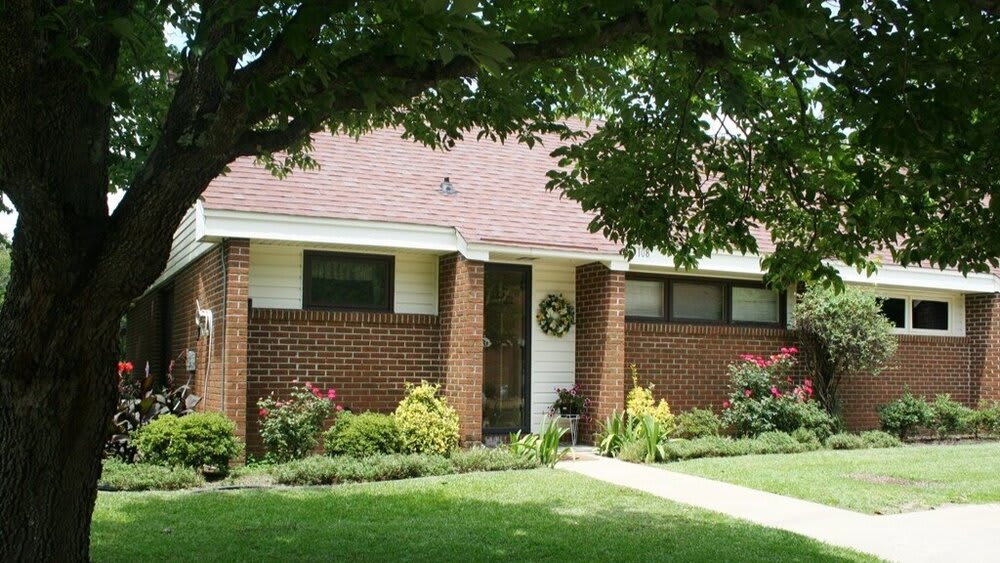
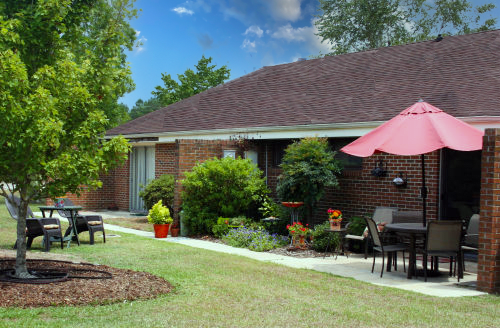
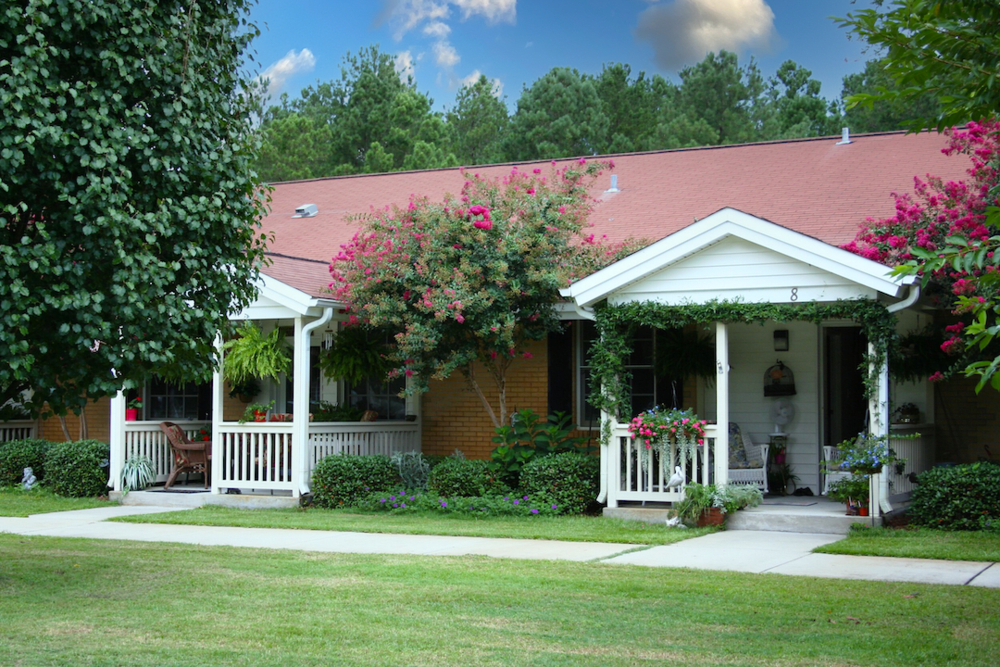
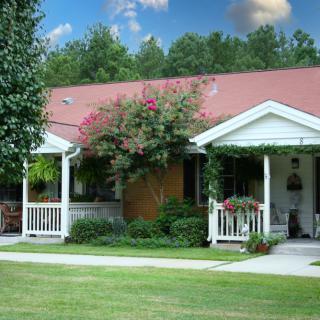
- The Oaks is a beautiful, quintessentially Southern place where residents truly care about their home and each other.
- The facility is very clean, easy to find, and the staff are nice to family members.
- The tours were a great experience and the staff were super friendly.
Cons
 There were water leaks on the independent side with buckets catching the water.
- There was no adequate cooling in hot weather and no heat in the hallways during cold weather.
- There was no transportation for trips; meals were unappealing; front desk coverage was limited after hours and on weekends; activities were cut back.
- The security deposit was never reimbursed despite the contract, with staff passing responsibility.
- The facility was old and dirty; meals were overcooked, high in carbohydrates and low in protein, with chicken served at most meals.
- The facility was short-staffed in most departments, impacting cleanliness, service, and food availability.
- Communication with families was problematic.
Review
The Oaks on the Edisto is best suited for families seeking a budget-friendly, community-focused environment with a warm, Southern vibe and an active social calendar. It works for residents who value a friendly, family-oriented atmosphere, where tours feel welcoming and staff interactions feel personal. The property delivers a sense of home and tradition, with long-tenured residents who speak to an intimate, neighborhood feel. For a resident in the independent or early-assisted stage who can tolerate uneven maintenance, variable meals, and occasional service gaps, this community offers a tangible sense of belonging at a lower price point than nearby competitors.
That said, certain circumstances point toward alternatives. The Oaks may not be ideal for anyone requiring steady, reliable daily care, frequent assistance, or robust medical support. Dementia care with predictable routines, consistent incontinence management, and prompt response times is routinely highlighted as a weak point. Families relying on transportation for trips or consistent weekend front-desk coverage will encounter frustrations. Prospective residents who cannot tolerate recurring maintenance issues, weekends with limited staff, or a fluctuating menu may want to compare other options where staffing, safety, and care standards are more predictable.
The strongest positives, friendly, attentive staff; a genuine sense of community; and a cost advantage, often offset meaningful drawbacks, but only to a degree. Staff warmth and readiness to engage families are repeatedly cited as a core strength, and the activities director often stands out as a driver of the social calendar. The environment can feel deeply welcoming, and for many, the low cost makes extended stays feasible without sacrificing a sense of home. The beauty and traditional feel of the facility add to the appeal, reinforcing a sense that the Oaks is a place where residents live with dignity and enjoyment when care needs are not overwhelming.
However, maintenance and operations regularly surface as pain points. Water leaks and inconsistent climate control point to aging infrastructure, while reports of limited transportation, reduced weekend front-desk presence, and stretched cleaning staff signal ongoing service gaps. Food quality and variety also show up as concerns in several reviews, with meals sometimes described as repetitive, high in carbohydrates, overcooked, or inadequate in protein. When care needs rise, such as changing soiled briefs or timely assistance, staff response can lag, a consequence many families interpret as a staffing shortage rather than a temporary blip. Together, these factors can erode satisfaction for families whose expectations center on reliability and consistent daily routines.
For decision-makers, the Oaks can still be a sound choice if diligence accompanies the visit. Potential residents should verify current conditions in person, including maintenance responsiveness, climate stability, and the presence of weekend staff. Scrutinize the meal program: request a menu sample for a full week and ask about protein variety and dietary accommodations. Explore transportation options for out-of-facility activities and confirm whether trips can be accommodated on a regular schedule. Engage with current residents and family members to gauge consistency of care, communication quality, and the true pace of the day. Finally, clarify financial policies, especially around deposits, ownership transitions, and how changes in ownership affect service levels, before signing any commitment.
In the end, The Oaks on the Edisto delivers a compelling value for families who prioritize warmth, community connectedness, and affordability over every facet of care intensity. It can be an excellent fit for someone who values social engagement and a homey environment and is willing to supplement facility services with private caregivers or carefully negotiated care plans. For families where reliable daily care, frequent, predictable meals, robust transportation, and consistently high staffing levels are non-negotiables, alternatives should be explored with equal rigor. The right choice hinges on prioritizing daily care stability against the appeal of a charming, low-cost Southern setting.
 Assisted Living
 Independent Living
 Cats allowed
 Dogs allowed
 Activities off-site
 Air-conditioning
 Bath tubs
 Beautician on-site
 Cable or satellite TV
 Devotional services off-site
 Full kitchen
 Ground floor units
 Handicap accessible
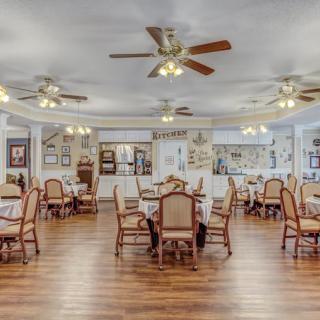
 Indoor common areas
 Outdoor common areas
 Respite or short term stays offered
 Swimming pool / hot tub
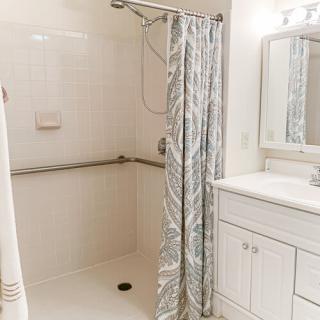
 Wheelchair accessible showers
 Ambulatory care
 Diabetic care
 High acuity care
 Incontinence care
 Medication management
 Guest meals
 Art classes
 Day trips and outings
 Educational speakers / life long learning
 Happy hour
 Live dance or theater performances
 Live musical performances
 Live well programs
 Wine tasting


 Securing Financial Support for Assisted Living: A Comprehensive Overview
 Social Security Benefits and Assisted Living: Navigating Options Across the U.S.
 An Extensive Exploration of the VA Aid and Attendance Benefit