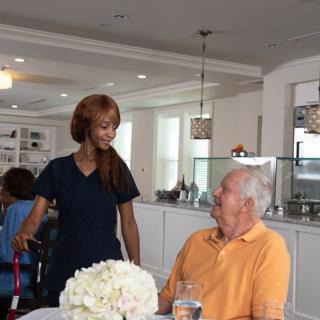
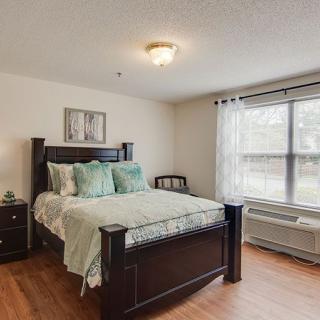
Sandpiper Rehab & Nursing in Mount Pleasant, SC

1049 Anna Knapp Boulevard, Mount Pleasant, SC 29464

For more information about senior living options: (844) 490-3973

3.5 from 105 reviews
5 stars
53
4 stars
14
3 stars
2
2 stars
2
1 stars
34

Skilled Nursing Facility

What level of care are you interested in?

Assisted Living

Memory Care

Independent Living

Skilled Nursing Facility

Continuing Care Retirement Community (CCRC)CCRC

Other


Request a tour at Sandpiper Rehab & Nursing

    Overall Review of Sandpiper Rehab & Nursing

    Pros

    • pro The frontline staff are very caring and attentive professionals.
    • pro Ashley Green is professional, helpful, and makes transitions easy.
    • pro The kitchen team makes amazing food, especially the chicken parmesan.
    • pro The therapy department is outstanding and helps patients regain strength and confidence.
    • pro The nursing, CNAs, and therapy teams are consistently professional and caring.
    • pro Barbara at the front desk is courteous, helpful, and professional.
    • pro The facility is well managed and run smoothly.
    • pro The staff are friendly, responsive, and go above and beyond to support families.
    • pro The sense of community and loving attention from the staff gives families peace of mind.
    • pro Leadership is responsive and cares about residents, addressing concerns promptly.

    Cons

    • pro The administration is described as the worst the reviewers have dealt with.
    • pro The rooms were dirty, with no working toilets and roaches crawling around.
    • pro The facility is filthy and unsanitary, with pervasive odors and rundown conditions.
    • pro The staff are overworked and appear focused on getting a paycheck rather than providing care.
    • pro Communication is nonexistent or very poor; the facility is hard to reach and fails to provide updates.
    • pro Personal items were stolen, indicating a lack of accountability and security.
    • pro Bedbugs were reported in the facility.
    • pro There are claims that neglect and substandard care contributed to serious harm or death.
    • pro Readers are warned not to place loved ones there and that the place should be shut down.
    • pro The food is described as inedible or prison-like, with consistently poor meal service.

    Review

    Sandpiper Post-Acute Rehab in Mount Pleasant is best suited for families seeking aggressive rehabilitation for a loved one and who value a therapy-driven environment. The facility's strength is not ambiance but motion - PT, OT, and speech teams that routinely move patients forward, sometimes rapidly. Admissions and front-line staff are frequently praised for professionalism and clear communication, and several reviewers highlight meaningful recoveries after surgery or deconditioning episodes. This is where Sandpiper earns real credibility: the care teams push for function, and that focus can translate into tangible gains. It is not, however, a fit for those who insist on flawless surroundings, consistently transparent billing, and unflinching administrative reliability.

    Those who may want to consider alternatives are families prioritizing pristine conditions, dependable billing with full account transparency, and steady administrative continuity. Across the spectrum, comments range from praise for therapy and bedside care to blunt warnings about cleanliness, maintenance, and administrative responsiveness. Some residents' rooms and common areas have been described as dirty or poorly maintained, with reports of clogged or broken fixtures and lingering odors. Communication gaps, inconsistent updates on patients' status, and difficulties reaching staff by phone appear as recurring themes, creating anxiety for families trying to stay informed. For households unable to tolerate these gaps, other options would be prudent.

    The strongest argument in Sandpiper's favor is the therapy program. Reviewers repeatedly describe therapy as the facility's standout offering: one-on-one attention from skilled therapists, practical rehabilitation that translates into real mobility gains, and an overall sense that the therapy team knows how to tailor plans to individual progress. Names repeatedly cited for effective work - Sarah in speech, Will and Leah in PT/OT, and the broader therapy staff - underscore a culture of urgency and competence. The meals and activities departments also surface as positives in many accounts, reinforcing a sense that, when care is aligned around rehab, residents feel supported and engaged. For families with rehab goals as the top criterion, this is a compelling argument to look closely at Sandpiper.

    Yet the flip side cannot be ignored. Administrative friction and inconsistent accountability appear in a significant portion of reviews. Billing missteps, difficulty obtaining refunds, and a perception that financial matters are not always handled with clarity create real friction for families navigating transitions and post-discharge planning. Safety and cleanliness concerns also recur, ranging from infestations and unsanitary conditions to outdated facilities, which can undermine confidence in daily care and wakeful oversight. The same nurses and aides who deliver strong therapy may be part of a broader system that some families feel is overworked or under-supported, especially outside peak therapy hours. These are meaningful red flags when risk tolerance is low.

    Weighing pros against cons, a practical conclusion emerges: Sandpiper can be an excellent choice for rehab-forward recovery if one accepts the realities of administration and environmental concerns as non-negotiables to monitor closely. To mitigate the cautions, families should demand concrete safeguards from the outset: a named case manager, documented timelines for any billing or refund issues, and regular, predictable updates on progress and discharge planning. Before moving in, arrange a detailed tour focused on cleanliness, room configuration, and maintenance responsiveness; verify the facility's infection-control history and any state health findings; and request references from recent families who faced similar rehab objectives. These steps transform Sandpiper's therapy strengths into a reliable pathway rather than a best-case exception.

    In the end, Sandpiper presents a mixed picture. For those prioritizing tangible rehab progress and who are prepared to engage actively with administration and maintenance issues, the center's therapy-centric model can deliver meaningful returns. For families for whom cleanliness, consistent communication, and transparent financial handling are non-negotiable, the case for alternatives strengthens. The facility's reputation in the reviews is clearly bifurcated: dedicated clinicians and a proactive therapy culture on one side, and serious concerns about upkeep, staffing consistency, and administrative integrity on the other. A prudent decision stands: pursue Sandpiper only after careful vetting of expectations, with a plan to stay closely involved and ready to switch course if the non-therapy fundamentals don't align.

    Features

    Housing

    • 176 resident community capacity 176 resident community capacity

    Types of Care

    • Skilled Nursing Facility Skilled Nursing FacilitySkilled Nursing Facilities are crucial for seniors as they provide round-the-clock medical care, rehabilitation services, and assistance with daily activities. These facilities ensure that seniors receive the specialized care they need to maintain their health and well-being as they age.

    Amenities

    • Air-conditioning Air-conditioningAir conditioning is important for seniors as they are more vulnerable to heat-related illnesses and may have underlying health conditions that make it difficult for them to regulate their body temperature. It helps to keep them comfortable, safe, and healthy in hot weather.
    • Beautician on-site Beautician on-siteHaving a beautician on-site at a senior living community is important for seniors as it allows them to easily access grooming and personal care services, boosting their self-esteem and overall well-being. It also provides convenience and helps seniors maintain their sense of independence and personal style.
    • Beauty salon Beauty salonBeauty salons are important for seniors because they provide a space for them to feel pampered, socialize, and maintain their personal grooming and hygiene. Regular visits to a beauty salon can help boost seniors' self-esteem and overall well-being.
    • Cable or satellite TV Cable or satellite TVCable or satellite TV is important for seniors because it provides entertainment, news, and companionship, helping to combat loneliness and boredom. It also offers a wide range of programming options tailored to different interests and preferences.
    • Computer center Computer centerA computer center is essential for seniors as it provides access to technology, communication tools, and resources that can enhance their daily lives. It allows them to stay connected with loved ones, engage in online activities, and learn new skills, ultimately promoting socialization and mental stimulation.
    • Dining room Dining roomDining rooms are important for seniors as they provide a space for socialization, connection, and nutritious meals. They offer opportunities for residents to bond over shared meals, foster a sense of community, and promote healthy eating habits. Dining rooms also ensure that seniors have access to well-balanced meals tailored to their dietary needs and preferences.
    • Fitness room Fitness roomHaving a fitness room in a senior living community is essential for seniors to stay active, maintain their physical health, and improve their overall well-being. Regular exercise can help prevent falls, reduce the risk of chronic diseases, and promote mental sharpness. It also provides social opportunities for residents to connect with others and enjoy a sense of community.
    • Fully furnished Fully furnishedFully furnished senior living communities are important for seniors because they provide convenience, comfort, and a hassle-free moving experience. Seniors can easily settle into their new living space without the stress of having to buy and move furniture. This allows them to focus on enjoying their new home and community.
    • Gaming room Gaming roomGaming rooms are important for seniors as they provide a fun and engaging environment for socializing, cognitive stimulation, and physical activity. Games can improve memory, problem-solving skills, and overall mental well-being while fostering friendships and reducing feelings of isolation.
    • Garden GardenGardens are important for seniors as they provide a peaceful and therapeutic environment for relaxation, physical activity, and socialization. Being in nature has been shown to reduce stress, improve mood, and promote overall well-being. Gardens also offer opportunities for seniors to engage in gardening activities, which can improve mobility, flexibility, and cognitive function. Additionally, gardens create a sense of community and connection with others who share a passion for plants and outdoor spaces.
    • Housekeeping services Housekeeping servicesHousekeeping services are important for seniors because they help maintain a clean and safe living environment, promote independence, and reduce the risk of accidents or illnesses. Additionally, having assistance with household chores can alleviate physical strain and allow seniors to focus on other aspects of their well-being.
    • Kitchenette KitchenetteKitchenettes are important for seniors living in senior living communities because they provide the convenience and independence of being able to prepare simple meals and snacks in the comfort of their own living space. This can help promote a sense of autonomy and well-being for seniors, allowing them to maintain some level of control over their dietary choices and daily routines.
    • Laundry LaundryLaundry services are important for seniors as they may have difficulty with physical tasks such as bending, lifting, or carrying heavy loads. Having access to laundry services can help seniors maintain personal hygiene, cleanliness, and independence in their daily lives.
    • Move-in coordination Move-in coordinationMove-in coordination is important for seniors because it helps ease the transition into their new living environment. It ensures that all logistics, such as packing, organizing movers, and setting up utilities are taken care of, allowing seniors to focus on settling in and adjusting to their new home. Having a smooth move-in process can alleviate stress and anxiety, making the transition smoother and more enjoyable for seniors.
    • Outdoor space Outdoor spaceOutdoor spaces are important for seniors as they provide opportunities for physical activity, social interaction, exposure to natural light and fresh air, and a sense of connection to nature. Having access to outdoor spaces can improve overall well-being and quality of life for older adults living in senior communities.
    • Private bathrooms Private bathroomsPrivate bathrooms are important for seniors in senior living communities because they provide independence, dignity, and comfort. Having a private bathroom allows seniors to maintain their personal hygiene routines without the need for assistance, promoting a sense of autonomy and privacy. Additionally, private bathrooms help prevent the spread of infections and provide a safe and clean environment for seniors to navigate safely.
    • Restaurant-style dining Restaurant-style diningRestaurant-style dining is important for seniors because it allows them to enjoy delicious, nutritious meals in a social and upscale setting. This enhances their dining experience, promotes healthy eating habits, and fosters socialization with fellow residents, ultimately contributing to their overall well-being and quality of life.
    • Small library Small librarySmall libraries are important for seniors as they provide access to a variety of reading materials, including books, newspapers, and magazines. This can help stimulate their minds, keep them engaged, and provide a sense of community through book clubs and other social activities. Additionally, reading has been shown to improve cognitive function and overall mental well-being in older adults.
    • TV room TV roomTV rooms are important for seniors in senior living communities because they provide a space for social interaction, entertainment, and relaxation. Watching TV can help reduce feelings of loneliness and boredom, and create a sense of community among residents. Additionally, TV rooms offer a break from daily routines and can be a source of comfort and familiarity for seniors.
    • Telephone TelephoneTelephones are important for seniors as they provide a lifeline for communication with loved ones, emergency services, and healthcare providers. They offer a sense of security and independence, enabling seniors to stay connected and access assistance when needed.
    • Wellness center Wellness centerWellness centers are important for seniors because they offer a variety of programs and services that promote physical, mental, and emotional well-being. These centers provide opportunities for exercise, socialization, education, and relaxation, helping seniors maintain their overall health and quality of life.
    • Wi-Fi/high-speed internet available Wi-Fi/high-speed internet availableWi-Fi/high-speed internet is important for seniors to stay connected with loved ones, access online resources, and participate in virtual activities to combat feelings of loneliness and isolation. It also allows them to easily manage healthcare needs, access entertainment, and engage in lifelong learning opportunities.

    Transportation

    • Charleston AFB International (12 miles away) Charleston AFB International (12 miles away)
    • Community operated transportation Community operated transportationCommunity operated transportation is crucial for seniors as it provides them with the means to access essential services, social activities, and medical appointments. It allows seniors to maintain their independence and quality of life by ensuring they can participate in activities outside of their homes. Additionally, community-operated transportation services offer a safe and reliable way for seniors to travel without having to rely on family or friends for assistance.
    • Transportation & parking Transportation & parkingTransportation and parking are vital for seniors as they offer access to essential services, activities, and social interactions. Reliable transportation options can help seniors maintain independence, stay connected within their community, and enjoy a higher quality of life. Additionally, convenient parking facilities ensure that seniors can easily access necessary resources and amenities without added stress or difficulty.
    • Transportation arrangement Transportation arrangementTransportation arrangements are crucial for seniors as they may face challenges with driving, mobility, or access to public transportation. Having reliable transportation services ensures that seniors can easily attend appointments, social activities, and maintain their independence and quality of life.
    • Transportation arrangement (non-medical) Transportation arrangement (non-medical)Transportation arrangements are essential for seniors as they provide access to essential services, activities, and social interactions outside the home. This service helps maintain independence, mobility, and overall well-being for seniors who may have limited transportation options.
    • Transportation to doctors appointments Transportation to doctors appointmentsTransportation to doctors appointments is crucial for seniors as it ensures they have access to necessary medical care and support, promoting their health and well-being. It allows them to receive timely treatment, monitor existing conditions, and address any new health concerns efficiently. Additionally, transportation services can help seniors maintain their independence and quality of life by enabling them to stay connected with their healthcare providers.

    Care Services

    • 12-16 hour nursing 12-16 hour nursing12-16 hour nursing care is crucial for seniors in order to ensure around-the-clock monitoring, timely medication administration, and prompt response to any health concerns or emergencies. This level of care helps to promote the overall well-being and safety of seniors living in senior living communities.
    • 24-hour call system 24-hour call system24-hour call systems are important for seniors because they provide peace of mind and immediate assistance in case of emergencies. This technology ensures that help is always available, promoting safety and security for elderly individuals living alone or in assisted living facilities.
    • 24-hour supervision 24-hour supervision24-hour supervision is important for seniors to ensure their safety, well-being, and access to immediate assistance in case of emergencies or health issues. This constant support provides peace of mind for both seniors and their loved ones, allowing them to age in place with dignity and security.
    • Activities of daily living assistance Activities of daily living assistanceActivities of daily living assistance are important for seniors because they provide essential support with tasks such as eating, bathing, dressing, and mobility. This assistance helps seniors maintain their independence, dignity, and overall quality of life as they age.
    • Assistance with bathing Assistance with bathingAssistance with bathing is crucial for seniors as it helps maintain personal hygiene, prevents infections, and ensures their overall well-being and comfort. It also provides a sense of dignity and independence for seniors who may struggle with this task on their own.
    • Assistance with dressing Assistance with dressingAssistance with dressing is important for seniors because it helps maintain their independence, promotes personal hygiene, prevents accidents and injuries, and improves overall quality of life. This service ensures that seniors can continue to dress comfortably and confidently, despite any physical limitations they may have.
    • Assistance with transfers Assistance with transfersAssistance with transfers is crucial for seniors as it helps prevent falls and injuries, maintains their independence, and ensures they can safely navigate their living environment. It also provides peace of mind for both seniors and their loved ones.
    • Diabetes diet Diabetes dietA diabetes diet is crucial for seniors as it helps manage blood sugar levels, reduce risks of complications, and improve overall health and well-being. By following a balanced and nutritious diet tailored to their specific needs, seniors can better control their diabetes and enhance their quality of life.
    • Hospice care Hospice careHospice care is important for seniors as it provides specialized end-of-life support, pain management, and emotional comfort for both the senior and their loved ones. It allows seniors to maintain dignity, receive personalized care, and spend their remaining time in a peaceful and comfortable environment.
    • Meal preparation and service Meal preparation and serviceMeal preparation and service are crucial for seniors as they may have limited mobility or energy to cook nutritious meals. Having access to healthy and convenient food options can ensure they are getting the proper nutrition needed to maintain their overall health and well-being.
    • Medication management Medication managementMedication management is crucial for seniors to ensure they are taking the right medications at the correct dosages and times. This helps prevent adverse drug interactions, reduces the risk of medication errors, and promotes overall health and well-being. Proactive management also allows for adjustments as needed based on changing health conditions or new prescriptions.
    • Mental wellness program Mental wellness programMental wellness programs are essential for seniors as they promote cognitive stimulation, emotional support, and social engagement. These programs help prevent isolation, depression, and cognitive decline, ultimately enhancing the overall quality of life for older adults.
    • Personal care assistants Personal care assistantsPersonal care assistants are essential for seniors as they provide assistance with daily tasks, such as dressing, bathing, and medication management. They offer crucial support and companionship to help seniors maintain independence and quality of life in their own homes or in senior living communities.
    • Physical therapy Physical therapyPhysical therapy is essential for seniors to maintain and improve their mobility, strength, and overall quality of life. It helps reduce pain, prevent falls, and enhance independence in daily activities. By promoting movement and function, physical therapy can help seniors stay active, healthy, and engaged in their communities.
    • Special dietary restrictions Special dietary restrictionsSpecial dietary restrictions are important for seniors because age-related changes in metabolism and health conditions can make it difficult for their bodies to process certain foods. By following a diet tailored to their specific needs, seniors can maintain their overall health and well-being, manage chronic conditions, and reduce the risk of complications such as malnutrition or food interactions with medications.

    Dining

    • Diabetes diet Diabetes dietA diabetes diet is crucial for seniors as it helps manage blood sugar levels, reduce risks of complications, and improve overall health and well-being. By following a balanced and nutritious diet tailored to their specific needs, seniors can better control their diabetes and enhance their quality of life.
    • Room service Room serviceRoom service is important for seniors in a senior living community because it provides convenience and allows them to have their meals delivered directly to their room. This can be especially beneficial for seniors who may have mobility issues or difficulty accessing the dining area. Room service ensures that seniors are able to receive nutritious meals without having to navigate through the facility, allowing them to maintain their independence and overall well-being.
    • Special dietary restrictions Special dietary restrictionsSpecial dietary restrictions are important for seniors because age-related changes in metabolism and health conditions can make it difficult for their bodies to process certain foods. By following a diet tailored to their specific needs, seniors can maintain their overall health and well-being, manage chronic conditions, and reduce the risk of complications such as malnutrition or food interactions with medications.

    Activities

    • Arts and crafts Arts and craftsEngaging in arts and crafts activities provides seniors with a creative outlet, promotes cognitive function, enhances dexterity and fine motor skills, fosters social interaction, and boosts overall well-being and mental health.
    • Book club Book clubBook clubs are important for seniors because they provide socialization, intellectual stimulation, and a sense of community. They offer the opportunity to engage in meaningful discussions, share perspectives, and connect with others who share a love of reading. Book clubs can also help seniors stay mentally active and combat feelings of loneliness or isolation.
    • Community-sponsored activities Community-sponsored activitiesCommunity-sponsored activities are important for seniors as they provide opportunities for social interaction, mental stimulation, and physical activity. These activities can help improve overall well-being, combat loneliness and isolation, and promote a sense of belonging and purpose among older adults.
    • Concierge services Concierge servicesConcierge services are essential for seniors as they provide assistance with daily tasks and errands, enhance their quality of life by offering convenience and personalized care, and promote a sense of safety and security.
    • Fitness programs Fitness programsFitness programs are crucial for seniors as they help improve strength, flexibility, balance, and overall well-being. Staying active can reduce the risk of chronic diseases, improve mental health, and enhance quality of life in older adults.
    • Games GamesGames are an essential part of senior living as they help promote cognitive function, social interaction, and overall well-being. Playing games can improve memory, concentration, and decision-making skills while also providing a fun and engaging way to connect with others. Seniors who participate in games regularly tend to experience higher levels of satisfaction and happiness in their daily lives.
    • Gardening club Gardening clubGardening clubs are important for seniors because they provide a sense of community, promote physical activity and mental well-being, and offer opportunities for socialization and connection with nature. Gardening can also improve cognitive function and overall quality of life for seniors.
    • Live musical performances Live musical performancesLive musical performances can provide seniors with a sense of joy, nostalgia, and connection. Music has the power to evoke emotions and memories, improve mood and cognitive function, and foster social interaction among seniors. It can also serve as a form of therapy and stress relief for older adults, making it an important activity to include in senior living communities.
    • Planned day trips Planned day tripsPlanned day trips are important for seniors because they offer opportunities for socialization, mental stimulation, and physical activity. They provide a change of scenery and help seniors stay engaged and connected to their community, promoting overall well-being and quality of life.
    • Religious services Religious servicesReligious services provide seniors with a sense of community, support, and spiritual fulfillment, which can improve their overall well-being and mental health. It also offers them opportunities for socialization and connection with others who share their beliefs.
    • Resident-run activities Resident-run activitiesResident-run activities are important for seniors as they encourage social interaction, creativity, and a sense of autonomy. These activities empower seniors to stay engaged and active in their community while fostering meaningful connections with their peers.
    • Scheduled daily activities Scheduled daily activitiesScheduled daily activities are important for seniors because they provide structure, socialization, mental stimulation, and physical activity. Engaging in regular activities can improve overall well-being and quality of life for seniors living in a community setting.
    • Stories StoriesStories are important for seniors because they provide a sense of connection, stimulate memory and cognitive function, and offer entertainment and emotional engagement. Sharing stories can foster social interaction and create a sense of community among seniors, enhancing their overall well-being and quality of life.

    Description

    Sandpiper Rehab & Nursing in Mount Pleasant, SC is an assisted living community that offers a wide range of amenities and care services to ensure the comfort and well-being of its residents. The community boasts a beautician on-site as well as a beauty salon, allowing residents to easily maintain their appearance. The presence of cable or satellite TV in each room ensures that residents can stay entertained and connected to the outside world.

    Transportation is made convenient with community-operated transportation and transportation arrangements available for non-medical purposes as well as doctors' appointments. Residents can also enjoy the use of the computer center and Wi-Fi/high-speed internet throughout the community.

    The dining experience at Sandpiper Rehab & Nursing is exceptional, with a spacious dining room offering restaurant-style dining and special dietary restrictions catered for. For added convenience, room service is available.

    A variety of activities are offered to keep residents engaged and entertained. These include book clubs, fitness programs, games, gardening clubs, live musical performances, planned day trips, religious services, resident-run activities, scheduled daily activities, and storytelling sessions.

    As for nearby amenities, there are 6 cafes, 8 parks, 11 pharmacies, 29 physicians' offices, 41 restaurants, 1 transportation option, 1 place of worship nearby along with 3 hospitals in close proximity.

    In terms of care services provided by Sandpiper Rehab & Nursing, there is round-the-clock call system monitoring and supervision for residents' safety. Assistance with activities of daily living such as bathing and dressing is readily available. Personal care assistants are on hand to provide additional support if needed. Medication management ensures that residents receive their required medication on time. Those with specific dietary requirements such as diabetes diets or special dietary restrictions can have their needs met. Mental wellness programs are also in place to promote emotional well-being. Physical therapy services are offered to aid in rehabilitation if necessary.

    At Sandpiper Rehab & Nursing, residents can enjoy a comfortable and enriching lifestyle with access to numerous amenities and personalized care services.

    Nearby Places of Interest

    Physicians

    • Mount Pleasant Pediatrics (0.1 miles)
    • James McKinney, MD (0.5 miles)
    • Physicians Footcare (0.5 miles)
    • Yanis Bellil, MD (0.6 miles)
    • Southeastern Spine Institute (0.6 miles)
    • MUSC Health Radiation Oncology - Mount Pleasant (0.6 miles)
    • Carolina Eyecare Physicians (0.7 miles)

    Restaurants

    • Chick-Fil-A (0.2 miles)
    • Locals Bar (0.3 miles)
    • Kairos Greek Kitchen (0.7 miles)
    • Page S Okra Grill (1.5 miles)
    • Saltwater Cowboys (1.6 miles)
    • Raising Cane's Chicken Fingers (2.1 miles)
    • Chick-Fil-A (2.3 miles)

    Hospitals

    • Hollings Cancer Center Mt. Pleasant (0.7 miles)
    • Kindred Hospital Charleston (0.7 miles)
    • East Cooper Medical Center (1.2 miles)

    Pharmacies

    • CVS Pharmacy (0.7 miles)
    • CVS Pharmacy (1.2 miles)
    • Tidewater Pharmacy, Compounding and Medical Supply (1.3 miles)
    • Walgreens (1.4 miles)
    • CVS Pharmacy (1.8 miles)
    • Walgreens (2.2 miles)
    • CVS Pharmacy (2.3 miles)

    Parks

    • I'on Village (1 miles)
    • The Old Village Landing (1.9 miles)
    • Mount Pleasant Memorial Waterfront Park (2.2 miles)
    • Palmetto Islands County Park (3.2 miles)
    • Gadsdenboro Park (3.8 miles)
    • Joe Riley Waterfront Park (4.2 miles)
    • Governers Park (4.3 miles)

    Cafes

    • Second State Coffee (1.2 miles)
    • Off Track Ice Cream (4.4 miles)
    • Starbucks (4.5 miles)
    • Babas on Cannon (4.6 miles)
    • The Daily (4.6 miles)
    • Sightsee (4.9 miles)

    Transportation

    • Charleston Visitor Center Bus Shed (4.4 miles)

    Places of Worship

    • Greek Orthodox Church of the Holy Trinity (4.9 miles)

    Frequently Asked Questions

    Where is Sandpiper Rehab & Nursing?

    Nearby Communities

    • Sandpiper Courtyard Assisted Living

      Sandpiper Courtyard Assisted Living

      Mount Pleasant, SC


      pro Comprehensive amenities and 24/7 staff, including restaurant-style dining, transportation, fitness, and social activities.


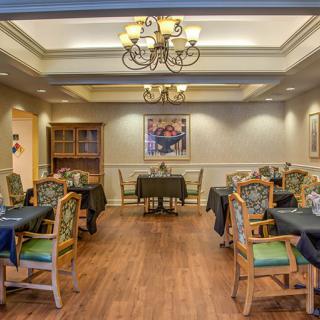
    • Visiting Angels of Charleston,  SC

      Visiting Angels of Charleston, SC

      Mount Pleasant, SC

      5 from 21 reviews
      $3,800 to $5,500 / month

      pro Personalized care with staff assistance in a convenient Mount Pleasant location near amenities.

    • Sandpiper Village

      Sandpiper Village

      Mount Pleasant, SC

      3.9 from 35 reviews
      $2,295 to $2,995 / month

      pro Caring staff and proactive management with engaging activities and good value.

    • Oaks at Mt. Pleasant

      Oaks at Mt. Pleasant

      Mount Pleasant, SC

      4.3 from 54 reviews
      $3,625 to $4,600 / month

      pro Caring staff in a warm, home-like setting with engaging activities.

    • Alterra Clare Bridge of Charleston

      Alterra Clare Bridge of Charleston

      Mount Pleasant, SC

      4.4 from 31 reviews
       

      pro Memory-care focused with a warm, well-appointed setting and easy access to parks, pharmacies, doctors, hospitals, and dining nearby.

    • Savannah Hall Assisted Living

      Savannah Hall Assisted Living

      Mount Pleasant, SC

      3.2 from 6 reviews
       

      pro Comprehensive care (memory care included) with 24/7 supervision and coordinated healthcare, plus furnished accommodations and amenities.

    • Shem Creek Health Center at South Bay

      Shem Creek Health Center at South Bay

      Mount Pleasant, SC

      4.3 from 3 reviews
      $4,000 to $5,800 / month

      pro Caring staff with effective medication administration.

    • Oaks at Daniel Island

      Oaks at Daniel Island

      Charleston, SC

      4.5 from 84 reviews
      $2,995 to $5,000 / month

      pro Friendly staff and clean, comfortable apartments with engaging activities.

    • Wellmore Of Daniel Island

      Wellmore Of Daniel Island

      Charleston, SC

      4.6 from 108 reviews
       

      pro Caring, professional staff with personalized activities in a high-end, well-maintained setting.

    Related Resources

    • caregiver burnoutCaregiver Exhaustion: Recognizing the Signs and Restoring Your Well-Being

      Caregiver exhaustion, or burnout, stems from the relentless demands of caregiving, leading to emotional and physical depletion characterized by stress, frustration, and neglect of personal needs. Addressing this burden is essential to prevent long-term consequences, with early recognition and support being crucial for caregivers to maintain balance and implement self-care.

    • what is hospice care at homeUnderstanding Hospice Care at Home: Comprehensive Services, Key Benefits, and Eligibility

      Hospice care at home provides specialized end-of-life support that focuses on comfort and dignity for individuals with life-limiting illnesses, offering a range of services including medical management, emotional and spiritual support, and logistical assistance tailored to the family's needs. It involves collaboration to create individualized care plans and extends to bereavement support after a loved one's passing.

    • how much does 24/7 in home care cost per monthUnderstanding the Full Cost of 24/7 In-Home Care: A Detailed Overview

      The guide outlines the rising costs of 24/7 in-home care, ranging from $10,000 to over $20,000 monthly, driven by factors such as location and caregiver qualifications. It discusses the limited coverage by Medicare and private insurance, potential Medicaid support, and the emotional and living condition considerations influencing families' decisions on care arrangements.


    Get Pricing Ask A Question Schedule A Tour Contact Senior Advisor