Savannah Hall Assisted Living

1010 Lake Hunter Circle, Mount Pleasant, SC 29464

For more information about senior living options: (844) 490-3973

3.2 from 6 reviews
5 stars
2
4 stars
1
3 stars
0
2 stars
2
1 stars
1

Assisted Living Board and Care Home Continuing Care Retirement Community (CCRC) Memory Care Skilled Nursing Facility

What level of care are you interested in?

Assisted Living

Memory Care

Independent Living

Skilled Nursing Facility

Continuing Care Retirement Community (CCRC)CCRC

Other


Request a tour at Savannah Hall Assisted Living

    Overall Review of Savannah Hall Assisted Living

    Pros

    • pro The rehab section staff are fantastic, displaying skill, care, and patience.
    • pro The medication staff are punctual and have not let the mother experience any pain.
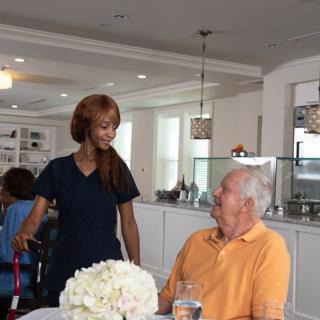
    • pro The aides who check in genuinely care about the residents.
    • pro The food has been better than expected.
    • pro The administrator, Joe Carr, is attentive and acts on suggestions promptly.
    • pro The overall level of care and attention at the facility is very high.

    Cons

    • pro Seniors were left sitting in their urine.
    • pro The reviewer believes the facility should be investigated for neglect.
    • pro The staff failed to keep him until he was better and to arrange a proper home transition.
    • pro He was moved from his room more than a month before Medicare coverage ended.
    • pro It took staff over 20 minutes to respond to his calls for help.
    • pro The room was kept at 84 degrees, causing extreme sweating.
    • pro He often went days without help with meals.
    • pro Diapers were not provided when needed, leading to bed messes.
    • pro The staff were described as slack and unsatisfactory.
    • pro The facility lied to the family.

    Review

    The message opens with a strong, urgent concern about how seniors are treated in care settings, insisting that immediate investigations are needed and that dignity should be guaranteed for elderly residents who are paying for care. The author leaves little room for ambiguity, describing a scene in which seniors are left sitting in urine and implying that the facility's leadership and staff should be held to account for failing to provide basic, humane care. The opening lines convey both outrage and a call to action, signaling that the reviewer believes this is not a matters-of-choice issue but a moral and legal one that demands scrutiny and intervention.

    The writer then shifts to a more balanced tone when describing a personal experience with Savannah Grace's rehabilitation section, which is presented as largely positive. According to the reviewer, the rehab staff - specifically the women working within that unit - are exceptionally capable, displaying a level of skill, care, and patience that stands out. The caregivers are portrayed as highly competent in assisting with the patient's needs, and the medication management is described as punctual and reliable, with a track record of avoiding any pain for the patient. The people who check in on her are commended for showing genuine care, and the food is described as better than the reviewer expected. The administrator, Joe Carr, earns particular praise for his attentiveness to suggestions and his prompt actions in response to feedback, culminating in an overall "THUMBS UP" assessment for the rehab experience.

    Beyond praising the rehab phase, the author also frames a broader warning to others considering Savannah Grace - emphasizing the importance of understanding what the facility offers before placing a loved one there. The review transitions into an account categorized under Medicare terms, noting that the loved one had "100 days" allotted to stay at the Savannah Grace Assisted Living facility. The expectation set by the facility was to rehabilitate the person enough to return home, or at least to extend the stay only as long as medically necessary within that 100-day window. The reviewer asserts that the facility failed on both fronts, signaling a breakdown in the plan that had been laid out for discharge or relocation.

    A darker, more troubling portion of the account details serious concerns about how the patient was treated as the stay progressed. The writer claims that the loved one was removed from his room more than a month before Medicare coverage ended and accuses the staff of lying to the family. Several specific grievances are laid out in stark terms: orderlies allegedly failed to respond to bathroom calls for extended periods (over 20 minutes in some cases), the room temperature was kept at an uncomfortably high 84 degrees, and the patient, who required assistance with eating, did not receive necessary help cutting his food, leading to days of feeling famished. The report also states that the patient needed to wear diapers but was not provided with them, resulting in bed soiling and a perceived overall neglect. The reviewer describes the staff as a "SLACK bunch of people," concluding that this facility is best avoided and labeling it "iffy."

    In the final portion, the reviewer contrasts the glowing praise for the rehab team with the negative experiences associated with the rest of the facility and the management of the patient's longer-term care. The mixed narrative suggests a facility with pockets of exceptional care in the rehab unit, but with broader systemic issues in other areas that undermine the overall quality of care. The tone shifts from celebratory to cautionary, urging families to look elsewhere if the priority is reliable, attentive, and dignified care for all aspects of a loved one's stay, not just the rehabilitation phase. The writer's conclusions are emphatic: while the rehab staff deserve commendation, the overall facility fails to meet basic standards of care in significant, distressing ways.

    Ultimately, the account presents a complex portrait: a Savannah Grace rehab unit that is praised for its compassionate, skilled, and responsive staff, paired with a separate and troubling critique of the broader facility operations and long-term care practices. The reviewer emphasizes dignity, timely care, and basic comfort as non-negotiables, arguing that any facility claiming to provide comprehensive senior care should uphold these standards across all units and stages of care. The overarching message is a call for vigilance and due diligence from families, ensuring that loved ones receive both the rehabilitative support they need and consistent, humane treatment in every aspect of their stay.

    Features

    Housing

    • 16 resident community capacity 16 resident community capacity

    Types of Care

    • Assisted Living Assisted LivingAssisted living facilities provide crucial support and care for seniors who may need help with daily tasks such as medication management, bathing, and meal preparation. These communities offer a safe and comfortable environment where seniors can maintain their independence while receiving the assistance they need to thrive in their golden years.
    • Board and Care Home Board and Care HomeBoard and care homes provide a smaller, more intimate setting for seniors who require assistance with daily tasks but do not need the level of care offered by a nursing home. They offer personalized care, meals, and social activities in a homelike environment, ensuring that seniors receive individualized attention and support in their golden years.
    • Continuing Care Retirement Community (CCRC) Continuing Care Retirement Community (CCRC)Continuing Care Retirement Communities (CCRCs) are important for seniors because they provide a range of housing options and care services all in one location. This allows seniors to age in place and receive the level of care they need as their health changes, without having to move to a new facility. CCRCs provide a sense of security and peace of mind for seniors and their families, knowing that they will be taken care of no matter what the future holds.
    • Memory Care Memory CareMemory care is crucial for seniors as it provides specialized support and services for individuals with dementia or Alzheimer's disease. These programs offer a safe and secure environment where residents receive personalized care, cognitive stimulation, and help with daily activities. Memory care helps seniors maintain their independence, quality of life, and dignity while also providing peace of mind for their families.
    • Skilled Nursing Facility Skilled Nursing FacilitySkilled Nursing Facilities are crucial for seniors as they provide round-the-clock medical care, rehabilitation services, and assistance with daily activities. These facilities ensure that seniors receive the specialized care they need to maintain their health and well-being as they age.

    Amenities

    • Cable or satellite TV Cable or satellite TVCable or satellite TV is important for seniors because it provides entertainment, news, and companionship, helping to combat loneliness and boredom. It also offers a wide range of programming options tailored to different interests and preferences.
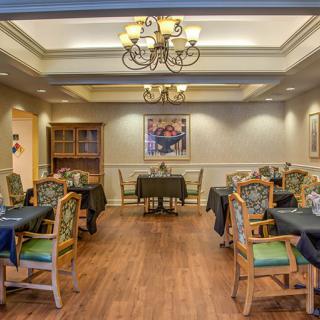
    • Dining room Dining roomDining rooms are important for seniors as they provide a space for socialization, connection, and nutritious meals. They offer opportunities for residents to bond over shared meals, foster a sense of community, and promote healthy eating habits. Dining rooms also ensure that seniors have access to well-balanced meals tailored to their dietary needs and preferences.
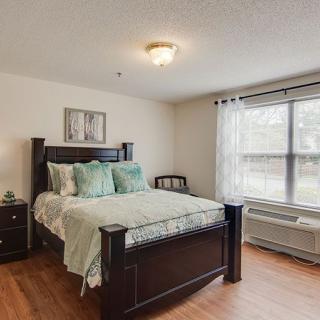
    • Fully furnished Fully furnishedFully furnished senior living communities are important for seniors because they provide convenience, comfort, and a hassle-free moving experience. Seniors can easily settle into their new living space without the stress of having to buy and move furniture. This allows them to focus on enjoying their new home and community.
    • Garden GardenGardens are important for seniors as they provide a peaceful and therapeutic environment for relaxation, physical activity, and socialization. Being in nature has been shown to reduce stress, improve mood, and promote overall well-being. Gardens also offer opportunities for seniors to engage in gardening activities, which can improve mobility, flexibility, and cognitive function. Additionally, gardens create a sense of community and connection with others who share a passion for plants and outdoor spaces.
    • Housekeeping services Housekeeping servicesHousekeeping services are important for seniors because they help maintain a clean and safe living environment, promote independence, and reduce the risk of accidents or illnesses. Additionally, having assistance with household chores can alleviate physical strain and allow seniors to focus on other aspects of their well-being.
    • Move-in coordination Move-in coordinationMove-in coordination is important for seniors because it helps ease the transition into their new living environment. It ensures that all logistics, such as packing, organizing movers, and setting up utilities are taken care of, allowing seniors to focus on settling in and adjusting to their new home. Having a smooth move-in process can alleviate stress and anxiety, making the transition smoother and more enjoyable for seniors.
    • Outdoor space Outdoor spaceOutdoor spaces are important for seniors as they provide opportunities for physical activity, social interaction, exposure to natural light and fresh air, and a sense of connection to nature. Having access to outdoor spaces can improve overall well-being and quality of life for older adults living in senior communities.
    • Telephone TelephoneTelephones are important for seniors as they provide a lifeline for communication with loved ones, emergency services, and healthcare providers. They offer a sense of security and independence, enabling seniors to stay connected and access assistance when needed.
    • Wi-Fi/high-speed internet available Wi-Fi/high-speed internet availableWi-Fi/high-speed internet is important for seniors to stay connected with loved ones, access online resources, and participate in virtual activities to combat feelings of loneliness and isolation. It also allows them to easily manage healthcare needs, access entertainment, and engage in lifelong learning opportunities.

    Transportation

    • Charleston AFB International (12 miles away) Charleston AFB International (12 miles away)

    Care Services

    • 24-hour supervision 24-hour supervision24-hour supervision is important for seniors to ensure their safety, well-being, and access to immediate assistance in case of emergencies or health issues. This constant support provides peace of mind for both seniors and their loved ones, allowing them to age in place with dignity and security.
    • Activities of daily living assistance Activities of daily living assistanceActivities of daily living assistance are important for seniors because they provide essential support with tasks such as eating, bathing, dressing, and mobility. This assistance helps seniors maintain their independence, dignity, and overall quality of life as they age.
    • Assistance with bathing Assistance with bathingAssistance with bathing is crucial for seniors as it helps maintain personal hygiene, prevents infections, and ensures their overall well-being and comfort. It also provides a sense of dignity and independence for seniors who may struggle with this task on their own.
    • Assistance with dressing Assistance with dressingAssistance with dressing is important for seniors because it helps maintain their independence, promotes personal hygiene, prevents accidents and injuries, and improves overall quality of life. This service ensures that seniors can continue to dress comfortably and confidently, despite any physical limitations they may have.
    • Assistance with transfers Assistance with transfersAssistance with transfers is crucial for seniors as it helps prevent falls and injuries, maintains their independence, and ensures they can safely navigate their living environment. It also provides peace of mind for both seniors and their loved ones.
    • Coordination with health care providers Coordination with health care providersCoordination with health care providers is crucial for seniors to ensure proper medical care, medication management, and overall well-being. This collaboration helps prevent overlapping treatments, track progress more effectively, and provide comprehensive support tailored to individual needs.
    • Dementia waiver Dementia waiverDementia waivers are essential for seniors as they provide critical protections and accommodations for those experiencing cognitive decline. These waivers ensure individuals with dementia receive appropriate care, support, and resources to maintain their quality of life and dignity as they navigate the challenges of this progressive condition.
    • Diabetes diet Diabetes dietA diabetes diet is crucial for seniors as it helps manage blood sugar levels, reduce risks of complications, and improve overall health and well-being. By following a balanced and nutritious diet tailored to their specific needs, seniors can better control their diabetes and enhance their quality of life.
    • Hospice waiver Hospice waiverHospice waivers are important for seniors because they allow individuals to receive specialized end-of-life care and support at home or in a hospice facility. This waiver ensures that seniors can access the necessary resources and services to maintain comfort and dignity during their final days.
    • Meal preparation and service Meal preparation and serviceMeal preparation and service are crucial for seniors as they may have limited mobility or energy to cook nutritious meals. Having access to healthy and convenient food options can ensure they are getting the proper nutrition needed to maintain their overall health and well-being.
    • Medication management Medication managementMedication management is crucial for seniors to ensure they are taking the right medications at the correct dosages and times. This helps prevent adverse drug interactions, reduces the risk of medication errors, and promotes overall health and well-being. Proactive management also allows for adjustments as needed based on changing health conditions or new prescriptions.
    • Special dietary restrictions Special dietary restrictionsSpecial dietary restrictions are important for seniors because age-related changes in metabolism and health conditions can make it difficult for their bodies to process certain foods. By following a diet tailored to their specific needs, seniors can maintain their overall health and well-being, manage chronic conditions, and reduce the risk of complications such as malnutrition or food interactions with medications.
    • Specialized memory care programming Specialized memory care programmingSpecialized memory care programming is crucial for seniors with cognitive impairments such as dementia or Alzheimer's disease. These programs provide a safe and supportive environment tailored to the unique needs of individuals with memory loss, helping them maintain their independence, dignity, and quality of life.
    • Transportation arrangement (medical) Transportation arrangement (medical)Transportation arrangements for medical purposes are essential for seniors as they may have difficulty driving themselves to appointments or accessing public transportation. Having reliable and safe transportation options ensures that seniors can receive timely medical care and maintain their health and well-being.
    • Transportation to doctors appointments Transportation to doctors appointmentsTransportation to doctors' appointments is crucial for seniors as it ensures they have access to necessary medical care and support for their health needs. Without reliable transportation, seniors may struggle to attend important appointments, leading to potential delays in treatment and health complications. Providing transportation services helps seniors maintain their overall well-being and quality of life.
    Dining

    • Diabetes diet Diabetes dietA diabetes diet is crucial for seniors as it helps manage blood sugar levels, reduce risks of complications, and improve overall health and well-being. By following a balanced and nutritious diet tailored to their specific needs, seniors can better control their diabetes and enhance their quality of life.
    • Special dietary restrictions Special dietary restrictionsSpecial dietary restrictions are important for seniors because age-related changes in metabolism and health conditions can make it difficult for their bodies to process certain foods. By following a diet tailored to their specific needs, seniors can maintain their overall health and well-being, manage chronic conditions, and reduce the risk of complications such as malnutrition or food interactions with medications.

    Activities

    • Community-sponsored activities Community-sponsored activitiesCommunity-sponsored activities are important for seniors as they provide opportunities for social interaction, mental stimulation, and physical activity. These activities can help improve overall well-being, combat loneliness and isolation, and promote a sense of belonging and purpose among older adults.
    • Scheduled daily activities Scheduled daily activitiesScheduled daily activities are important for seniors because they provide structure, socialization, mental stimulation, and physical activity. Engaging in regular activities can improve overall well-being and quality of life for seniors living in a community setting.

    Description

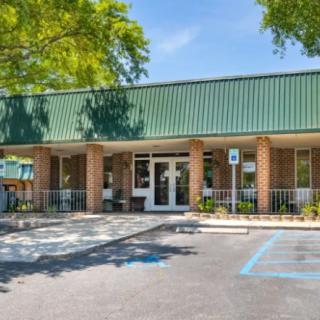
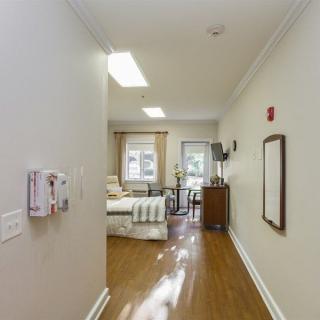
    Savannah Hall Assisted Living in Mount Pleasant, SC is a vibrant and well-equipped community that offers a range of care services to meet the varying needs of its residents. Whether you require assistance with daily activities or specialized memory care programming, this facility has you covered.

    The community boasts an array of amenities to ensure that residents enjoy a comfortable and convenient lifestyle. With a fully furnished living space, residents can move in without any hassle or worry about furnishing their own space. The dining room provides delicious and nutritious meals while accommodating special dietary restrictions for those with specific needs. Housekeeping services are also available to keep the living spaces clean and tidy.

    Outdoor enthusiasts will appreciate the garden and outdoor spaces where they can relax, socialize, or simply enjoy some fresh air. Wi-Fi and high-speed internet connection are provided to keep residents connected to their loved ones and the world around them. Additionally, telephone services are available for easy communication.

    Care services at Savannah Hall include assistance with bathing, dressing, transfers, medication management, meal preparation, and service. The well-trained staff ensures that all residents receive personalized care and coordination with healthcare providers as needed. Specialized memory care programming is also offered for individuals with dementia.

    Transportation arrangements are made for medical purposes as well as doctors' appointments ensuring that residents have access to necessary healthcare facilities conveniently. Furthermore, the community is in close proximity to various cafes, parks, pharmacies, physicians' offices, restaurants, transportation options (for other needs), and hospitals.

    With its comprehensive range of amenities and care services coupled with a convenient location near local facilities and offerings, Savannah Hall Assisted Living in Mount Pleasant provides a warm and nurturing environment where seniors can live comfortably while receiving the assistance they need.

    Nearby Places of Interest

    Physicians

    • Physicians Footcare (0.2 miles)
    • Yanis Bellil, MD (0.3 miles)
    • Southeastern Spine Institute (0.3 miles)
    • Mount Pleasant Pediatrics (0.3 miles)
    • MUSC Health Radiation Oncology - Mount Pleasant (0.3 miles)
    • Carolina Eyecare Physicians (0.3 miles)
    • East Cooper Plastic Surgery (0.4 miles)

    Restaurants

    • Locals Bar (0.3 miles)
    • Chick-Fil-A (0.3 miles)
    • Kairos Greek Kitchen (0.6 miles)
    • Raising Cane's Chicken Fingers (1.7 miles)
    • Page S Okra Grill (1.9 miles)
    • Chick-Fil-A (1.9 miles)
    • Saltwater Cowboys (2 miles)

    Hospitals

    • Kindred Hospital Charleston (0.3 miles)
    • Hollings Cancer Center Mt. Pleasant (0.3 miles)
    • East Cooper Medical Center (0.8 miles)

    Pharmacies

    • CVS Pharmacy (1 miles)
    • CVS Pharmacy (1.4 miles)
    • CVS Pharmacy (1.5 miles)
    • Tidewater Pharmacy, Compounding and Medical Supply (1.6 miles)
    • Walgreens (1.7 miles)
    • Walgreens (1.8 miles)
    • CVS Pharmacy (1.9 miles)

    Parks

    • I'on Village (1.1 miles)
    • The Old Village Landing (2.2 miles)
    • Mount Pleasant Memorial Waterfront Park (2.5 miles)
    • Palmetto Islands County Park (2.7 miles)
    • Governers Park (4.1 miles)
    • Gadsdenboro Park (4.2 miles)
    • Joe Riley Waterfront Park (4.6 miles)

    Cafes

    • Second State Coffee (1.5 miles)
    • Starbucks (4.3 miles)
    • Off Track Ice Cream (4.8 miles)
    • Babas on Cannon (4.9 miles)
    • The Daily (4.9 miles)
    • Sightsee (5.2 miles)

    Transportation

    • Charleston Visitor Center Bus Shed (4.7 miles)

    Frequently Asked Questions

    Where is Savannah Hall Assisted Living?
    Does Savannah Hall Assisted Living provide care for residents with dementia or Alzheimer's disease?

    Nearby Communities

    Related Resources

    • active senior livingVibrant Senior Living: A Comprehensive Guide for Active Older Adults

      Vibrant Senior Living emphasizes active senior living communities that promote independence and engagement through diverse amenities and activities, fostering wellness and social interaction among older adults. These communities range from independent to assisted living, with a focus on personal growth, family involvement, financial planning, and leveraging technology to enhance residents' experiences.

    • assisted living vs memory careAssisted Living and Memory Care: Understanding Their Core Differences

      Assisted living provides moderate support for seniors seeking independence, while memory care offers specialized support for individuals with dementia or cognitive impairments through structured routines and trained staff. Key differences include care approaches, environment security measures, staff training levels, activity types, and cost considerations.

    • assisted living vs nursing homeChoosing the Right Senior Care: A Detailed Exploration of Assisted Living and Nursing Homes

      Choosing between assisted living and nursing homes involves evaluating emotional and financial factors, with assisted living offering independence and support for daily activities at a lower cost, while nursing homes provide intensive medical care for individuals with significant health needs. The decision is influenced by personal preferences, health status, cognitive function, and varying Medicaid coverage across states.


    Get Pricing Ask A Question Schedule A Tour Contact Senior Advisor