For more information about senior living options: (866) 208-4318
4.4 from 31 reviews
5 stars
22
4 stars
5
3 stars
0
2 stars
1
1 stars
3
Overall Review of Alterra Clare Bridge of Charleston
common24 reviews mention this
Care team feels consistently supportive
Families repeatedly describe a care team that is responsive, kind, and attentive.
Across many reviews, families say the staff takes time to understand residents and feels genuinely caring. Multiple reviewers mention specific people helping with questions, paperwork, and ongoing concerns, along with steady follow-through. Several also describe staff communicating with families through calls and updates, which helped ease worries—especially for people living out of state.
common16 reviews mention this
Memory care engagement keeps residents active
Residents are kept engaged with daily activities and opportunities to socialize.
Many reviewers describe structured days that include group activities, outings, and exercise. People also mention small moments that make routines feel meaningful, like watching movies together or participating in music and arts and crafts. A few families specifically say their loved one appears calmer, more social, and more willing to get up and participate once settled.
common7 reviews mention this
Family updates are a recurring strength
Families often cite frequent updates and accessible communication.
Several reviews mention staff reaching out with emails and pictures of outings and activities. Others describe being able to call and speak with someone at any time, or receiving timely notification when a resident’s condition changes. Reviewers also highlight support during difficult events, including staying in touch during weather emergencies and helping families feel informed.
caveat2 reviews mention this
Food can run a bit cool sometimes
Dining is generally liked, but a reviewer notes meals are sometimes served not warm enough.
At least one reviewer says their loved one likes the food, and another describes dining as part of daily comfort and routine. However, one resident’s family mentions the food is sometimes not as warm as it could be when served. Overall, dining doesn’t come through as the biggest issue, but warmth at service is a repeatable concern for a minority of reviewers.
caveat3 reviews mention this
Serious safety concerns appear in some reviews
A small number of reviews raise serious concerns about safety and management.
While most reviews are strongly positive about the facility being safe and reliable, a few take a very different tone. Those negative reviews allege issues related to missing incident reporting and unsafe outcomes, and one is extremely brief. These concerns stand out because they conflict with the repeated theme of safety described by other families.
common1 reviews mention this
Close to medical offices
Medical and clinical options are listed nearby in Mount Pleasant.
The nearby listings include physician-related offices and a radiation oncology center, along with nearby hospital options. There are also pharmacies within roughly a mile to support everyday needs. The reviews you shared don’t focus on errands or nearby services, so this is best read as location convenience rather than a resident-backed benefit.
How we summarize
Counts show how many written reviews mention each theme; a review can touch several themes, and only frequently mentioned themes are displayed.
Features
Types of Care
Memory Care
Transportation
Charleston AFB International (12 miles away)
Nearby Places of Interest
Restaurants
Locals Bar (0.1 miles)
Chick-Fil-A (0.2 miles)
Kairos Greek Kitchen (0.7 miles)
Raising Cane's Chicken Fingers (1.8 miles)
Page S Okra Grill (1.8 miles)
Saltwater Cowboys (1.9 miles)
Chick-Fil-A (2 miles)
Physicians
Mount Pleasant Pediatrics (0.2 miles)
Physicians Footcare (0.4 miles)
Yanis Bellil, MD (0.4 miles)
Southeastern Spine Institute (0.4 miles)
MUSC Health Radiation Oncology - Mount Pleasant (0.4 miles)
Carolina Eyecare Physicians (0.4 miles)
East Cooper Plastic Surgery (0.5 miles)
Hospitals
Kindred Hospital Charleston (0.4 miles)
Hollings Cancer Center Mt. Pleasant (0.5 miles)
East Cooper Medical Center (0.9 miles)
Pharmacies
CVS Pharmacy (0.9 miles)
CVS Pharmacy (1.5 miles)
Tidewater Pharmacy, Compounding and Medical Supply (1.5 miles)
CVS Pharmacy (1.5 miles)
Walgreens (1.6 miles)
CVS Pharmacy (1.9 miles)
Walgreens (1.9 miles)
Parks
I'on Village (1 miles)
The Old Village Landing (2.2 miles)
Mount Pleasant Memorial Waterfront Park (2.4 miles)
Choosing between assisted living and nursing homes involves evaluating emotional and financial factors, with assisted living offering independence and support for daily activities at a lower cost, while nursing homes provide intensive medical care for individuals with significant health needs. The decision is influenced by personal preferences, health status, cognitive function, and varying Medicaid coverage across states.
The article presents eight strategies for preserving cognitive health and memory in older adults, emphasizing a nutrient-rich diet, regular exercise, intellectually stimulating activities, adequate sleep, social connections, stress management techniques, limiting harmful substances, and regular medical checkups to mitigate age-related memory decline.
Activities of Daily Living (ADLs) are fundamental tasks vital for an individual's independence, particularly in older adults over 85, and include functions like bathing and dressing; assessing ADLs alongside Instrumental Activities of Daily Living (IADLs) helps determine the level of required assistance due to age-related health challenges. Tailored support plans, involving family and community resources, are essential for maintaining dignity and autonomy in assisted living environments.
Get PricingAsk A QuestionSchedule A TourContact Senior Advisor
By clicking submit, you agree to our Partner's Terms of Use. You
also consent to receive calls and texts, which may be autodialed, from our Partner. Your consent is not a condition to
using our Partner's service. Please visit our Partner's Privacy Policy for information about their privacy practices.

 Memory Care
 Charleston AFB International (12 miles away)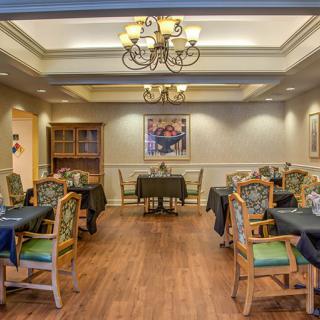
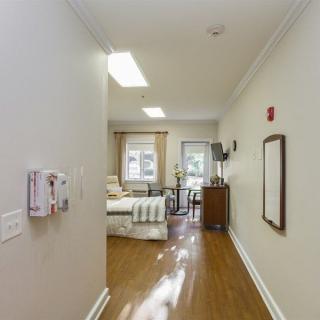
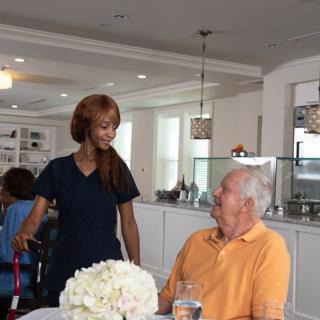
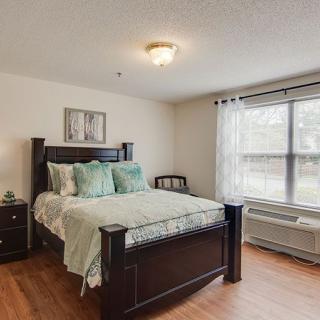
 Caring staff in a warm, home-like setting with engaging activities.


 Choosing the Right Senior Care: A Detailed Exploration of Assisted Living and Nursing Homes
 Safeguarding Your Memory Through the Golden Years: Eight Ways to Preserve Cognitive Health
 Comprehensive Insights into Activities of Daily Living (ADLs) and Their Assessment