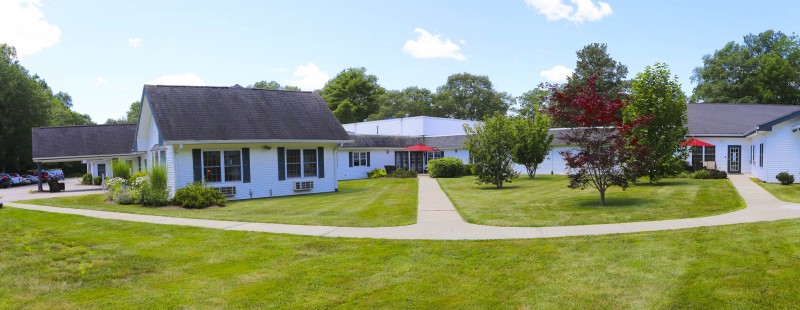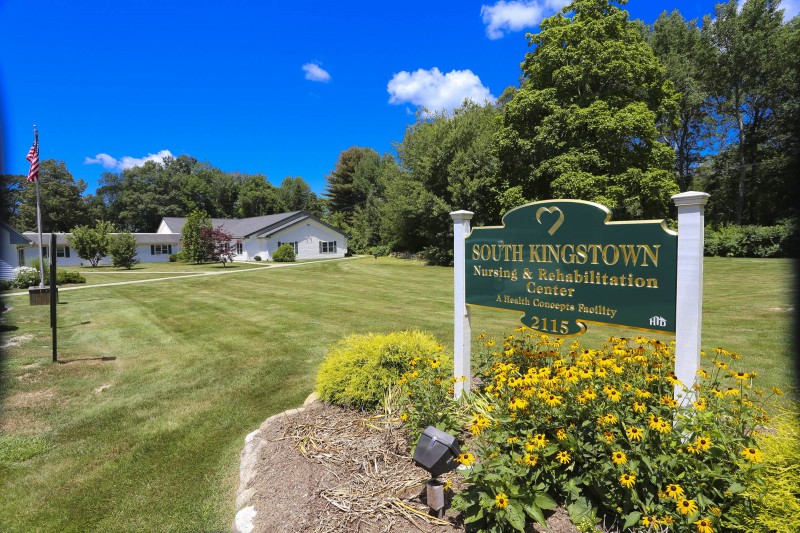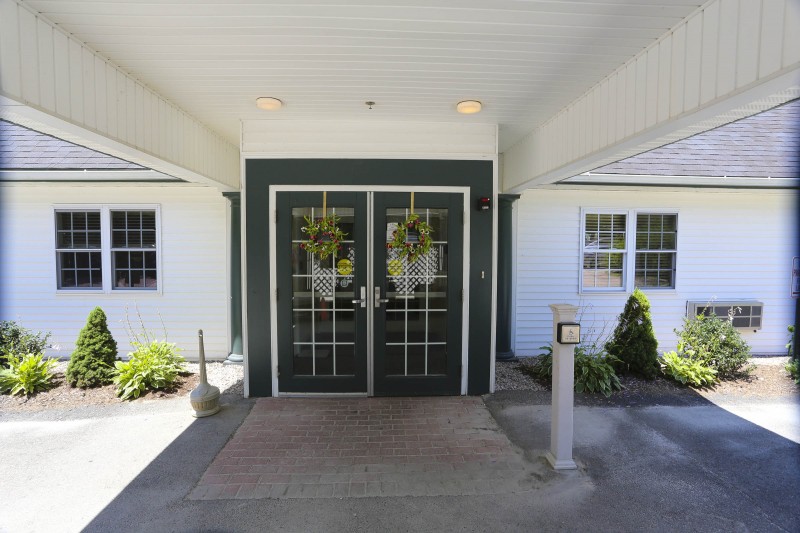
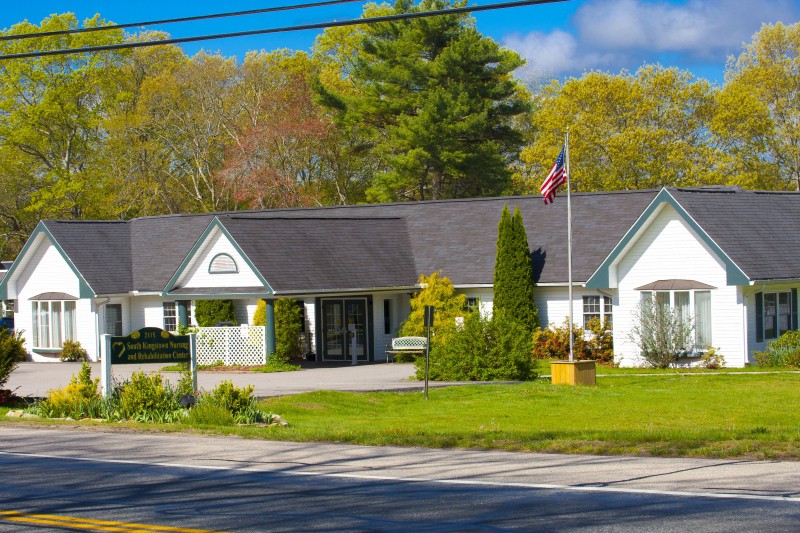
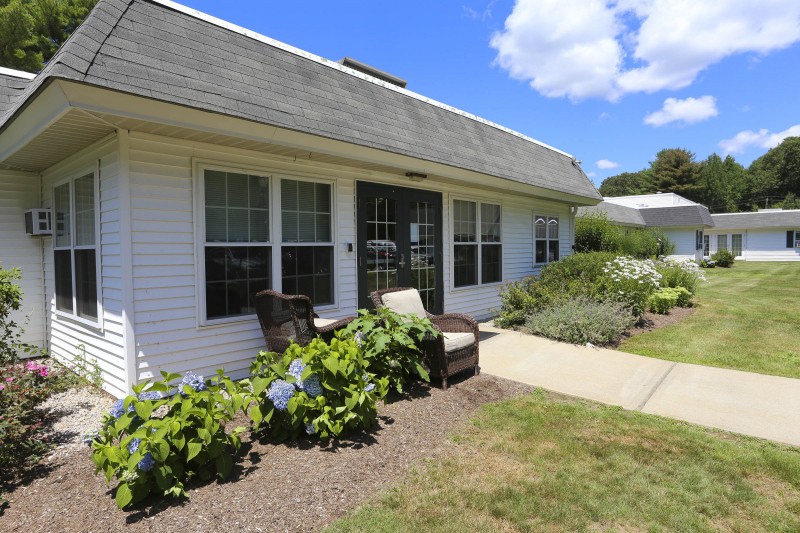
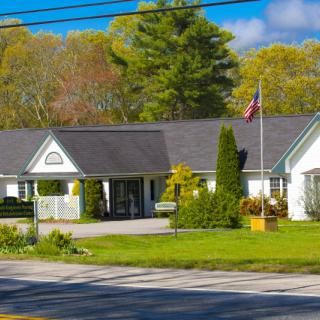

2115 South County Trail, Po Box 307, West Kingston, RI 02892
For more information about senior living options: (866) 208-4318
Overall Review of South Kingstown Nursing And Rehab Center
Pros
 The staff are collaborative and focused on what is best for the residents.
- The residents are happy and well cared for.
- The leadership is down to earth and truly cares about the residents.
- The activities offered are incredible, with outdoor adventures, family celebrations, and engaging programs.
- The administration and employees bond with residents and sincerely care about them.
- The therapy staff is wonderful, and the building is clean with helpful and friendly staff.
- The facility is wonderful, with friendly, dedicated staff and a strong rehab program.
- The nurses are wonderful and knowledgeable, and the CNAs are like friends to the residents.
- There is always something for the residents to participate in, including seasonal fun, birthdays, bingo, live singers, and arts and crafts.
Cons
 The reviewer states that the facility should be shut down.
- The facility is dirty, with patients left unattended for hours and reports of theft of personal property.
- There is virtually no accountability among staff up to the Director of Nursing and the facility's Director.
- The public bathroom had overflowing trash and an empty toilet paper roll.
- The nursing staff were negligent, failing to answer call lights for over an hour and keeping the patient in diapers, leading to hospitalization and death.
- Management is unprofessional and defensive, refusing to admit wrongdoing when confronted.
- At least one staff member seemed angry and hostile toward visitors, casting a negative impression.
- Housekeeping was poor, with floors, countertops, and sinks not cleaned daily.
Review
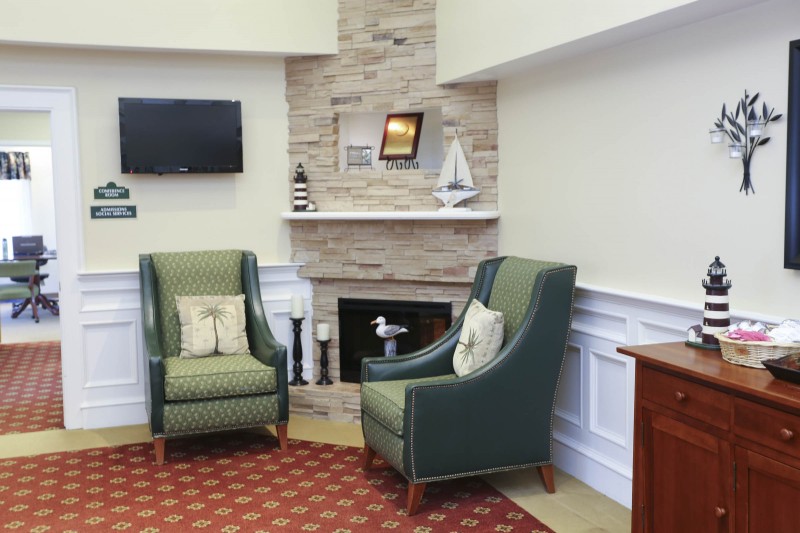
South Kingstown Nursing and Rehab Center is best suited for families that want a warm, engagement-focused environment where rehabilitation and daily social life are central. It works well for residents who thrive on frequent staff interaction, regular activities, and the security of a dementia-friendly unit. The facility earns praise for staff who appear genuinely invested in residents’ well-being, and for a culture that feels more like a home than a sterile institution. The ability for families to visit and check in around the clock reinforces confidence that a loved one remains integrated in daily life, not hidden away in a back room. For families weighing a transition into long-term care or rehab, SKNR’s emphasis on social programming, visible care teamwork, and practical updates provides a compelling framework to sustain dignity and pace of life.
That said, alternatives should be considered by families prioritizing consistently flawless daily operations and unfailingly professional management across all shifts. Several reviews flag serious concerns about administrative conduct and accountability, with narratives of defensiveness when concerns are raised. There are reports of inconsistent call-light responses, uneven housekeeping, and, in some cases, care experiences that verge on neglect. For families who cannot tolerate interruptions in basic safety, comfort, or transparency, shopping other options with documented, uniform quality may be prudent. The occasional harsh feedback about management signals a potential risk in relying on centralized leadership to resolve issues promptly.
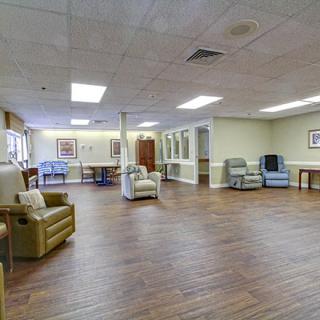
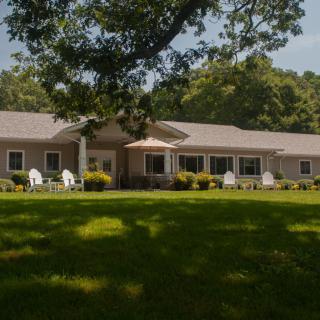
On the positive side, the strongest pros center on real, day-to-day warmth and effectiveness. The therapy program is repeatedly described as strong, with physical and speech rehab available and noticeably attentive to patients’ mobility and progress. Residents and families frequently highlight a clean, attractive facility, friendly CNAs, and caregivers who make time to chat and personalize care. The food is often described as homemade and appealing, and the calendar overflows with activities, outings, seasonal events, live music, and group gatherings, that help residents feel connected and valued. For families dealing with memory challenges, the secure dementia unit and the ability to participate in ongoing care planning provide a reassuring sense that specialized needs are understood and addressed.
However, the downsides cannot be dismissed, and they matter. A set of reviews portrays management as unprofessional or defensive, with conflicts that color the experience for both residents and families. Reports of delayed call-light responses and inconsistent housekeeping introduce real safety and comfort concerns, and there are extreme accounts of neglect or mishandling that led families to question the overall integrity of daily operations. From concerns about personal property to inappropriate staff conduct, these episodes fuel hesitation for anyone seeking steady reassurance that a loved one’s day-to-day care is flawless. The presence of such anecdotes means potential residents should scrutinize administration thoroughly and tour with a keen, skeptical eye.
In weighing the positives against the significant negatives, SKNR’s rehabilitation emphasis, staff warmth, and robust social programming can meaningfully offset many daily needs for residents who prize engagement and visible caregiver relationships. Yet the risk profile is nontrivial: management and accountability concerns, coupled with reports of inconsistent basic care in some cases, can erode trust during a vulnerable transition. Families should enter with a clear plan: specifically verify responses to concerns, request transparent communication channels, and seek up-to-date examples of problem resolution. Do not assume that a pleasant atmosphere alone will guarantee consistent safety, dignity, and reliability.
The practical path forward is concrete. Schedule multiple, extended visits at different times to observe how staff interact with residents, especially during peak hours. Meet directly with the administrator or director of nursing, and ask for recent quality improvement plans and any corrective actions taken in response to complaints. Inspect the dementia unit, housekeeping routines, and the cleanliness of shared spaces, bathrooms, and resident rooms. Request to review the facility’s incident logs and hear how staff handle call lights in real time. Finally, discuss private room options, family visitation policies, and exact costs, ensuring there is a plan for ongoing oversight. With those checks in place, SKNR can be a strong match for families seeking a lively, people-centered setting that supports rehabilitation and meaningful daily life, while remaining mindful of the cautions that accompany mixed operational histories.
 96 resident community capacity
 Skilled Nursing Facility
 Air-conditioning
 Beauty salon
 Cable or satellite TV
 Computer center
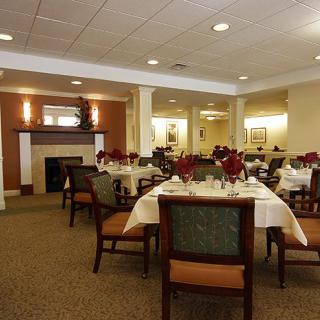
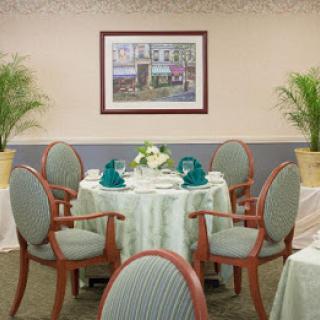
 Dining room
 Fitness room
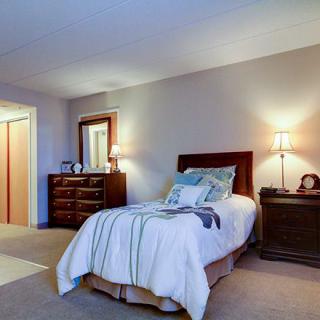
 Fully furnished
 Gaming room
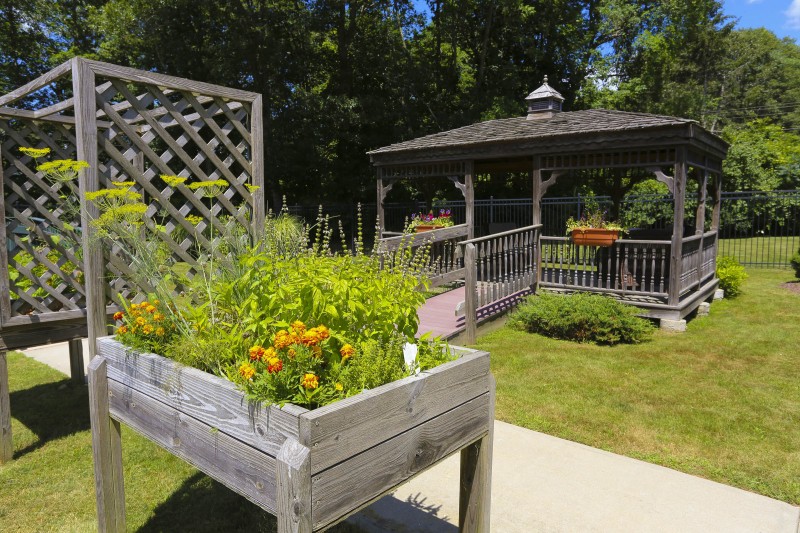
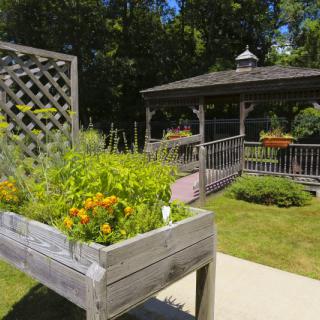
 Garden
 Housekeeping services
 Kitchenette
 Move-in coordination
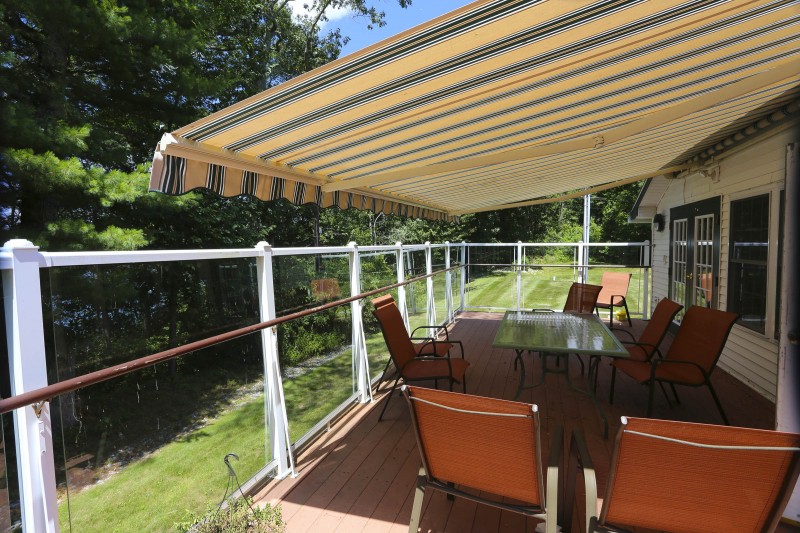
 Outdoor space
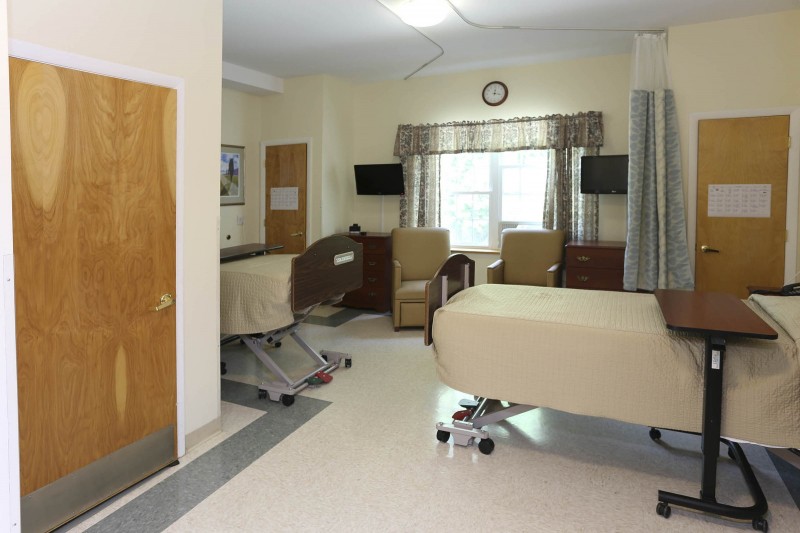
 Private bathrooms
 Restaurant-style dining
 Small library
 Telephone
 Wellness center
 Wi-Fi/high-speed internet available
 Theodore F Green State (17 miles away)
 Community operated transportation
 12-16 hour nursing
 24-hour call system
 Activities of daily living assistance
 Assistance with bathing
 Assistance with dressing
 Assistance with transfers
 Diabetes diet
 Medication management
 Mental wellness program
 Special dietary restrictions
 Concierge services
 Planned day trips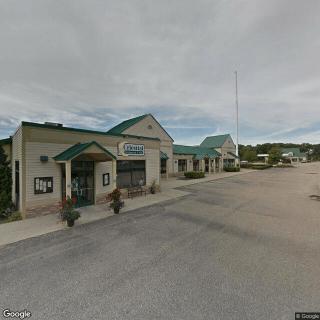
 Comprehensive Look at Senior Blood Pressure Charts: Normal and Elevated Levels by Age
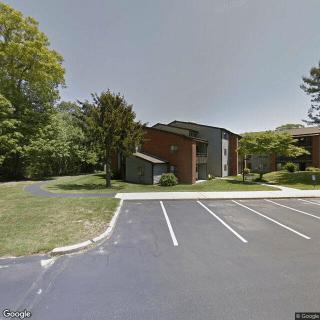
 Top Canine Companions for Older Adults
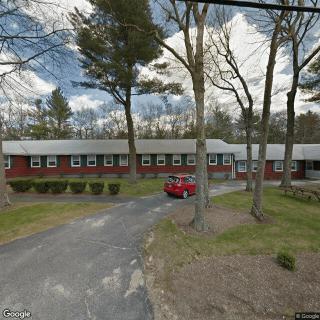
 Comprehensive Guide to Blood Pressure Charts for Older Adults: Understanding Normal and High Readings by Age