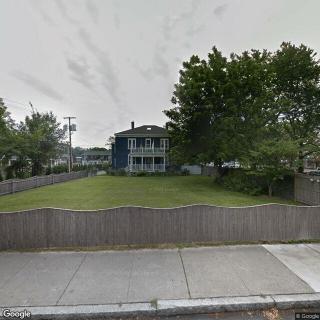
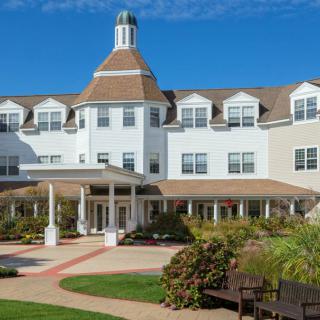
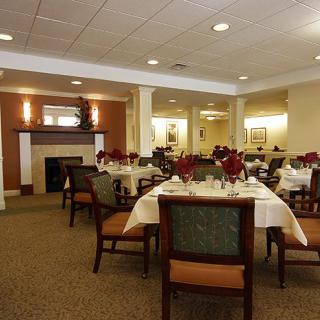
The John Clarke Retirement Center in Middletown, RI

Save
The John Clarke Retirement Center The John Clarke Retirement Center The John Clarke Retirement Center

The John Clarke Retirement Center in Middletown, RI

Information last verified:

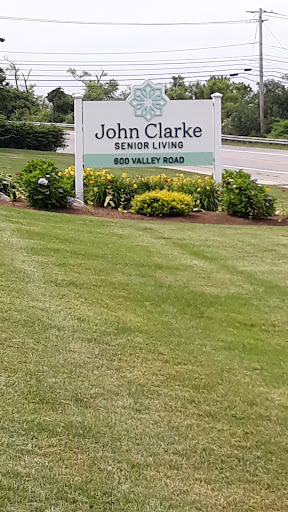
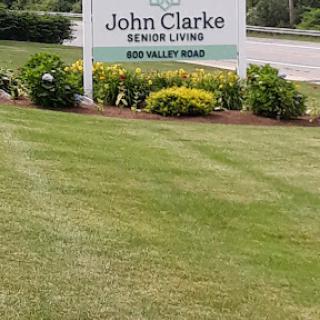
600 Valley Road, Middletown, RI 02842

For more information about senior living options: (844) 490-3973

4.4 from 69 reviews
5 stars
48
4 stars
9
3 stars
8
2 stars
0
1 stars
4

Overall Review of The John Clarke Retirement Center

Pros

  • pro The staff at John Clarke is dedicated and genuinely cares about residents' health and well-being.
  • pro Residents transitioning from hospital stays are consistently well cared for at John Clarke.
  • pro The facility is clean, well maintained, and up-to-date with upgrades.
  • pro John Clarke Senior Living is described as an amazing place by families.
  • pro The team provides personalized service, top-notch rehabilitation, and expert nursing and clinical care.
  • pro The care received by residents is outstanding, giving families peace of mind.
  • pro The staff are friendly, attentive, and truly care about people.
  • pro The atmosphere is bright, welcoming, and positive, with engaging activities.
  • pro The building is immaculate and the grounds are beautifully maintained, with good food and clear communication.

Cons

  • pro The facility is accused of not caring about its employees and delivering horrible service, with staff seemingly there for the paycheck.
  • pro An inept kitchen manager was noted.
  • pro The staff could do a better job responding to residents when they press the call button.
  • pro Some rooms were not very clean at times.
  • pro There was no alternative menu offered for meals.
  • pro Some residents did not enjoy the meals.

Review

The John Clarke Retirement Center in Middletown, Rhode Island is best suited for families seeking a single campus that blends long‑term living with robust rehabilitation and nursing care delivered by a deeply committed staff. It works well for seniors who transition from hospital stays and need reliable medical oversight, therapy, and daily support, yet still want an atmosphere that feels welcoming and home‑like. The building earns praise for cleanliness, thoughtful upgrades, and a culture of care where daily interactions with nurses, aides, and activity staff reinforce a sense of safety and belonging. For residents who prize clear communication with caregivers and visible leadership that guides both clinical teams and activities, this community often checks those boxes. In short, it is an especially strong fit for families prioritizing dependable, person‑centered care over flashy bells and whistles.

Realistic alternatives should be considered by anyone whose top priorities include exceptional dining consistency, uniformly pristine rooms, or ultra‑fast call‑button responses. While many residents and families report excellent service, there are isolated complaints about meal enjoyment and occasional lapses in room cleanliness or response times. Some reviewers allude to variability in kitchen leadership or menu options, and a handful describe moments when assistance buttons needed longer acknowledgment. For seniors who want primarily independent living with light support, or for those requiring highly specialized memory care or purely private accommodations, other markets may offer a closer fit. In those cases, more boutique or memory‑focused facilities might better align with expectations around autonomy, dining, and consistently meticulous maintenance.

Yet the core strengths significantly tilt the balance toward JC as a practical choice. The staff’s dedication is repeatedly described as exceptional, with a track record of compassionate, personalized care across nursing, rehabilitation, and daily activities. Residents frequently recover strength quickly after hospital stays due to strong rehab teams and attentive clinical oversight, and families express peace of mind knowing clinical staff operate with clarity and capability. Cleanliness and upkeep are widely praised, with many tours noting sparkling facilities and well‑maintained grounds. Leadership is perceived as mission‑driven and communicative, with administrators and social services a visible presence who keep families informed and engaged. The Activities Department adds vitality, creating a positive, social environment that helps residents feel connected and valued.

However, the fabric is not flawless. A subset of reviews notes variability in day‑to‑day experiences: some meals fall short for certain residents, and a few rooms or common areas have not met every visitor’s cleanliness expectations on specific days. Call‑button response, while generally reliable, has been described as needing improvement in some cases, which matters when quick assistance is essential. There is mention of kitchen management challenges in one critique, reminding that dining quality can fluctuate with staffing and menu planning. Crucially, these concerns tend to be isolated rather than systemic, and often are counterbalanced by the extraordinary care provided by frontline teams and strong relationships with families.

When evaluating JC, prospective families should plan a comprehensive tour with staff leadership in mind. Request to meet the Executive Director of Social Services and the Activities Director to gauge responsiveness, communication style, and program breadth. Observe how nurses and aides interact with residents during a shift change or mealtime, and try to sample a meal or two to assess consistency and options. Inquire about call‑bell response metrics, maintenance responsiveness, and how dietary needs and preferences are accommodated, especially if there are alternative menus or texture‑modified options. Ask current residents or families about transition experiences from hospital stays and how well discharge planning and follow‑up are coordinated. A trial stay or a detailed transition plan can reveal alignment with expectations around pace, privacy, and engagement.

Overall, The John Clarke Retirement Center stands out for its extraordinary staff devotion, robust rehabilitation capabilities, and a warm, inviting atmosphere that makes residents feel cherished. It is a compelling choice for families seeking dependable, full‑spectrum care in a friendly Middletown setting, where clinical excellence and daily lived experience converge to create confidence and comfort. Those who must have perfect uniformity in dining experiences or who demand flawless, rapid call‑button responses every hour may want to compare other facilities; for most, JC delivers a practical, compassionate balance of clinical strength and community life. For families weighing options, a deliberate site visit that tests communication channels, care routines, and resident satisfaction will reveal whether this center aligns with the elder’s needs and family expectations.

Features

Housing

  • 60 resident community capacity 60 resident community capacity

Types of Care

  • Skilled Nursing Facility Skilled Nursing FacilitySkilled Nursing Facilities are crucial for seniors as they provide round-the-clock medical care, rehabilitation services, and assistance with daily activities. These facilities ensure that seniors receive the specialized care they need to maintain their health and well-being as they age.

Amenities

  • Activities on-site Activities on-siteActivities on-site are important for seniors because they provide opportunities for socialization, mental stimulation, physical activity, and overall well-being. Engaging in activities can help seniors stay active, maintain their independence, and improve their quality of life.
  • Air-conditioning Air-conditioningAir conditioning is important for seniors as they are more vulnerable to heat-related illnesses and may have underlying health conditions that make it difficult for them to regulate their body temperature. It helps to keep them comfortable, safe, and healthy in hot weather.
  • Beauty salon Beauty salonBeauty salons are important for seniors because they provide a space for them to feel pampered, socialize, and maintain their personal grooming and hygiene. Regular visits to a beauty salon can help boost seniors' self-esteem and overall well-being.
  • Cable or satellite TV Cable or satellite TVCable or satellite TV is important for seniors because it provides entertainment, news, and companionship, helping to combat loneliness and boredom. It also offers a wide range of programming options tailored to different interests and preferences.
  • Computer center Computer centerA computer center is essential for seniors as it provides access to technology, communication tools, and resources that can enhance their daily lives. It allows them to stay connected with loved ones, engage in online activities, and learn new skills, ultimately promoting socialization and mental stimulation.
  • Devotional services on-site Devotional services on-siteDevotional services on-site provide seniors with spiritual support and a sense of community, as well as an opportunity for reflection and guidance during their senior living experience. This can promote emotional well-being and connection to others, leading to a more fulfilling and enriching lifestyle in their later years.
  • Dining room Dining roomDining rooms are important for seniors as they provide a space for socialization, connection, and nutritious meals. They offer opportunities for residents to bond over shared meals, foster a sense of community, and promote healthy eating habits. Dining rooms also ensure that seniors have access to well-balanced meals tailored to their dietary needs and preferences.
  • Fitness room Fitness roomHaving a fitness room in a senior living community is essential for seniors to stay active, maintain their physical health, and improve their overall well-being. Regular exercise can help prevent falls, reduce the risk of chronic diseases, and promote mental sharpness. It also provides social opportunities for residents to connect with others and enjoy a sense of community.
  • Fully furnished Fully furnishedFully furnished senior living communities are important for seniors because they provide convenience, comfort, and a hassle-free moving experience. Seniors can easily settle into their new living space without the stress of having to buy and move furniture. This allows them to focus on enjoying their new home and community.
  • Gaming room Gaming roomGaming rooms are important for seniors as they provide a fun and engaging environment for socializing, cognitive stimulation, and physical activity. Games can improve memory, problem-solving skills, and overall mental well-being while fostering friendships and reducing feelings of isolation.
  • Garden GardenGardens are important for seniors as they provide a peaceful and therapeutic environment for relaxation, physical activity, and socialization. Being in nature has been shown to reduce stress, improve mood, and promote overall well-being. Gardens also offer opportunities for seniors to engage in gardening activities, which can improve mobility, flexibility, and cognitive function. Additionally, gardens create a sense of community and connection with others who share a passion for plants and outdoor spaces.
  • Housekeeping services Housekeeping servicesHousekeeping services are important for seniors because they help maintain a clean and safe living environment, promote independence, and reduce the risk of accidents or illnesses. Additionally, having assistance with household chores can alleviate physical strain and allow seniors to focus on other aspects of their well-being.
  • Indoor common areas Indoor common areasIndoor common areas are crucial for seniors as they provide a space for socialization, recreation, and community engagement, promoting overall well-being and reducing feelings of isolation and loneliness.
  • Kitchenette KitchenetteKitchenettes are important for seniors living in senior living communities because they provide the convenience and independence of being able to prepare simple meals and snacks in the comfort of their own living space. This can help promote a sense of autonomy and well-being for seniors, allowing them to maintain some level of control over their dietary choices and daily routines.
  • Move-in coordination Move-in coordinationMove-in coordination is important for seniors because it helps ease the transition into their new living environment. It ensures that all logistics, such as packing, organizing movers, and setting up utilities are taken care of, allowing seniors to focus on settling in and adjusting to their new home. Having a smooth move-in process can alleviate stress and anxiety, making the transition smoother and more enjoyable for seniors.
  • Outdoor common areas Outdoor common areasOutdoor common areas are important for seniors as they provide a space for socialization, physical activity, and relaxation. Being outside in nature can improve mood and overall well-being, while also encouraging movement and engagement with others. These spaces can help combat feelings of isolation and promote a sense of community among residents.
  • Outdoor space Outdoor spaceOutdoor spaces are important for seniors as they provide opportunities for physical activity, social interaction, exposure to natural light and fresh air, and a sense of connection to nature. Having access to outdoor spaces can improve overall well-being and quality of life for older adults living in senior communities.
  • Private bathrooms Private bathroomsPrivate bathrooms are important for seniors in senior living communities because they provide independence, dignity, and comfort. Having a private bathroom allows seniors to maintain their personal hygiene routines without the need for assistance, promoting a sense of autonomy and privacy. Additionally, private bathrooms help prevent the spread of infections and provide a safe and clean environment for seniors to navigate safely.
  • Restaurant-style dining Restaurant-style diningRestaurant-style dining is important for seniors because it allows them to enjoy delicious, nutritious meals in a social and upscale setting. This enhances their dining experience, promotes healthy eating habits, and fosters socialization with fellow residents, ultimately contributing to their overall well-being and quality of life.
  • Small library Small librarySmall libraries are important for seniors as they provide access to a variety of reading materials, including books, newspapers, and magazines. This can help stimulate their minds, keep them engaged, and provide a sense of community through book clubs and other social activities. Additionally, reading has been shown to improve cognitive function and overall mental well-being in older adults.
  • Telephone TelephoneTelephones are important for seniors as they provide a lifeline for communication with loved ones, emergency services, and healthcare providers. They offer a sense of security and independence, enabling seniors to stay connected and access assistance when needed.
  • Wellness center Wellness centerWellness centers are important for seniors because they offer a variety of programs and services that promote physical, mental, and emotional well-being. These centers provide opportunities for exercise, socialization, education, and relaxation, helping seniors maintain their overall health and quality of life.
  • Wi-Fi/high-speed internet available Wi-Fi/high-speed internet availableWi-Fi/high-speed internet is important for seniors to stay connected with loved ones, access online resources, and participate in virtual activities to combat feelings of loneliness and isolation. It also allows them to easily manage healthcare needs, access entertainment, and engage in lifelong learning opportunities.

Transportation

  • Theodore F Green State (17 miles away) Theodore F Green State (17 miles away)
  • Community operated transportation Community operated transportationCommunity operated transportation is crucial for seniors as it provides them with the means to access essential services, social activities, and medical appointments. It allows seniors to maintain their independence and quality of life by ensuring they can participate in activities outside of their homes. Additionally, community-operated transportation services offer a safe and reliable way for seniors to travel without having to rely on family or friends for assistance.
  • Transportation arrangement Transportation arrangementTransportation arrangements are crucial for seniors as they may face challenges with driving, mobility, or access to public transportation. Having reliable transportation services ensures that seniors can easily attend appointments, social activities, and maintain their independence and quality of life.
  • Transportation arrangement (non-medical) Transportation arrangement (non-medical)Transportation arrangements are essential for seniors as they provide access to essential services, activities, and social interactions outside the home. This service helps maintain independence, mobility, and overall well-being for seniors who may have limited transportation options.
  • Transportation to doctors appointments Transportation to doctors appointmentsTransportation to doctors appointments is crucial for seniors as it ensures they have access to necessary medical care and support, promoting their health and well-being. It allows them to receive timely treatment, monitor existing conditions, and address any new health concerns efficiently. Additionally, transportation services can help seniors maintain their independence and quality of life by enabling them to stay connected with their healthcare providers.

Care Services

  • 12-16 hour nursing 12-16 hour nursing12-16 hour nursing care is crucial for seniors in order to ensure around-the-clock monitoring, timely medication administration, and prompt response to any health concerns or emergencies. This level of care helps to promote the overall well-being and safety of seniors living in senior living communities.
  • 24-hour call system 24-hour call system24-hour call systems are important for seniors because they provide peace of mind and immediate assistance in case of emergencies. This technology ensures that help is always available, promoting safety and security for elderly individuals living alone or in assisted living facilities.
  • 24-hour supervision 24-hour supervision24-hour supervision is important for seniors to ensure their safety, well-being, and access to immediate assistance in case of emergencies or health issues. This constant support provides peace of mind for both seniors and their loved ones, allowing them to age in place with dignity and security.
  • Activities of daily living assistance Activities of daily living assistanceActivities of daily living assistance are important for seniors because they provide essential support with tasks such as eating, bathing, dressing, and mobility. This assistance helps seniors maintain their independence, dignity, and overall quality of life as they age.
  • Ambulatory care Ambulatory care"Ambulatory care services provide essential medical support and treatment to seniors without requiring hospitalization, allowing them to maintain their independence and quality of life while managing chronic conditions or receiving routine medical care."
  • Assistance with bathing Assistance with bathingAssistance with bathing is crucial for seniors as it helps maintain personal hygiene, prevents infections, and ensures their overall well-being and comfort. It also provides a sense of dignity and independence for seniors who may struggle with this task on their own.
  • Assistance with dressing Assistance with dressingAssistance with dressing is important for seniors because it helps maintain their independence, promotes personal hygiene, prevents accidents and injuries, and improves overall quality of life. This service ensures that seniors can continue to dress comfortably and confidently, despite any physical limitations they may have.
  • Assistance with transfers Assistance with transfersAssistance with transfers is crucial for seniors as it helps prevent falls and injuries, maintains their independence, and ensures they can safely navigate their living environment. It also provides peace of mind for both seniors and their loved ones.
  • Diabetes diet Diabetes dietA diabetes diet is crucial for seniors as it helps manage blood sugar levels, reduce risks of complications, and improve overall health and well-being. By following a balanced and nutritious diet tailored to their specific needs, seniors can better control their diabetes and enhance their quality of life.
  • Diabetic care Diabetic careDiabetic care is crucial for seniors as they are more susceptible to developing diabetes due to aging and other health conditions. Proper management of diabetes can help prevent complications such as heart disease, vision loss, and nerve damage, improving the overall quality of life for seniors in senior living communities.
  • Meal preparation and service Meal preparation and serviceMeal preparation and service are crucial for seniors as they may have limited mobility or energy to cook nutritious meals. Having access to healthy and convenient food options can ensure they are getting the proper nutrition needed to maintain their overall health and well-being.
  • Medication management Medication managementMedication management is crucial for seniors to ensure they are taking the right medications at the correct dosages and times. This helps prevent adverse drug interactions, reduces the risk of medication errors, and promotes overall health and well-being. Proactive management also allows for adjustments as needed based on changing health conditions or new prescriptions.
  • Mental wellness program Mental wellness programMental wellness programs are essential for seniors as they promote cognitive stimulation, emotional support, and social engagement. These programs help prevent isolation, depression, and cognitive decline, ultimately enhancing the overall quality of life for older adults.
  • Special dietary restrictions Special dietary restrictionsSpecial dietary restrictions are important for seniors because age-related changes in metabolism and health conditions can make it difficult for their bodies to process certain foods. By following a diet tailored to their specific needs, seniors can maintain their overall health and well-being, manage chronic conditions, and reduce the risk of complications such as malnutrition or food interactions with medications.

Dining

  • Diabetes diet Diabetes dietA diabetes diet is crucial for seniors as it helps manage blood sugar levels, reduce risks of complications, and improve overall health and well-being. By following a balanced and nutritious diet tailored to their specific needs, seniors can better control their diabetes and enhance their quality of life.
  • Meals provided Meals provided"Meals provided" are crucial for seniors in assisted living communities as it ensures they have access to nutritious, balanced meals without the stress of meal planning and preparation. This can help promote overall health and well-being for seniors who may have limited mobility or cognitive abilities.
  • Special dietary restrictions Special dietary restrictionsSpecial dietary restrictions are important for seniors because age-related changes in metabolism and health conditions can make it difficult for their bodies to process certain foods. By following a diet tailored to their specific needs, seniors can maintain their overall health and well-being, manage chronic conditions, and reduce the risk of complications such as malnutrition or food interactions with medications.

Activities

  • Activities on-site Activities on-siteActivities on-site are important for seniors because they provide opportunities for socialization, mental stimulation, physical activity, and overall well-being. Engaging in activities can help seniors stay active, maintain their independence, and improve their quality of life.
  • Community-sponsored activities Community-sponsored activitiesCommunity-sponsored activities are important for seniors as they provide opportunities for social interaction, mental stimulation, and physical activity. These activities can help improve overall well-being, combat loneliness and isolation, and promote a sense of belonging and purpose among older adults.
  • Concierge services Concierge servicesConcierge services are essential for seniors as they provide assistance with daily tasks and errands, enhance their quality of life by offering convenience and personalized care, and promote a sense of safety and security.
  • Devotional activities on-site Devotional activities on-siteDevotional activities on-site provide seniors with a sense of community, spiritual fulfillment, and emotional support, promoting overall well-being and a positive sense of purpose in their lives.
  • Fitness programs Fitness programsFitness programs are crucial for seniors as they help improve strength, flexibility, balance, and overall well-being. Staying active can reduce the risk of chronic diseases, improve mental health, and enhance quality of life in older adults.
  • Planned day trips Planned day tripsPlanned day trips are important for seniors because they offer opportunities for socialization, mental stimulation, and physical activity. They provide a change of scenery and help seniors stay engaged and connected to their community, promoting overall well-being and quality of life.
  • Resident-run activities Resident-run activitiesResident-run activities are important for seniors as they encourage social interaction, creativity, and a sense of autonomy. These activities empower seniors to stay engaged and active in their community while fostering meaningful connections with their peers.
  • Scheduled daily activities Scheduled daily activitiesScheduled daily activities are important for seniors because they provide structure, socialization, mental stimulation, and physical activity. Engaging in regular activities can improve overall well-being and quality of life for seniors living in a community setting.

Description

The John Clarke Retirement Center in Middletown, RI offers a wide range of amenities and care services to provide residents with a comfortable and fulfilling lifestyle. The community features air-conditioned apartments that are fully furnished, ensuring a cozy living space for each resident. There is also cable or satellite TV available for entertainment.

Transportation needs are well catered to with community-operated transportation services and arrangements for non-medical and doctors' appointments. Residents can enjoy the beautiful outdoor spaces, including a garden and common areas, as well as utilize the indoor common areas such as the computer center, gaming room, small library, and wellness center.

Meals are provided in the on-site dining room, offering restaurant-style dining with special dietary restrictions taken into account. Housekeeping services ensure a clean living environment for residents.

Care services include 24-hour call system and supervision for added safety. Assistance is provided with activities of daily living such as bathing, dressing, transfers, and meal preparation. Medication management is also available along with specialized care for diabetics.

A variety of activities are offered to promote social engagement and mental wellness. Community-sponsored events, fitness programs, planned day trips, resident-run activities, devotional activities on-site are just some of the options available. Additionally, concierge services are provided to assist residents with any additional needs or requests.

The location of the John Clarke Retirement Center is convenient with numerous cafes, parks, pharmacies, physicians' offices, restaurants and places of worship nearby. The close proximity to hospitals ensures easy access to medical care when needed.

Overall, the John Clarke Retirement Center provides an inviting assisted living community that fosters independence and well-being while offering comprehensive support services to meet the individual needs of its residents.

Nearby Places of Interest

This area of Middletown, Rhode Island, offers a convenient and accessible location for senior living. With a variety of physicians, pharmacies, and hospitals within close proximity, residents have easy access to medical care and services. In addition, there are several restaurants and cafes nearby for dining options. The abundance of parks in the area provides opportunities for outdoor recreation and relaxation. Transportation is also readily available with Rail Explorers located just 5.6 miles away. Overall, this neighborhood offers a well-rounded community with amenities that cater to the needs and interests of seniors looking for a comfortable place to live.

Physicians

  • Southcoast Physicians Group (0.3 miles)
  • Cardiovascular Associates-Ri (0.3 miles)
  • Newport Orthopedic Services (0.4 miles)
  • Valley Primary Care (0.5 miles)
  • University Medicine Foundation (0.5 miles)
  • Nhcc Medical Associates (1 miles)
  • Newport Neurology (1 miles)

Restaurants

  • Bagel Boys (0.4 miles)
  • Anthony's Seafood (0.8 miles)
  • Ma's Donuts & More (0.8 miles)
  • Diego's Barrio Cantina (0.8 miles)
  • IHOP (0.8 miles)
  • Newport Creamery (0.9 miles)
  • Aquidneck Restaurant & Pizzeria (1 miles)

Cafes

  • Custom House Coffee (0.5 miles)
  • Starbucks (1.1 miles)
  • The Nitro Bar (1.3 miles)
  • Corner Cafe (1.4 miles)
  • Megs' Aussie Milk Bar (1.7 miles)
  • Empire Tea & Coffee (1.8 miles)
  • Starbucks (1.8 miles)

Places of Worship

  • Jesus Savior Church (0.8 miles)
  • St Joseph's Rectory (1.4 miles)

Pharmacies

  • CVS Pharmacy (1 miles)
  • Walgreens (1.1 miles)
  • CVS Pharmacy (1.9 miles)
  • Greenleaf Compassionate Care Center (5 miles)
  • CVS Pharmacy (7 miles)
  • CVS Pharmacy (7.8 miles)

Hospitals

  • Newport Hospital MRI (1 miles)
  • Newport Health Care Corporation (1.1 miles)
  • Newport Hospital (1.1 miles)
  • Naval Health Clinic New England (1.8 miles)

Parks

  • Brenton Point State Park (1.6 miles)
  • Battery Park (1.8 miles)
  • Queen Anne Square (1.8 miles)
  • Perotti Park (1.8 miles)
  • Storer Park (1.9 miles)
  • Aquidneck Park (1.9 miles)
  • King Park (2.5 miles)

Transportation

  • Rail Explorers (5.6 miles)

Frequently Asked Questions

Where is The John Clarke Retirement Center?
What photos are available for The John Clarke Retirement Center in Middletown, Rhode Island?

Nearby Communities

  • Grand Islander Center

    Grand Islander Center

    Middletown, RI

    4.2 from 106 reviews
    $7,950 / month

    pro Attentive staff, clean facility, and engaging activities.

  • Blenheim Newport

    Blenheim Newport

    Middletown, RI

    4.3 from 56 reviews
    $2,700 to $4,350 / month

    pro Caring staff and a welcoming community with quality dining.

  • All About Home Care

    All About Home Care

    Middletown, RI

    3 from 4 reviews
     

    pro Extensive nearby amenities and strong healthcare access.

  • Bay Ridge

    Bay Ridge

    Middletown, RI


    pro Small, intimate setting with personalized care and dietary options plus Wi-Fi/phone access.

  • Broadway West Broadway

    Broadway West Broadway

    Newport, RI

    5 from 2 reviews
     

    pro Excellent access to nearby dining, parks, healthcare, and worship.

  • Forest Farm Assisted Living

    Forest Farm Assisted Living

    Middletown, RI

    4.5 from 4 reviews
    $2,906 / month

    pro Affordable pricing with extensive on-site amenities and services (transportation, dining, wellness, salon).

  • Donovan Manor

    Donovan Manor

    Newport, RI

    4.1 from 7 reviews
     

    pro Prime Newport location with extensive nearby amenities (cafes, parks, pharmacies, hospitals, restaurants, places of worship).

  • Atria Aquidneck Place

    Atria Aquidneck Place

    Portsmouth, RI

    4.7 from 107 reviews
    $4,395 to $12,095 / month

    pro Caring staff and a warm, engaging community.

  • Brightview Commons

    Brightview Commons

    Wakefield, RI

    4.7 from 133 reviews
    $3,640 to $5,945 / month

    pro Caring, knowledgeable staff; well-maintained facilities with ample activities; strong safety measures and convenient location near shops and the ocean.

Related Resources

  • aid and attendance vaIn-Depth Look at the VA Aid and Attendance Program

    The VA Aid and Attendance program offers financial assistance to veterans needing help with daily activities due to health issues, available through a pension for low-income wartime veterans or an allowance for 100% disabled individuals. Eligibility depends on medical documentation of care needs and navigating guidelines about income and service history, with funds being usable for various healthcare-related expenses.

  • caring for elderly parentsNurturing Our Loved Ones: A Daughter's Journey in Caring for Her Mother

    Please provide the content you'd like summarized.

  • caring for elderly parentsNurturing Our Elders: Linda's Journey of Supporting Her Mother
    Linda's caregiving journey for her elderly mother, Joan, is marked by deep love and challenges as she navigates health changes, emotional support, and practical arrangements while learning to prioritize self-care and utilize community resources. Their evolving relationship highlights resilience and the universal themes of empathy and preparedness in caregiver experiences.