
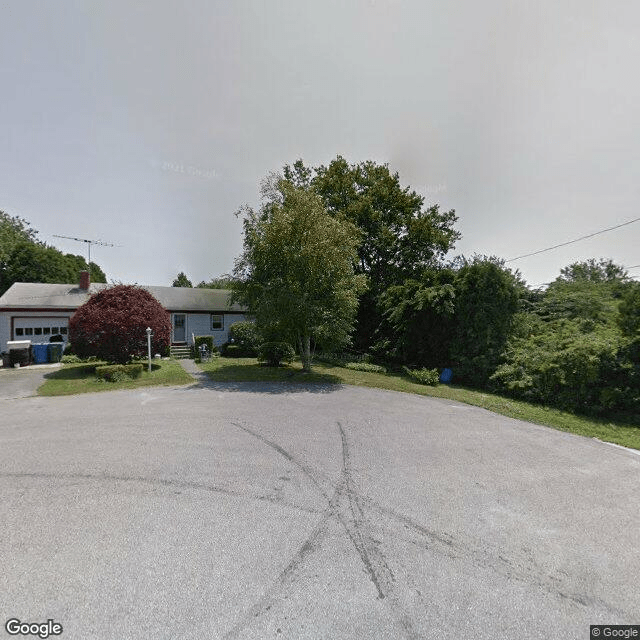
191 Forest Avenue, Middletown, RI 02842
For more information about senior living options: (866) 208-4318
Forest Farm Assisted Living Costs & Pricing
Forest Farm Assisted Living offers competitively priced accommodations, with a one-bedroom unit costing $2,906 per month. This rate is significantly lower than the average for Newport County, which stands at $5,125, and is also more affordable than the state average of $4,796. Choosing Forest Farm not only provides residents with a comfortable living environment but also represents a cost-effective option compared to both county and state averages, making it an appealing choice for families seeking quality assisted living solutions in Rhode Island.
| Floor plans | Forest Farm Assisted Living | Newport County | Rhode Island |
|---|---|---|---|
| 1 Bedroom | $2,906 | $5,125 | $4,796 |
Assisted Living communities with a similar price nearby
-
from +$344 / mo

Commonwealth House Assisted Living
$3,250 to $4,000 / month15.6 miles away -
from +$294 / mo
The Bridge At Cherry Hill
$3,200 to $4,950 / month23.7 miles away -
from +$89 / mo

Prosper at Fall River
$2,995 to $3,350 / month13.7 miles away -
from +$144 / mo
Greenwich Farms At Warwick
$3,050 to $6,200 / month16.4 miles away -
from +$389 / mo

Atria Bay Spring Village
$3,295 to $8,395 / month15.7 miles away
Overall Review of Forest Farm Assisted Living
Pros
 The staff are pretty nice.
- The facilities are clean.
- They provide good care.
- Forrest Farm offers two care levels and flexible payment options, including private pay or subsidized options.
- The rooms are a good size with many amenities, especially for the private-pay option.
- Handicapped parking is available and the staff are friendly.
Cons
 They note a two-week wait to schedule an assessment because the nurse was on vacation.
- They express concern about the nurse being absent for two weeks and what that might mean for residents.
- They report that the admin coordinator did not reply to an email after the tour, which felt odd.
- They say the need to move quickly made the two-week delay in assessments unacceptable.
Review
Forest Farm Assisted Living in Middletown is best suited for seniors who want a calm, home-like environment with clear value. This community works well for families prioritizing clean, well-maintained spaces, friendly, engaged staff, and reasonably sized private rooms at a price point that accommodates private-pay or subsidized arrangements. The absence of a heavy marketing aura and the presence of genuine day-to-day stability matter here: a resident’s family can count on predictable routines, a safe, odor-free setting, and a welcoming front-line team. The combination of spacious private accommodations and practical amenities makes it a practical option for those who don’t require around-the-clock nursing but still want reliable daily care and a quiet, orderly atmosphere.
Those who may want to consider alternatives are the ones with higher-intensity care needs or tighter timelines. The facility markets two care levels that appear unusually limited, one hour per week or one hour per day, an arrangement that does not fit families seeking more frequent assistance or continuous monitoring. For seniors who may require rapid, comprehensive assessments, or who anticipate escalating needs, other communities with broader level-of-care options and faster onboarding will likely be a better match. Potential movers should also note that timely communication from administration can be an uneven experience, which matters when coordinating move timelines and care plans.
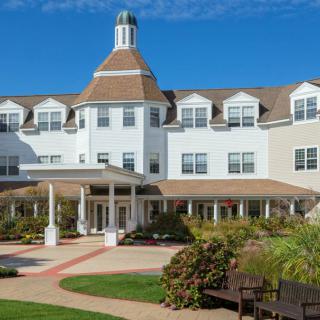
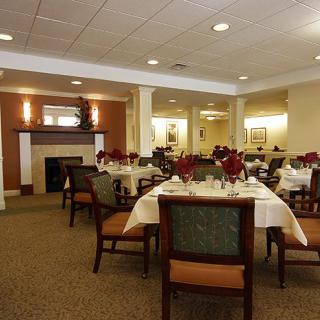
On the plus side, the strongest arguments in Forest Farm’s favor are the staff’s warmth, the clean, well-kept surroundings, and the overall quality of daily care. Reviews highlight friendly personnel, responsive housekeeping, and a resident-focused environment where care feels consistent. The physical footprint, large, comfortable rooms and a range of amenities, delivers genuine value, especially for families seeking balance between affordability and livability. The facility’s private-pay and subsidized options broaden access without forcing compromise on basic comfort, and the presence of handicapped parking adds practical convenience for visits and transitions.
However, the main drawbacks demand sober consideration. The two-week delay for an initial assessment, caused by a nurse’s absence, can derail a move when time is pressing. A concurrent concern is the impression that administrative communications may falter after tours, as seen in delayed or unclear email follow-ups. Taken together, these issues raise legitimate questions about cadence and reliability of care planning and onboarding. They do not erase the strengths described above, but they do tilt the risk-reward balance toward careful due diligence before making a commitment.
For families evaluating Forest Farm, a disciplined checklist will pay dividends. Confirm the expected cadence for assessments and what happens if a nurse is unavailable during a critical transition. Probe how care levels are defined and what constitutes meaningful daily support beyond the stated hours. Ask for a sample care plan that matches the typical routines of a current resident, and verify what amenities and services remain consistent as needs change. Seek conversations with current residents or families to gauge ongoing satisfaction, and map out the cost structure, both private-pay rates and any subsidies, against daily life at the community to ensure true affordability over time.
In the final analysis, Forest Farm stands out as a solid, practical option for families prioritizing affordability, a respectful staff culture, and a stable, comfortable living environment. It is especially compelling for seniors whose care requirements are modest and who value long-tenured residents and a calm day-to-day atmosphere. Caution is warranted for those needing rapid onboarding or more intensive, continuous care; in such cases, alternatives with broader levels of care and more predictable assessment workflows should be pursued. For the right mover, one who can align with a measured pace and a strong, dependable care presence, Forest Farm offers dependable everyday living with meaningful peace of mind.
 55 resident community capacity
 Assisted Living
 Day Program
 Air-conditioning
 Beautician on-site
 Cable or satellite TV
 Computer center
 Devotional services on-site
 Dining room
 Fitness room
 Fully furnished
 Gaming room
 Garden
 Housekeeping services
 Indoor common areas
 Kitchenette
 Move-in coordination
 Outdoor common areas
 Private bathrooms
 Restaurant-style dining
 Small library
 Telephone
 Wellness center
 Wheelchair accessible showers
 Wi-Fi/high-speed internet available
 Theodore F Green State (15 miles away)
 Community operated transportation
 24-hour call system
 Assistance with bathing
 Assistance with dressing
 Assistance with transfers
 Diabetes diet
 Medication management
 Special dietary restrictions
 Concierge services
 Planned day trips

 8 Key Indicators That Suggest It May Be Time to Transition from Assisted Living to Skilled Nursing Care
 Vibrant Senior Living: A Comprehensive Guide for Active Older Adults
 When to Transition from Assisted Living to Memory Care: Key Indicators, Steps, and Finding the Right Community