For more information about senior living options: (866) 208-4318
4.3 from 61 reviews
5 stars
37
4 stars
14
3 stars
6
2 stars
0
1 stars
4
Blenheim Newport Costs & Pricing
Blenheim Newport offers a competitive pricing structure compared to both Newport County and the broader state of Rhode Island. For instance, a studio apartment at Blenheim is priced at $2,700 per month, significantly lower than the county average of $5,197 and the state average of $4,015. Similarly, one-bedroom units are available for $3,450, which is again more affordable than Newport County's rate of $5,125 and Rhode Island's average of $4,796. The two-bedroom apartments at Blenheim are priced at $4,350 - still attractive when compared to Newport County's cost of $6,109 and the state's average of $5,810. Overall, Blenheim Newport presents a compelling option for those seeking quality living spaces without the steep prices typically found in the area.
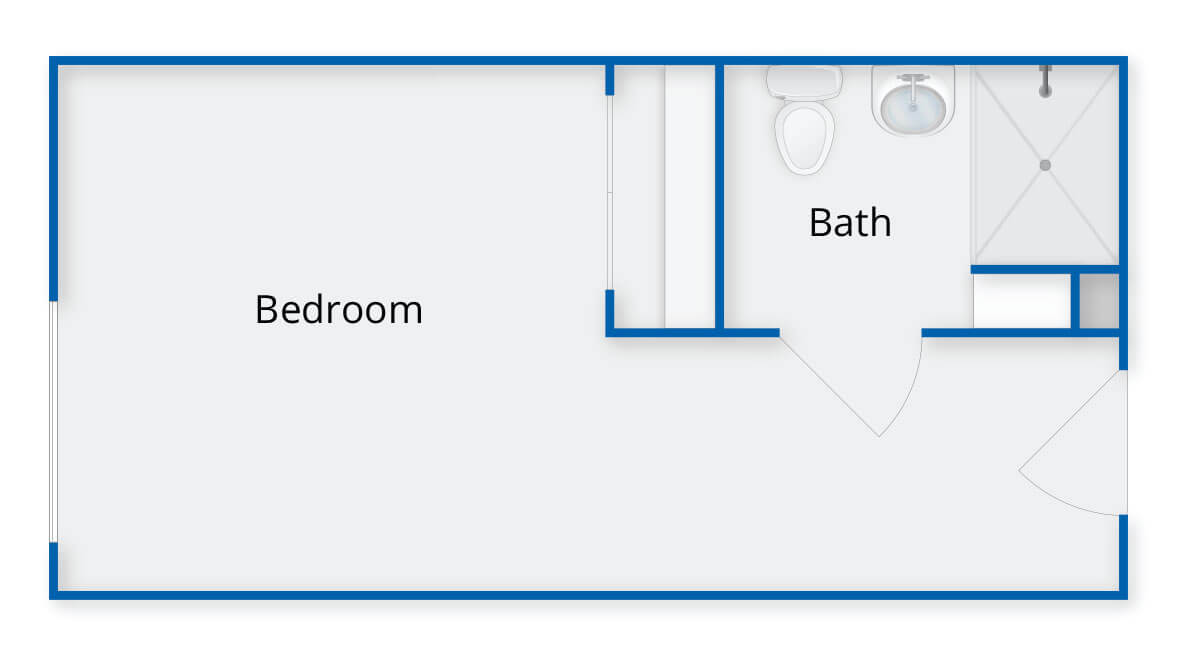
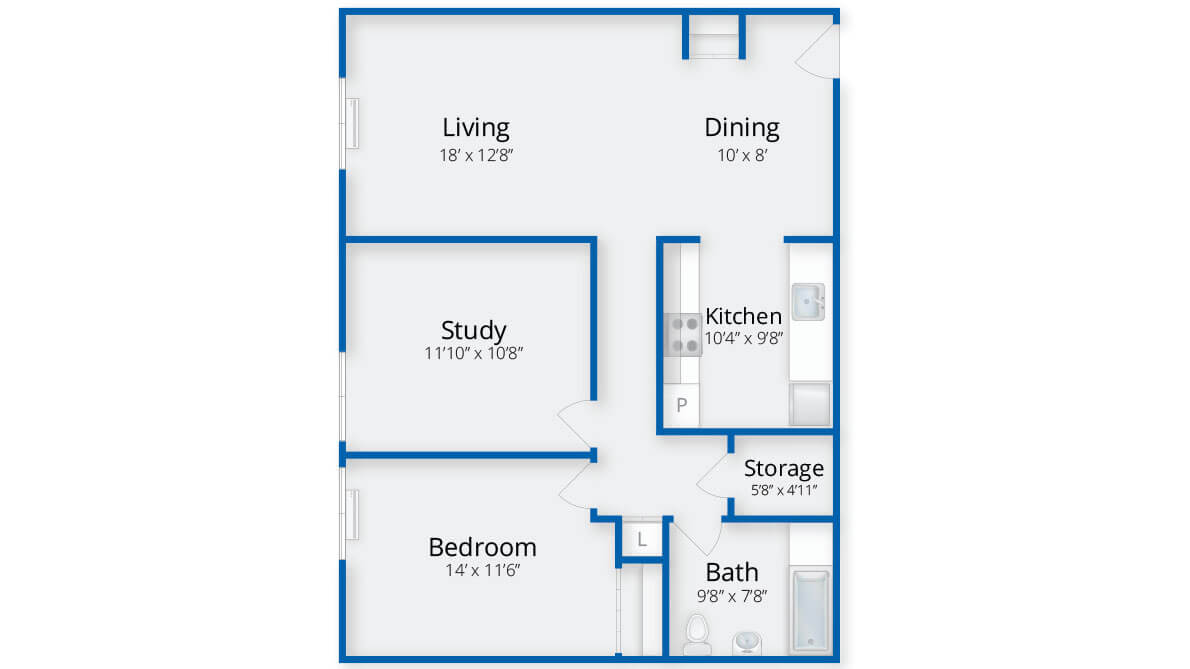
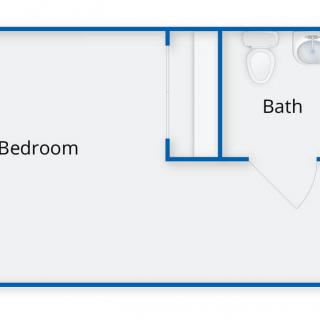
Floor plans
Blenheim Newport
Newport County
Rhode Island
Studio
$2,700
$5,197
$4,015
1 Bedroom
$3,450
$5,125
$4,796
2 Bedrooms
$4,350
$6,109
$5,810
Memory care communities with a similar price nearby
Residents and families repeatedly describe staff who are kind, welcoming, and helpful.
A lot of reviews emphasize how friendly and compassionate the staff feels day to day, including people who keep residents comfortable and families informed. Several reviewers specifically call out warm interactions with the team and supportive help during stressful moves or transitions. Some also mention communication is strong overall, even when there are occasional misses between shifts. Across reviews, the staff tone is a consistent reason people would recommend the community.
differentiator16 reviews mention this
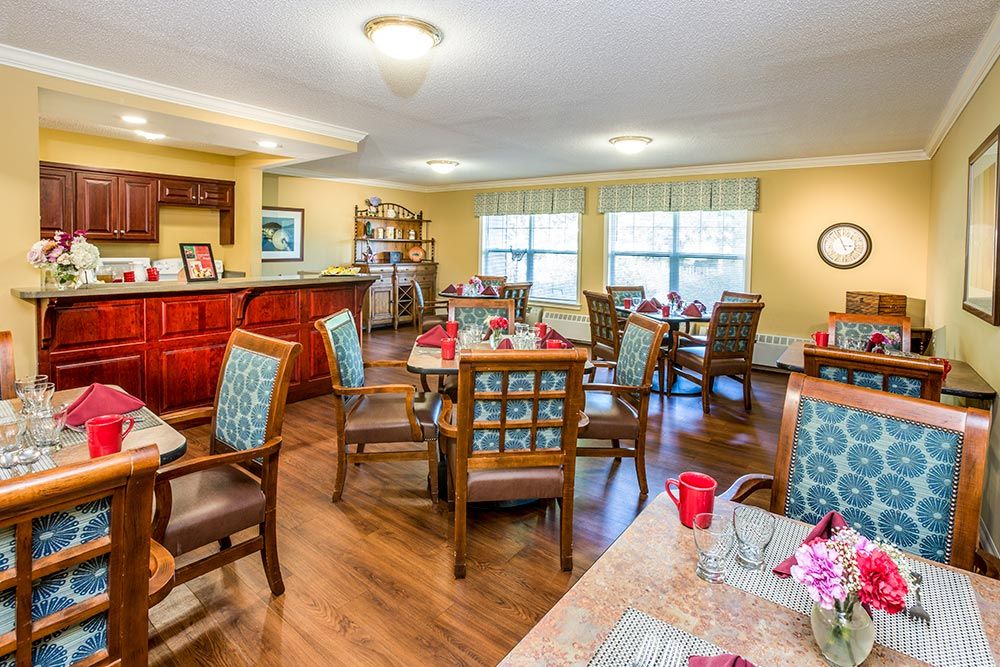
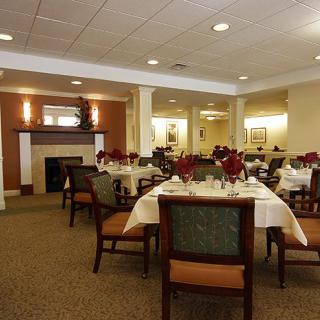
Restaurant-style dining is a highlight
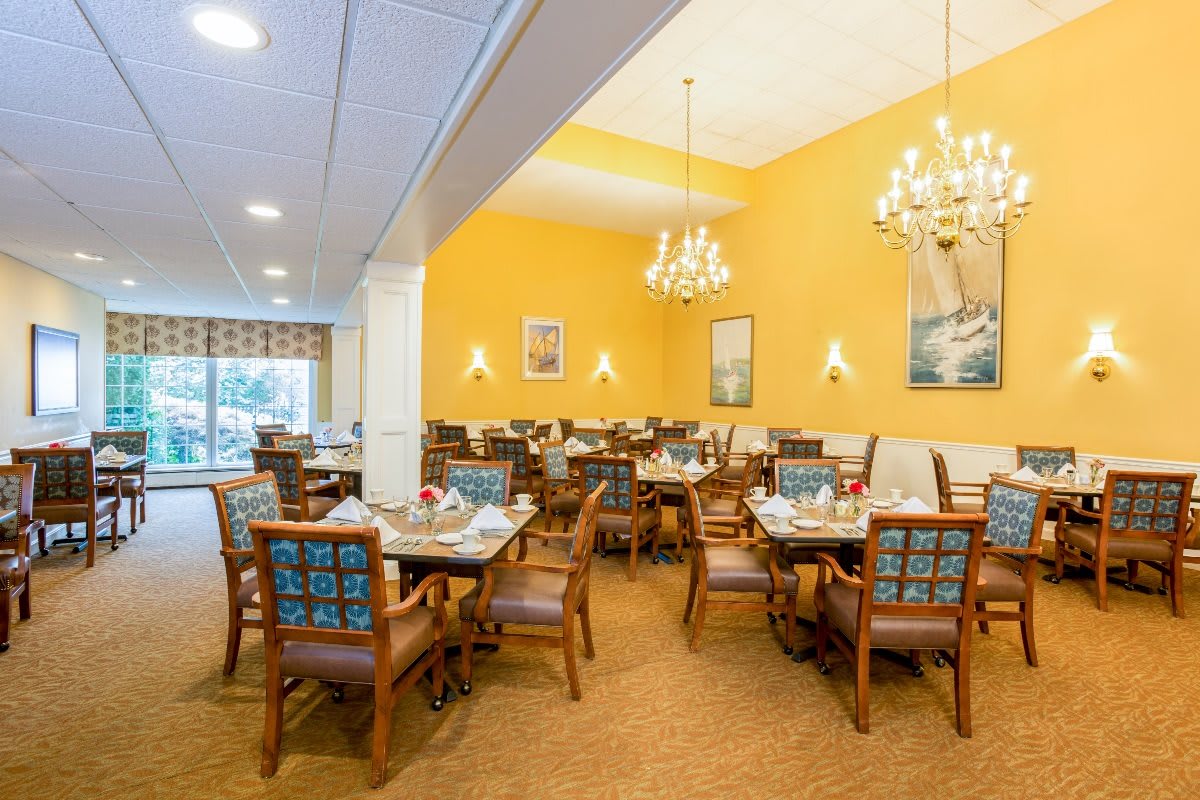
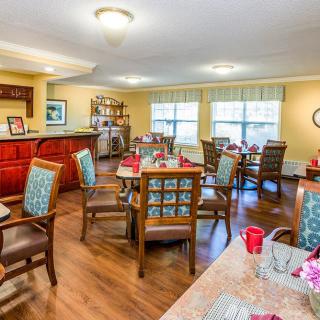
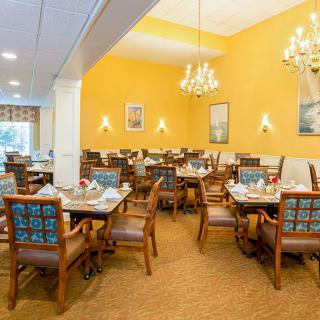
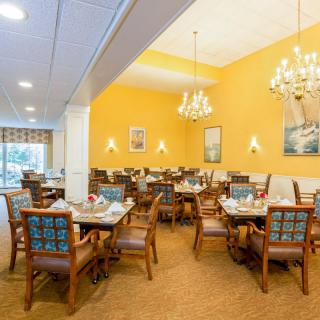
Dining stands out in reviews, and the community offers restaurant-style dining residents describe.
Food and dining show up as one of the most positive day-to-day experiences, with reviewers describing well-prepared meals and variety. Multiple families mention spending time in the dining room and enjoying the day-to-day meal service. Several reviews also note the ability to order ahead or day-of choices, which matches the broader dining approach the community provides. A few reviews still raise complaints about food quality or saltiness, but overall dining is a frequent strength.
common9 reviews mention this
Activities keep days structured
Residents and families describe plenty of activities and a steady rhythm of events.
Reviews frequently mention scheduled daily activities and group programming that helps residents stay engaged. Some reviewers describe daily activities being visible around the community, plus excursions and other resident-run or community-sponsored options. Even when one reviewer says their loved one didn’t participate, they still highlight that activities are available. A small number of more critical reviews say activities could be more engaging, but most comments treat activity programming as a core part of living here.
differentiator7 reviews mention this
Memory support with dementia care
Reviews say memory care support helps residents stay happy and supported as dementia progresses.
For families looking specifically for memory care, several reviews describe their loved one adjusting well and being happier within the memory unit. Others mention concerns about the mix of abilities in the unit, but still praise the staff who communicate and provide hands-on help. The community also offers specialized memory care programming, aligning with why many reviewers chose it for dementia support. Overall, reviews suggest memory care is a meaningful reason families feel confident here, even with some variability in how the program works for each resident.
caveat4 reviews mention this
Nursing and medication response varies
Some residents and families report problems with medication and nursing responsiveness.
A few reviews raise concerns about nursing follow-through, including medication-related issues and missed help when assistance was expected. One reviewer describes difficulty with oxygen management during the research process, and another describes a lack of timely medication or help. There are also complaints about phone response and limited presence from nursing staff at certain times. Taken together, the feedback suggests response and safety experiences can be inconsistent, so families may want to clarify how care and medication support work for their specific needs.
caveat6 reviews mention this
Cost feels high versus value
Several reviews question whether the monthly cost matches the value and support delivered.
Pricing comes up repeatedly in less favorable comments, including concerns that costs rose based on assessments and that families didn’t have much input. Some reviews describe dissatisfaction with what they expected to receive for add-on needs, while others say certain services weren’t included. Even when a reviewer finds the facility nice, they still note it may be out of their price range. In contrast, other reviews call pricing competitive, so the overall impression is mixed and depends on the level of care and services needed.
How we summarize
Counts show how many written reviews mention each theme; a review can touch several themes, and only frequently mentioned themes are displayed.
Features
Housing
22 resident community capacity
1-bedroom apartments
2-bedroom apartments
Studio apartments
Types of Care
Assisted Living
Independent Living
Memory Care
Pets
Cats allowed
Dogs allowed
Amenities
Activities off-site
Activities on-site
Air-conditioning
Bath tubs
Beautician on-site
Beauty salon
Cable or satellite TV
Cafe
Computer center
Devotional services off-site
Devotional services on-site
Dining room
Financing advice
Fitness room
Full kitchen
Fully furnished
Garden
General store
Ground floor units
Guasts at mealtime
Guest parking
Handicap accessible
Home sale assistance
Housekeeping services
Indoor common areas
Kitchenette
Laundry
Move-in coordination
Outdoor common areas
Outdoor patio
Outdoor space
Overnight guests
Party space
Private bathrooms
Private cleaning services
Resident parking
Respite or short term stays offered
Restaurant-style dining
Small library
TV room
Telephone
VA Benefits Consultation
Wellness center
Wheelchair accessible showers
Wi-Fi/high-speed internet available
Transportation
Theodore F Green State (16 miles away)
Transportation & parking
Transportation arrangement (non-medical)
Transportation to doctors appointments
Care Services
12-16 hour nursing
24-hour call system
24-hour supervision
Activities of daily living assistance
Ambulatory care
Assistance with bathing
Assistance with dressing
Assistance with transfers
Coordination with health care providers
Dementia waiver
Diabetes diet
Diabetic care
High acuity care
Hospice waiver
Incontinence care
Meal preparation and service
Medication management
Mental wellness program
Mild cognitive impairment
Physical therapy
Special dietary restrictions
Specialized memory care programming
Transportation arrangement (medical)
Transportation to doctors appointments
Dining
Anytime dining
Diabetes diet
Gluten-free
Guest meals
Low / no sodium
Low fat
Meals provided
No Sugar
Professional chef
Restaurant style dining
Room service
Special dietary restrictions
Special dining programs
Vegetarian
Activities
Activities off-site
Art classes
Arts and crafts
Book club
Catholic services
Community-sponsored activities
Cooking classes
Cooking club
Day trips and outings
Devotional activities offsite
Devotional activities on-site
Educational speakers / life long learning
Fitness programs
Games
Gardening club
Karaoke
Live musical performances
Live well programs
Other religious services
Religious services
Resident-run activities
Scheduled daily activities
Stories
Visiting chaplain or priest
Wii bowling
Wine tasting
Yoga / chair yoga
Nearby Places of Interest
This area of Middletown, Rhode Island, offers a convenient and diverse range of amenities for seniors looking to settle down. With multiple physicians, pharmacies, cafes, and restaurants all within a short distance, residents can easily access healthcare services and dining options. The presence of places of worship also provides opportunities for spiritual fulfillment. Additionally, the proximity to hospitals ensures quick access to medical care when needed. For those who enjoy outdoor activities, there are several parks nearby where one can relax and enjoy nature. Overall, this neighborhood offers a well-rounded community with easy access to essential services for senior living.
Blenheim Newport offers a competitive pricing structure compared to both Newport County and the broader state of Rhode Island. For instance, a studio apartment at Blenheim is priced at $2,700 per month, significantly lower than the county average of $5,197 and the state average of $4,015. Similarly, one-bedroom units are available for $3,450, which is again more affordable than Newport County's rate of $5,125 and Rhode Island's average of $4,796. The two-bedroom apartments at Blenheim are priced at $4,350 - still attractive when compared to Newport County's cost of $6,109 and the state's average of $5,810. Overall, Blenheim Newport presents a compelling option for those seeking quality living spaces without the steep prices typically found in the area.
Blenheim Newport offers comprehensive memory care services designed to enhance the well-being of residents with dementia or Alzheimer's disease through an array of essential features. The provision of 24-hour supervision ensures that trained staff are always available to respond to the needs and safety of residents, offering peace of mind for families. Activities of daily living assistance--including bathing, dressing, and transfers--supports residents in maintaining their dignity while receiving the help necessary for everyday tasks. Coordination with healthcare providers and medication management ensures that all medical needs are addressed timely and accurately, while incontinence care fosters a comfortable living environment. Meal preparation and service cater to dietary needs, and a mental wellness program promotes cognitive engagement. Services like mild cognitive impairment support, physical therapy, specialized memory care programming, and transportation arrangements for medical appointments further contribute by facilitating tailored interventions that encourage independence and enhance quality of life. Each feature collectively creates a nurturing atmosphere where residents can thrive despite the challenges posed by their conditions.
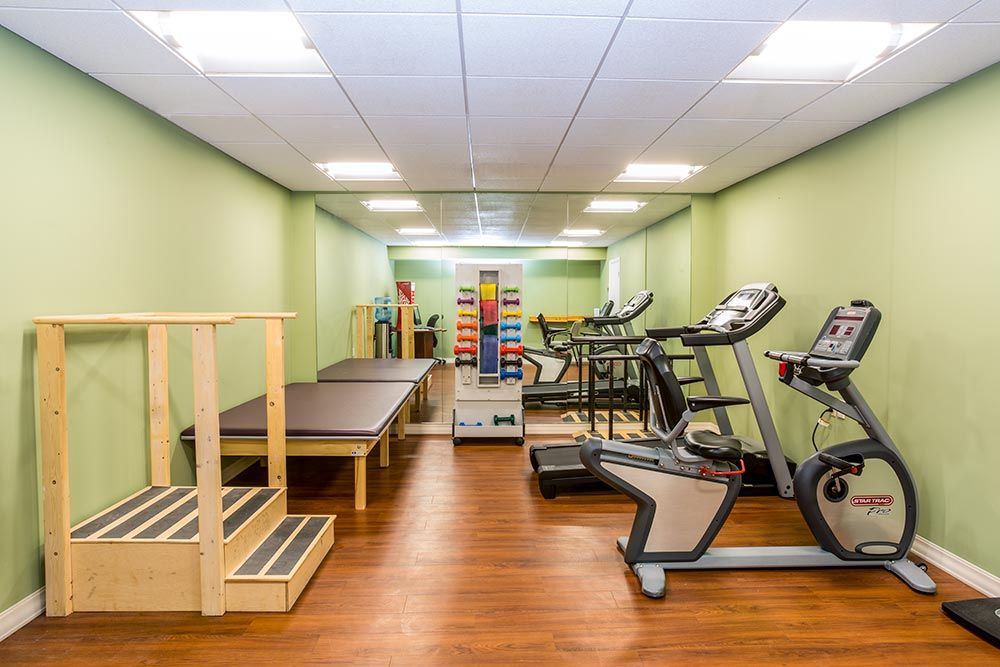
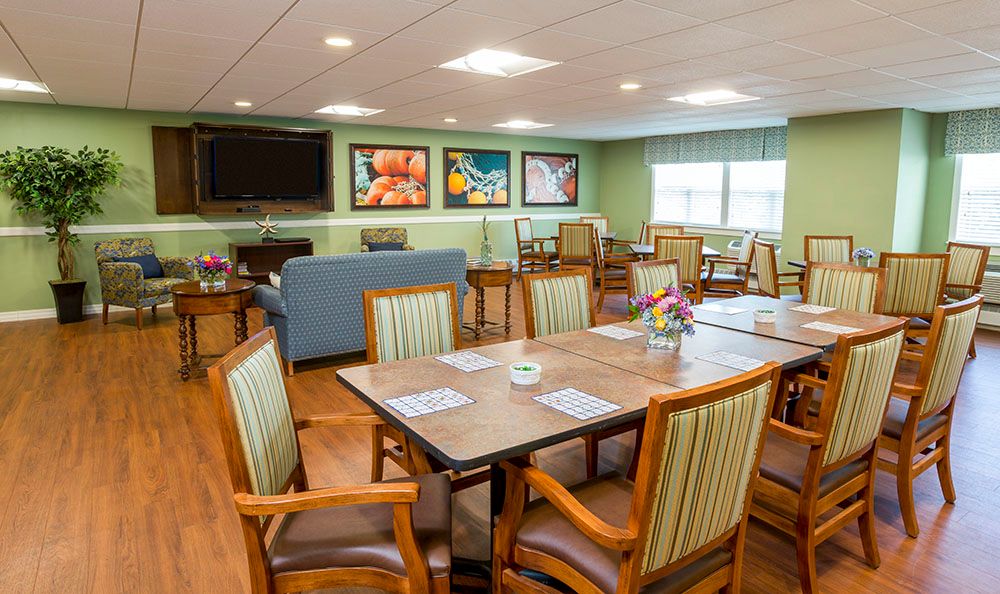
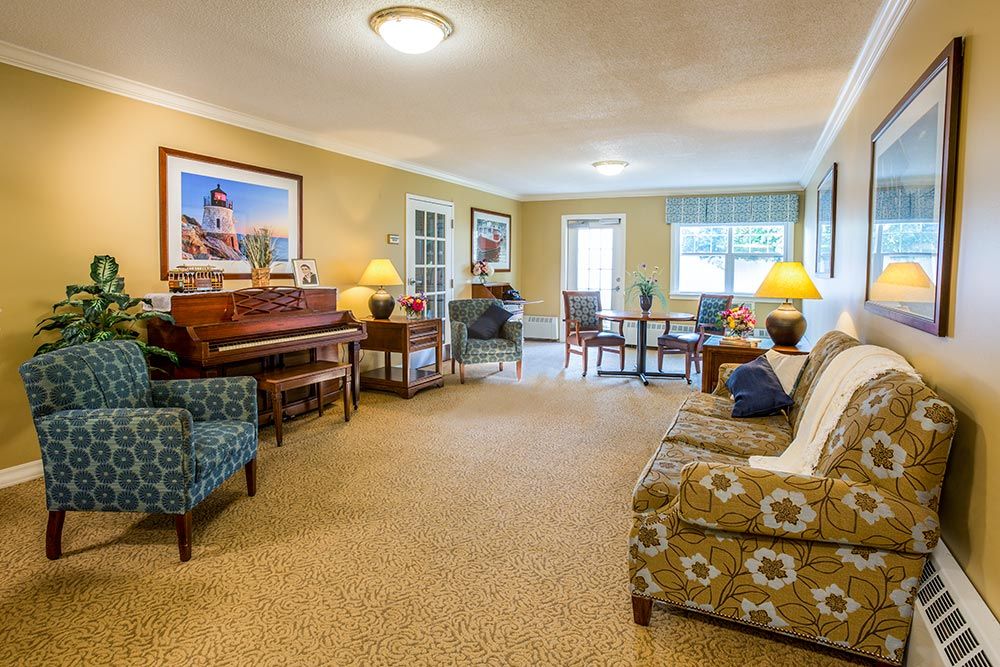
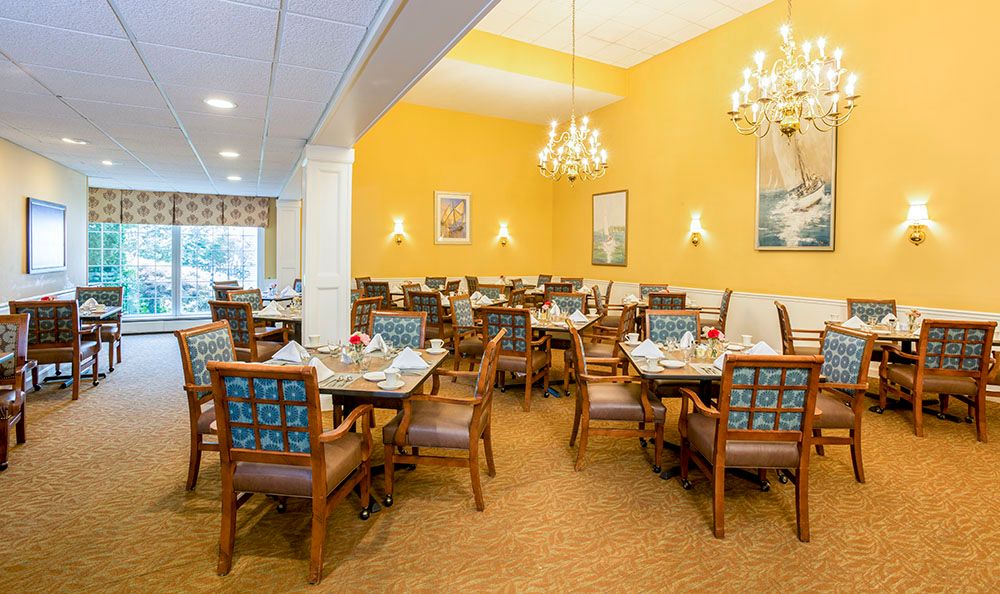
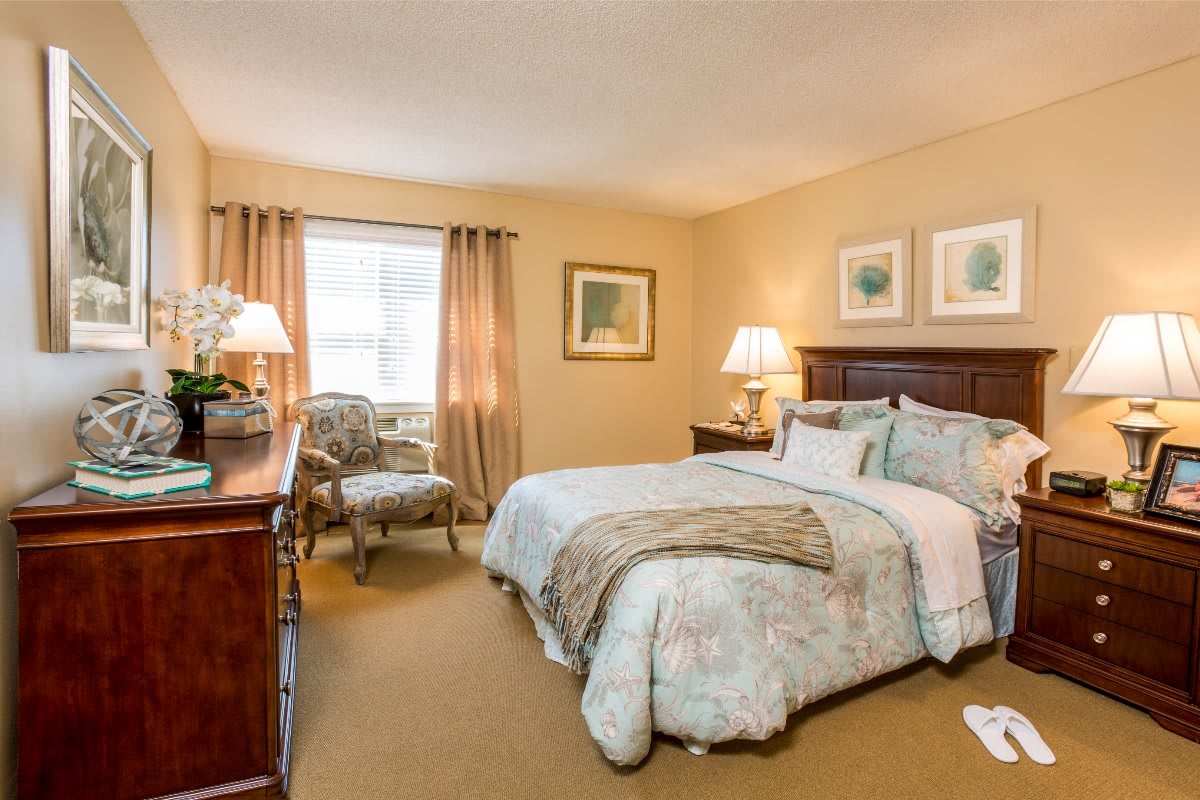
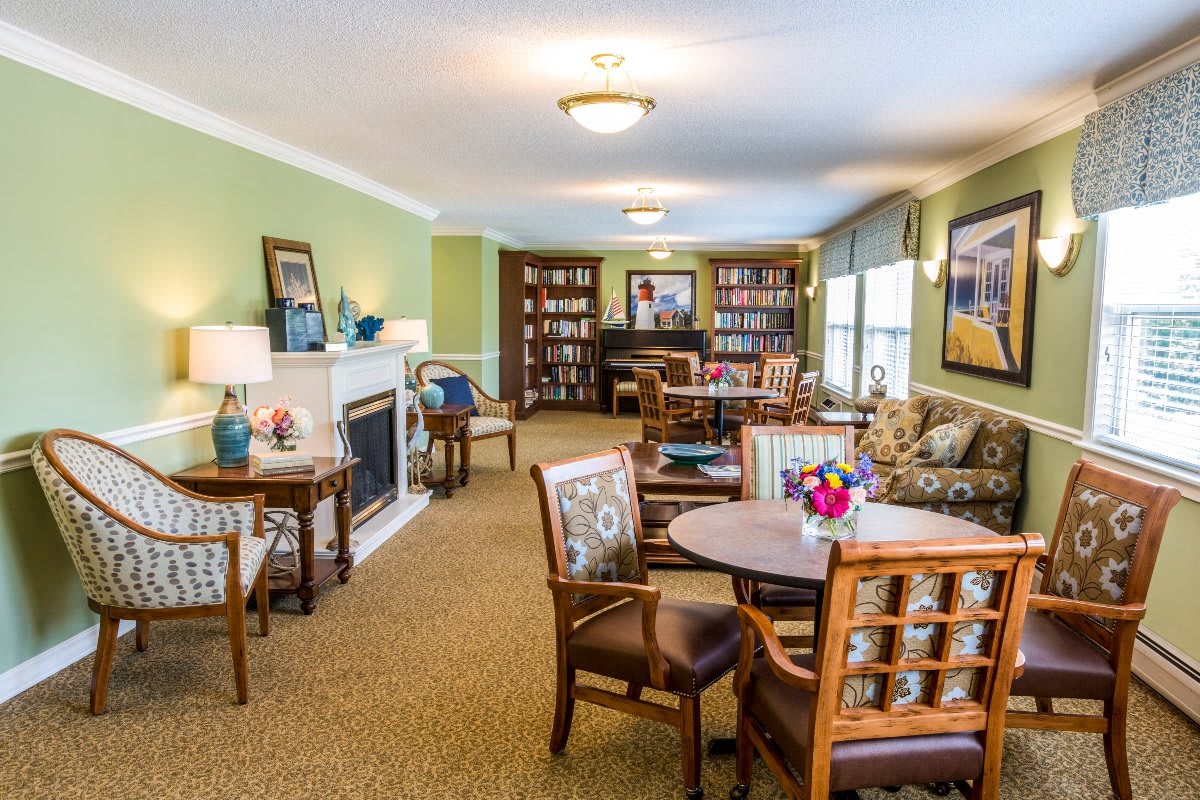
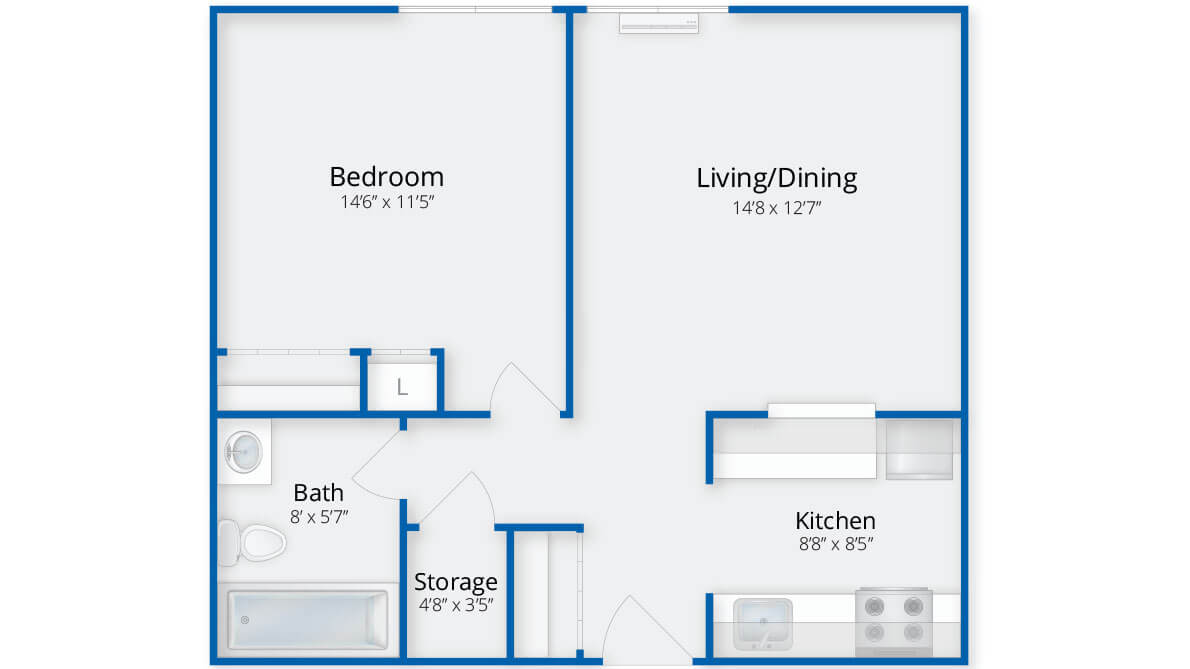
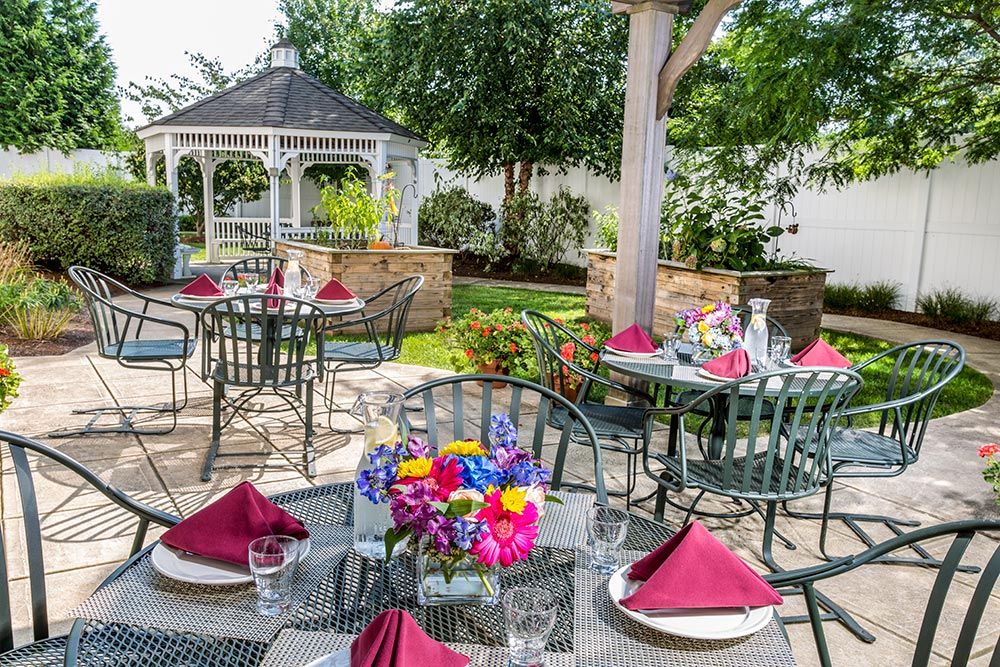
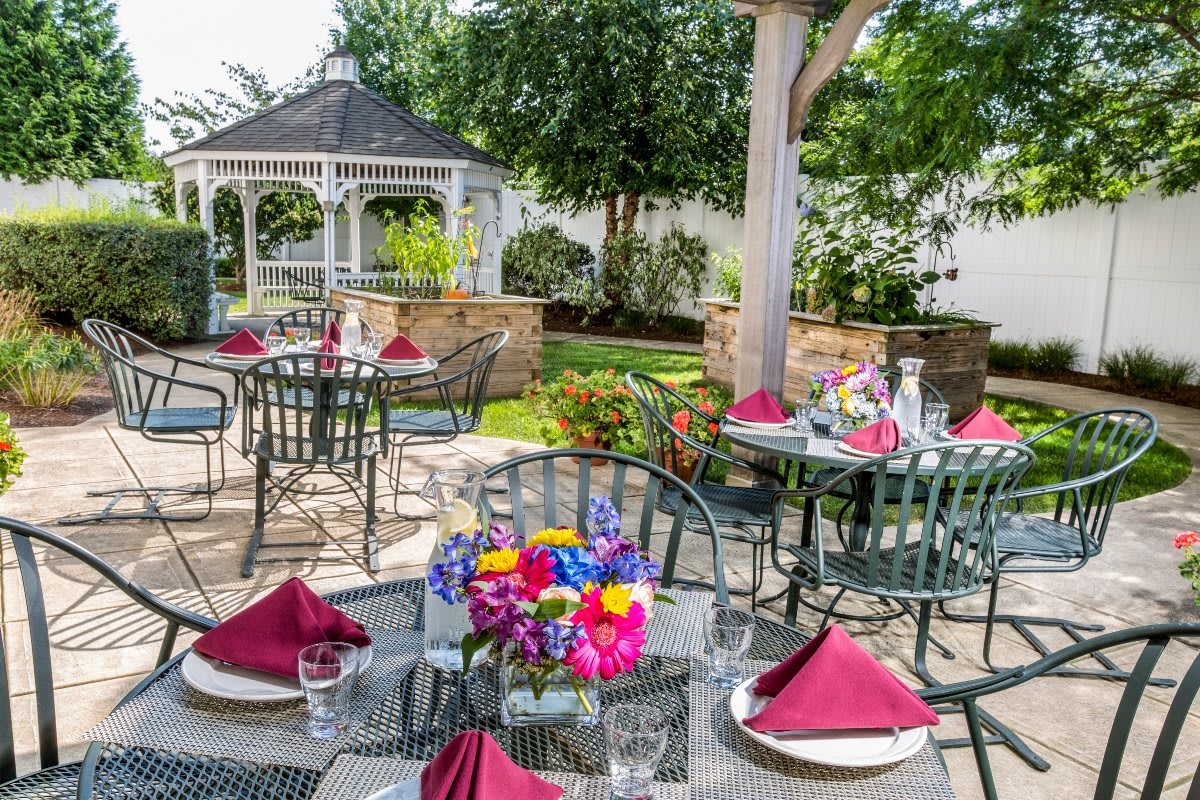
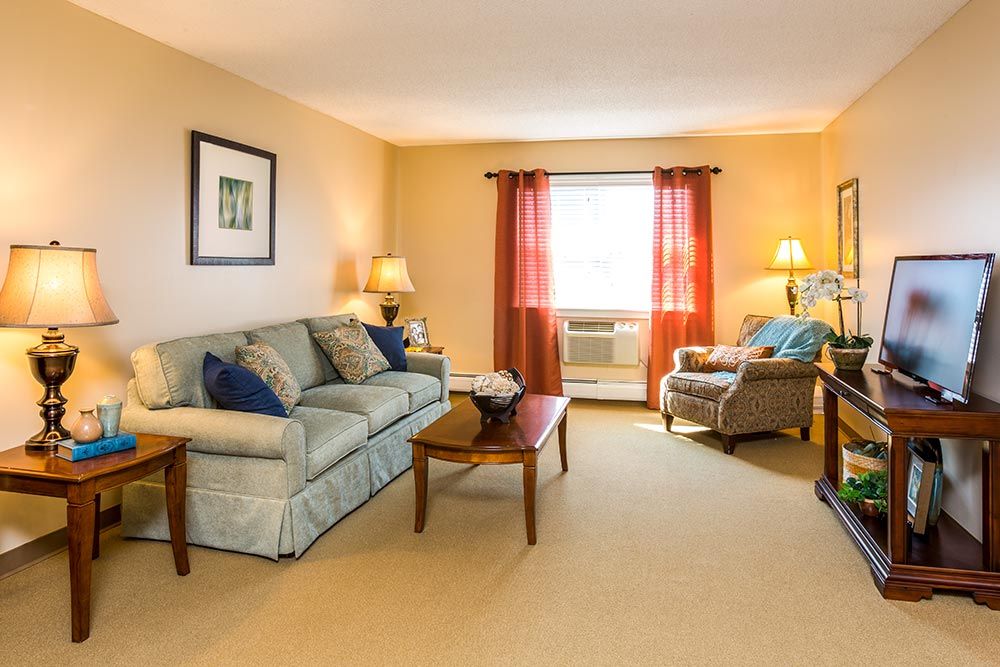
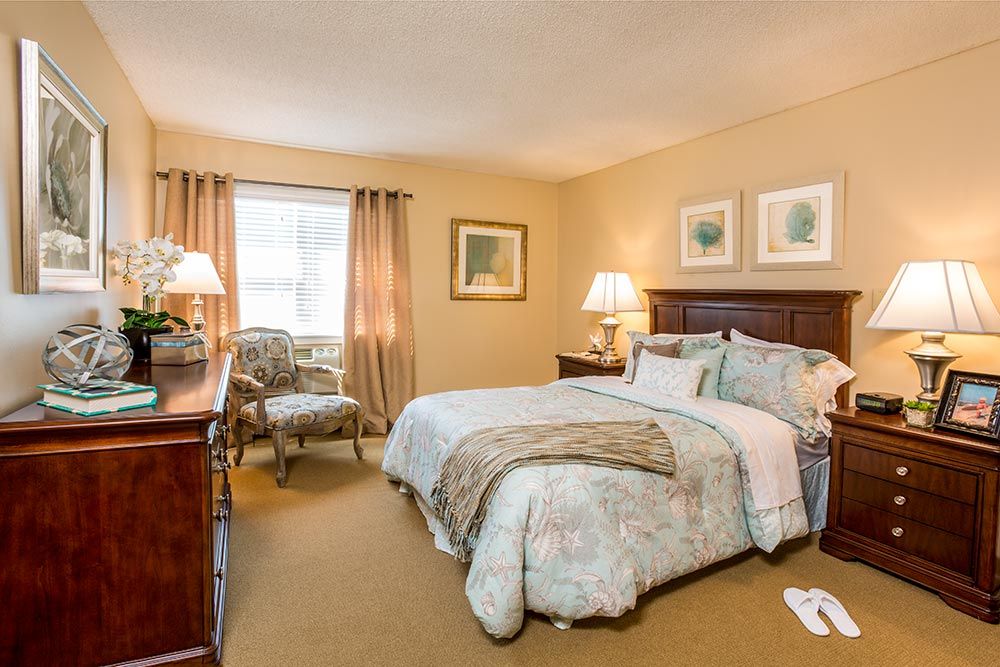
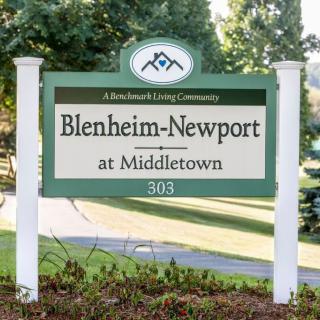
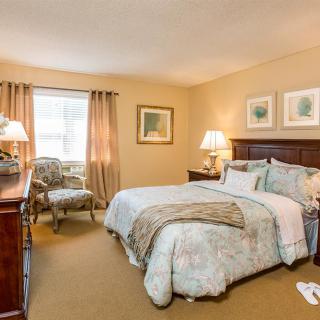
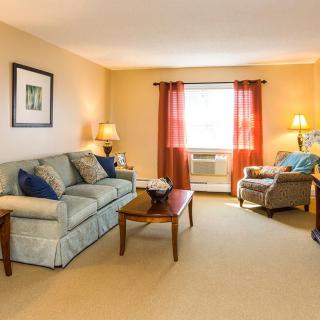
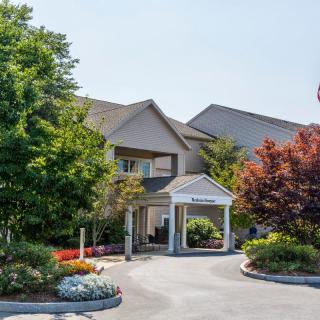
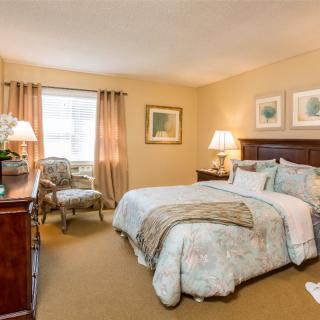
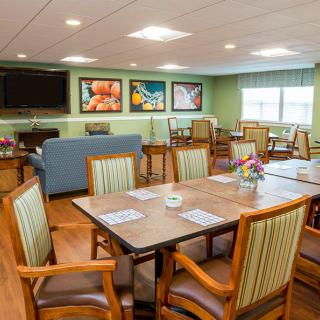
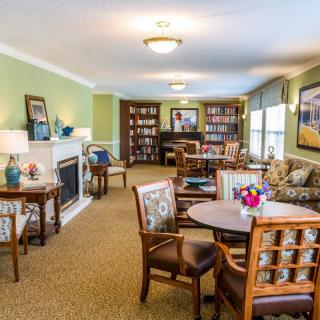
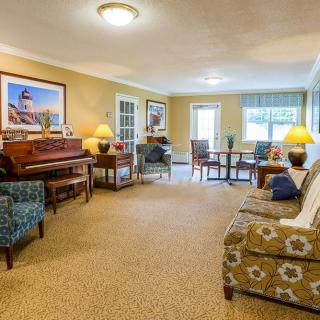
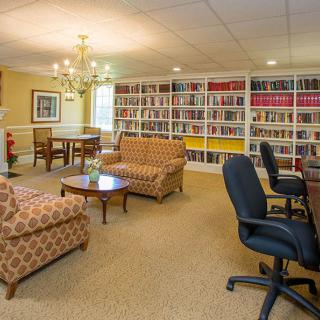
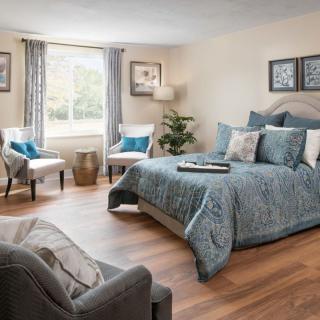
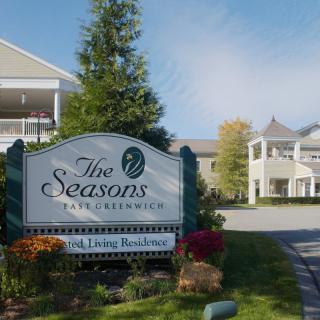
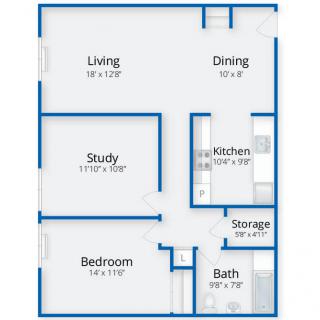
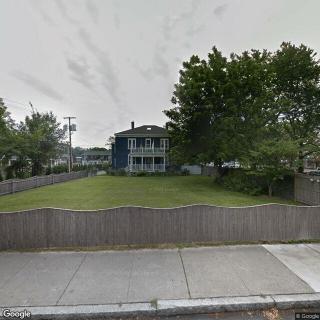
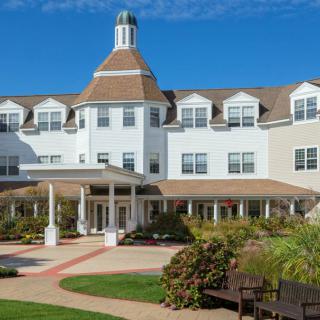
Blenheim Newport on seniors.fyi includes 21 photos including images showing interior, dining, floor plan, bedroom, decor, living room, windows, exercise equipment, and more.
Nearby Communities
Grand Islander Center
Middletown, RI
4.1 from 116 reviews
$7,950 / month
Attentive staff, clean facility, and engaging activities.
The John Clarke Retirement Center
Middletown, RI
4.4 from 73 reviews
Friendly, attentive staff in a clean, welcoming environment.
All About Home Care
Middletown, RI
3 from 4 reviews
Extensive nearby amenities and strong healthcare access.
Bay Ridge
Middletown, RI
Small, intimate setting with personalized care and dietary options plus Wi-Fi/phone access.
Forest Farm Assisted Living
Middletown, RI
4.5 from 4 reviews
$2,906 / month
Affordable pricing with extensive on-site amenities and services (transportation, dining, wellness, salon).
Royal Middletown Nursing Center
Middletown, RI
4 from 58 reviews
Caring staff, comfortable rooms, engaging activities, and affordable care.
Donovan Manor
Newport, RI
4.1 from 7 reviews
Prime Newport location with extensive nearby amenities (cafes, parks, pharmacies, hospitals, restaurants, places of worship).
Atria Aquidneck Place
Portsmouth, RI
4.7 from 107 reviews
$4,395 to $12,095 / month
Caring staff and a warm, engaging community.
Brightview Commons
Wakefield, RI
4.7 from 136 reviews
$3,640 to $5,945 / month
Caring, knowledgeable staff; well-maintained facilities with ample activities; strong safety measures and convenient location near shops and the ocean.
Sundown syndrome, or sundowning, is a phenomenon in dementia patients characterized by increased confusion and agitation during late afternoon and evening, influenced by factors like disrupted circadian rhythms and fatigue. Effective caregiver strategies include establishing routines and managing environmental light while addressing caregiver stress through support services.
Delirium is a rapidly onset, reversible cognitive disturbance often caused by acute medical issues, while dementia is a gradual and irreversible decline due to chronic neurodegenerative diseases. Accurate differentiation between the two is essential for appropriate treatment and management in older adults.
Dementia, including Alzheimer’s disease, is often mischaracterized in terms of lethality as it leads to complications that can be fatal rather than being a direct cause of death; it causes a progressive decline in cognitive and physical health, making patients vulnerable to infections and other health crises. Effective management of nutrition, hydration, and communication is crucial in patient care, with palliative care becoming vital in advanced stages to enhance comfort and quality of life while caregivers play a key role amidst the challenges posed by the disease.
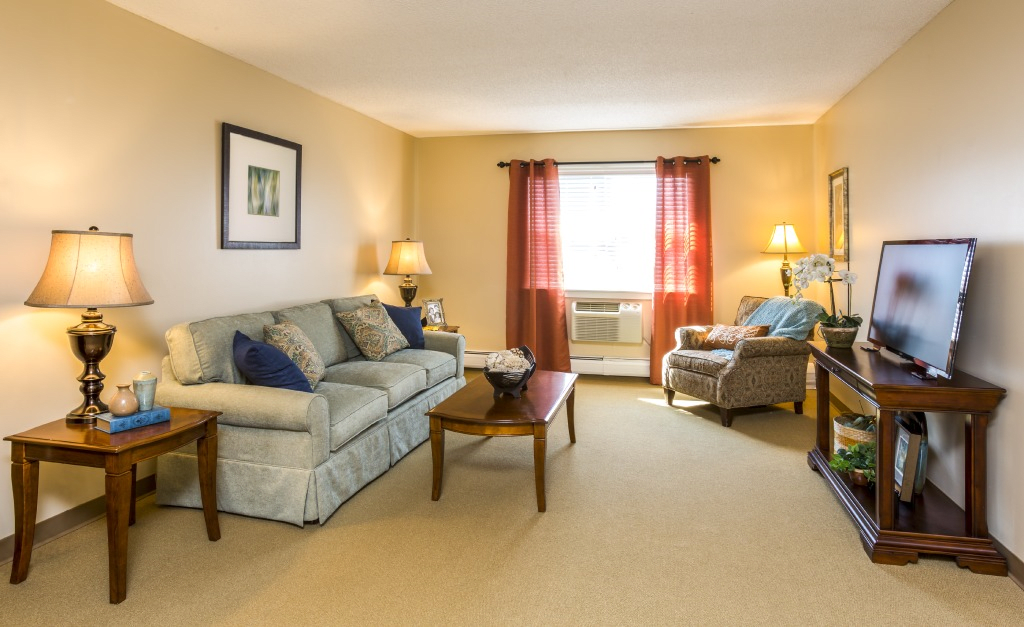
Television, Seating Area, Wall Art, and Wooden Flooring
Chandelier
Fireplace and Bookshelves
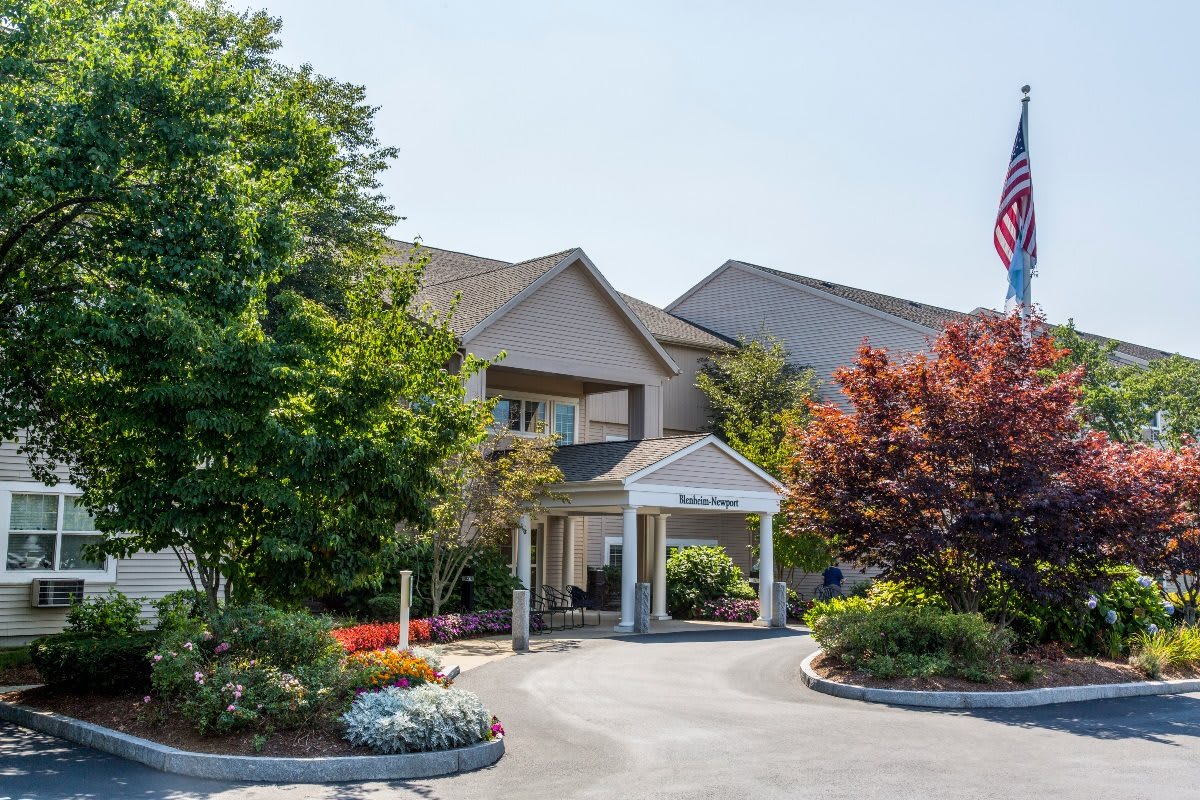
Outdoors
Exercise Equipment, Gym, Fitness, Exercise, and Treadmills
Salon
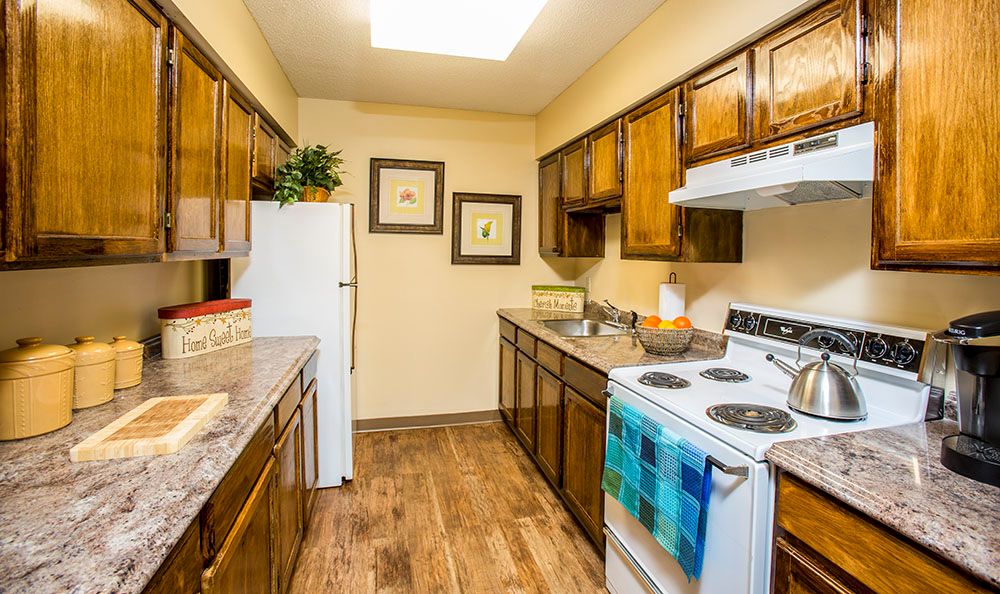
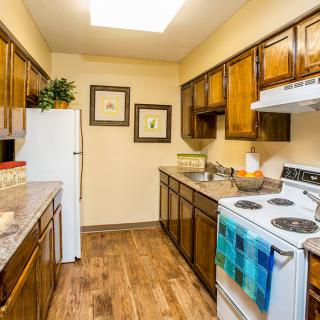
Appliances, Refrigerator, and Stove
Piano
Get PricingAsk A QuestionSchedule A TourContact Senior Advisor
By clicking submit, you agree to our Partner's Terms of Use. You
also consent to receive calls and texts, which may be autodialed, from our Partner. Your consent is not a condition to
using our Partner's service. Please visit our Partner's Privacy Policy for information about their privacy practices.






 22 resident community capacity
 1-bedroom apartments
 Assisted Living
 Independent Living
 Memory Care
 Cats allowed
 Dogs allowed
 Activities off-site
 Air-conditioning
 Bath tubs
 Beautician on-site
 Cable or satellite TV
 Cafe
Cafe Computer center
 Devotional services off-site
 Dining room
 Financing advice
 Fitness room
 Full kitchen
 Fully furnished
 Garden
 General store
 Ground floor units
 Guest parking
 Handicap accessible
 Housekeeping services
 Indoor common areas
 Laundry
 Move-in coordination
 Outdoor common areas
 Outdoor patio
 Overnight guests
 Party space
 Private bathrooms
 Respite or short term stays offered
 Restaurant-style dining
 Small library
 Telephone
 Wellness center
 Wheelchair accessible showers
 Wi-Fi/high-speed internet available
 Theodore F Green State (16 miles away)
 Transportation & parking
 12-16 hour nursing
 24-hour call system
 Ambulatory care
 Assistance with bathing
 Assistance with dressing
 Assistance with transfers
 Diabetes diet
 Diabetic care
 High acuity care
 Hospice waiver
 Incontinence care
 Medication management
 Mental wellness program
 Physical therapy
 Special dietary restrictions
 Transportation arrangement (medical)
 Art classes
 Book club
 Catholic services
 Cooking classes
 Day trips and outings
 Educational speakers / life long learning
 Games
Games Karaoke
 Live musical performances
 Wii bowling
 Wine tasting
 Attentive staff, clean facility, and engaging activities.


 Comprehending Evening Confusion in Dementia: Causes, Manifestations, and Support
 Delirium and Dementia: Unraveling the Key Differences
 Are Dementia and Alzheimer's Disease Lethal? A Comprehensive Exploration