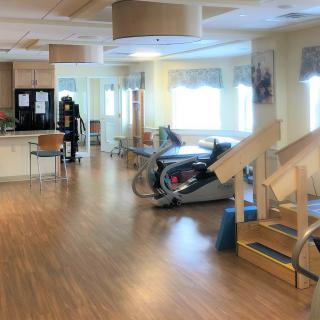
Saint Elizabeth Home East Greenwich

Save

Saint Elizabeth Home East Greenwich

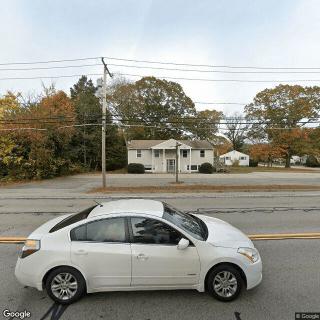
1 Saint Elizabeth Way, East Greenwich, RI 02818

For more information about senior living options: (844) 490-3973

3.6 from 35 reviews
5 stars
22
4 stars
1
3 stars
0
2 stars
1
1 stars
11

Skilled Nursing Facility

Overall Review of Saint Elizabeth Home East Greenwich

Pros

  • pro The care he received was exceptional from the nursing staff, the CNAs, and the PT/OT therapists.
  • pro The staff are very helpful and friendly.
  • pro My brother-in-law is receiving good care here in a difficult and complicated health situation.
  • pro The staff, including nurses, CNAs, therapists, and housekeeping, made it a very comfortable and relaxing stay.
  • pro The facility was very clean, and staff consistently asked if they could help with anything.
  • pro The food was delicious and was served hot and on time.
  • pro Veronica, the admissions coordinator, treated families with respect and compassion.
  • pro Liz, the nurse manager, immediately resolved concerns.
  • pro The physical therapists, especially Sandy, were very patient and attentive.
  • pro The staff appeared to enjoy working at St. Elizabeth's, and they were consistently kind and smiling.
  • pro The facility was kept fresh and clean by attentive housekeepers.
  • pro They would recommend St. Elizabeth's for rehab.
  • pro The staff introduced themselves and took time to check on residents.

Cons

  • pro The patient's room was not clean upon arrival, and family members had to provide cleaning supplies because staff did not address the issue.
  • pro Many staff members appeared to be temporary or agency workers who lacked attentiveness and consistency, causing delays or resistance to requests for help.
  • pro The Foley catheter was full at each visit and had to be emptied by family members due to staff neglect.
  • pro The nephrostomy tube required regular care and monitoring, which was neglected.
  • pro Communication at the facility was extremely poor, with the family given the runaround and limited updates.
  • pro The patient was transported offsite without authorization or prior notification to the Power of Attorney.
  • pro Joyce, the social worker director, allegedly arranged the transport without approval, leading to billing and consent issues.
  • pro The environment was described as unclean, disorganized, and unsafe, with insufficient staff communication.

Review

A review of the accounts about St. Elizabeth Rehabilitation Facility reveals a wide spectrum of experiences, ranging from deeply troubling allegations of neglect and disorganization to occasional praise for individual staff members and certain units. Taken together, the comments paint a picture of a facility that elicits strong reactions, with concerns about cleanliness, safety, and accountability layered alongside anecdotes of compassionate care and effective therapy. The common thread through the negative accounts is a sense of disarray and inconsistent care that left families anxious about their loved ones' well-being.

Several reviewers recount unclean or poorly maintained rooms at intake, describing environments that felt unsafe or uncomfortable from the start. One family member recounts arriving to find the patient's room dirty, to the point that they felt obligated to purchase cleaning supplies and cleanse the space themselves. That same tone of neglect recurs in later notes about routine care: repeatedly, reviewers say that essential tasks - such as managing a Foley catheter and a nephrostomy tube - were left to family members rather than staff, with catheter outputs allegedly reaching full levels during visits and needing manual attention rather than timely nursing intervention. These anecdotes contribute to a perception that basic cleanliness and essential medical maintenance were not consistently prioritised.

A recurring theme across many testimonials is staffing instability and a lack of continuity. Several reviewers describe high use of temporary or agency workers, which they say translated into inattentiveness and inconsistency in care. Requests for assistance were described as frequently delayed or met with resistance, fueling a sense that the patient's daily needs were not reliably met. Although there are instances in which staff members and departments were praised, the broader impression from multiple reviewers is that staffing volatility undermined consistent, reliable care, making it difficult for families to trust that their loved ones were being monitored and cared for appropriately.

Communication problems emerge as another central concern, particularly regarding transfers and discharges. In at least one disturbing account, a transfer was approved after hours and executed without the Power of Attorney being contacted or the family being notified, and the receiving facility later confirmed they had not been informed of the patient's arrival. The transportation arrangements apparently proceeded with payment demands and conflicting statements from staff, including a social worker director who allegedly misrepresented her involvement. The overall takeaway is that critical information about a patient's status and whereabouts was not conveyed in a timely or transparent manner, eroding confidence in the facility's ability to coordinate safe, consent-based transitions of care.

The social work and interdepartmental coordination narratives are mixed. Some reviewers point to gaps in information flow after care planning meetings, noting that updates were not communicated to the family or to the patient's primary physician, which in turn delayed treatment or appropriate referrals. Conversely, other comments acknowledge positive experiences with particular staff members who were described as compassionate, kind, and responsive. This dichotomy underscores that experiences may vary widely by department or individual, with some teams providing robust support while others fall short of expectations.

Amid the negative experiences, there are also clearly positive testimonials highlighting moments of exceptionally good care. Several reviewers speak highly of the care received during stays at specific units or locations, with nurses, CNAs, therapists, and housekeeping staff described as friendly, attentive, and dedicated. In these accounts, patients felt well-cared-for, with staff who introduced themselves, answered calls promptly, and treated patients with dignity. Food quality, humor, and a home-like atmosphere are cited positively by some, and therapies (PT/OT) receive praise for patience and attentiveness. Such experiences suggest that when staff engagement is strong and organizational processes are smooth, the facility can deliver the kind of attentive, respectful care that families value.

Within the body of reviews there are stark contrasts, including some particularly harsh condemnations. One reviewer labeled the facility an "abomination," recounting neglect and alleged mismanagement that included a lack of assistance for an elderly mother and an assertion that a dementia diagnosis was improperly used to justify removal. Another writer described the facility as unclean, unsafe, and staffed by rude or indifferent personnel who failed to respect patient dignity. These extreme accounts emphasize potential dangers of neglect and misalignment between policy and practice, and they underscore why some families feel compelled to warn others away from the facility.

Across the spectrum, opinions about specific programs vary as well. There is praise for some CNA programs and staff in certain contexts, while another account criticizes the same program as unprofessional and discriminatory. The diversity of experiences - ranging from highly positive to severely negative - highlights that the quality of care may depend heavily on the unit, the shift, the staffing mix, and the individual caregivers involved at any given time. It also suggests that families may have to be especially vigilant, proactive, and persistent in advocating for their loved ones.

In summary, the collected reviews present a facility that is capable of delivering compassionate care and positive experiences in some contexts, but is frequently criticized for cleanliness shortcomings, inconsistent staffing, communication failures, and problematic discharge practices. The reports converge on a concern that organizational gaps - especially around accountability, timely response to needs, and consent-based transfers - pose real risks to patient safety. While some patients and families recount excellent interactions with particular nurses, therapists, and support staff, the overall impression is that significant improvements are needed to ensure reliable quality of care, transparent communication, and a consistently safe, respectful environment for all residents.

Features

Housing

  • 168 resident community capacity 168 resident community capacity

Types of Care

  • Skilled Nursing Facility Skilled Nursing FacilitySkilled Nursing Facilities are crucial for seniors as they provide round-the-clock medical care, rehabilitation services, and assistance with daily activities. These facilities ensure that seniors receive the specialized care they need to maintain their health and well-being as they age.

Amenities

  • Air-conditioning Air-conditioningAir conditioning is important for seniors as they are more vulnerable to heat-related illnesses and may have underlying health conditions that make it difficult for them to regulate their body temperature. It helps to keep them comfortable, safe, and healthy in hot weather.
  • Beauty salon Beauty salonBeauty salons are important for seniors because they provide a space for them to feel pampered, socialize, and maintain their personal grooming and hygiene. Regular visits to a beauty salon can help boost seniors' self-esteem and overall well-being.
  • Cable or satellite TV Cable or satellite TVCable or satellite TV is important for seniors because it provides entertainment, news, and companionship, helping to combat loneliness and boredom. It also offers a wide range of programming options tailored to different interests and preferences.
  • Computer center Computer centerA computer center is essential for seniors as it provides access to technology, communication tools, and resources that can enhance their daily lives. It allows them to stay connected with loved ones, engage in online activities, and learn new skills, ultimately promoting socialization and mental stimulation.
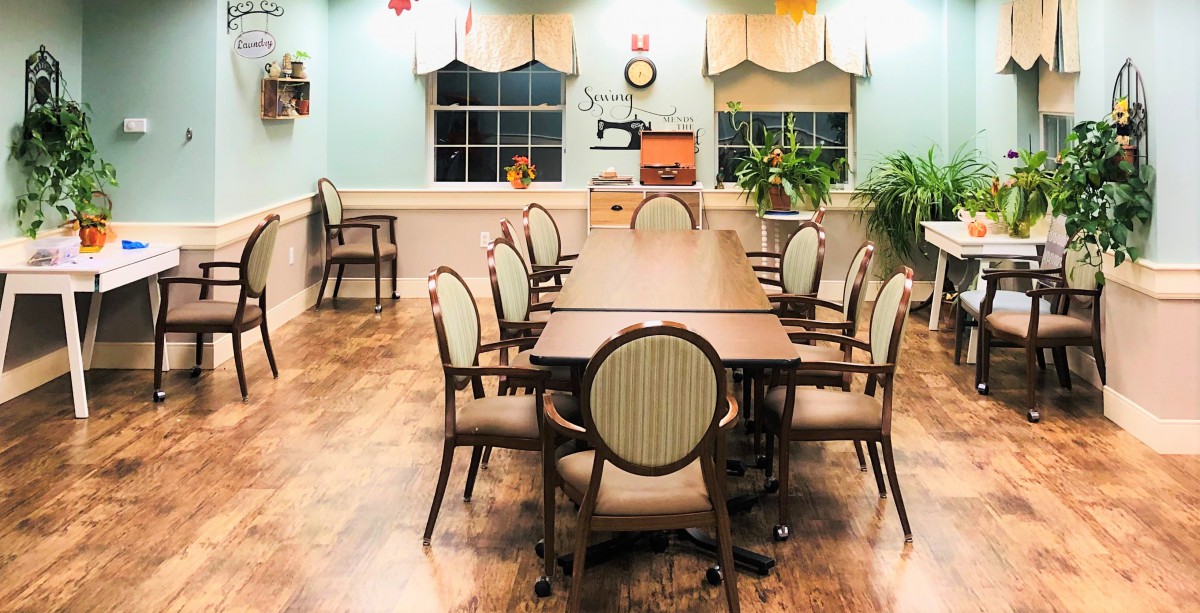
  • Dining room Dining roomDining rooms are important for seniors as they provide a space for socialization, connection, and nutritious meals. They offer opportunities for residents to bond over shared meals, foster a sense of community, and promote healthy eating habits. Dining rooms also ensure that seniors have access to well-balanced meals tailored to their dietary needs and preferences.
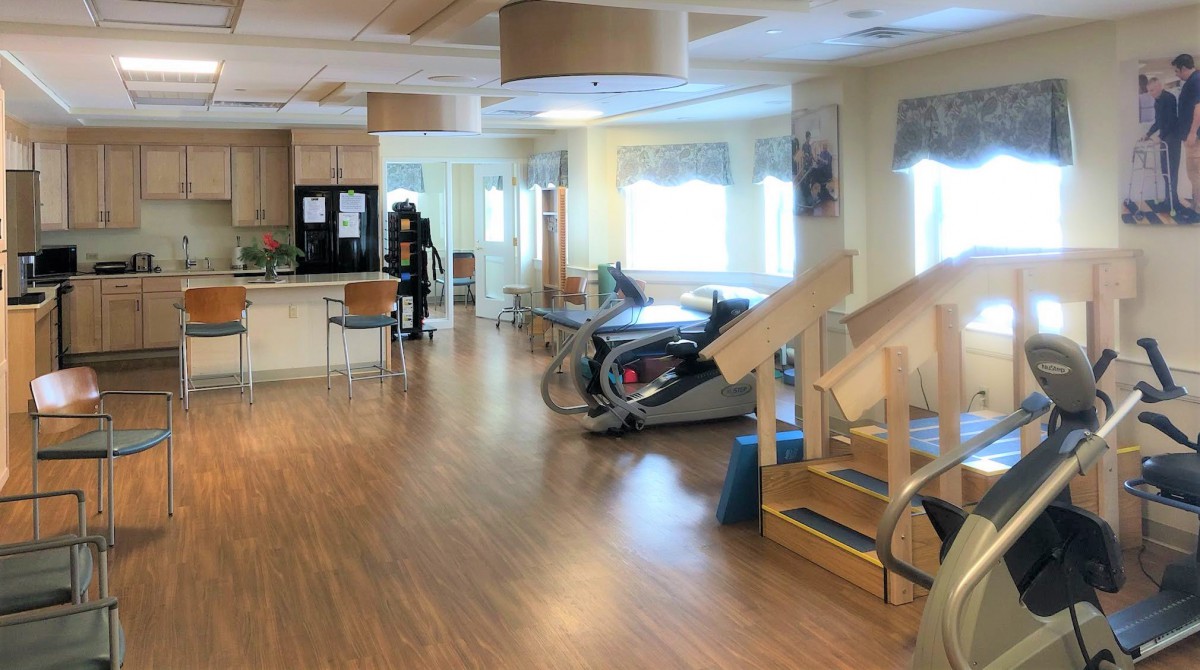
  • Fitness room Fitness roomHaving a fitness room in a senior living community is essential for seniors to stay active, maintain their physical health, and improve their overall well-being. Regular exercise can help prevent falls, reduce the risk of chronic diseases, and promote mental sharpness. It also provides social opportunities for residents to connect with others and enjoy a sense of community.
  • Fully furnished Fully furnishedFully furnished senior living communities are important for seniors because they provide convenience, comfort, and a hassle-free moving experience. Seniors can easily settle into their new living space without the stress of having to buy and move furniture. This allows them to focus on enjoying their new home and community.
  • Gaming room Gaming roomGaming rooms are important for seniors as they provide a fun and engaging environment for socializing, cognitive stimulation, and physical activity. Games can improve memory, problem-solving skills, and overall mental well-being while fostering friendships and reducing feelings of isolation.
  • Garden GardenGardens are important for seniors as they provide a peaceful and therapeutic environment for relaxation, physical activity, and socialization. Being in nature has been shown to reduce stress, improve mood, and promote overall well-being. Gardens also offer opportunities for seniors to engage in gardening activities, which can improve mobility, flexibility, and cognitive function. Additionally, gardens create a sense of community and connection with others who share a passion for plants and outdoor spaces.
  • Housekeeping services Housekeeping servicesHousekeeping services are important for seniors because they help maintain a clean and safe living environment, promote independence, and reduce the risk of accidents or illnesses. Additionally, having assistance with household chores can alleviate physical strain and allow seniors to focus on other aspects of their well-being.
  • Kitchenette KitchenetteKitchenettes are important for seniors living in senior living communities because they provide the convenience and independence of being able to prepare simple meals and snacks in the comfort of their own living space. This can help promote a sense of autonomy and well-being for seniors, allowing them to maintain some level of control over their dietary choices and daily routines.
  • Move-in coordination Move-in coordinationMove-in coordination is important for seniors because it helps ease the transition into their new living environment. It ensures that all logistics, such as packing, organizing movers, and setting up utilities are taken care of, allowing seniors to focus on settling in and adjusting to their new home. Having a smooth move-in process can alleviate stress and anxiety, making the transition smoother and more enjoyable for seniors.
  • Outdoor space Outdoor spaceOutdoor spaces are important for seniors as they provide opportunities for physical activity, social interaction, exposure to natural light and fresh air, and a sense of connection to nature. Having access to outdoor spaces can improve overall well-being and quality of life for older adults living in senior communities.
  • Private bathrooms Private bathroomsPrivate bathrooms are important for seniors in senior living communities because they provide independence, dignity, and comfort. Having a private bathroom allows seniors to maintain their personal hygiene routines without the need for assistance, promoting a sense of autonomy and privacy. Additionally, private bathrooms help prevent the spread of infections and provide a safe and clean environment for seniors to navigate safely.
  • Restaurant-style dining Restaurant-style diningRestaurant-style dining is important for seniors because it allows them to enjoy delicious, nutritious meals in a social and upscale setting. This enhances their dining experience, promotes healthy eating habits, and fosters socialization with fellow residents, ultimately contributing to their overall well-being and quality of life.
  • Small library Small librarySmall libraries are important for seniors as they provide access to a variety of reading materials, including books, newspapers, and magazines. This can help stimulate their minds, keep them engaged, and provide a sense of community through book clubs and other social activities. Additionally, reading has been shown to improve cognitive function and overall mental well-being in older adults.
  • Telephone TelephoneTelephones are important for seniors as they provide a lifeline for communication with loved ones, emergency services, and healthcare providers. They offer a sense of security and independence, enabling seniors to stay connected and access assistance when needed.
  • Wellness center Wellness centerWellness centers are important for seniors because they offer a variety of programs and services that promote physical, mental, and emotional well-being. These centers provide opportunities for exercise, socialization, education, and relaxation, helping seniors maintain their overall health and quality of life.
  • Wi-Fi/high-speed internet available Wi-Fi/high-speed internet availableWi-Fi/high-speed internet is important for seniors to stay connected with loved ones, access online resources, and participate in virtual activities to combat feelings of loneliness and isolation. It also allows them to easily manage healthcare needs, access entertainment, and engage in lifelong learning opportunities.

Transportation

  • Theodore F Green State (6 miles away) Theodore F Green State (6 miles away)
  • Community operated transportation Community operated transportationCommunity operated transportation is crucial for seniors as it provides them with the means to access essential services, social activities, and medical appointments. It allows seniors to maintain their independence and quality of life by ensuring they can participate in activities outside of their homes. Additionally, community-operated transportation services offer a safe and reliable way for seniors to travel without having to rely on family or friends for assistance.
  • Transportation arrangement Transportation arrangementTransportation arrangements are crucial for seniors as they may face challenges with driving, mobility, or access to public transportation. Having reliable transportation services ensures that seniors can easily attend appointments, social activities, and maintain their independence and quality of life.
  • Transportation arrangement (non-medical) Transportation arrangement (non-medical)Transportation arrangements are essential for seniors as they provide access to essential services, activities, and social interactions outside the home. This service helps maintain independence, mobility, and overall well-being for seniors who may have limited transportation options.
  • Transportation to doctors appointments Transportation to doctors appointmentsTransportation to doctors appointments is crucial for seniors as it ensures they have access to necessary medical care and support, promoting their health and well-being. It allows them to receive timely treatment, monitor existing conditions, and address any new health concerns efficiently. Additionally, transportation services can help seniors maintain their independence and quality of life by enabling them to stay connected with their healthcare providers.

Care Services

  • 12-16 hour nursing 12-16 hour nursing12-16 hour nursing care is crucial for seniors in order to ensure around-the-clock monitoring, timely medication administration, and prompt response to any health concerns or emergencies. This level of care helps to promote the overall well-being and safety of seniors living in senior living communities.
  • 24-hour call system 24-hour call system24-hour call systems are important for seniors because they provide peace of mind and immediate assistance in case of emergencies. This technology ensures that help is always available, promoting safety and security for elderly individuals living alone or in assisted living facilities.
  • 24-hour supervision 24-hour supervision24-hour supervision is important for seniors to ensure their safety, well-being, and access to immediate assistance in case of emergencies or health issues. This constant support provides peace of mind for both seniors and their loved ones, allowing them to age in place with dignity and security.
  • Activities of daily living assistance Activities of daily living assistanceActivities of daily living assistance are important for seniors because they provide essential support with tasks such as eating, bathing, dressing, and mobility. This assistance helps seniors maintain their independence, dignity, and overall quality of life as they age.
  • Assistance with bathing Assistance with bathingAssistance with bathing is crucial for seniors as it helps maintain personal hygiene, prevents infections, and ensures their overall well-being and comfort. It also provides a sense of dignity and independence for seniors who may struggle with this task on their own.
  • Assistance with dressing Assistance with dressingAssistance with dressing is important for seniors because it helps maintain their independence, promotes personal hygiene, prevents accidents and injuries, and improves overall quality of life. This service ensures that seniors can continue to dress comfortably and confidently, despite any physical limitations they may have.
  • Assistance with transfers Assistance with transfersAssistance with transfers is crucial for seniors as it helps prevent falls and injuries, maintains their independence, and ensures they can safely navigate their living environment. It also provides peace of mind for both seniors and their loved ones.
  • Diabetes diet Diabetes dietA diabetes diet is crucial for seniors as it helps manage blood sugar levels, reduce risks of complications, and improve overall health and well-being. By following a balanced and nutritious diet tailored to their specific needs, seniors can better control their diabetes and enhance their quality of life.
  • Meal preparation and service Meal preparation and serviceMeal preparation and service are crucial for seniors as they may have limited mobility or energy to cook nutritious meals. Having access to healthy and convenient food options can ensure they are getting the proper nutrition needed to maintain their overall health and well-being.
  • Medication management Medication managementMedication management is crucial for seniors to ensure they are taking the right medications at the correct dosages and times. This helps prevent adverse drug interactions, reduces the risk of medication errors, and promotes overall health and well-being. Proactive management also allows for adjustments as needed based on changing health conditions or new prescriptions.
  • Mental wellness program Mental wellness programMental wellness programs are essential for seniors as they promote cognitive stimulation, emotional support, and social engagement. These programs help prevent isolation, depression, and cognitive decline, ultimately enhancing the overall quality of life for older adults.
  • Special dietary restrictions Special dietary restrictionsSpecial dietary restrictions are important for seniors because age-related changes in metabolism and health conditions can make it difficult for their bodies to process certain foods. By following a diet tailored to their specific needs, seniors can maintain their overall health and well-being, manage chronic conditions, and reduce the risk of complications such as malnutrition or food interactions with medications.

Dining

  • Diabetes diet Diabetes dietA diabetes diet is crucial for seniors as it helps manage blood sugar levels, reduce risks of complications, and improve overall health and well-being. By following a balanced and nutritious diet tailored to their specific needs, seniors can better control their diabetes and enhance their quality of life.
  • Special dietary restrictions Special dietary restrictionsSpecial dietary restrictions are important for seniors because age-related changes in metabolism and health conditions can make it difficult for their bodies to process certain foods. By following a diet tailored to their specific needs, seniors can maintain their overall health and well-being, manage chronic conditions, and reduce the risk of complications such as malnutrition or food interactions with medications.

Activities

  • Community-sponsored activities Community-sponsored activitiesCommunity-sponsored activities are important for seniors as they provide opportunities for social interaction, mental stimulation, and physical activity. These activities can help improve overall well-being, combat loneliness and isolation, and promote a sense of belonging and purpose among older adults.
  • Concierge services Concierge servicesConcierge services are essential for seniors as they provide assistance with daily tasks and errands, enhance their quality of life by offering convenience and personalized care, and promote a sense of safety and security.
  • Fitness programs Fitness programsFitness programs are crucial for seniors as they help improve strength, flexibility, balance, and overall well-being. Staying active can reduce the risk of chronic diseases, improve mental health, and enhance quality of life in older adults.
  • Planned day trips Planned day tripsPlanned day trips are important for seniors because they offer opportunities for socialization, mental stimulation, and physical activity. They provide a change of scenery and help seniors stay engaged and connected to their community, promoting overall well-being and quality of life.
  • Resident-run activities Resident-run activitiesResident-run activities are important for seniors as they encourage social interaction, creativity, and a sense of autonomy. These activities empower seniors to stay engaged and active in their community while fostering meaningful connections with their peers.
  • Scheduled daily activities Scheduled daily activitiesScheduled daily activities are important for seniors because they provide structure, socialization, mental stimulation, and physical activity. Engaging in regular activities can improve overall well-being and quality of life for seniors living in a community setting.

Description

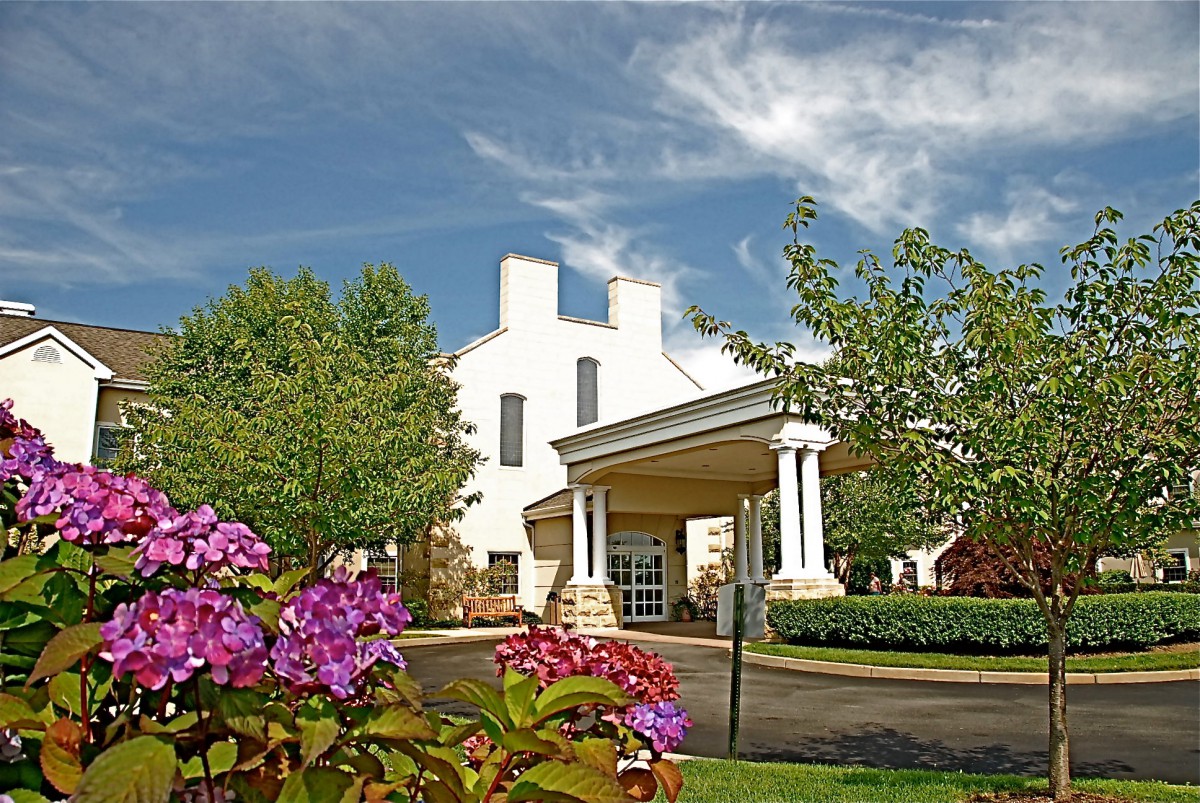
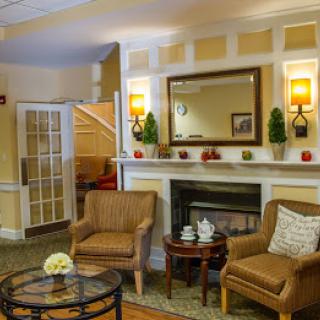
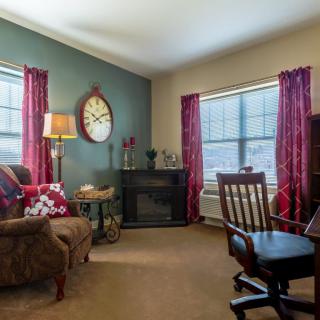
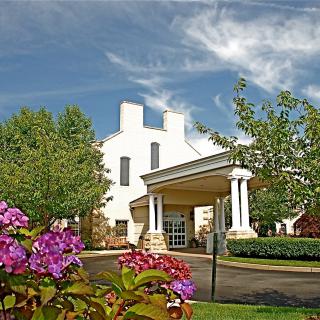
Saint Elizabeth Home East Greenwich is an assisted living community located in East Greenwich, RI. Our community offers a wide range of amenities to ensure that our residents have all the comforts and conveniences they need.

For those looking to stay beautiful and well-groomed, we have a beauty salon available on-site. Residents can also enjoy their favorite TV shows and movies with our cable or satellite TV service. We provide community-operated transportation for errands and social outings, as well as a computer center for staying connected with loved ones.

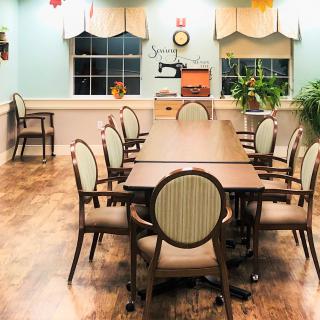
Meals are served in our dining room with restaurant-style dining, where residents can enjoy delicious and nutritious meals prepared by our talented chefs. For those who prefer smaller meals or snacks, we also offer kitchenettes. Housekeeping services ensure that residents' living spaces are kept clean and tidy.

Our community offers various spaces for relaxation and leisure activities. Residents can enjoy outdoor space for fresh air and gardening. The fitness room is perfect for staying active and maintaining physical health. For entertainment, we have gaming rooms and a small library filled with books to suit every interest.

We understand the importance of staying connected with medical professionals, which is why we offer transportation arrangements for non-medical appointments as well as doctor's appointments. Our wellness center provides 24-hour supervision and assistance with activities of daily living such as bathing, dressing, and transfers.

At Saint Elizabeth Home East Greenwich, we prioritize the mental wellness of our residents by offering a mental wellness program. We also provide medication management to ensure that residents receive their medications safely and on time. Special dietary restrictions are accommodated so that everyone's nutritional needs are met.

To keep our residents engaged and entertained, we offer concierge services as well as fitness programs to promote overall well-being. Planned day trips allow residents to explore nearby attractions while resident-run activities provide opportunities for socialization within the community. Scheduled daily activities ensure there is never a dull moment at Saint Elizabeth Home East Greenwich.

Our community is conveniently located near several cafes, pharmacies, physicians, restaurants, theaters, and hospitals. This allows residents easy access to various amenities and services in the surrounding area.

Overall, Saint Elizabeth Home East Greenwich provides a comfortable and supportive environment for seniors to thrive in their golden years.

Nearby Places of Interest

Physicians

  • East Greenwich Oral Surgery (0.4 miles)
  • Dr Richard Delsesto (1.2 miles)
  • Dermatology Professionals (1.5 miles)
  • Cardiovascular Institute (1.8 miles)
  • Womans Care East Greenwich (1.9 miles)
  • East Greenwich Spine & Sport (2 miles)
  • University Family Medicine - Matthew Smith MD (2 miles)

Pharmacies

  • Casmer Pharmacy (0.5 miles)
  • CVS Pharmacy (1.5 miles)
  • CVS Pharmacy (2 miles)
  • Electric Boat (2.7 miles)
  • Walgreens (3.5 miles)
  • CVS Pharmacy (4 miles)
  • Walgreens (4 miles)

Cafes

  • Panera Bread (2 miles)
  • Cafe Tempo Coffee House (4.1 miles)
  • Starbucks (4.3 miles)
  • Bean Barn RI (5.3 miles)
  • West Shore Coffee Bar (5.6 miles)
  • Starbucks (5.6 miles)
  • Starbucks (8.1 miles)

Restaurants

  • McDonald's (2 miles)
  • Water Street Kitchen and Bar (2.1 miles)
  • Blu on the Water (2.1 miles)
  • Wendy's (2.6 miles)
  • Chelos Waterfront Bar & Grille (3.4 miles)
  • Crow's Nest Restaurant (4 miles)
  • McDonald's (4 miles)

Theaters

  • Showcase Cinemas Warwick (2.1 miles)
  • Apple Cinemas (5.7 miles)

Hospitals

  • Kent County Memorial Hospital (4.6 miles)
  • Kent Hospital Laboratory Services (6 miles)

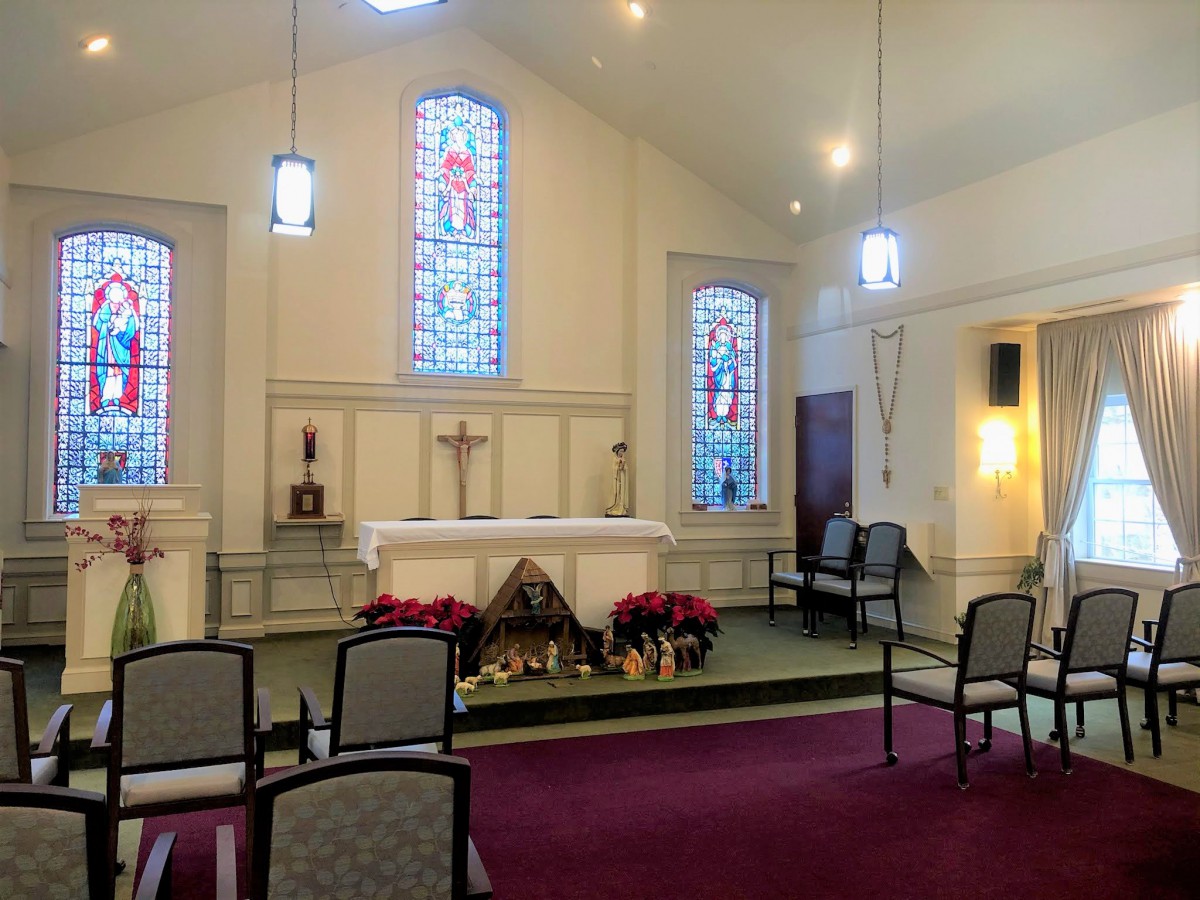
Places of Worship

  • St Paul Evangelical Lutheran Church (5.8 miles)
  • St John & Paul Rectory (6.1 miles)

Transportation

  • T. F. Green Airport (6.3 miles)
  • Green Airport (PVD) (6.3 miles)
  • Rail Explorers (10.5 miles)

Parks

  • Playground (6.9 miles)
  • Roger Williams Park (10.4 miles)
  • Colt State Park (10.5 miles)

Frequently Asked Questions

Where is Saint Elizabeth Home East Greenwich?
What photos are available for Saint Elizabeth Home East Greenwich in East Greenwich, Rhode Island?

Nearby Communities

Related Resources

  • how to pay for nursing homeNavigating the Financial Road to Nursing Home Care: In-Depth Guidance and Resources

    The article offers detailed guidance on the financial complexities of nursing home care, covering costs, payment methods, and alternative funding strategies while emphasizing the importance of proactive planning and legal considerations for individuals and families making care decisions.

  • caregiver benefitsSupportive Employee Benefits That Help Caregivers Attain Better Work-Life Harmony

    The article emphasizes the critical role of supportive employee benefits for caregivers, advocating for flexible scheduling, paid leave, and mental health services to ease their challenges while enhancing employee well-being and organizational loyalty. It also highlights the importance of strong leadership in promoting these initiatives to foster a sustainable workplace culture that values caregivers.

  • best car for seniorsTop Cars for Senior Drivers and Essential Safety Innovations
    Senior drivers prioritize comfort, safety, and ease of use in vehicles due to age-related challenges, seeking features like easy entry, clear visibility, and modern driver-assistance technologies. Recommended models include the Subaru Forester, Honda CR-V, and Toyota Camry, with emphasis on test-driving for personal comfort and evaluating crash-test ratings alongside insurance considerations.