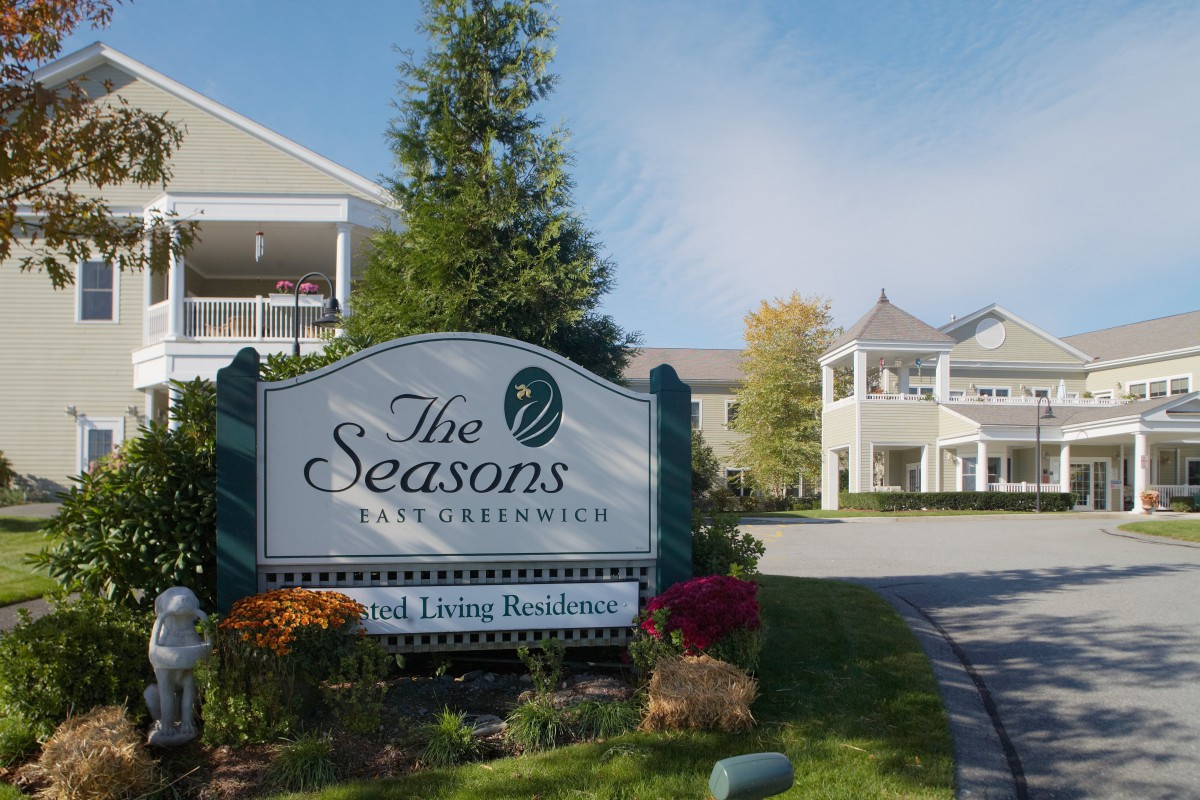
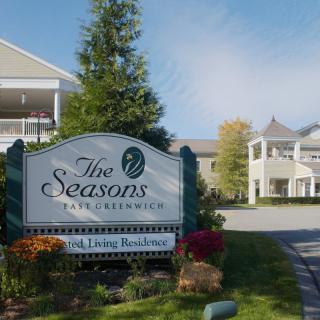
The Seasons in East Greenwich, RI

Save

The Seasons in East Greenwich, RI

Information last verified:

5 St Elizabeth Way, East Greenwich, RI 02818

For more information about senior living options: (844) 490-3973

4.6 from 24 reviews
5 stars
18
4 stars
3
3 stars
2
2 stars
1
1 stars
0

The Seasons Costs & Pricing

The Seasons offers a range of room types that are competitively priced within the context of Kent County and the broader state of Rhode Island. For instance, the cost for a semi-private room at The Seasons is $3,000, significantly lower than both the county average of $3,740 and the state average of $4,389. In terms of studio accommodations, The Seasons' rate of $4,220 closely aligns with Kent County's $4,185 while offering slightly more value compared to Rhode Island's average of $4,015. However, when it comes to larger spaces like 1-bedroom and 2-bedroom units, The Seasons' pricing - at $7,065 for a 1-bedroom and $7,970 for a 2-bedroom - exceeds both local and state averages ($5,411 and $6,240 in Kent County; $4,796 and $5,810 in Rhode Island), suggesting that while it excels with its semi-private and studio offerings, there may be alternatives for those seeking larger living arrangements. Overall, The Seasons stands out as an appealing option for certain residents looking for more economical choices in their care environment.

Floor plansThe SeasonsKent CountyRhode Island
Semi-Private$3,000$3,740$4,389
Studio$4,220$4,185$4,015
1 Bedroom$7,065$5,411$4,796
2 Bedrooms$7,970$6,240$5,810

Overall Review of The Seasons

Pros

  • pro The Seasons offers a kind, caring and engaging community.
  • pro The staff have worked there for many years and ensure residents are well cared for and included in daily activities.
  • pro The nursing staff is top notch and communicates concerns or observations.
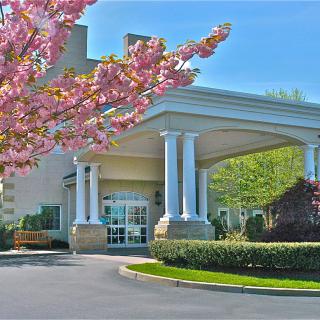
  • pro The building is beautifully maintained and the holiday decorations are wonderful.
  • pro The Seasons embraces residents with warmth, dignity, and care.
  • pro The administration, nursing, kitchen, and maintenance teams are kind, accommodating, and devoted to resident happiness.
  • pro Families consistently recommend The Seasons, calling it one of the best choices for their loved ones.

Cons

  • pro Many of the CNAs were cold, condescending, and unskilled in memory care.
  • pro The staff would literally scold residents for walking somewhere they didn’t want them to go.
  • pro The atmosphere on the memory care unit was not homey.
  • pro It felt like jail to her.
  • pro The marketing director allegedly kept telling the family their mother was still 'transitioning' in order to keep beds full.
  • pro The memory care unit was described as the worst time of her life.
  • pro Residents were referred to by their room numbers.

Review

The Seasons in East Greenwich, RI is best suited for families seeking a warm, resident-centered assisted living where care feels like a true community, not a clinical facility. It shines for residents who want daily engagement, predictable nursing oversight, and a home-like rhythm to life, ongoing activities, social ties, and caregivers who know residents by name. With a strong emphasis on relationships, a long-tenured staff, and a culture that treats seniors with genuine warmth, this community suits families looking for dependable care delivered with heart. The overall impression across reviews is of a place that many families come to view as a second family for their loved one, backed by a well-maintained physical environment that supports daily vitality. The Seasons carries a clear identity as a care-forward community where belonging matters as much as service.

There are, however, clear reasons some families might want to explore alternatives. The Seasons benefits from passionate caregivers and a caring leadership team, yet experiences with memory care and front-line staff can vary. One family described memory care as feeling restrictive and not homey, while others praised careful transition and ongoing attention in memory care settings. A not-insignificant thread across reviews is the variability in certain front-line aides: a few families noted rude or less engaged CNAs, and safety concerns emerged when a resident experienced multiple falls leading to hospital visits and a turnaround in placement. For loved ones with high and complex memory needs or exceptional safety requirements, the inconsistency some families observed in daily staffing could merit looking at communities with more uniform front-line experiences or more specialized memory-care environments. In short, if flawless, uniformly warm interactions in every shift or a relentlessly home-like memory-care atmosphere are non-negotiable, another option may be worth evaluating.

The main strengths, the long-tenured, attentive staff, top-tier nursing communication, and a sense of being in a real community, often offset the drawbacks. The Seasons consistently earns praise for staff who know residents well, communicate concerns clearly, and treat each person with dignity. Families repeatedly highlight how the nursing team and CNAs take time to chat, visit, and check in beyond routine duties, which translates into stronger care planning and better day-to-day harmony. The building itself is described as beautifully maintained, with thoughtful touches such as appealing decorations and a welcoming atmosphere that reinforces a sense of home. The daily calendar of activities, live music, bingo, films, mass on Sundays, and a rotating slate of events, provides meaningful engagement that helps residents stay socially connected and mentally active. When care staff stay in place over years, families gain trust that the care plan will be carried out consistently, which is a powerful offset to the occasional staffing hiccup that one or two reviews mention.

Despite the strong points, the care experience is not uniformly positive, and those caveats deserve plain assessment. The most consequential concerns center on memory care and occasional front-line interactions. A troubling review described a memory-care environment that felt punitive and impersonal, with staff who scolded residents and treated them more as numbers than people. Another family recounted multiple falls culminating in hospital visits, followed by a decision not to return, underscoring that for some residents, real safety and responsive, one-on-one oversight in crises is non-negotiable. Conversely, other families report heartfelt moments, caregivers who stop by an apartment to chat, a maintenance team that promptly addresses practical needs, and administrators who actively welcome family involvement, demonstrating a broad spectrum of day-to-day realities. In this context, the Seasons works best for families who are comfortable with strong, relationship-based care and who are prepared to engage directly with staff to confirm consistency across shifts, particularly in memory care.

Practical next steps help families decide with confidence. Start by arranging a thorough tour that includes time in the memory-care unit at different parts of the day to observe staff interactions, cleanliness, and how residents respond to routine. Request to meet multiple CNAs and nurses on duty, and ask for specific examples of how care plans are created and updated. Inquire about staff-to-resident ratios, safety protocols, and fall-prevention measures, especially if a loved one has a history of falls. Clarify what is included in the monthly rate, housekeeping, laundry, linens, and utilities are cited positively in reviews, but confirm if any care-related add-ons or memory-care surcharges apply. Finally, speak with current families about their honest experiences over several months, not just a tour day, to gauge whether the homey, family-like culture remains steady across all shifts and seasons.

The Seasons represents a compelling choice for families prioritizing a nurturing culture, strong nursing oversight, and ongoing social engagement. It is a particularly strong fit for residents who value a sense of belonging, predictable staff relationships, and a lively activity calendar that keeps daily life engaging. It may be less ideal for families whose loved one requires the most uniform front-line interactions or who demand an always-stellar memory-care environment without variability in staff approach. In either case, the community's commitment to compassionate care and a welcoming home atmosphere stands out, making it a standout option among East Greenwich options for those who can align expectations with the realities of specialized memory care and frontline staffing dynamics.

In sum, The Seasons is a practical, experienced choice for households seeking a genuine community where care is personal, the building is cared for, and staff continuity translates into real trust. Prospective families should enter with clear questions about memory-care culture, frontline staffing, and safety protocols, and should plan multiple visits to observe how care plays out across days and routines. When fit is right, the Seasons delivers a homey, engaged, and reliably attentive environment that can turn a difficult transition into a new chapter of comfortable, dignified living for a loved one.

Features

Types of Care

  • Assisted Living Assisted LivingAssisted living facilities provide crucial support and care for seniors who may need help with daily tasks such as medication management, bathing, and meal preparation. These communities offer a safe and comfortable environment where seniors can maintain their independence while receiving the assistance they need to thrive in their golden years.
  • Memory Care Memory CareMemory care is crucial for seniors as it provides specialized support and services for individuals with dementia or Alzheimer's disease. These programs offer a safe and secure environment where residents receive personalized care, cognitive stimulation, and help with daily activities. Memory care helps seniors maintain their independence, quality of life, and dignity while also providing peace of mind for their families.

Pets

  • Cats allowed Cats allowed"Pet friendly" senior living communities are important for seniors because pets provide companionship, reduce feelings of loneliness and depression, promote physical activity and mental stimulation, and offer a sense of purpose and responsibility. Pets can improve overall well-being and quality of life for seniors in many ways.
  • Dogs allowed Dogs allowed"Pet friendly" senior living communities are important for seniors because pets provide companionship, reduce feelings of loneliness and depression, promote physical activity and mental stimulation, and offer a sense of purpose and responsibility. Pets can improve overall well-being and quality of life for seniors in many ways.

Amenities

  • Activities off-site Activities off-siteEngaging in off-site activities is crucial for seniors to maintain social connections, stay active, and stimulate their minds. It promotes overall well-being and helps combat feelings of isolation and loneliness.
  • Activities on-site Activities on-siteActivities on-site are important for seniors because they provide opportunities for socialization, mental stimulation, physical activity, and overall well-being. Engaging in activities can help seniors stay active, maintain their independence, and improve their quality of life.
  • Air-conditioning Air-conditioningAir conditioning is important for seniors as they are more vulnerable to heat-related illnesses and may have underlying health conditions that make it difficult for them to regulate their body temperature. It helps to keep them comfortable, safe, and healthy in hot weather.
  • Beautician on-site Beautician on-siteHaving a beautician on-site at a senior living community is important for seniors as it allows them to easily access grooming and personal care services, boosting their self-esteem and overall well-being. It also provides convenience and helps seniors maintain their sense of independence and personal style.
  • Cable or satellite TV Cable or satellite TVCable or satellite TV is important for seniors because it provides entertainment, news, and companionship, helping to combat loneliness and boredom. It also offers a wide range of programming options tailored to different interests and preferences.
  • Devotional services off-site Devotional services off-siteDevotional services off-site are important for seniors as they provide spiritual nourishment, social engagement, and a sense of community outside of the senior living facility. This can enhance overall well-being and help combat feelings of isolation and loneliness often experienced by older adults.
  • Devotional services on-site Devotional services on-siteDevotional services on-site provide seniors with spiritual support and a sense of community, as well as an opportunity for reflection and guidance during their senior living experience. This can promote emotional well-being and connection to others, leading to a more fulfilling and enriching lifestyle in their later years.
  • Ground floor units Ground floor unitsGround floor units are important for seniors because they provide easy accessibility, reduced risk of falls and injuries, and convenience for those with mobility issues. Seniors can avoid climbing stairs or using elevators, making daily tasks and activities more manageable and enjoyable.
  • Handicap accessible Handicap accessible"Handicap accessible" amenities are crucial for seniors to ensure they can easily navigate and access facilities, services, and activities without barriers or limitations due to physical impairments. This promotes independence, safety, and inclusivity for seniors in senior living communities.
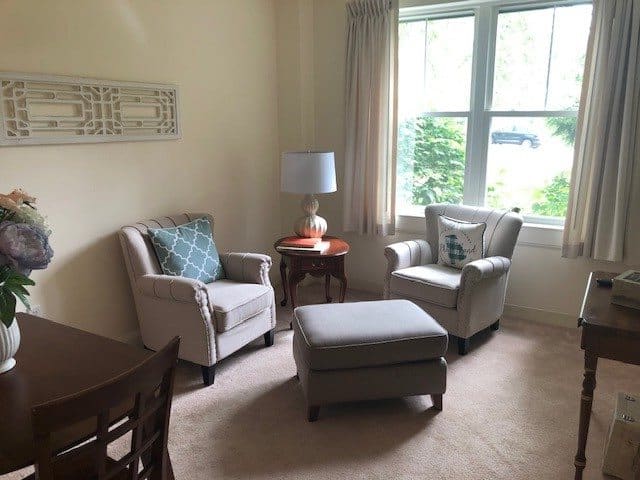
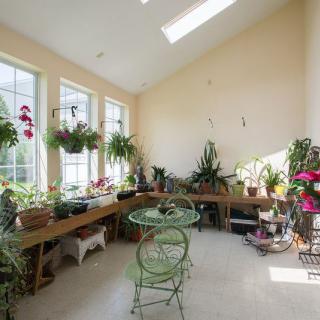
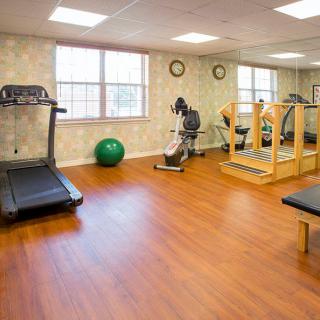
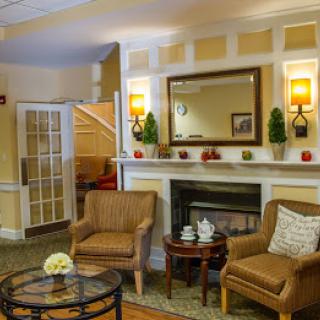
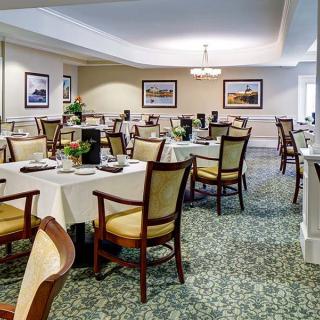
  • Indoor common areas Indoor common areasIndoor common areas are crucial for seniors as they provide a space for socialization, recreation, and community engagement, promoting overall well-being and reducing feelings of isolation and loneliness.
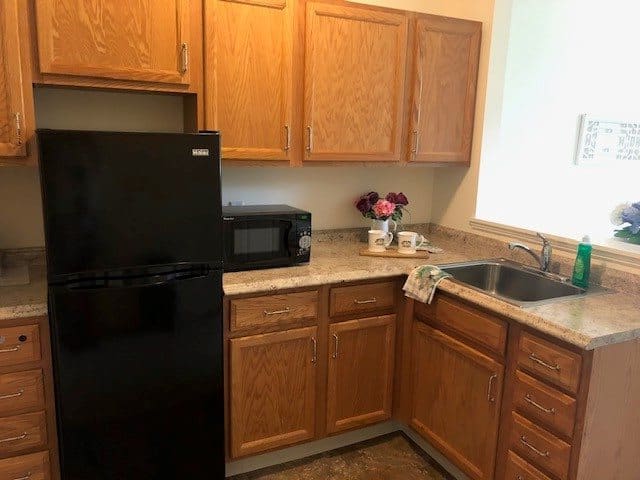
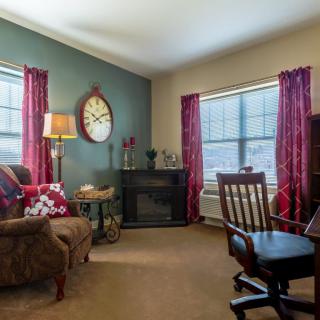
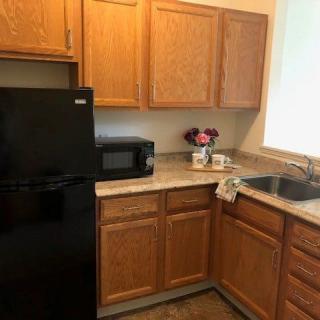
  • Kitchenette KitchenetteKitchenettes are important for seniors living in senior living communities because they provide the convenience and independence of being able to prepare simple meals and snacks in the comfort of their own living space. This can help promote a sense of autonomy and well-being for seniors, allowing them to maintain some level of control over their dietary choices and daily routines.
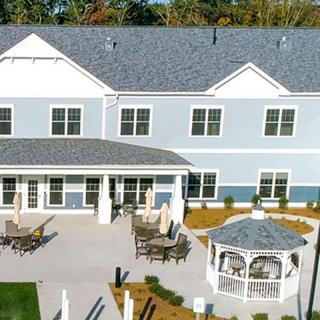
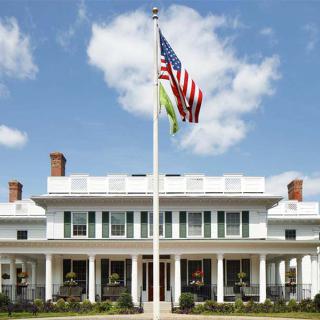
  • Outdoor common areas Outdoor common areasOutdoor common areas are important for seniors as they provide a space for socialization, physical activity, and relaxation. Being outside in nature can improve mood and overall well-being, while also encouraging movement and engagement with others. These spaces can help combat feelings of isolation and promote a sense of community among residents.
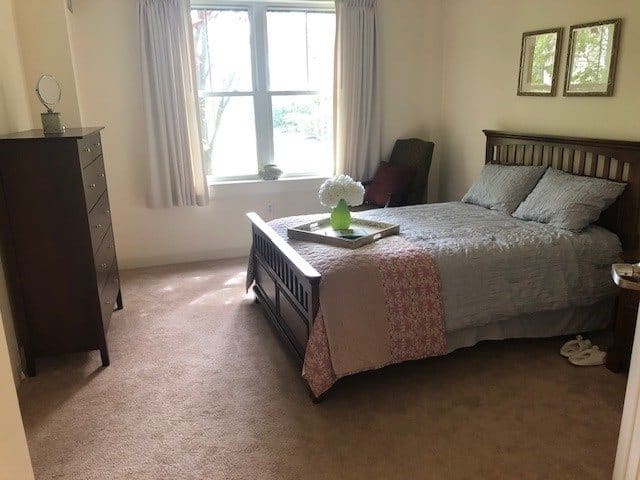
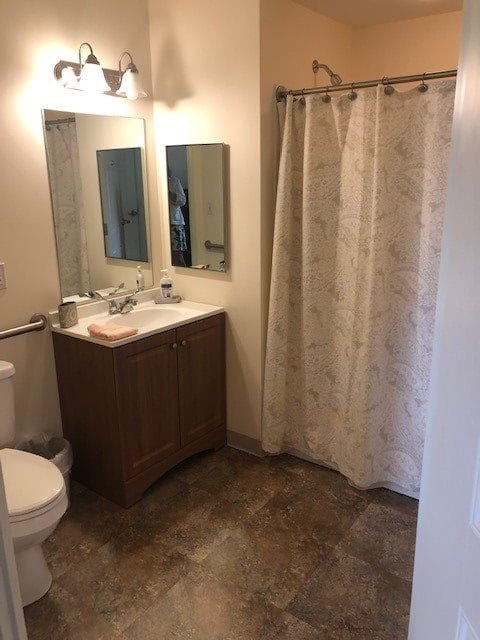
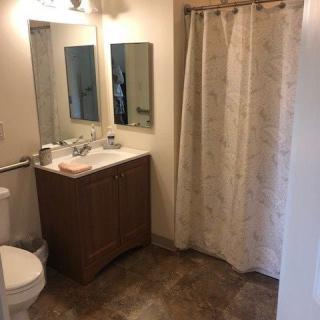
  • Private bathrooms Private bathroomsPrivate bathrooms are important for seniors in senior living communities because they provide independence, dignity, and comfort. Having a private bathroom allows seniors to maintain their personal hygiene routines without the need for assistance, promoting a sense of autonomy and privacy. Additionally, private bathrooms help prevent the spread of infections and provide a safe and clean environment for seniors to navigate safely.
  • Respite or short term stays offered Respite or short term stays offeredRespite or short term stays provide seniors with a temporary solution when their regular caregiver is unavailable, offering them the opportunity to receive additional care and support during times of need, while also giving caregivers a chance to rest and recharge.
  • Wi-Fi/high-speed internet available Wi-Fi/high-speed internet availableWi-Fi/high-speed internet is important for seniors to stay connected with loved ones, access online resources, and participate in virtual activities to combat feelings of loneliness and isolation. It also allows them to easily manage healthcare needs, access entertainment, and engage in lifelong learning opportunities.

Transportation

  • Theodore F Green State (6 miles away) Theodore F Green State (6 miles away)

Care Services

  • Ambulatory care Ambulatory care"Ambulatory care services provide essential medical support and treatment to seniors without requiring hospitalization, allowing them to maintain their independence and quality of life while managing chronic conditions or receiving routine medical care."
  • Diabetic care Diabetic careDiabetic care is crucial for seniors as they are more susceptible to developing diabetes due to aging and other health conditions. Proper management of diabetes can help prevent complications such as heart disease, vision loss, and nerve damage, improving the overall quality of life for seniors in senior living communities.
  • Incontinence care Incontinence careIncontinence care is essential for seniors to maintain their dignity, hygiene, and overall quality of life. By addressing incontinence issues promptly and effectively, seniors can enjoy a sense of independence and comfort in their daily activities.
  • Medication management Medication managementMedication management is crucial for seniors to ensure they are taking the right medications at the correct dosages and times. This helps prevent adverse drug interactions, reduces the risk of medication errors, and promotes overall health and well-being. Proactive management also allows for adjustments as needed based on changing health conditions or new prescriptions.

Dining

  • Gluten-free Gluten-freeGluten-free options are important for seniors as they are more prone to digestive issues and dietary sensitivities. Offering gluten-free meal choices in senior living communities can help improve their overall health and well-being.
  • Guest meals Guest mealsGuest meals are important for seniors living in senior living communities because they provide an opportunity for socialization and companionship. Sharing a meal with friends, family, or new acquaintances can help combat feelings of loneliness and isolation, promote a sense of community, and enhance overall well-being. Additionally, guest meals allow seniors to enjoy delicious food in a comfortable setting without the hassle of cooking or cleaning up, making dining a pleasurable and stress-free experience.
  • Low / no sodium Low / no sodiumLow/no sodium options are important for seniors because excessive sodium intake can lead to high blood pressure, heart disease, and other health issues commonly experienced by older adults. By choosing low/no sodium foods, seniors can better manage their health and reduce their risk of developing these conditions.
  • Meals provided Meals provided"Meals provided" are crucial for seniors in assisted living communities as it ensures they have access to nutritious, balanced meals without the stress of meal planning and preparation. This can help promote overall health and well-being for seniors who may have limited mobility or cognitive abilities.
  • No Sugar No SugarNo sugar diets are important for seniors because they can help prevent or manage chronic conditions such as diabetes, heart disease, and obesity. Sugar can also contribute to cognitive decline and inflammation in the body, so reducing sugar intake can lead to overall improved health and well-being in older adults.
  • Professional chef Professional chefProfessional chefs are important for seniors living in senior living communities because they provide nutritious and delicious meals that cater to their dietary needs and preferences. A professional chef can ensure that seniors are receiving balanced, flavorful meals that support their overall health and well-being.
  • Restaurant style dining Restaurant style diningRestaurant style dining is important for seniors as it offers them a social and enjoyable dining experience, promotes healthy eating habits, and provides personalized menu options to cater to their dietary needs and preferences. This type of dining setting can enhance their overall quality of life and create a sense of community within the senior living facility.
  • Special dining programs Special dining programsSpecial dining programs are important for seniors because they provide nutritious meals tailored to their dietary needs and preferences. These programs also offer socialization opportunities, promote overall health and well-being, and can help prevent malnutrition.

Activities

  • Art classes Art classesArt classes are important for seniors because they provide a creative outlet, improve cognitive function, reduce stress and anxiety, promote socialization, and enhance overall well-being and quality of life.
  • Bible study group Bible study groupBible study groups provide seniors with a sense of community, spiritual growth, and support during their later years. It helps them stay connected to their faith, find comfort in difficult times, and build meaningful relationships with others.
  • Catholic services Catholic servicesCatholic services are important for seniors because they provide spiritual support, a sense of community, and opportunities for social interaction that can enhance overall well-being and quality of life in their later years.
  • Cooking classes Cooking classesCooking classes are important for seniors as they provide opportunities for social interaction, enhance cognitive skills, promote healthy eating habits, and boost confidence in the kitchen.
  • Day trips and outings Day trips and outingsDay trips and outings are important for seniors as they provide opportunities for socialization, mental stimulation, physical activity, and a break from daily routines. These experiences can enhance overall well-being and quality of life for older adults living in senior communities.
  • Devotional activities offsite Devotional activities offsiteDevotional activities offsite are important for seniors because they provide social engagement, spiritual growth, and a sense of community outside of their living environment. This can improve overall well-being, mental health, and combat feelings of isolation or loneliness.
  • Devotional activities on-site Devotional activities on-siteDevotional activities on-site provide seniors with a sense of community, spiritual fulfillment, and emotional support, promoting overall well-being and a positive sense of purpose in their lives.
  • Educational speakers / life long learning Educational speakers / life long learningEducational speakers and lifelong learning opportunities are crucial for seniors as they provide mental stimulation, promote social engagement, and contribute to overall well-being. Continuous learning helps seniors stay mentally sharp, build new skills, and maintain a sense of purpose and fulfillment in their lives. It also allows them to stay connected to the world around them and fosters a sense of community within senior living facilities.
  • Happy hour Happy hourHappy hour is important for seniors as it provides a social activity that promotes camaraderie and reduces feelings of loneliness or isolation. It also offers an opportunity for older adults to relax, unwind, and enjoy some drinks or snacks in a fun and welcoming atmosphere.
  • Karaoke KaraokeKaraoke provides seniors with a fun and social activity that can boost mood, confidence, and cognitive function. It encourages social interaction, physical movement, and creative expression, making it an important form of entertainment for senior living communities.
  • Live musical performances Live musical performancesLive musical performances can provide seniors with a sense of joy, nostalgia, and connection. Music has the power to evoke emotions and memories, improve mood and cognitive function, and foster social interaction among seniors. It can also serve as a form of therapy and stress relief for older adults, making it an important activity to include in senior living communities.
  • Wine tasting Wine tastingWine tasting can be a fun and social activity for seniors, allowing them to engage their senses, learn about different varieties of wine, and potentially meet new friends. It also offers health benefits such as improved cognitive function and reduced risk of heart disease when consumed in moderation.

Description

The Seasons in East Greenwich, RI is an assisted living community that specializes in providing memory care services. Our residents can enjoy a comfortable and safe environment with a variety of amenities to enhance their quality of life.

Our community offers a range of on-site activities to keep our residents engaged and entertained. Whether it's participating in group activities, watching cable or satellite TV in the comfort of their own rooms, or enjoying devotional services on-site or off-site, there is something for everyone to enjoy. Our indoor and outdoor common areas provide opportunities for socializing and relaxation.

Each resident has their own private bathroom and ground floor units are available for those with limited mobility. We also have air-conditioning to ensure the comfort of our residents throughout the year. Wi-Fi/high-speed internet is accessible throughout the community, allowing residents to stay connected with family and friends.

In terms of care services, we offer diabetic care, incontinence care, and medication management to meet the individual needs of our residents. Our dedicated staff provides assistance and support while respecting the privacy and independence of each resident.

Meals at The Seasons are prepared by professional chefs who cater to special dietary requirements such as low/no sodium, no sugar, and specific dining programs. Residents can enjoy delicious meals in a restaurant style dining setting or have guest meals for special occasions.

Our community believes in providing engaging activities that promote physical, mental, and spiritual well-being. We offer various options like Bible study groups, Catholic services, cooking classes, day trips and outings, educational speakers/life-long learning sessions, happy hour gatherings, karaoke nights, live musical performances, and even wine tasting events.

Additionally, The Seasons is conveniently located near several cafes, pharmacies, physicians' offices/restaurants nearby which makes it easier for our residents to access necessary resources or enjoy outings with family and friends. There is also a hospital nearby in case any medical emergencies arise.

At The Seasons in East Greenwich, RI, we strive to create a warm and compassionate environment where seniors can feel supported and cherished. Our memory care services and amenities aim to enhance the overall well-being of our residents while promoting their independence and dignity.

Nearby Places of Interest

This part of East Greenwich, Rhode Island, offers a variety of healthcare options, including oral surgery, dermatology, cardiovascular care, and women's health services within a few miles. There are also several pharmacies nearby for easy access to medications. In terms of dining options, there are a mix of casual and waterfront restaurants within a short distance. For entertainment, there are movie theaters nearby for enjoying films. And if you enjoy spending time outdoors, there are parks within driving distance as well. Additionally, the proximity to Green Airport is convenient for those who may need to travel frequently. Overall, this area provides a balance of medical services, amenities, and leisure activities that could make it a suitable choice for senior living in East Greenwich.

Physicians

  • East Greenwich Oral Surgery (0.3 miles)
  • Dr Richard Delsesto (1.3 miles)
  • Dermatology Professionals (1.5 miles)
  • Cardiovascular Institute (1.8 miles)
  • Womans Care East Greenwich (2 miles)
  • East Greenwich Spine & Sport (2 miles)
  • University Family Medicine - Matthew Smith MD (2 miles)

Pharmacies

  • Casmer Pharmacy (0.6 miles)
  • CVS Pharmacy (1.5 miles)
  • CVS Pharmacy (2.1 miles)
  • Electric Boat (2.7 miles)
  • Walgreens (3.6 miles)
  • CVS Pharmacy (4 miles)
  • Walgreens (4.1 miles)

Cafes

  • Panera Bread (2 miles)
  • Cafe Tempo Coffee House (4 miles)
  • Starbucks (4.4 miles)
  • Bean Barn RI (5.3 miles)
  • West Shore Coffee Bar (5.5 miles)
  • Starbucks (5.6 miles)
  • Starbucks (8 miles)

Restaurants

  • Water Street Kitchen and Bar (2 miles)
  • McDonald's (2 miles)
  • Blu on the Water (2 miles)
  • Wendy's (2.6 miles)
  • Chelos Waterfront Bar & Grille (3.3 miles)
  • Crow's Nest Restaurant (3.9 miles)
  • McDonald's (4.1 miles)

Theaters

  • Showcase Cinemas Warwick (2.1 miles)
  • Apple Cinemas (5.7 miles)

Hospitals

  • Kent County Memorial Hospital (4.5 miles)
  • Kent Hospital Laboratory Services (6 miles)

Places of Worship

  • St Paul Evangelical Lutheran Church (5.8 miles)
  • St John & Paul Rectory (6.1 miles)

Transportation

  • Green Airport (PVD) (6.2 miles)
  • T. F. Green Airport (6.2 miles)
  • Rail Explorers (10.4 miles)

Parks

  • Playground (6.9 miles)
  • Roger Williams Park (10.3 miles)
  • Colt State Park (10.4 miles)

Frequently Asked Questions

How much does it cost to live at The Seasons in East Greenwich, RI?
Where is The Seasons?
Does The Seasons provide care for residents with dementia or Alzheimer's disease?
Does The Seasons allow residents to have pets?
What photos are available for The Seasons in East Greenwich, Rhode Island?

Nearby Communities

  • The Seasons East Greenwich

    The Seasons East Greenwich

    East Greenwich, RI

    4.5 from 17 reviews
     

    pro Extensive on-site amenities and comprehensive assisted living services.
  • Saint Elizabeth Home East Greenwich

    Saint Elizabeth Home East Greenwich

    East Greenwich, RI

    3.6 from 35 reviews
     

    pro Homelike setting with private rooms, in-house kitchen, and robust amenities and activities.

  • New England Companions

    New England Companions

    North Kingstown, RI

    5 from 2 reviews
     

    pro Close access to cafes, pharmacies, doctors, restaurants, and theaters.

  • Anchor Bay at Greenwich

    Anchor Bay at Greenwich

    East Greenwich, RI

    4.6 from 155 reviews
    $3,700 to $5,660 / month

    pro Friendly, attentive staff in a beautiful, clean setting with excellent meals and engaging activities.

  • Atria Harborhill

    Atria Harborhill

    East Greenwich, RI

    4.6 from 108 reviews
    $4,595 to $6,895 / month

    pro Friendly, attentive staff in a beautiful, activity-rich community.

  • Harbor Hill Place

    Harbor Hill Place

    East Greenwich, RI

    4.6 from 63 reviews
    $1,200 to $3,950 / month

    pro Responsive staff, bright, comfortable rooms, and engaging activities.

  • Brentwood by the Bay

    Brentwood by the Bay

    Warwick, RI

    4.1 from 15 reviews
    $4,400 to $5,970 / month

    pro Bright, welcoming atmosphere with high-quality dining and engaged staff.

  • Brentwood Nursing Home

    Brentwood Nursing Home

    Warwick, RI

    4.2 from 46 reviews
     

    pro Compassionate, attentive care in a clean, home-like setting with personalized rooms and engaging activities.

  • All American Assisted Living at Warwick

    All American Assisted Living at Warwick

    Warwick, RI

    4.6 from 90 reviews
    $4,100 to $4,650 / month

    pro Friendly staff, engaging activities, and well-kept facilities.

Related Resources

  • assisted living vs memory careAssisted Living and Memory Care: Understanding Their Core Differences

    Assisted living provides moderate support for seniors seeking independence, while memory care offers specialized support for individuals with dementia or cognitive impairments through structured routines and trained staff. Key differences include care approaches, environment security measures, staff training levels, activity types, and cost considerations.

  • assisted living vs nursing homeChoosing the Right Senior Care: A Detailed Exploration of Assisted Living and Nursing Homes

    Choosing between assisted living and nursing homes involves evaluating emotional and financial factors, with assisted living offering independence and support for daily activities at a lower cost, while nursing homes provide intensive medical care for individuals with significant health needs. The decision is influenced by personal preferences, health status, cognitive function, and varying Medicaid coverage across states.

  • how to prevent memory loss in old ageSafeguarding Your Memory Through the Golden Years: Eight Ways to Preserve Cognitive Health
    The article presents eight strategies for preserving cognitive health and memory in older adults, emphasizing a nutrient-rich diet, regular exercise, intellectually stimulating activities, adequate sleep, social connections, stress management techniques, limiting harmful substances, and regular medical checkups to mitigate age-related memory decline.