5 Saint Elizabeth Way, East Greenwich, RI 02818
For more information about senior living options: (866) 208-4318
Overall Review of The Seasons East Greenwich
Pros
 The Seasons provided not only a place for her to live but a community that embraced her with warmth, dignity, and care.
- From the start, the staff and nurses made the transition seamless with kindness, professionalism, and genuine compassion.
- For the time she spent there, she was treated as family, with love, respect, and dedication that made all the difference.
- The Seasons isn’t just an assisted living facility—it's a home filled with heart.
- The entire staff was kind and accommodating, always finding time to visit and chat.
- The Seasons became a family for the residents, with care that brought happiness and a sense of belonging.
- Rita described The Seasons as “the best,” highlighting a highly positive experience.
- The Seasons has been described as the best around by professionals and families, offering a safe and welcoming environment.
Cons
 The memory care unit was described as the worst time of her life.
- Some staff were cold, condescending, and unskilled in memory care.
- The staff would scold residents for wandering on the unit.
- The atmosphere was not homey and felt like jail.
- Residents were often referred to by their room numbers.
- The marketing director’s job depended on keeping beds full, implying a conflict of interest.
- After multiple falls, The Seasons would not take her back, forcing a move home.
Review
The Seasons East Greenwich is best suited for families seeking a warm, neighborly assisted living where staff know residents by name, treat them with genuine kindness, and keep daily life organized with dependable care. It is a strong fit for seniors who value meaningful interactions with CNAs, nurses, and maintenance staff, along with solid meal service and engaging activities. For households prioritizing a home-like atmosphere over clinical polish, and wanting a community that feels more like a caring extended family than a facility, this is a compelling option.
Explicitly, those who require highly specialized memory-care programming or who have a history of testing staff patience may want to consider alternatives. Memory care experiences at The Seasons are mixed in the family narrative: some residents benefit from compassionate, attentive care, while others describe sessions that feel impersonal or insufficiently skilled for dementia needs. Families should scrutinize the unit’s training, turnover, and supervision ratios; for loved ones with significant memory challenges or agitation, a facility with a consistently proven memory-care track record may be a more reliable match.
The most persuasive pros revolve around staff devotion and a resident-first culture. Families repeatedly note staff warmth, regular personal engagement, and the sense that care plans are individualized rather than boilerplate. The atmosphere in common areas and residences often feels calm, clean, and well maintained, with administration that appears accessible and responsive. In practical terms, this translates to fewer missed calls, quicker problem resolution, and a daily rhythm that keeps residents oriented and included in routine activities.
Prospective residents should push for specifics during tours: ask about memory-care staffing levels, credentials, and turnover; request concrete examples of how care plans adapt to changing needs; and verify fall-prevention measures and emergency-response protocols. Visit the dining room, observe the pace and quality of meals, and review programming calendars to gauge whether activities truly align with individual interests and cognitive needs. Speak with multiple staff members across shifts and, where possible, with current families to gauge consistency in care and communication, because perceptions can vary by unit and by time of day.
There are clear caveats to weigh. A few families report uncomfortable experiences in memory care, describing strictness that borders on impersonal and, in one case, a period when the atmosphere felt more like a holding area than a home. Another recurring concern is safety: multiple falls or hospital referrals have led some families to rethink readmitting a loved one after reduction in supervision. These threads do not erase the entire strength of The Seasons, but they underscore the reality that memory-support must be assessed with diligence and firsthand observation, not by reputation alone.
If the decision leans toward The Seasons, this is a community that rewards a hands-on, family-inclusive approach to care. It works best for residents who thrive on steady routines, genuine social connection, and the reassurance of a consistently engaged caregiving team. Those who need an exceptionally high degree of dementia-specific programming, or who require a more clinical, uniform standard of safety across shifts, should broaden the search and compare alternatives with transparent metrics on memory-care outcomes. With disciplined due diligence, tours, conversations with several staff members, and a close read of the care agreement, families can determine whether The Seasons will be the right home, or if another option better matches the loved one’s clinical and emotional needs.
 94 resident community capacity
 Assisted Living
 Air-conditioning
 Beauty salon
 Cable or satellite TV
 Computer center
 Dining room
 Fitness room
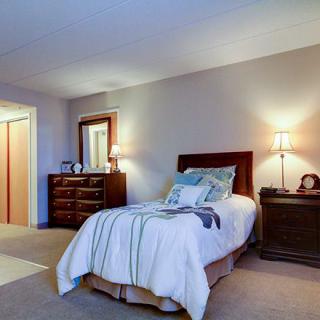
 Fully furnished
 Gaming room
 Garden
 Housekeeping services
 Kitchenette
 Move-in coordination
 Outdoor space
 Private bathrooms
 Restaurant-style dining
 Small library
 Telephone
 Wellness center
 Wi-Fi/high-speed internet available
 Theodore F Green State (6 miles away)
 Community operated transportation
 24-hour call system
 Activities of daily living assistance
 Assistance with bathing
 Assistance with dressing
 Assistance with transfers
 Diabetes diet
 Medication management
 Special dietary restrictions
 Concierge services
 Planned day trips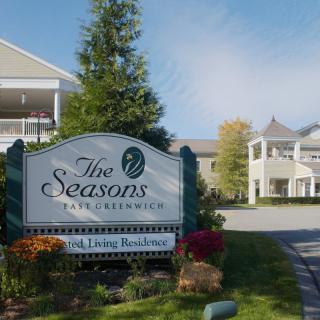





 Choosing the Right Senior Care: A Detailed Exploration of Assisted Living and Nursing Homes
 Understanding the True Cost of Assisted Living in 2025: A Comprehensive Guide
 Understanding Medicaid Coverage for Assisted Living: A Comprehensive Guide