

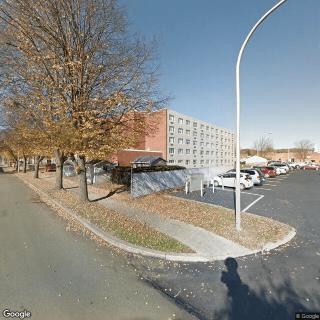
300 Leader Drive, Williamsport, PA 17701
For more information about senior living options: (866) 208-4318
Overall Review of Manorcare Health Services-Williamsport North
Pros
 The staff are very knowledgeable, friendly, and helpful.
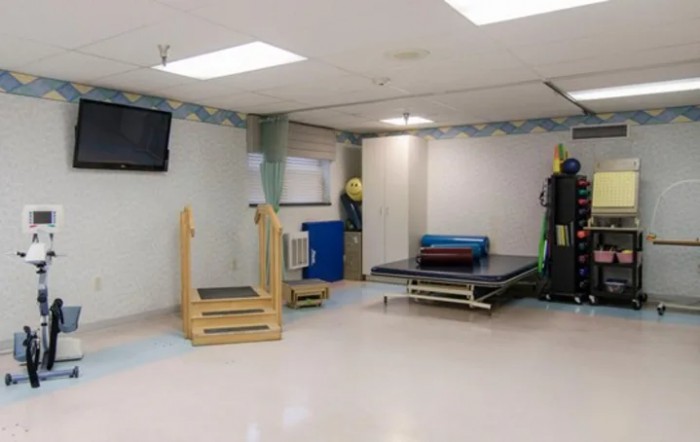
- They have excellent therapy.
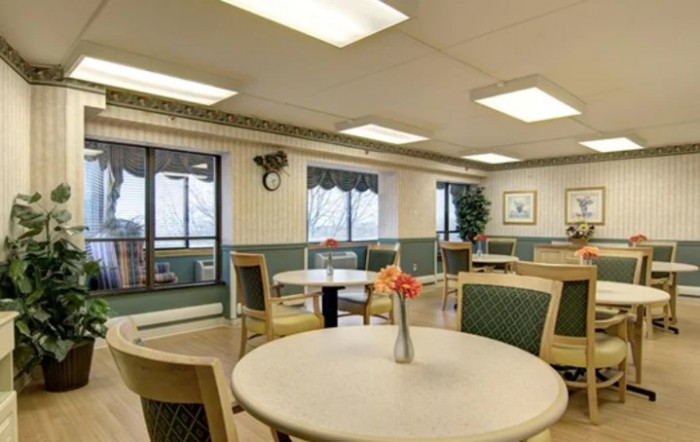
- The whole building is very clean.
- The food is good.
- They are very professional.
- They offer devotions, movies, and sing-alongs.
Cons
 The facility does not seem to be for residents, with finances prioritized over resident care.
- Residents are neglected, and multiple staff are seen at the nursing station instead of on the floor.
- A strong odor is reported upon collecting belongings, described as a horribly unpleasant situation.
- The administration is lacking in communication and appears disorganized in placing residents.
- The facility is understaffed, causing long delays (up to forty minutes) for basic help.
- There have been ongoing cuts to meals over several months.
- There is a strong admonition not to leave a loved one at ManorCare.
Review
ManorCare Williamsport North is best suited for families seeking a facility with solid rehabilitation-oriented services and a clean, orderly environment, where therapy and clinical attention are prioritized and where regular family oversight is feasible. The community can work for residents who will benefit from structured therapy programs and a calm, orderly setting, provided there is a reliable family or advocate to stay engaged with care coordination. It is not the right choice for those who require consistently prompt daily assistance, highly transparent administration, and uncompromising reliability in every aspect of care. For anyone whose top concern is predictable staffing, clear communication, and steady daily support, alternatives should be pursued.
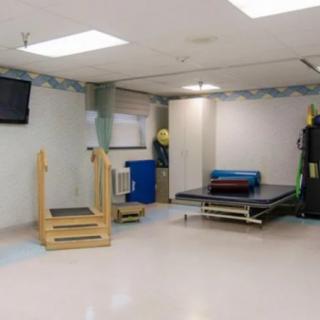
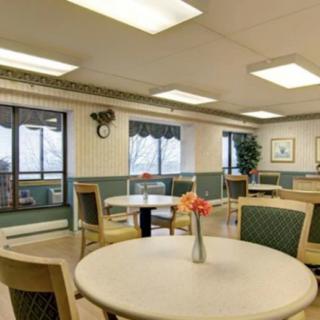
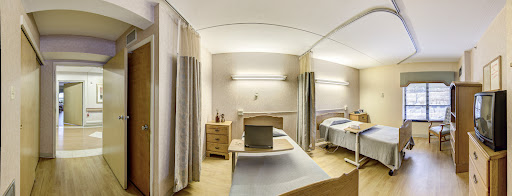
On the upside, several residents report that the therapy program is a standout feature. The staff, when present, can be knowledgeable, friendly, and helpful, and the building itself is described as clean and well-maintained. There is value in the dedicated activity spaces, a room for entertainment and another for crafts, which can foster engagement for residents who still enjoy social and recreational options. In a best-case scenario, short-term rehab goals are met, and families notice tangible gains from therapy and skilled nursing input. These positives, however, live on a balance beam that tilts heavily on staffing reliability and administrative clarity.
The flip side is hard and consistently echoed: chronic understaffing and slow response times undermine daily quality of life. One resident notes long waits, forty minutes or more, to receive help with essential needs, a reality that erodes dignity and safety. Administrative communication is described as lacking at times, with families compelled to chase information rather than receive it proactively. A distressing thread in multiple accounts is concern about the handling of finances and overall resident advocacy. Add in reports of odor and perceived neglect at the bedside, and the facility’s strongest strengths, therapy and cleanliness, can’t fully compensate for these fundamental failures in daily care and oversight.
These dynamics create a situation where the pros offset only part of the risk. Excellent therapy and a well-kept environment provide genuine value, but they do not eliminate the risk posed by inconsistent staffing, delayed assistance, and fragmented administration. For families focused on return-to-function outcomes, the therapy counts, yet the experience of inconsistent help and unclear accountability can derail progress and erode trust. In short, the positive clinical and environmental elements are real, but they are overshadowed by operational fragility that jeopardizes steady, reliable daily care.
For families weighing alternatives, this facility clearly favors those who can tolerate and actively manage gaps in daily responsiveness and care coordination. Alternatives should be considered by anyone prioritizing consistent staffing levels, transparent financial handling, and predictable daily routines. If the plan hinges on dependable assistance around the clock, or if out-of-town families cannot regularly visit to monitor care, a different community with stronger staffing ratios and clearer administrative practices is advisable. For residents already in this home, careful review of care plans, explicit service agreements, and frequent check-ins with both clinical and administrative leadership becomes essential.
Practical next steps are straightforward: schedule multiple visits at different times and days to observe real-time staffing and response times, and speak directly with frontline staff, supervisors, and the administrator. Request current staffing statistics, including nurse and aide ratios, and ask how billing and finances are handled to ensure clarity and accountability. Probe how the facility enacts the Albright Life integration when applicable, and what options exist if a resident’s needs shift. Finally, trust warning signs from current residents and families, persistent complaints about responsiveness, administration, or odor should prompt serious reconsideration. The bottom line is clear: therapy and a clean environment matter, but reliable daily care, transparent governance, and timely support are non-negotiable for most long-term placements.
 152 resident community capacity
 Skilled Nursing Facility
 Air-conditioning
 Beauty salon
 Cable or satellite TV
 Computer center
 Dining room
 Fitness room
 Fully furnished
 Gaming room
 Garden
 Housekeeping services
 Kitchenette
 Move-in coordination
 Outdoor space
 Private bathrooms
 Restaurant-style dining
 Small library
 Telephone
 Wellness center
 Wi-Fi/high-speed internet available
 Community operated transportation
 12-16 hour nursing
 24-hour call system
 Activities of daily living assistance
 Assistance with bathing
 Assistance with dressing
 Assistance with transfers
 Diabetes diet
 Medication management
 Mental wellness program
 Special dietary restrictions
 Concierge services
 Planned day trips






 Understanding the Nuances of Palliative Care and Hospice: A Comprehensive Exploration
 Fecal Incontinence in Older Adults: A Comprehensive Guide
 Recognizing the Journey: Understanding and Navigating Anticipatory Grief