Residents and visitors describe strong therapy support during rehabilitation stays.
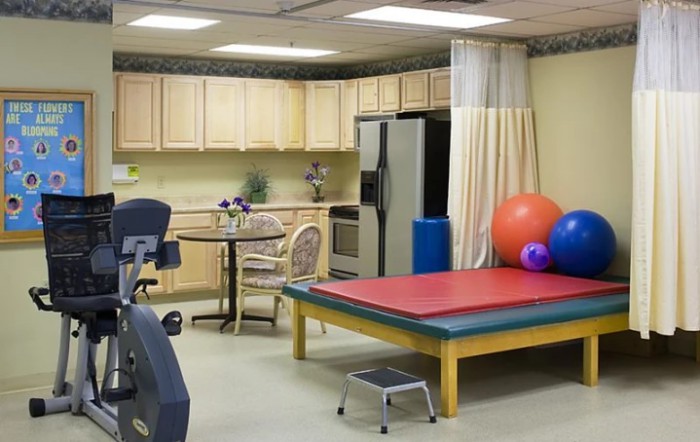
Several reviews mention therapy as a positive part of the stay, including people reporting their loved ones getting assessments and schedules explained as rehab progresses. Others specifically call out therapy sessions as “wonderful,” and one reviewer describes getting physical therapy support after surgery. A separate review questions the timing of PT evaluation for a short-term rehab stay, showing therapy continuity can vary depending on circumstances.
caveat4 reviews mention this
Staffing shortages are a concern
Some residents’ families report staffing levels can limit timely care.
A recurring concern is that staffing may be stretched, with reviewers describing being overwhelmed or feeling that there isn’t enough help. One review reports delays in responses to call buttons and a lack of time with patients, while another says a loved one went without therapy during parts of a rehab stay. Even more specifically, one family member reports limited help with daily needs during a multi-week period. At the same time, other reviews are complimentary about responsiveness, but the staffing shortfall themes show up often enough to be a consistent caveat.
common6 reviews mention this
Cleaning and odor control matter
Many reviewers point to cleanliness and good upkeep during visits.
Several reviews describe the facility as clean and well-kept, and a few note no noticeable odors when they were there. Others mention that rooms and dining areas looked maintained, and at least one reviewer pairs cleanliness with friendliness. A different set of comments contrasts that with a “run down” feel and mentions dated or degrading elements around the building and rooms. Taken together, the reviews suggest cleanliness is often observed positively, but some visitors found the overall condition less consistent.
common3 reviews mention this
Meals can be a mixed bag
Dining earns both praise and complaints from families.
Some families say their loved ones like the food and describe it as a reason to feel comfortable staying there. One review also references enjoying food as part of a family get-together. On the negative side, another reviewer reports meals being cold at times and beverages warm, which directly affects day-to-day satisfaction.
common3 reviews mention this
Activities keep residents engaged
Residents are described as staying engaged through onsite activities.
Reviewers mention that residents participate in activities such as crafts and other scheduled engagement, and one person describes seeing residents brighten up with the therapy dog. Another review notes the community can feel festive during holidays and mentions a broader calendar beyond simply watching TV. While some mentions of activities may be limited by circumstances like visiting access, the overall pattern is that meaningful engagement is part of what families notice.
How we summarize
Counts show how many written reviews mention each theme; a review can touch several themes, and only frequently mentioned themes are displayed.
Features
Housing
21 resident community capacity
Types of Care
Skilled Nursing Facility
Amenities
Beauty salon
Cable or satellite TV
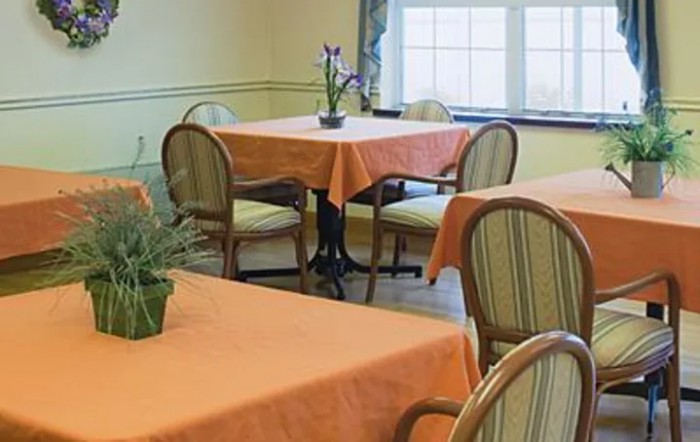
Dining room
Fully furnished
Garden
Housekeeping services
Kitchenette
Move-in coordination
Outdoor space
Telephone
Wi-Fi/high-speed internet available
Care Services
24-hour call system
24-hour supervision
Activities of daily living assistance
Assistance with bathing
Assistance with dressing
Assistance with transfers
Coordination with health care providers
Diabetes diet
Meal preparation and service
Medication management
Mental wellness program
Special dietary restrictions
Transportation arrangement (medical)
Transportation to doctors appointments
Dining
Diabetes diet
Special dietary restrictions
Activities
Community-sponsored activities
Scheduled daily activities
Nearby Places of Interest
This part of Pottsville, Pennsylvania, offers a convenient and accessible location for senior living. With several pharmacies, restaurants, and physicians within close proximity, residents can easily access essential services and amenities. The presence of hospitals and medical clinics nearby provides peace of mind in case of any health concerns. Additionally, the area offers opportunities for leisure and relaxation with cafes like Pressed Coffee & Books and parks such as Gordon Nagle Trail located within a short distance. The neighborhood's diverse options for dining and shopping make it a vibrant community to call home. Overall, this part of Pottsville provides a well-rounded environment for seniors looking to live comfortably and enjoy their retirement years.
Pharmacies
Rite Aid (0.3 miles)
CVS Pharmacy (0.8 miles)
Rite Aid (1 miles)
Towne Drugs (1 miles)
Yorkville Drug Store (2.2 miles)
Minersville Pharmacy (4 miles)
CVS Pharmacy (4.1 miles)
Restaurants
Ruby Tuesday (0.3 miles)
Hoss's Steak & Sea House (0.3 miles)
Tony's (0.5 miles)
McDonald's (0.6 miles)
Brody's Bar & Grill (0.9 miles)
Hong Kong Buffet (0.9 miles)
The Crimson House (0.9 miles)
Physicians
Pottsville Cancer Clinic (0.4 miles)
Orthopedic Associates of Pottsville (0.4 miles)
Advanced Dermatology Associates (0.4 miles)
Cardiac Rehabilitation Center (0.4 miles)
Mark D. Brayford, DO (0.5 miles)
Integrated Medical Group PC (0.5 miles)
Phillips Brayford Orthoppaedics (0.5 miles)
Hospitals
Schuylkill Medical Center East Norwegian Street (0.4 miles)
Lehigh Valley Hospital-Schuylkill (0.4 miles)
Schuylkill Medical Center South Jackson Street (0.9 miles)
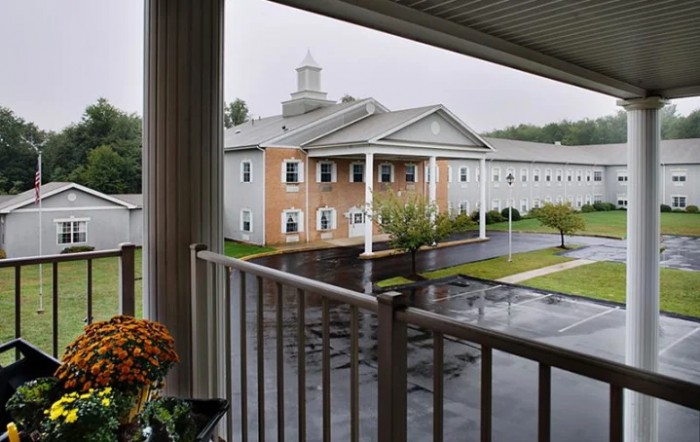
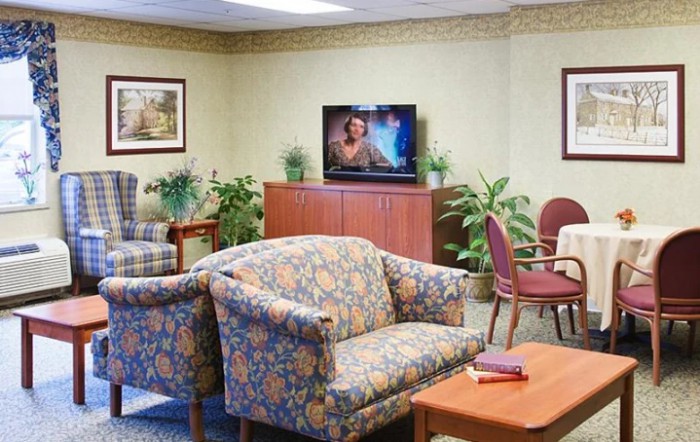
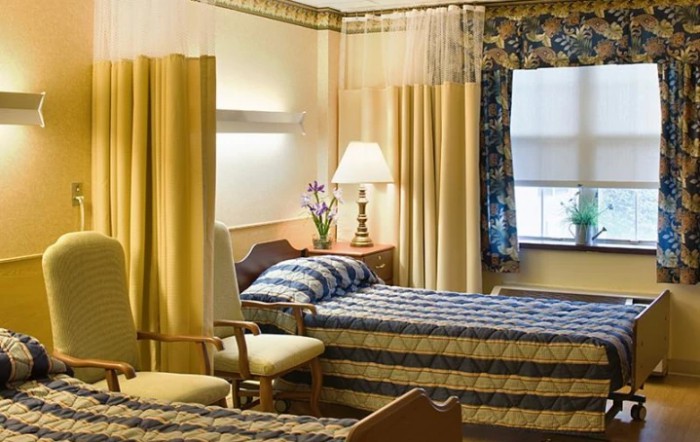
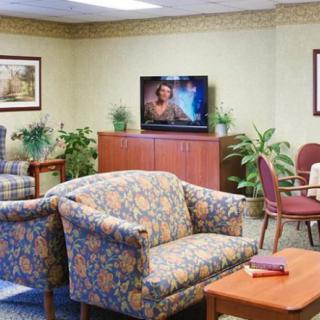
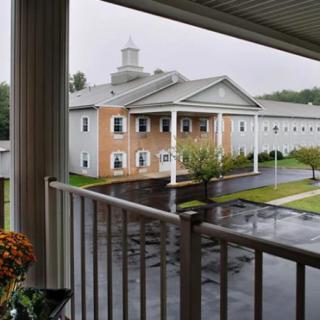
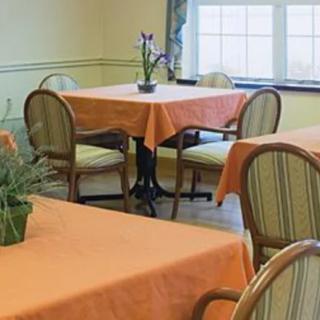
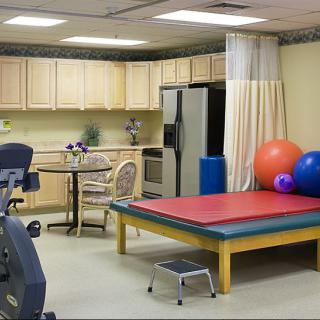
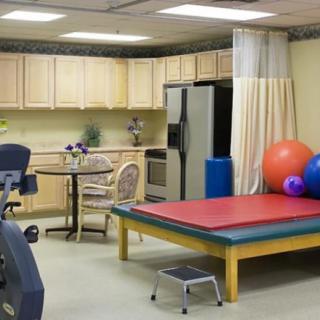
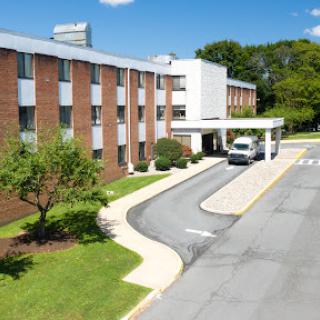
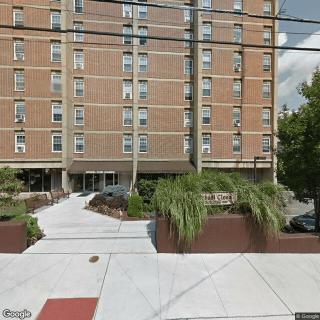
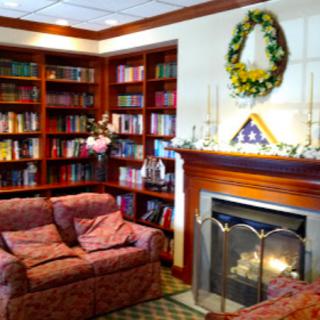
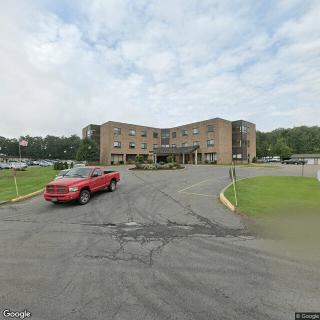
Schuylkill Center on seniors.fyi includes 7 photos including images showing interior, exercise equipment, dining, television, balcony, architecture, parking, living room, and more.
Nearby Communities
Addus Healthcare
Pottsville, PA
3.1 from 13 reviews
Convenient location with nearby healthcare, parks, and amenities
Greenwood Hill Estate
Pottsville, PA
Serene location with strong healthcare and dining access nearby.
Greenwood Hills Estate
Pottsville, PA
Small, personalized assisted living with comprehensive care and modern amenities.
Manorcare Health Services-Pottsville
Pottsville, PA
Extensive amenities and services (dining, wellness, transportation, ADL support, private bathrooms, activities, Wi?Fi) for an active lifestyle.
Michael Close Hi-Rise
Pottsville, PA
4.3 from 4 reviews
Excellent location with abundant nearby amenities.
B F Patterson Hi-Rise
Pottsville, PA
4 from 4 reviews
Excellent access to nearby healthcare, pharmacies, and diverse amenities.
Luther Ridge At Seiders Hill
Pottsville, PA
4.7 from 24 reviews
$2,310 to $3,510 / month
Caring staff, clean facilities, good meals and engaging activities.
Gardens At York Terrace
Pottsville, PA
4.1 from 27 reviews
$2,695 to $6,442 / month
Extensive on-site amenities and comprehensive care services.
The Manor & Pavilion at St. Luke Village
Hazleton, PA
Specialized diabetic care with on-site activities and social spaces.
Weight training is vital for seniors to maintain muscle mass, bone density, and overall health, combating age-related declines through customized resistance exercises that enhance balance and well-being. Safe routines should start with realistic goals and proper form, while emphasizing gradual progress and consultations with healthcare providers to ensure safety and effectiveness.
The Sandwich Generation comprises adults managing the dual responsibilities of caring for aging parents and raising children, leading to significant emotional, logistical, and financial challenges. This situation is exacerbated by longer life expectancies and cultural expectations, necessitating effective coping strategies and support resources to alleviate caregiver stress and burnout.
The article highlights eight essential assistive devices that improve the independence and safety of older adults, addressing issues related to mobility, balance, vision, hearing, and dexterity. It emphasizes the importance of proper selection guided by healthcare professionals to enhance seniors' quality of life while allowing them to age in place.
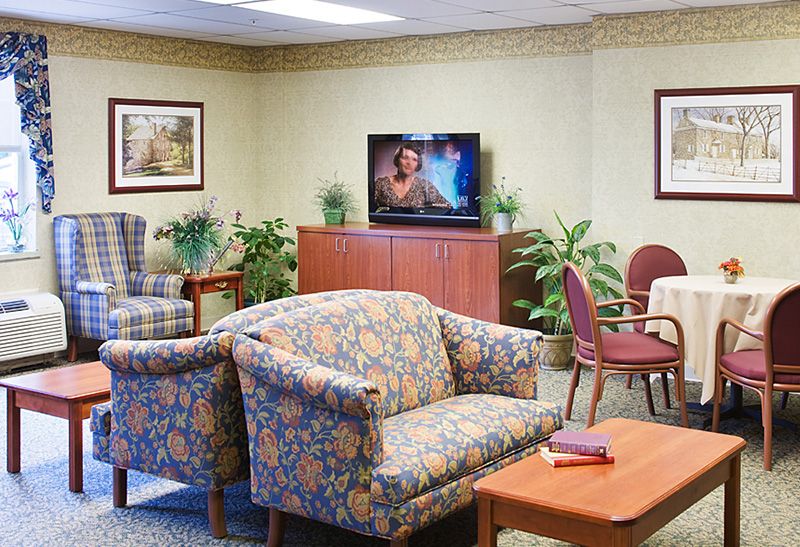
Decor, Living Room, Waiting Area, and Indoor Plants
Bedroom, Windows, and Bathroom
Dining
Building, Architecture, Parking, and Balcony
Television
Seating Area and Lobby
Exercise Equipment
Physical Therapy
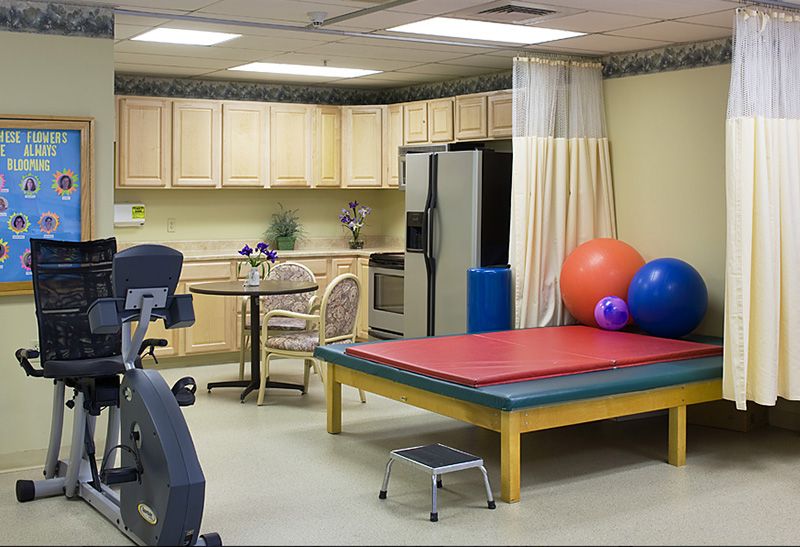
Therapy Room and Fitness Room
Get PricingAsk A QuestionSchedule A TourContact Senior Advisor
By clicking submit, you agree to our Partner's Terms of Use. You
also consent to receive calls and texts, which may be autodialed, from our Partner. Your consent is not a condition to
using our Partner's service. Please visit our Partner's Privacy Policy for information about their privacy practices.



 21 resident community capacity
 Skilled Nursing Facility
 Beauty salon
 Cable or satellite TV
 Dining room
 Fully furnished
 Garden
 Housekeeping services
 Kitchenette
 Move-in coordination
 Outdoor space
 Telephone
 Wi-Fi/high-speed internet available
 24-hour call system
 Activities of daily living assistance
 Assistance with bathing
 Assistance with dressing
 Assistance with transfers
 Diabetes diet
 Meal preparation and service
 Medication management
 Mental wellness program
 Special dietary restrictions
 Transportation arrangement (medical)
 Transportation to doctors appointments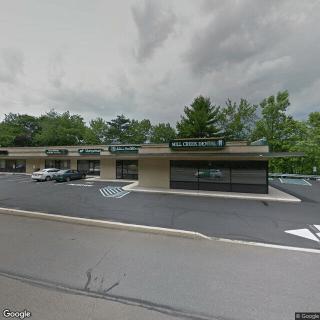
 Convenient location with nearby healthcare, parks, and amenities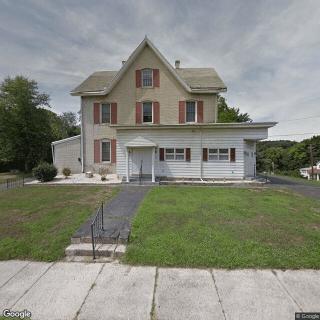

 Weight Training for Seniors: Building Strength and Vitality
 Understanding the Sandwich Generation: Stress and Responsibilities for Multigenerational Caregivers
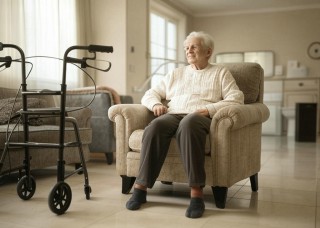 8 Essential Assistive Devices for Older Adults