

341 N Railroad St, Palmyra, PA 17078
To contact a resident: (717) 838-3011
For more information about senior living options: (866) 208-4318
Overall Review of The Gardens at Palmyra - Nursing and Rehab
Pros
 The lady in charge of Activities seems to be the only one who truly cares.
- The first shift CNAs try to provide proper care despite being overwhelmed and understaffed.
- The Activities leader is dedicated and cares about residents, even though her ability to help is limited.
Cons
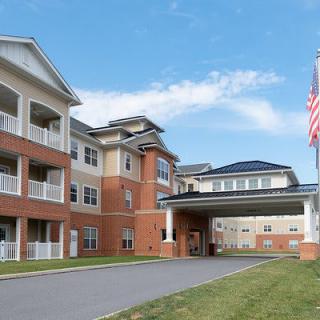
 The facility is described as absolutely disgusting and dirty, with poop on wipe containers, dirty diapers, pee stains, unflushed toilets, rotting wood around windows, mold, and debris, plus no hot water on many nights.
- The staff are overwhelmed and understaffed; first shift CNAs are too busy to provide proper care, the nurses in charge are rude and eat behind the desk, and management is clueless.
- The second shift is a complete joke; CNAs, LPNs, and charge nurses spend unlimited time on smoke breaks, on their phones, and screwing off, often being loud when residents try to sleep.
- The facility passes inspection but seems to be ignored by the state; there is a strong implication to avoid placing a loved one there and to check on them frequently if you must use it.
- All staff are described as unresponsive to a patient’s needs; call buttons are ignored, staff respond with inconvenience or attitude, and there are delays and miscommunications about dinner, rehab, and care.
- Specific care failures include no walker during rehab, beds without rails, bandages removed and not re-wrapped, no apology for errors, and no apparent oversight or care protocol.
Review
The Gardens at Palmyra is best suited for families that can provide intensive, ongoing oversight because the current operation hinges on monitoring rather than dependable, consistent care. For seniors who require post‑operative rehab, steady nursing attention, or a clean, well‑run environment, this community typically falls short. The pattern described by multiple reviewers is one of overwhelmed staff, limited supervision, and a care experience that depends on a single employee who genuinely cares but cannot offset systemic deficiencies. In practice, the facility functions more as a holding space than as a trusted partner for recovery or long‑term wellbeing.
Those weighing alternatives should consider facilities that prioritize reliable staffing, prompt call‑button responses, and demonstrable attention to cleanliness and resident safety. Families seeking strong rehab support, predictable meal timing, and respectful, professional communication will find better options elsewhere. Residents who rely on consistent assistance with mobility, wound care, or daily activities should target communities with proven staffing ratios and documented oversight. The Gardens at Palmyra, based on these accounts, is not well positioned to meet those expectations.
The pros in this case are sparse and insufficient to offset the dominant cons. What appears to pass for a benefit is the presence of an activities lead who truly seems to care; however, that commitment is limited by overall workflow, staffing shortages, and a culture that allows lapses to persist. The overwhelming issues, the first and second shifts being described as disengaged or unresponsive, rude nursing leadership, and a routine neglect of basic hygiene and safety standards, far outweigh any small gestures of concern. The one caregiver who shows initiative cannot compensate for chronic under-staffing, unaddressed cleanliness problems, and a lack of coherent care protocols.
Families should methodically verify several critical factors if considering this community despite red flags. During visits, observe daytime and evening staffing levels and note how swiftly call buttons are answered. Inspect rooms for cleanliness, the presence of fresh linens, functioning toilets, and evidence of timely waste management. Ask pointed questions about rehab services (walker provision, therapy schedules, progress tracking) and about safety features (bed rails, non-slip flooring, and fall-prevention measures). Inquire about water quality and utility reliability, as interruptions and sanitation lapses were highlighted. Request transparent reports of recent state inspections and how deficiencies were addressed.
Given the ratings and the narratives provided, it is prudent to compare this campus with other nearby options that demonstrate consistent staffing, clean facilities, and responsive care. Look for facilities with clear walk-throughs of daily routines, visible supervisor presence, and documented quality improvement plans. Seek references from families with similar care needs and verify that the community can meet specific rehab goals, mobility assistance, and medication management without compromising safety or dignity. The decision should hinge on whether a facility can deliver reliable care every day, not just on a best-effort basis.
In short, The Gardens at Palmyra should be avoided for families seeking dependable post-acute rehab or ongoing, attentive care. If no alternative exists, proceed with a stringent oversight plan: establish daily check-ins, insist on detailed care plans with measurable milestones, and insist on immediate escalation protocols for any missed meals, failed call responses, or hygiene concerns. Otherwise, explore other communities that demonstrate sturdier staffing, cleaner environments, and a proven track record of compassionate, professional care. The priority remains safeguarding the resident’s health, safety, and dignity, and that requires a facility with proven, reliable operations rather than hopes pinned on scattered goodwill.
 Skilled Nursing Facility
 Activities on-site
 Devotional services off-site
 Indoor common areas
 Harrisburg International (12 miles away)
 Ambulatory care
 Diabetic care
 High acuity care
 Meals provided




 Comprehensive Guide to Blood Pressure Charts for Older Adults: Understanding Normal and High Readings by Age
 Financing Long-Term Nursing Home Care Through Social Security: A Thorough Exploration
 Essential Knowledge on Pneumonia in Older Adults