Overall Review of Walnut Creek Healthcare And Rehabilitation Center
common48 reviews mention this
Staff kindness is a recurring theme
Residents and visitors repeatedly describe staff as kind and attentive.
Across reviews, people consistently mention friendly, compassionate, and caring staff—from the front desk to the nurses and aides on the floor. Several reviewers say staff took the time to explain care, answer questions, and help ensure residents’ needs were met in a timely way. A few negative reviews do raise concerns about staff behavior and responsiveness, but even then the theme is still about how people treat residents and families.
common22 reviews mention this
Cleanliness shows up often
Many reviews highlight the facility’s cleanliness and upkeep.
A noticeable number of reviewers say the building is very clean, well maintained, or even spotless, including rooms and common areas. Some reviews also describe the environment as orderly and quiet. A smaller set of comments point to concerns like odors in the lobby/hallway or specific maintenance issues in a resident’s bathroom, which suggests cleanliness experiences can vary by area.
differentiator15 reviews mention this
Care support during rehab stands out
Residents describe attentive rehab support during their stay.
Several reviews focus on rehab and recovery experiences, saying loved ones were well taken care of and staff communicated clearly about what was happening. People also mention staff patience and helpfulness when concerns came up, along with support that helped families feel reassured. While most feedback is positive, a couple of reviews criticize the level of staffing or the information available about a resident’s needs.
caveat5 reviews mention this
Meals and diets draw mixed feedback
Food quality and diet accuracy receive mixed comments.
Some reviews describe meals as acceptable or note concern about diet choices, including diabetes-related food issues. Others specifically call out “horrible meals” or limited menu options, which is a clear negative thread. On the positive side, at least one reviewer mentions being satisfied with the dinner selection, but overall the dining feedback is not consistently strong.
caveat4 reviews mention this
Communication can be hard at times
A few reviewers report difficulty getting answers quickly.
A couple of reviews mention not being able to reach someone by phone promptly, even when checking in on a loved one. Other criticism centers on getting timely explanations or having management hard to get ahold of when care changes were needed. These complaints contrast with several positive notes about staff being polite and straightforward when information was requested.
How we summarize
Counts show how many written reviews mention each theme; a review can touch several themes, and only frequently mentioned themes are displayed.
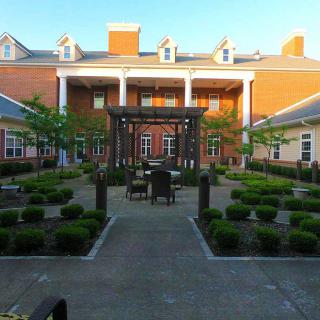
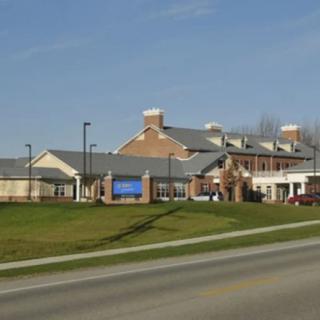
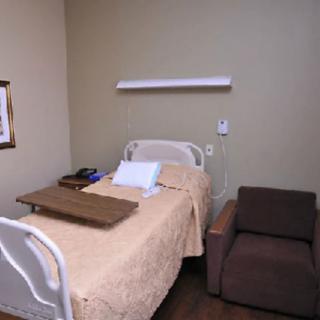
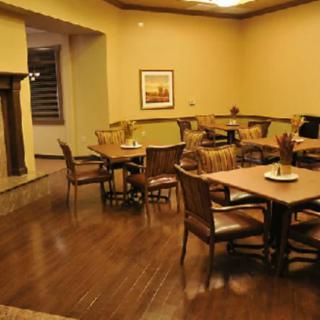
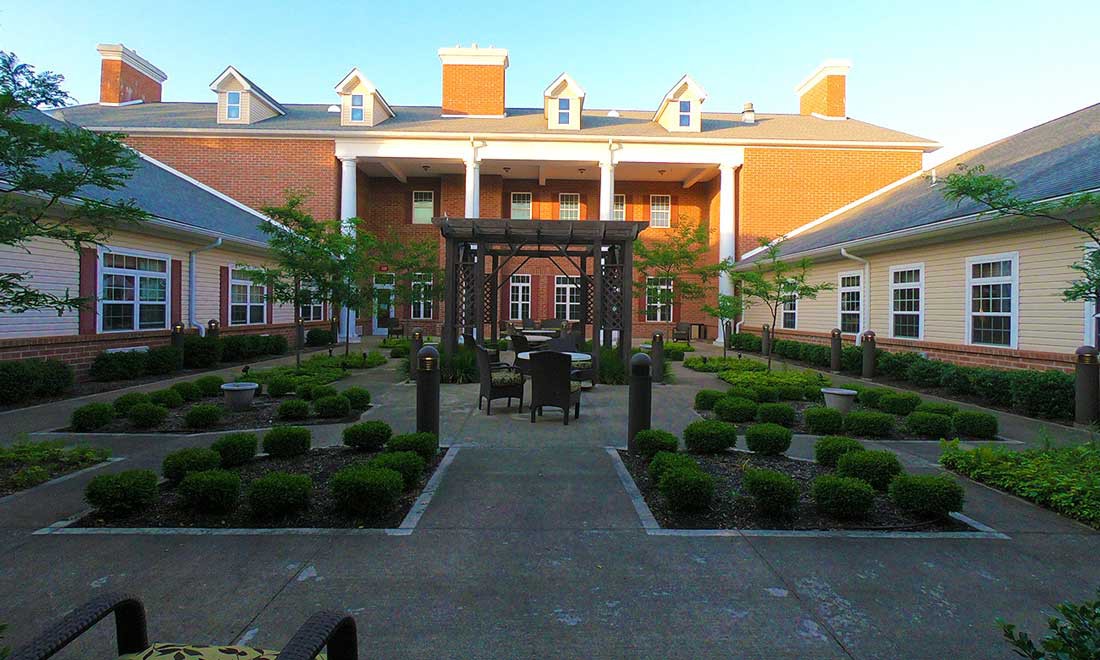
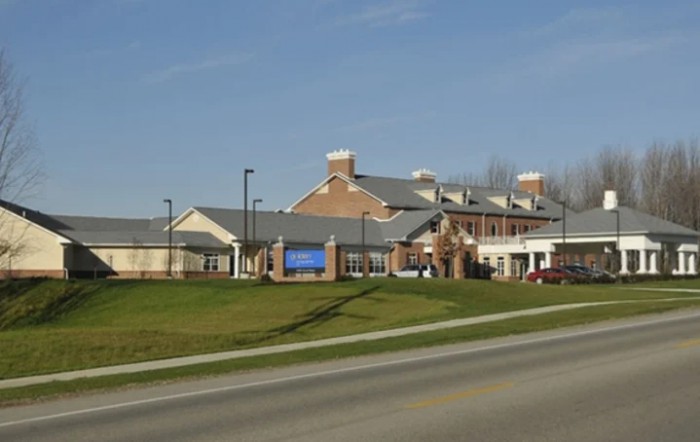
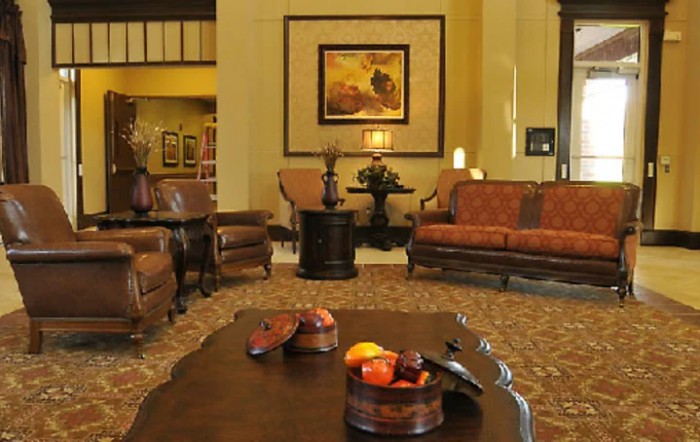
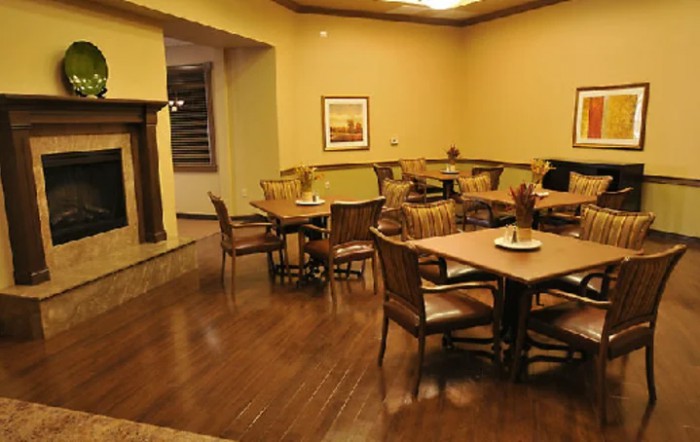
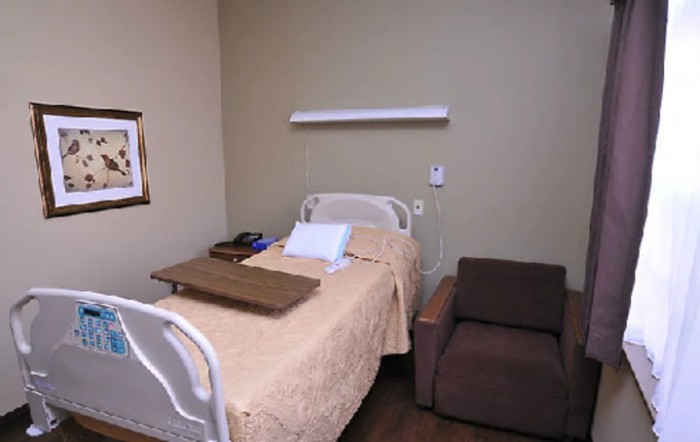
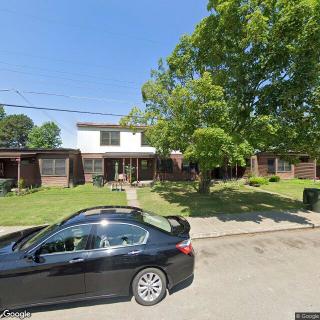
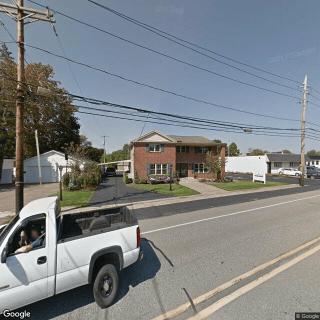
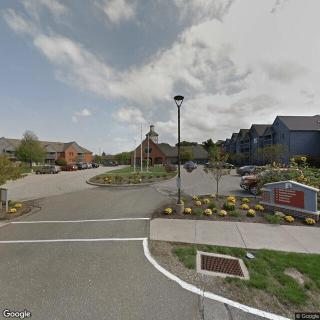
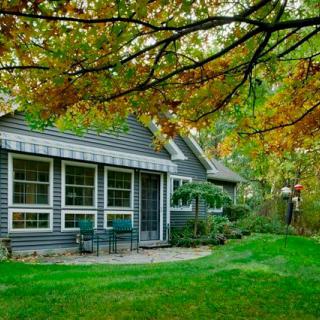
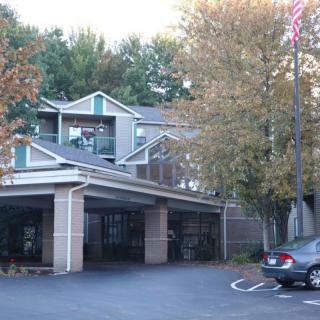
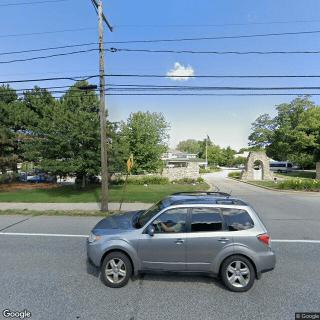
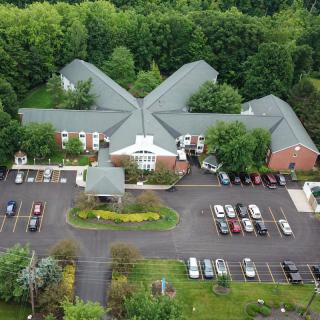
Walnut Creek Healthcare And Rehabilitation Center on seniors.fyi includes 5 photos including images showing interior, dining, building, architecture, living room, decor, artwork, seating area, and more.
Nearby Communities
Holiday Niagara Village
Erie, PA
4.5 from 108 reviews
$2,039 to $3,795 / month
Warm, welcoming community with caring staff, good meals, and an active resident life.
Lecom At Presque Isle
Erie, PA
2.5 from 33 reviews
Dedicated staff and engaging resident activities.
Erie Heights
Erie, PA
Personalized care with on-site activities and diabetic care.
Home Instead - Erie, PA
Erie, PA
4.6 from 33 reviews
Compassionate, well-trained caregivers with responsive, friendly office staff.
Springhill Senior Living Comm
Erie, PA
4.6 from 59 reviews
Multiple care levels (Independent Living, Memory Care, Skilled Nursing) with specialized care and engaging activities.
Springhill Senior Living Community
Erie, PA
4.6 from 68 reviews
Extensive on-site amenities and a continuum of care that supports staying in one community as needs change.
Parkside at Westminster
Erie, PA
4.6 from 39 reviews
$1,460 to $1,660 / month
Helpful, accommodating staff; pleasant, spacious apartments; and a wide range of on-site activities.
Westlake Woods
Erie, PA
3.9 from 53 reviews
Friendly, attentive staff in a clean, well-decorated setting.
Nursing home care costs in the U.S. vary significantly based on location, level of care, and amenities, with private room prices ranging from approximately $6,700 to over $30,000 monthly. Families need to explore various payment options and conduct thorough research to manage these expenses effectively.
Nonmedical home care provides assistance with daily activities and companionship for individuals wishing to maintain independence and quality of life at home, without medical intervention. Its growing popularity is driven by an aging population, the need for supportive environments for recovery, and the emotional benefits of caregiver companionship, while costs vary based on service frequency and location.
Maintaining cognitive fitness through engaging in various brain games, both traditional and digital, is crucial for seniors as it enhances memory retention, problem-solving abilities, and emotional well-being while helping to protect against age-related decline. A holistic approach that includes diverse activities, physical exercise, a balanced diet, and social interaction further supports mental health and cognitive function.
Walnut Creek Healthcare And Rehabilitation Center photos
×
Interior
Building
Architecture
Bedroom
Dining
Interior
Decor, Living Room, Artwork, and Seating Area
Bedroom and Healthcare
Dining
Landscaping, Garden, Outdoor, and Courtyard
Building and Architecture
Grass, Road, and Brick Building
Get PricingAsk A QuestionSchedule A TourContact Senior Advisor
By clicking submit, you agree to our Partner's Terms of Use. You
also consent to receive calls and texts, which may be autodialed, from our Partner. Your consent is not a condition to
using our Partner's service. Please visit our Partner's Privacy Policy for information about their privacy practices.


 115 resident community capacity
 Skilled Nursing Facility
 Air-conditioning
 Beauty salon
 Cable or satellite TV
 Computer center
 Dining room
 Fitness room
 Fully furnished
 Gaming room
 Garden
 Housekeeping services
 Kitchenette
 Move-in coordination
 Outdoor space
 Private bathrooms
 Restaurant-style dining
 Small library
 Telephone
 Wellness center
 Wi-Fi/high-speed internet available
 Erie International (3 miles away)
 Community operated transportation
 12-16 hour nursing
 24-hour call system
 Activities of daily living assistance
 Assistance with bathing
 Assistance with dressing
 Assistance with transfers
 Diabetes diet
 Medication management
 Mental wellness program
 Special dietary restrictions
 Concierge services
 Planned day trips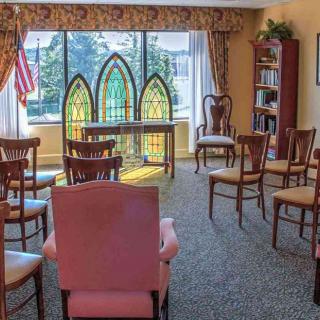
 Warm, welcoming community with caring staff, good meals, and an active resident life.
 A Detailed Examination of Nursing Home Costs Across the U.S.
 Exploring Nonmedical Home Care: Understanding Services, Costs, and Financial Approaches
 Engaging Brain Games and Innovative Apps to Keep Senior Minds Active