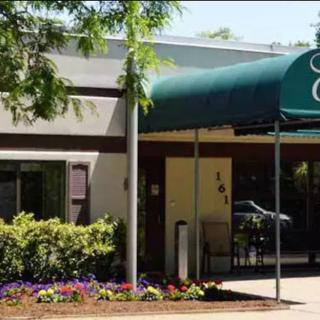
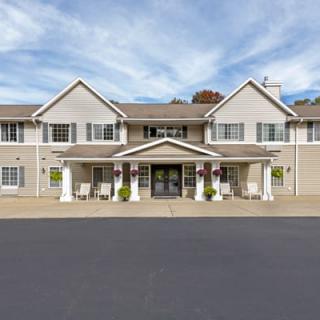
50 Lang Maid Lane, Bradford, PA 16701
For more information about senior living options: (866) 208-4318
Overall Review of Bradford Manor
Pros
 The staff at Bradford Manor are passionate and caring about what they do and the people they serve.
- The Bradford Manor community is lucky to have such a wonderful group of staff.
- The staff and administration at Bradford Manor are amazing, treating residents with respect and dignity.
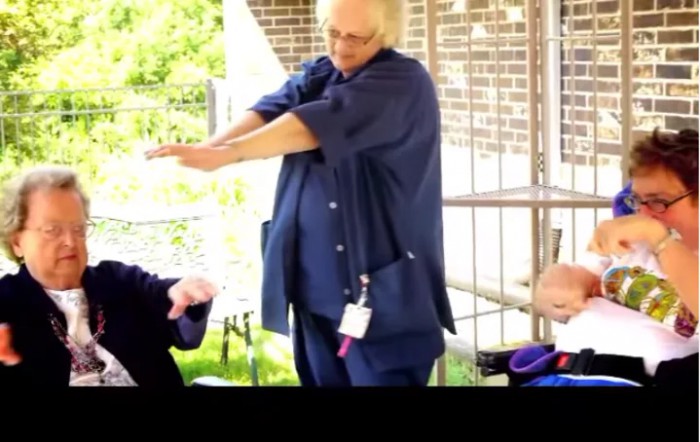
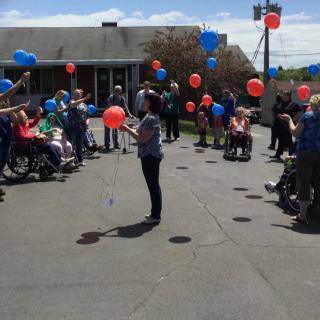
- Visitors love Bradford Manor, noting the people are awesome and there are fun activities.
- Bradford Manor is described as a wonderful place with friendly, well-trained nursing aides and plenty of daily activities.
Cons
 The administration doesn't seem to care about residents, and the facility is severely understaffed.
- The environment is very bad for the elderly, given the small number of staff.
- They promise a lot but deliver nothing, and the patient-to-nurse ratio is far from adequate.
- The facility struggles to keep staff and does not treat patients with dignity or respect.
- Care during a three-day stay was horrible, with nurses yelling at residents and bedridden patients not being rotated to prevent bedsores.
- Nurses lied on paperwork about care plans and communication with families.
- Aides yelled at a resident's family member for minor items and complained without justification.
Review
Bradford Manor is best suited for families seeking a lively, activity-rich environment where staff interactions feel personal and approachable. It works well for residents who value daily programming, social engagement, and a warm, homey atmosphere. The facility can deliver meaningful moments when the team is present, and when care is well-coordinated, residents benefit from a friendly culture that stresses dignity and friendly service. This is not a place to passively choose; it rewards proactive involvement from families who want to stay plugged into routines, care plans, and the day-to-day cadence of the community.
That said, serious consideration should be given to those who require consistently high staffing levels and unwavering, uniform care across all shifts. Alternatives are worth exploring for families that cannot tolerate noticeable turnover, gaps in basic needs, or inconsistent treatment from staff. Residents with significant mobility challenges, high medical needs, or cognitive impairments that demand steady supervision may be better served by communities where nurse-to-resident ratios are reliably maintained and where care plans are executed with regularity. In short, Bradford Manor can shine in the right hands, but it is not the best fit for those prioritizing flawless consistency above all else.
The strongest positives center on front-line engagement: aides, therapists, and activity staff who genuinely connect with residents, create a sense of belonging, and drive a robust activity calendar. When staffing is sufficient, residents report attentive, respectful treatment, and the facility earns praise for its friendly atmosphere and the dedication of those who work there. The food and programming are frequently cited as credible strengths, with activities that provide routine opportunities for participation and social interaction. This goodwill is meaningful because it demonstrates that, underneath the staffing volatility, Bradford Manor can be a humane, caring home.
The most troubling gaps, however, revolve around staffing instability and the resulting impact on care. Reviews repeatedly flag an understaffed environment and high patient-to-nurse ratios, with concrete concerns about basic needs being overlooked. Instances described range from care plans not being followed or communicated clearly to times when residents lack hydration or assistance with daily activities. Reports of staff frustration and inconsistent behavior toward residents underscore a fragility in the culture that can erode trust. Even when care teams are capable, the variability in staffing levels can amplify risk and undermine continuity of care across days and shifts.
These dynamics matter because they directly affect outcomes. The best-case scenario at Bradford Manor is a cohesive, well-supported team that knows residents, follows through on care plans, and maintains a predictable rhythm of assistance and monitoring. The worst-case scenario exists when staffing shortfalls collide with high census or administrative pressures, producing moments of neglect or hurried care that leave families anxious and residents underserved. Prospective residents should weigh the visible warmth and activity offerings against the recurring concerns about consistency and staff turnover, and should probe carefully during tours about how the facility handles peak times and documentation.
In practical terms, families evaluating Bradford Manor should demand transparency around staffing and care processes before committing. Request recent staffing ratios by shift, ask for examples of care plans and how families are informed of changes, and observe interactions during busy periods to gauge whether residents receive timely assistance. In parallel, review the activity calendar and common areas to confirm that programming remains vibrant and inclusive, not merely decorative. If a resident thrives on social engagement and can tolerate some day-to-day variability with vigilant family oversight, Bradford Manor can be a workable home. For those who require consistently steady care, strong prescriptive routines, and uniformly respectful treatment across every shift, alternatives should be explored with a clear comparison of staffing models, outcomes, and caregiver accountability. The decision should hinge on whether the daily warmth and activity level at Bradford Manor can be sustained by reliable staffing and governance, and whether that balance aligns with the resident’s specific care needs and the family’s capacity for ongoing involvement.
 115 resident community capacity
 Skilled Nursing Facility
 Air-conditioning
 Beauty salon
 Cable or satellite TV
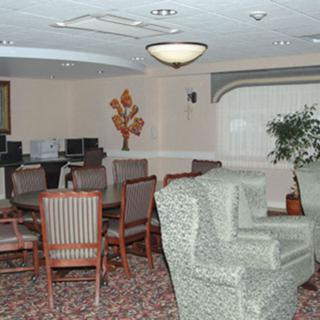
 Computer center
 Dining room
 Fitness room
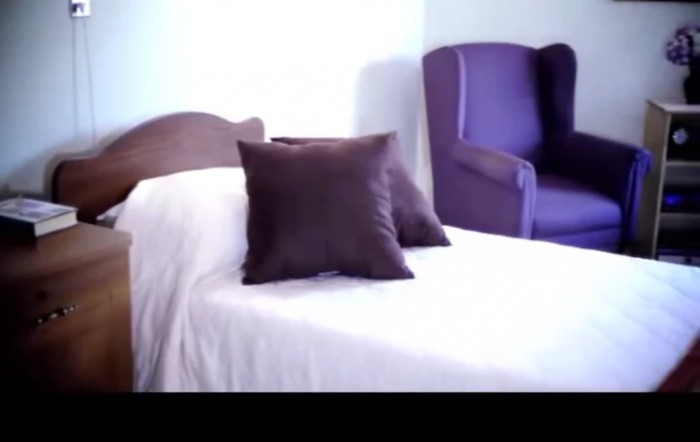
 Fully furnished
 Gaming room
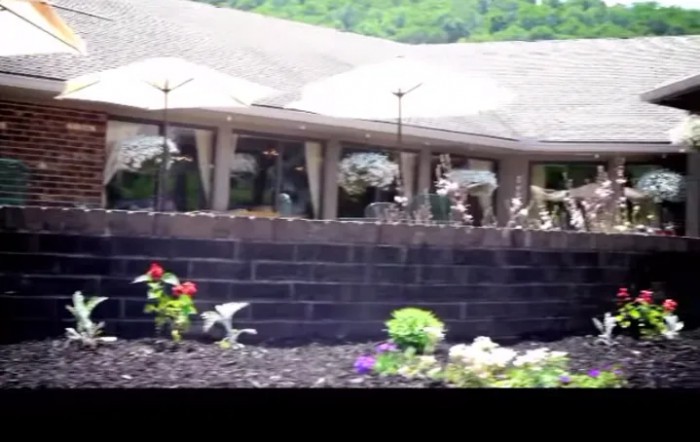
 Garden
 Housekeeping services
 Kitchenette
 Move-in coordination
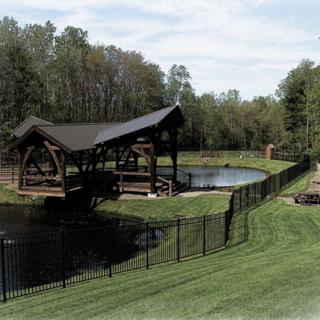
 Outdoor space
 Private bathrooms
 Restaurant-style dining
 Small library
 Telephone
 Wellness center
 Wi-Fi/high-speed internet available
 Community operated transportation
 12-16 hour nursing
 24-hour call system
 Activities of daily living assistance
 Assistance with bathing
 Assistance with dressing
 Assistance with transfers
 Diabetes diet
 Medication management
 Mental wellness program
 Special dietary restrictions
 Concierge services
 Planned day trips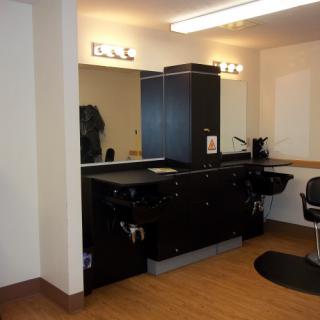


 Skilled Nursing Facilities vs. Nursing Homes: Making Sense of the Differences
 A Detailed Examination of Nursing Home Costs Across the U.S.
 Exploring Nonmedical Home Care: Understanding Services, Costs, and Financial Approaches