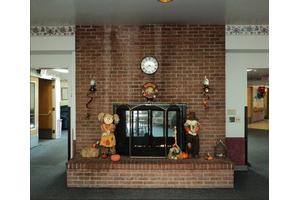
151 Goodview Dr, Apollo, PA 15613
To contact a resident: (724) 727-3451
For more information about senior living options: (866) 208-4318
Overall Review of West Haven Nursing Home
Pros
 The dementia unit staff were absolutely amazing to her, keeping her well cared for and her room always clean.
- They sat with her on difficult days, held her, and cried with the family, showing deep compassion.
- The staff are described as great, exemplifying how nursing and skilled care should be.
- The family expressed gratitude for the care provided by everyone there.
- The meals were great, contributing to a positive experience of care.
Cons
 A staff member stole her grandmother's flat-screen TV and rings, including her first wedding band and her ex-husband's wedding ring.
- The staff are thieves, and people are advised not to take their loved ones there.
- The facility has gone downhill since ownership and management changes.
- A staff member who called to inform the family of a death was rude and abruptly ended the call.
- The care team failed to treat bed sores, leading to a massive infection.
- Woodhaven is described as the dirtiest place ever, with rude and inattentive caregivers, and it should be reported and closed down.
- There is persistent understaffing, with aides responsible for as many as 14 patients.
Review
West Haven Nursing Home in Apollo, PA is best suited for families seeking a dementia-care environment where staff are described as genuinely compassionate and present with residents who have fluctuating days. The dementia unit in particular is cited as a place where aides and nurses can be attentive, patient, and emotionally engaged, offering a level of personal connection that some families appreciate when navigating memory-care challenges. This should be a primary factor for those considering placement, especially if the loved one would benefit from a wing that prioritizes warmth and visible caregiving in tough moments.
Yet the picture across multiple experiences is difficult to square. A substantial portion of reviews allege serious failings: theft of personal belongings by staff, including valuables like a flat-screen TV and wedding rings, which casts a long shadow over trust in the environment. Communications surrounding a loved one’s death are described as rude or curt, with heartbreaking moments where family members felt dismissed during a highly sensitive time. There are grim assertions that infections and bed sores were not adequately managed, supported by autopsy claims, and overall cleanliness is repeatedly called into question. These threads create a troubling sense of risk for families prioritizing safety and respect in daily care.
The most pointed counterweight to the negatives is the consistent praise for dementia-unit care when it functions at its best. In those stories, caregivers are described as going the extra mile, sitting with a resident who is having a bad day, offering tears and support, and keeping rooms clean and respectful. One review even esteems the dementia team as an exemplar of what skilled care should look like, suggesting that with the right leadership and staffing, the unit can deliver meaningful comfort and stability. This duality, exceptional moments within the dementia wing versus broad concerns in general, drives the critical question of where risk ends and value begins.
A structural pattern emerges from the reviews: chronic understaffing and limited resources undermine overall quality. Claimed ratios are extreme, with aides said to be responsible for as many as 14 residents, a pace that makes individualized assistance, especially feeding and mobility support, problematic. Rooms described as small doubles with ongoing remodeling needs reinforce a sense of facility inertia, where dated infrastructure and limited space compound staffing pressures. The contrast between a hopeful dementia experience and a compromised general environment highlights a core risk for families with loved ones who require reliable, comprehensive daily support.
Because of these dynamics, alternatives should be seriously considered for anyone prioritizing consistent safety, cleanliness, and dependable staffing. If a prospective resident’s needs extend beyond well-intentioned interactions from a subset of staff, West Haven may introduce unacceptable variability. Families with a history of sensitivity to miscommunication, theft concerns, or infection-control lapses may find more secure options elsewhere, even if a dementia unit promises rare moments of standout care.
For those proceeding with West Haven, a pragmatic, action-oriented approach is essential. Conduct a structured tour with administration focused on staffing levels, turnover, and the daily care plan for residents with dementia versus those needing rehabilitation and long-term medical oversight. Request the facility’s recent inspection reports and incident logs, and speak with multiple families currently navigating care to understand recurring themes. Insist on clear, written expectations about medication administration, wound care, feeding assistance, and personal belongings security. If choosing to place a loved one here, earmark a position within the dementia unit and insist on consistent caregiver assignment, open channels for regular updates, and a trusted point of contact for urgent concerns. The decision hinges on whether the dementia-focused strengths can be leveraged reliably while the broader service gaps are effectively addressed.
 Skilled Nursing Facility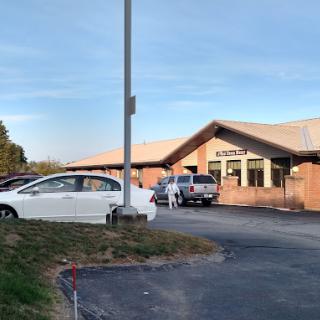




 Managing Nursing Home Expenses After Medicare Coverage Ends
 Is a Geriatric Care Manager the Right Choice for Your Family?
 Compassionate Conversations: How to Comfort Someone Who Is Grieving