For more information about senior living options: (866) 208-4318
3.4 from 65 reviews
5 stars
27
4 stars
10
3 stars
6
2 stars
3
1 stars
19
Overall Review of Salem Transitional Care
differentiator10 reviews mention this
Rehab and therapy stand out
Physical and occupational therapy are a major focus for short-term recovery.
Many residents and families describe getting daily or frequent PT and OT as part of the transitional rehab experience. Several mention the therapy helped with mobility and recovery progress, including periods when walking was very limited and improved over time. A few reviews also frame therapy as the best part of the day and highlight knowledgeable, hands-on therapists working alongside nursing staff.
caveat8 reviews mention this
Staffing and call response concerns
Some families report delays and limited staffing when they need help.
A recurring concern is that getting assistance can take too long, including long waits for nurses to answer call lights and phone calls. Multiple reviews describe periods of being short-staffed, including needing to wait hours for check-ins or water. Some residents also report being short on staff specifically for responding to call lights, and at least one family says phones were hard to reach when they needed updates.
common21 reviews mention this
Caregivers feel genuinely caring
Residents and families frequently describe staff as kind, attentive, and professional.
Across many reviews, families praise the day-to-day bedside manner—especially nurses, therapists, and aides described as patient, respectful, and attentive. Several mention that staff encouraged recovery and communicated with family members, which helped reduce stress during stays. Even when criticisms appear in other reviews, many still point to particular caregivers or teams as delivering compassionate support.
common6 reviews mention this
Clean facility and newer feel
Residents commonly mention cleanliness and a newer facility feel.
Several reviews describe the building as clean and well kept, with room cleaning and a generally maintained look. A number of families also call out the facility as newer or up-to-date, describing it as suitable for recovery and visits. Where concerns are raised in other reviews, cleanliness is sometimes cited as a limited positive or baseline improvement.
common9 reviews mention this
Dining is often praised, with diet notes
Dining quality is a frequent highlight, with some diet-specific complaints.
Many reviews say the meals were good, ample, and served on time, with a few mentioning variety or desserts. Some residents also describe eating well while in rehab, and families connect food quality to overall comfort. At least a couple of reviews point out challenges for specific dietary needs, including diabetic food being handled as a general meal rather than consistently matched to the diet described.
How we summarize
Counts show how many written reviews mention each theme; a review can touch several themes, and only frequently mentioned themes are displayed.
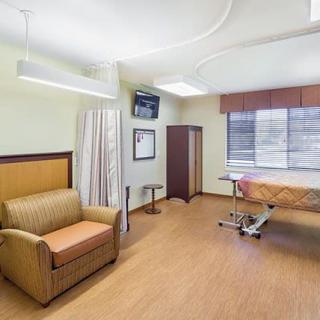
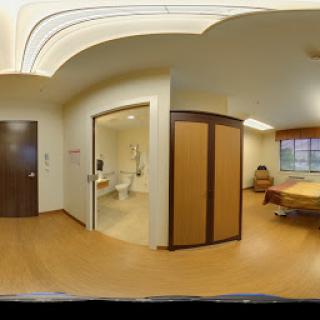
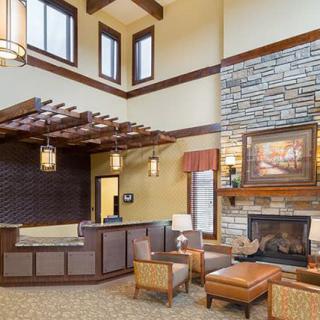
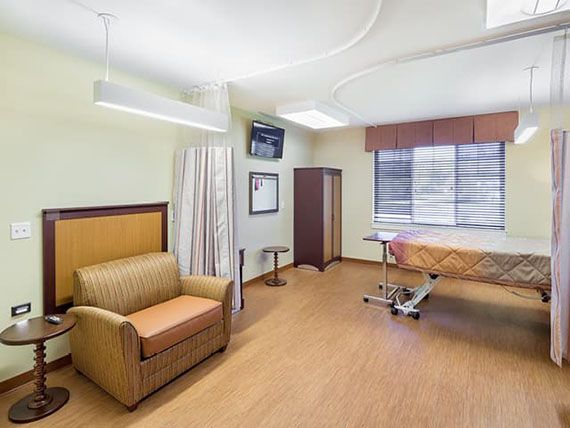
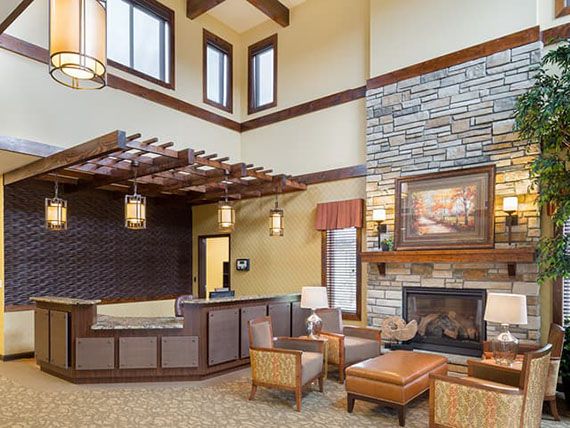
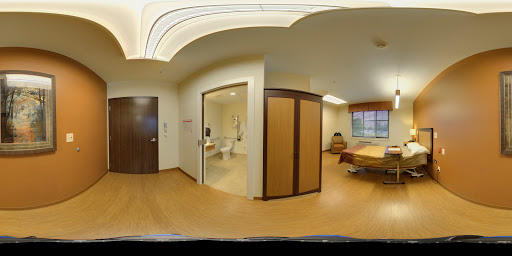
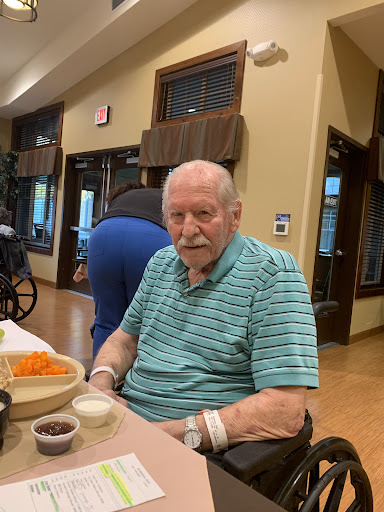
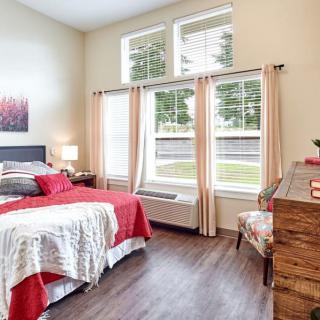
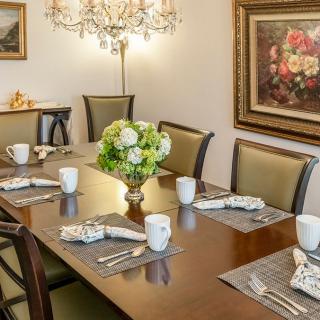
Salem Transitional Care on seniors.fyi includes 6 photos including images showing interior, dining, bedroom, healthcare, lighting, oven, lobby, reception area, and more.
Nearby Communities
Bonaventure of Salem
Salem, OR
3.8 from 126 reviews
$3,550 to $6,240 / month
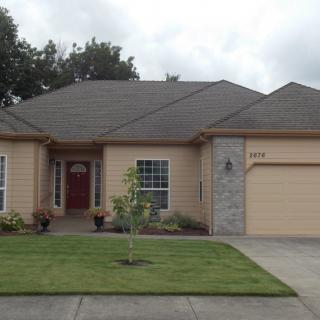
Compassionate memory care staff and updated apartments.
Boone Ridge Senior Living Community
Salem, OR
3.9 from 57 reviews
Spacious, clean rooms with friendly staff and solid dining options.
Felicity Haven Adult Foster Home
Salem, OR
4.8 from 11 reviews
$3,800 to $4,000 / month
Quality, fresh meals and compassionate, family-oriented care with strong communication.
Vintage Care Home
Salem, OR
4 from 22 reviews
$3,000 to $3,500 / month
Caring, attentive staff that led to strong family satisfaction.
Premier Care Homes
Salem, OR
4 from 12 reviews
$6,000 / month
Compassionate staff, clean environment, and observed health improvements.
Springsong Elder Care
Salem, OR
4.6 from 5 reviews
Tranquil setting with extensive nearby amenities and healthcare.
Battle Creek Memory Care
Salem, OR
4.5 from 37 reviews
$5,450 to $7,850 / month
Compassionate, attentive staff and engaging activities.
Meadow Creek Village Assisted Living
Salem, OR
3.7 from 24 reviews
Caring staff, clean facilities, accessible transportation, and engaging activities in a smaller community.
Holiday Hidden Lakes
Salem, OR
4.2 from 176 reviews
$2,469 to $4,029 / month
Friendly, helpful staff with pleasant grounds and varied activities.
The guide on blood pressure charts for older adults stresses the importance of understanding normal and high blood pressure readings influenced by age, genetics, and lifestyle, while emphasizing regular monitoring and lifestyle modifications to prevent serious health issues. It provides insights into blood pressure categories, dietary recommendations, medication considerations, and the role of caregivers in supporting healthy habits.
The article explores the complexities of using Social Security to finance long-term nursing home care in the U.S., detailing eligibility requirements and misconceptions, while emphasizing that these benefits often do not cover full costs and highlighting the need for strategic financial planning and professional guidance.
Pneumonia significantly affects older adults due to weakened immune systems and atypical symptoms that complicate diagnosis, necessitating early detection and tailored treatment. Risk factors include chronic diseases and cognitive impairments, with preventive measures like vaccinations and healthy lifestyles being crucial for reducing risk.
Fireplace, Lobby, Seating, Reception Area, and High Ceiling
Oven
Additional Photos
Get PricingAsk A QuestionSchedule A TourContact Senior Advisor
By clicking submit, you agree to our Partner's Terms of Use. You
also consent to receive calls and texts, which may be autodialed, from our Partner. Your consent is not a condition to
using our Partner's service. Please visit our Partner's Privacy Policy for information about their privacy practices.



 80 resident community capacity
 Skilled Nursing Facility
 Air-conditioning
 Beauty salon
 Cable or satellite TV
 Computer center
 Dining room
 Fitness room
 Fully furnished
 Gaming room
 Garden
 Housekeeping services
 Kitchenette
 Move-in coordination
 Outdoor space
 Private bathrooms
 Restaurant-style dining
 Small library
 Telephone
 Wellness center
 Wi-Fi/high-speed internet available
 Community operated transportation
 12-16 hour nursing
 24-hour call system
 Activities of daily living assistance
 Assistance with bathing
 Assistance with dressing
 Assistance with transfers
 Diabetes diet
 Medication management
 Mental wellness program
 Special dietary restrictions
 Concierge services
 Planned day trips
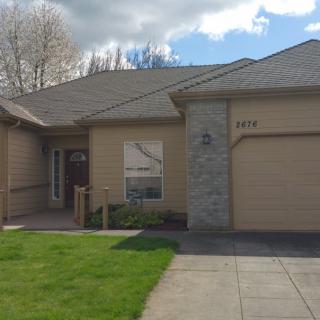
 Compassionate memory care staff and updated apartments.

 Comprehensive Guide to Blood Pressure Charts for Older Adults: Understanding Normal and High Readings by Age
 Financing Long-Term Nursing Home Care Through Social Security: A Thorough Exploration
 Essential Knowledge on Pneumonia in Older Adults