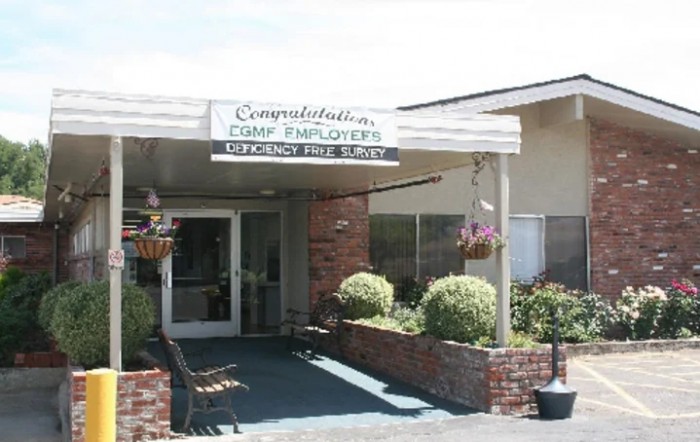
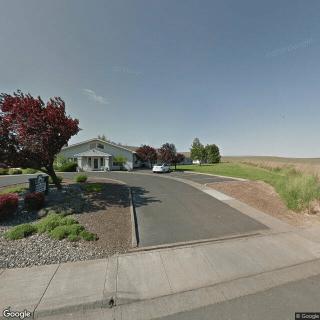
120 Elzora Street, Milton Freewater, OR 97862
For more information about senior living options: (866) 208-4318
Overall Review of Milton Freewater Health And Rehabilitation Center
Pros
 The mom says the staff are very kind and helpful.
- The food is good, with burgers being a favorite.
- The lead nurse is especially kind.
- The staff go above and beyond every day, and the place feels like a family.
- Grandma is back home and thriving.
- The reviewer would recommend this place to others and would give it five stars.
Cons
 The facility was understaffed and a resident was hurt needlessly.
- The executive director and the director of nursing allegedly tried to cover it up and are still employed.
- The nurses do not always answer calls or return messages.
- It is hard to reach the staff by phone and leave messages.
Review
Milton Freewater Health and Rehabilitation Center is best suited for families seeking a warm, relationship-driven environment where staff are repeatedly described as genuinely caring and devoted. This community seems most appropriate for residents who respond well to personal attention, enjoy a supportive social atmosphere, and value therapy-focused recovery with attentive nursing and dietary teams. For families prioritizing a home-like vibe, visible compassion, and daily interactions that feel less transactional, this facility often checks those boxes. It can be a solid fit for rehab stays where progress is tracked through consistent, hands-on caregiving and a sense of belonging that turns residents into part of a caring unit.
Those weighing alternatives should recognize that safety and reliability concerns are a meaningful part of the public record here. A minority of reviews allege understaffing and even a troubling leadership-related issue, including insinuations of a cover-up around a resident incident. Families with a low tolerance for perceived gaps in staffing coverage, or who require unwavering transparency and immediate, consistent responsiveness, may want to compare this center with other options. For anyone who places a premium on prompt call-backs, clear incident reporting, and tightly controlled safety practices, exploring other facilities might yield a more predictable experience.
The strongest positives center on the human elements: staff who are described as exceptionally caring across nursing, therapies, and dietary teams, and a culture that feels like a family rather than a routine workplace. Reviews consistently praise caregivers who go above and beyond, with one account emphasizing that the entire staff embodies the facility’s EmpRes mission in tangible, everyday ways. Families report that therapy services and daily interactions contribute to meaningful progress, reinforced by positive personal connections, from nurses to aides to the lead nurse who resonates with individual residents. When these relational strengths align, residents often thrive and families feel reassured about day-to-day care.
Therapeutic outcomes and family communication also appear as notable strengths. In multiple accounts, therapy visits are described as effective, with relatives being kept informed and questions addressed promptly. Positive experiences extend to daily life, quality meals, including items like burgers that residents enjoy, and a sense that residents are valued members of the community. The combination of compassionate staffing and active engagement from caregivers can translate into real-world improvements in mobility, mood, and independence, especially for those entering rehab or post-hospital recovery.
Yet the cons cannot be dismissed, and they do color what a family should expect. The most consequential risk is staffing adequacy, which can influence response times, consistency of care, and safety monitoring. When understaffing is cited, it raises legitimate questions about how emergencies are managed, how often residents are checked, and whether opportunities for individualized attention are consistently available. The reported leadership concerns, whether accurate or disputed, also cast a shadow on trust and oversight. Families should consider how these factors would affect their loved one’s daily routine, safety, and perceived accountability.
Given the mix of feedback, a practical decision approach is essential. If choosing this center, plan to conduct a thorough on-site assessment focused explicitly on staffing coverage, shift handoffs, and the leadership team’s accessibility. Request current staffing ratios by shift, and ask to review any recent incident logs or quality-of-care evaluations. Engage with the therapy team to understand goals, progress metrics, and how family updates are handled. Consider a short-stay rehab or trial period to observe responsiveness and culture firsthand before committing to longer-term placement. For families prioritizing pristine safety records and consistently seamless communication, a careful comparison with other local options will likely be worth the extra effort.
 70 resident community capacity
 Skilled Nursing Facility
 Air-conditioning
 Beauty salon
 Cable or satellite TV
 Computer center
 Dining room
 Fitness room
 Fully furnished
 Gaming room
 Garden
 Housekeeping services
 Kitchenette
 Move-in coordination
 Outdoor space
 Private bathrooms
 Restaurant-style dining
 Small library
 Telephone
 Wellness center
 Wi-Fi/high-speed internet available
 Community operated transportation
 12-16 hour nursing
 24-hour call system
 Activities of daily living assistance
 Assistance with bathing
 Assistance with dressing
 Assistance with transfers
 Diabetes diet
 Medication management
 Mental wellness program
 Special dietary restrictions
 Concierge services
 Planned day trips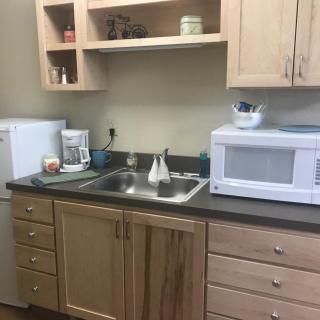




 Senior Move Management: Understanding the Role, Value, and Associated Costs
 Weight Training for Seniors: Building Strength and Vitality
 Understanding the Sandwich Generation: Stress and Responsibilities for Multigenerational Caregivers