

1525 Monmouth Street, Independence, OR 97351
For more information about senior living options: (866) 208-4318
Overall Review of Independence Health And Rehabilitation Center
Pros
 The staff goes above and beyond to provide for the residents.
- The therapists were friendly, professional, and knowledgeable, and some CNAs and nurses were very good and kind.
- The staff are very helpful; the facility is clean, and the food is nutritious and delicious.
- Tami and the staff did an amazing job with my mother, advocating for her health, mind, and spirit.
- The physical therapy is very good, with noticeable improvement in residents' mind and physical ability.
- The sister loves the consistent care, attention, and meals she receives.
- Dad's doing better every day.
Cons
 The patient waited about 75 minutes for help after pressing the call button, with no one answering.
- There was no security on staff.
- The staff was very unorganized, and the administration and CNAs were rude, treating residents like dirt.
- Pain medications were delayed, sometimes 1 to 2 hours late, and relief was not provided promptly.
- The room was often too hot or too cold, and a patient had to sit on the commode for an hour and a half after a bowel movement.
- A medication mix-up occurred, with five pills belonging to another resident found among the patient’s meds.
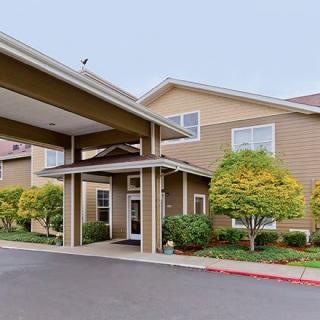
- The facility looked old and uncared for, with dark rooms, limited lighting, privacy issues, and poor food options.
Review
Independence Health and Rehabilitation Center in Independence is best suited for families pursuing short-term, goal-driven rehabilitation where a portion of the direct care team demonstrates genuine dedication, and where an active family or external advocate remains ready to monitor and intervene if gaps appear. The setting can deliver meaningful therapy and personal attention in the hands-on moments when the staff is engaged, but it is not a universal fit. Those who require consistently reliable pain management, meticulous medication safety, and seamless care coordination should look elsewhere or plan to add vigilant oversight. The community can work for a targeted rehab stay, provided expectations are aligned with the realities of staffing and administration.
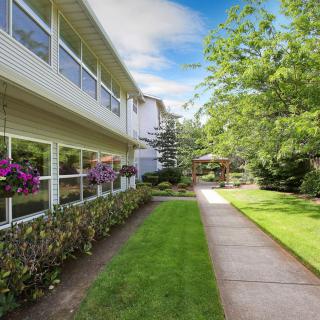
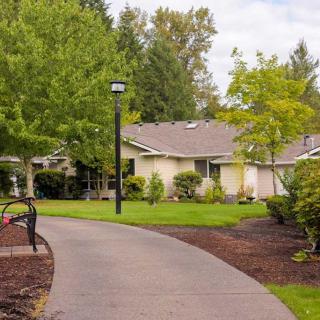
The strongest positives lie in the rehabilitation-focused elements that do surface when the team is operating smoothly. Therapists are described as friendly, professional, and knowledgeable, and some CNAs and nurses rise to provide capable, compassionate care. The facility is reported as clean and well kept in several accounts, with residents who benefit from attentive, hands-on rehab efforts able to make meaningful progress. Food quality appears variable but is praised in enough instances to matter for daily morale, and a subset of residents notes private or semi-private layouts that create a livable, if imperfect, personal space. Those elements can translate into real improvements when staff engagement aligns with a resident’s goals.
However, a cluster of persistent, high-impact drawbacks undermines the overall experience. Chronic delays in medications, sometimes hours late, combined with limited responsiveness to call buttons create a perception of neglect and risk, especially during painful or vulnerable moments. Reports of disorganized administration and poor communication regarding care plans recur, as do concerns about patient safety in the room environment, such as heat or cold fluctuations, inadequate lighting, and privacy limitations. Medication safety issues, including a documented incident where another resident’s prescriptions appeared in a patient’s chart, raise red flags about overall risk management. Taken together, these issues can eclipse the clinical gains from therapy if not proactively managed.
The pros can offset some concerns for residents who enter with clear rehabilitation goals and a strong, active support network on the outside. When therapy teams are consistent and encouraging, residents may experience real mobility gains and improved mood, often accompanied by competent nursing and supportive aides. Clean facilities and reliable meals contribute to day-to-day comfort and a sense of dignity that matters in recovery. In short, for a resident whose primary need is structured rehabilitation and who can tolerate or mitigate occasional administrative lapses, it remains a viable option worth pursuing with a disciplined care plan and close family oversight.
Alternatives should be seriously considered for anyone with outsized concerns about safety, coordination, or daily consistency. If medication timing, alarmed responses to calls, and dependable, transparent communication are non-negotiable, exploring other local options with stronger staffing ratios, formal care coordination processes, and robust incident reporting is prudent. Families may prefer facilities with uniformly positive reviews of administration and where the environment feels consistently calm, well-lit, and accessible to visitors. For long-term residency beyond the rehab phase, a setting with a proven track record in daily safety and resident advocacy will likely outperform this community.
Practical steps when evaluating Independence Health and Rehabilitation Center include requesting detailed, recent care plans, staffing schedules, and med-pass protocols; visiting at different times to observe response times and therapy sessions; speaking with multiple residents and families about ongoing communication with nurses and administrators; inspecting room lighting, climate control, and privacy measures; and asking for a tour of the rehab gym and therapy spaces to verify the intensity and goals of the program. A candid discussion about incident histories and follow-up processes can reveal whether the facility’s strengths align with the resident’s needs and whether the red flags can be reliably mitigated. In sum, this center offers meaningful rehabilitation potential for the right resident, provided there is rigorous oversight to manage the notable risks.
 80 resident community capacity
 Skilled Nursing Facility
 Air-conditioning
 Beauty salon
 Cable or satellite TV
 Computer center
 Dining room
 Fitness room
 Fully furnished
 Gaming room
 Garden
 Housekeeping services
 Kitchenette
 Move-in coordination
 Outdoor space
 Private bathrooms
 Restaurant-style dining
 Small library
 Telephone
 Wellness center
 Wi-Fi/high-speed internet available
 Community operated transportation
 12-16 hour nursing
 24-hour call system
 Activities of daily living assistance
 Assistance with bathing
 Assistance with dressing
 Assistance with transfers
 Diabetes diet
 Medication management
 Mental wellness program
 Special dietary restrictions
 Concierge services
 Planned day trips





 Compassionate Conversations: How to Comfort Someone Who Is Grieving
 Home Health Care Aides: Understanding Their Role and Supporting Your Family
 Urinary Tract Infections in Older Adults: Comprehensive Insights on Symptoms, Treatment, and Prevention