
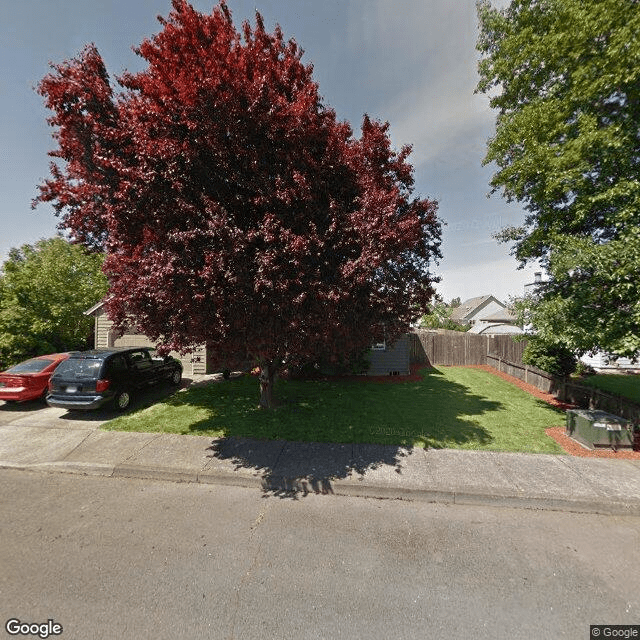
766 South 11th St, Independence, OR 97351
To contact a resident: (971) 239-4402
For more information about senior living options: (866) 208-4318
The Shepherd's Care Home II Costs & Pricing
The Shepherd's Care Home II offers competitive monthly rates that reflect a commitment to providing quality care in a welcoming environment. For semi-private rooms, the cost is $1,750, which is substantially lower than both the Polk County average of $2,457 and the state average of $4,457. Similarly, private rooms are priced at $2,700, aligning with Polk County rates but significantly more affordable than the Oregon state average of $3,424. These pricing structures make The Shepherd's Care Home II an attractive option for families seeking compassionate care without compromising on quality or financial resources.
| Floor plans | The Shepherd's Care Home II | Polk County | Oregon |
|---|---|---|---|
| Semi-Private | $1,750 | $2,457 | $4,457 |
| Private | $2,700 | $2,700 | $3,424 |
Senior living communities with a similar price nearby
-
from -$255 / mo

Emerald Pointe Senior Living Community
$1,495 to $2,350 / month14.9 miles away -
from +$245 / mo

Heron Point Senior Living- DUP
$1,995 to $2,795 / month1.5 miles away -
from -$80 / mo

Applewood Retirement
$1,670 to $2,210 / month12.1 miles away -
from +$300 / mo

Corvallis Caring Place
$2,050 to $2,300 / month19.2 miles away -
About the same
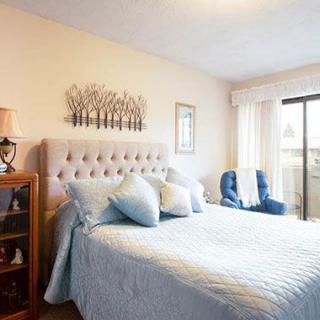
Avamere Court At Keizer
$1,784 to $3,000 / month13.6 miles away
Overall Review of The Shepherd's Care Home II
Pros
 The staff are caring and genuinely engage with both residents and their families.
- The home provides a welcoming, home-like environment that eases transitions for loved ones.
- The team consistently finds innovative ways to involve residents in activities, even as dementia progresses.
- The facility is impeccably clean, tidy, and well-staffed, reflecting their dedication.
- The owners are responsive, compassionate, and attentive to family questions.
- The care extends beyond medical needs to provide emotional support and companionship.
- Residents are treated like beloved family members in a clean, bright, welcoming setting with daily healthy meals.
Cons
 As anticipated, adapting to change proved to be quite challenging for my father.
Review
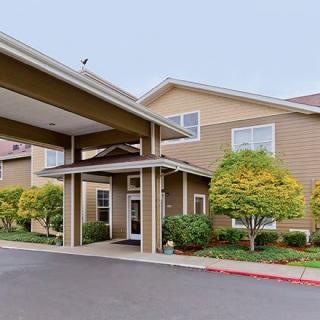
The Shepherd’s Care Home II in Independence, OR is best suited for families seeking a small, home-like senior residence where residents receive highly personalized, compassionate care. It shines for older adults who benefit from a warm, quiet, family-oriented atmosphere and for those with memory challenges who respond well to engaging activities and steady, meaningful interactions with staff. The care culture emphasizes attentiveness, cleanliness, and a genuine, nurturing approach, with owners who are consistently responsive to questions and concerns. This is the kind of setting where the daily routine feels familiar, predictable, and grounded in genuine relationships.
Those evaluating options for residents who require heavy medical oversight or a bustling, highly resourced campus may want to consider alternatives. A facility that operates at a larger scale with extensive on-site medical teams, rehabilitative suites, and broad social programming can be a better fit for individuals with complex clinical needs or who crave a wide array of on-demand services. For families prioritizing a hospital-like level of medical intensity, or for those expecting a full roster of specialized programs on-site, the Shepherd’s Care Home II may not be the optimal match.
The strongest positives are unmistakable: a small, homey environment with staff who treat residents like family; a visible commitment to kindness, patience, and real engagement with both residents and their families; and a facility that is consistently clean, bright, and welcoming. The staff’s ability to connect with residents on a personal level, sharing conversations, guiding activities tailored to dementia progression, and maintaining continuity of care, delivers tangible emotional and social benefits. The owners, Nicole and Patricia, are singled out for responsiveness and compassion, reinforcing trust during transitions and ongoing care planning. Meals and daily routines feel thoughtfully managed, further reinforcing comfort and stability.
These strengths offset the potential trade-offs intrinsic to a smaller operation. The intimate setting enables precise, individualized attention that can be hard to achieve in larger communities, where residents risk feeling routine or overlooked. Open visitation policies, a strong emphasis on family involvement, and the opportunity for residents to be embedded in a nurturing “home” atmosphere all help counterbalance any sense of limitation that might come from fewer on-site amenities. In practice, the combination of a trained, empathetic team and a close-knit environment yields emotional support and practical care that often surpasses expectations for this care level.
There are practical checks worth noting, even in the absence of explicit downsides in the gathered impressions. Families should confirm that on-site medical coverage aligns with the resident’s needs, including how routine nursing and episodic care are staffed across day and night. It’s wise to verify dementia-specific programming: the frequency and type of activities, the responsiveness to evolving needs, and the availability of allied services such as therapy or social engagement opportunities. For residents who value a busy, activity-rich day, it’s prudent to assess whether the rhythm of life can scale with changing health status or rehabilitation goals. Finally, consider proximity to family, transportation needs, and whether the quiet residential setting matches long-term preferences or if a more active neighborhood is desired.
For families prioritizing a nurturing, home-like setting with highly attentive staff and a deeply caring culture, The Shepherd’s Care Home II stands out as a top option. It delivers standout warmth, continuity, and individualized attention that can make a real difference in quality of life, particularly for someone with memory challenges who thrives on meaningful interaction and familiar routines. If the goal is a residence where staff genuinely know residents, where family visits are welcomed and easy, and where care feels personalized rather than procedural, this community earns strong consideration. For those with more extensive medical needs or a preference for a larger, more program-driven campus, exploring other options will be prudent, but for those who value belonging, dignity, and a quietly dignified daily life, this is a compelling fit.
 Board and Care Home

 Understanding the Sandwich Generation: Stress and Responsibilities for Multigenerational Caregivers
 8 Essential Assistive Devices for Older Adults
 Navigating the Financial Road to Nursing Home Care: In-Depth Guidance and Resources