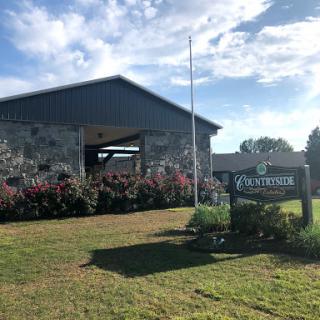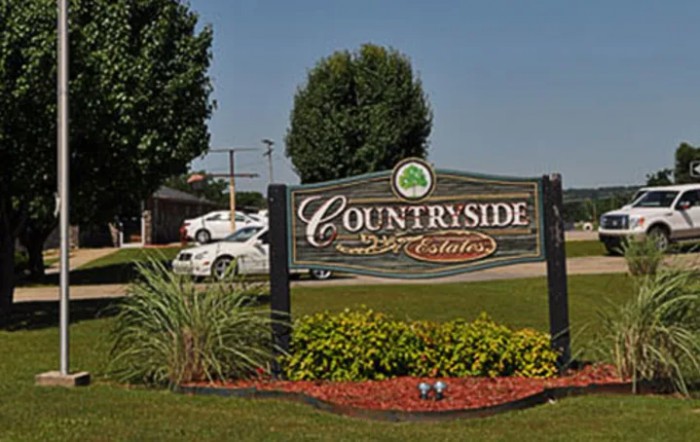
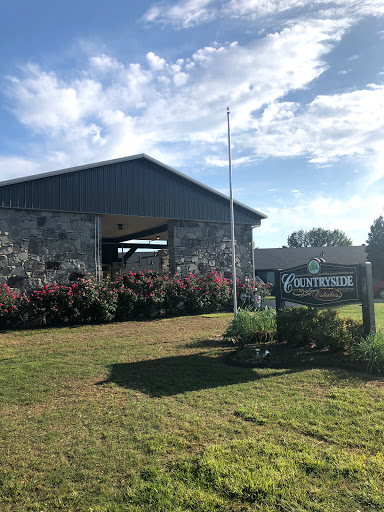
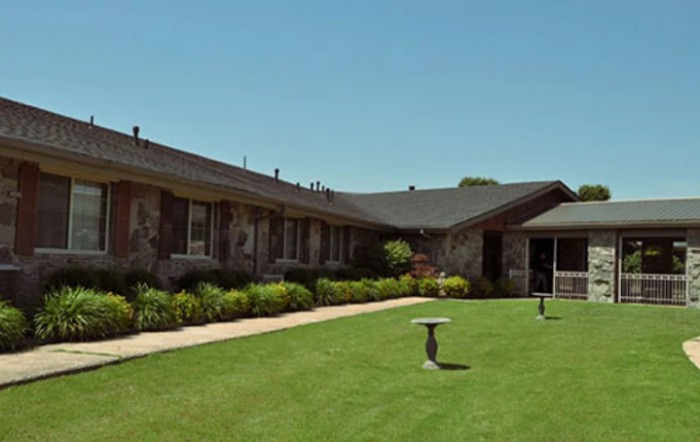

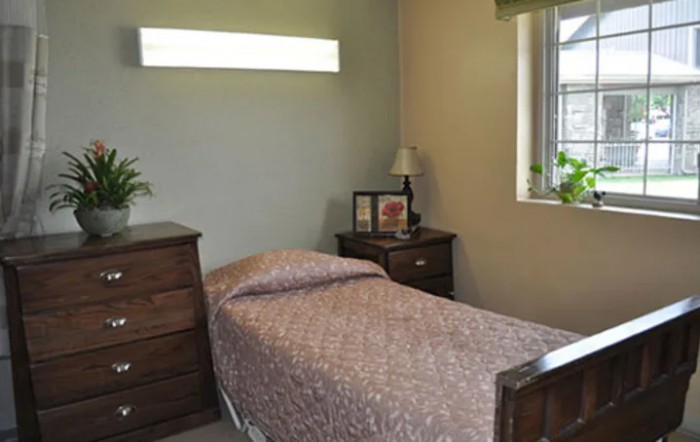
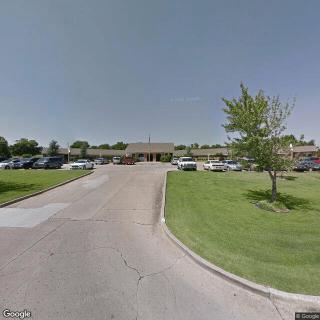
Highway 64 East, Warner, OK 74469
For more information about senior living options: (866) 208-4318
Overall Review of Countryside Estates
Pros
 The staff is very knowledgeable and friendly.
- The facility is very clean.
- They always hire good people for the job.
- They monitor residents very often and provide extra things for residents.
- They work with families for the best care possible.
- Administration, directors, and staff listen and work for the best outcome for residents.
- The caregiver-to-resident relationship is very good.
- They make family and visitors feel welcome.
- They protected all residents from Covid-19 with no cases in the facility.
- They go above and beyond to make residents comfortable and well cared for.
- The food is awesome, like home-cooked meals.
Cons
 The staff were described as angry and disrespectful toward relatives, making concerns feel ineffective.
 - The facility did not send condolences after a family member's death, which was seen as uncaring.
- Visiting was terrible with no privacy.
- Front desk personnel were rude and unhelpful.
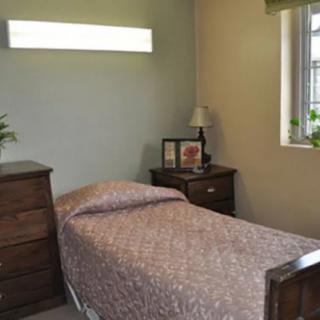
- The facility was dirty and stinky, with little real medical attention, and residents shared rooms.
- The case manager was described as making it difficult to arrange home health or move a family member home.
- The facility was viewed as money-driven and uncaring toward residents.
- Medicare ratings indicated the facility was rated only 1 out of 5 stars.
Review
Countryside Estates in Warner, Oklahoma is best suited for families seeking long-term, ventilator-capable skilled nursing care where clinical capability and hands-on family involvement are prioridades. The community repeatedly earns praise for its ability to manage complex medical needs, vent care, dialysis delivered at bedside, and a staff that is described as knowledgeable and consistently attentive. For families valuing a clean, home-like environment plus daily reassurance from nurses, aides, and administrators who listen and respond, this facility presents a practical fit. It works best when continuity of care and strong relationships with caregivers are non-negotiables, and when a resident’s care plan requires sustained, highly coordinated intervention from a dedicated team.
That said, not every family will find Countryside Estates to be the right fit. Alternatives should be considered by those who prize broad privacy, spacious rooms, and a consistently polished front-desk experience. Several reviews point to encounters with unhelpful or disengaged front-line staff, occasional lapses in attentiveness, and a sense of disorganization in some administrative interactions. For families where ease of visiting and unobstructed, private space are top priorities, or where consistent, exemplary customer service from all staff matters as much as clinical capability, it is prudent to explore other options.
The core strengths in favor of Countryside Estates are substantive and sometimes decisive. The facility’s cleanliness and upkeep are repeatedly noted as high, with residents and families reporting well-maintained corridors, sanitary common areas, and care spaces that feel orderly. Clinical staff, including nurses and aides, are described as professional, caring, and passionate about patient comfort, often going beyond basic tasks to ensure residents are settled and their preferences observed. The administration is portrayed as collaborative, with a willingness to listen and adjust care plans in the resident’s best interest. When a resident’s needs are clear, ventilator support, ongoing monitoring, and personalized daily routines, Countryside Estates delivers a level of coordination that can offset some concerns about environment or interpersonal friction.
However, the negatives highlighted by some reviewers cannot be dismissed. A number of accounts describe rude or disengaged front-desk personnel, appearances of staff being overly busy or inattentive in moments, and complaints about privacy during visits. There are also explicit claims of stinky or dirty conditions, limited privacy in visiting rooms, and inconsistencies in how case management and bedside care are executed. A few families felt underappreciated during emotionally charged moments, such as family losses, which underscores the reality that emotional support and timely, compassionate communication do not uniformly reach every family member. These experiences reveal a real variance in daily operations and interpersonal dynamics across shifts and departments.
In weighing these factors, the decision comes down to needs and tolerances. For a resident relying on ventilator support, with potential dialysis and a demand for robust medical oversight, Countryside Estates offers proven clinical capability, accessible family involvement, and a track record of caring relationships among staff. The positive threads, the cleanliness, the home-cooked-feel meals, the willingness of many caregivers to advocate for residents, and the responsiveness of administration, often counterbalance the concerns raised by other families. Yet the risk of encountering inconsistent customer service, limited privacy, or a perceived disconnect between administrative and bedside teams remains real enough to influence a decision.
Prospective families should approach this choice with a practical, defense-of-choice mindset. Schedule a current, in-depth tour; request to meet the nursing team on the floor where their loved one would reside; inquire about staff ratios, turnover, and the facility’s process for handling concerns or grievances. Clarify what kinds of private spaces are available for visits, what daily routines look like for a ventilated resident, and how meals can be tailored to personal preferences. Gather references beyond the brochure, and compare alongside nearby options that offer similar clinical capabilities but different cultural or environmental strengths. The goal is to verify that the day-to-day experience aligns with the resident’s medical needs and the family’s expectations for compassion, communication, and privacy.
In practical terms, Countryside Estates earns its best marks when care is the priority and staff-to-resident engagement is steady. Families that value clinical expertise, clear communication, and a partnership approach with administration will likely feel confidence in this community. Those for whom privacy, consistent front-desk service, and a uniformly seamless resident experience are non-negotiable should keep alternatives in view and evaluate whether the environment can meet those needs. The right choice hinges on aligning the resident’s medical requirements with the daily lived reality of staff behavior, facility atmosphere, and the quality of family communication, elements that, in this setting, can mean the difference between confident, peaceful care and ongoing adjustment.
 111 resident community capacity
 Skilled Nursing Facility
 Air-conditioning
 Beauty salon
 Cable or satellite TV
 Computer center
 Dining room
 Fitness room
 Fully furnished
 Gaming room
 Garden
 Housekeeping services
 Kitchenette
 Move-in coordination
 Outdoor space
 Private bathrooms
 Restaurant-style dining
 Small library
 Telephone
 Wellness center
 Wi-Fi/high-speed internet available
 Community operated transportation
 12-16 hour nursing
 24-hour call system
 Activities of daily living assistance
 Assistance with bathing
 Assistance with dressing
 Assistance with transfers
 Diabetes diet
 Medication management
 Mental wellness program
 Special dietary restrictions
 Concierge services
 Planned day trips



 Fecal Incontinence in Older Adults: A Comprehensive Guide
 Recognizing the Journey: Understanding and Navigating Anticipatory Grief
 Encouraging Participation in Adult Day Care: A Guide to Supporting a Hesitant Parent