For more information about senior living options: (866) 208-4318
3.4 from 79 reviews
5 stars
43
4 stars
2
3 stars
4
2 stars
2
1 stars
28
Overall Review of Southern Hills Rehabilitation Center
common24 reviews mention this
Care teams are described both ways
Residents and families describe care staff with both strong praise and serious concerns.
Many reviewers say the nursing and broader support teams are caring, friendly, and attentive, including mention of specific roles like nurses, aides, therapists, and the director of nursing. A separate group of reviews describes the opposite experience, including neglect, unresponsiveness, and significant day-to-day breakdowns in help and supervision. Several comments also connect these care experiences to staffing levels, which is why opinions vary so widely across reviews.
differentiator7 reviews mention this
Therapy is frequently singled out
Physical and rehabilitation therapy comes up repeatedly in reviews.
Across multiple reviews, families mention therapy sessions and day-to-day rehab support, sometimes describing therapy being provided in-room or adjusted around limitations. Some reviewers also give therapy credit even when they have complaints about other parts of the stay, suggesting therapy is one of the clearer strengths. Others still flag gaps in daily care, but therapy itself is a consistent point residents and families talk about.
caveat15 reviews mention this
Room cleanliness is a major divide
Cleanliness complaints are common and can be severe.
Several negative reviews describe dirty rooms and bathrooms, including issues like stained or unsanitary conditions, bed and floor cleanliness problems, and reports of pests. Positive reviews also exist, including comments that the facility is clean and that cleaning crews are active. That split shows up in the writing, with some reviewers calling out housekeeping and sanitation as an ongoing concern.
caveat10 reviews mention this
Staffing and call response concerns
Residents and families raise recurring staffing and response-time concerns.
Some reviewers say staffing is too low to meet residents’ needs, and a few mention long waits for help after call lights are pressed. Several negative comments also describe delayed or incomplete assistance with basic care, including hydration, hygiene, and meal help. A smaller number of more positive reviews acknowledge staffing shortfalls sometimes but still report that their loved ones received good care overall.
common5 reviews mention this
Dining support and diet options
Dining comes up in reviews, including mentions of meal service.
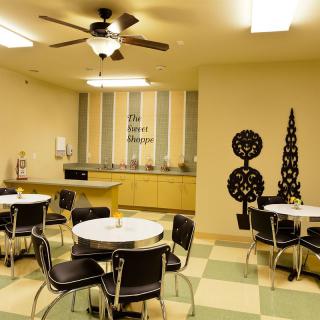
Some reviews highlight food quality and meal experience, including appreciation for dietary support and meal-related help. Other reviewers mention that meals can arrive late or not as expected, which is part of the broader concern about daily service consistency. The community also offers restaurant-style dining, and the dining mentions in reviews align with why this stays on people’s radar.
How we summarize
Counts show how many written reviews mention each theme; a review can touch several themes, and only frequently mentioned themes are displayed.
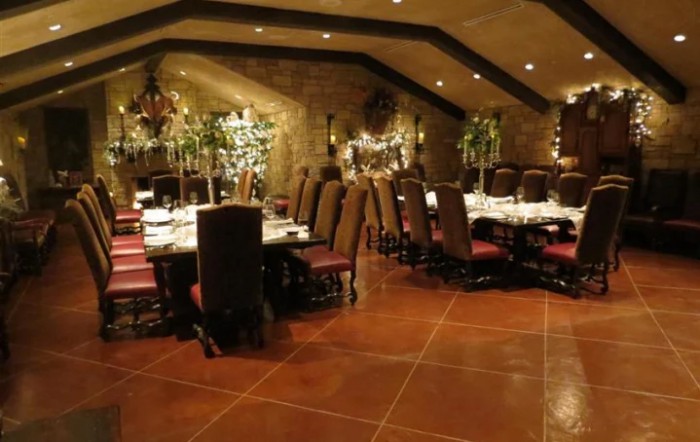
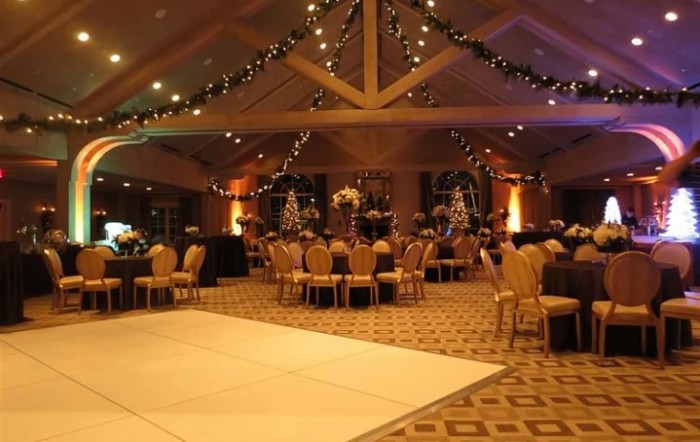
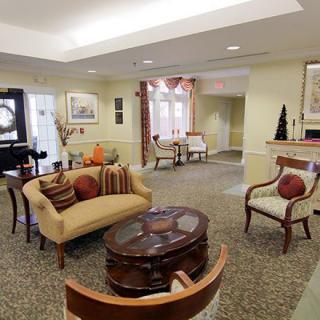
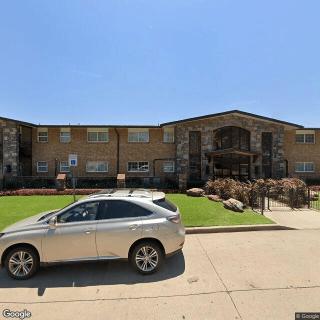
Southern Hills Rehabilitation Center on seniors.fyi includes 5 photos including images showing dining, decor, interior, lights, indoor lighting, and more.
Nearby Communities
Southern Hills Independent Living
Tulsa, OK
4.2 from 59 reviews
$1,500 to $2,400 / month
Affordable independent living with a friendly staff and social activities.
24/7 BrightStar Healthcare
Tulsa, OK
4.6 from 45 reviews
Exceptional care with easy access to hospitals, pharmacies, and local amenities.
Home Instead Senior Care
Tulsa, OK
4.8 from 37 reviews
Extensive nearby amenities (pharmacies, hospitals, restaurants, parks) for convenient access.
Parks Edge Nursing And Rehabilitation Center
Tulsa, OK
2.9 from 28 reviews
Compassionate staff and a clean, well-maintained environment with engaging activities.
Parks Edge Nursing & Rehab Center
Tulsa, OK
3 from 20 reviews
Top-tier security and caring, competent staff.
Home Instead - Tulsa, OK
Tulsa, OK
4.9 from 55 reviews
Strong, personalized caregiver matching and responsive support that enhances safety and daily living.
The Grove at Midtown Senior Living
Tulsa, OK
4.4 from 155 reviews
$2,415 to $5,775 / month
Caring, attentive staff in a clean, engaging memory-care setting.
The Villages at Southern Hills
Tulsa, OK
3.2 from 227 reviews
$3,085 to $4,011 / month
Clean, spacious rooms with friendly staff and engaging activities.
Scandia Retirement Community
Tulsa, OK
4.5 from 15 reviews
$1,890 to $2,140 / month
Caring staff, reliable transport to appointments, and flexible dining.
Home health care has become essential for supporting independence among the aging population, offering diverse services such as skilled nursing and rehabilitation in familiar environments, while also incorporating technology for personalized care. Despite its benefits, including improved recovery rates and emotional well-being, challenges like safety, staff availability, and insurance navigation must be managed for effective implementation.
Home health care offers a range of clinical services provided in a patient's home, including nursing and therapy, tailored to individual needs, particularly for aging seniors with chronic conditions. This approach enhances patient independence, promotes better disease management, and utilizes technology for real-time monitoring while fostering collaboration among healthcare providers and family members.
Seniors benefit from ride-hailing services like Uber and Lyft, which provide convenient and accessible transportation options that promote independence and social engagement, while addressing mobility challenges. These platforms have adapted to meet senior needs with user-friendly features and safety measures, although costs can be a concern; community programs may help subsidize rides for older adults.
Get PricingAsk A QuestionSchedule A TourContact Senior Advisor
By clicking submit, you agree to our Partner's Terms of Use. You
also consent to receive calls and texts, which may be autodialed, from our Partner. Your consent is not a condition to
using our Partner's service. Please visit our Partner's Privacy Policy for information about their privacy practices.







 106 resident community capacity
 Skilled Nursing Facility
 Air-conditioning
 Beautician on-site
 Cable or satellite TV
 Computer center
 Dining room
 Fitness room
 Fully furnished
 Gaming room
 Garden
 Guest parking
 Housekeeping services
 Kitchenette
 Laundry
 Move-in coordination
 Outdoor space
 Private bathrooms
 Restaurant-style dining
 Small library
 Telephone
 Wellness center
 Wi-Fi/high-speed internet available
 Tulsa International (8 miles away)
 Community operated transportation
 12-16 hour nursing
 24-hour call system
 Activities of daily living assistance
 Assistance with bathing
 Assistance with dressing
 Assistance with transfers
 Diabetes diet
 Hospice care
 Medication management
 Mental wellness program
 Physical therapy
 Psychiatric care
 Special dietary restrictions
 Concierge services
 Planned day trips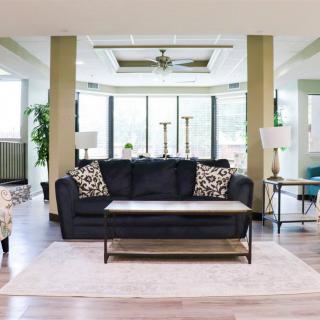
 Affordable independent living with a friendly staff and social activities.

 Understanding Home Health Care: A Comprehensive Guide
 Home Health Care Demystified: A Comprehensive Guide for Families and Caregivers
 Seniors and Modern Transportation: Exploring Uber, Lyft, and Other Ride-Hailing Options