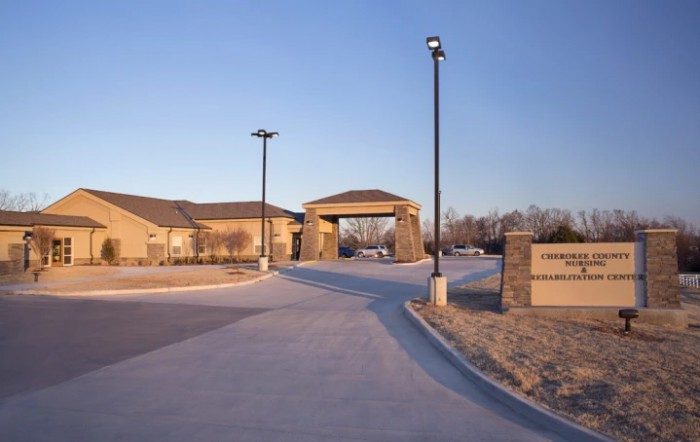
1504 North Cedar Avenue, Tahlequah, OK 74464
For more information about senior living options: (866) 208-4318
Overall Review of Cherokee County Nursing Center
Pros
 The facility is great, and the staff and therapy team go above and beyond.
- The facility is clean and the staff are wonderful.
- The staff are friendly, professional, and compassionate with patients in pain, discomfort, and uncertainty.
- The nurses were very friendly to the patient.
- The nurses provided solid care, and some administrative staff were kind.
- The patient had a good time there and is looking forward to returning.
- The room is nice, spacious, and well-appointed.
Cons
 The nurses are rude to visitors.
- The receptionist does not acknowledge visitors.
- The staff's attitude toward others is unfriendly.
- The staff have a habit of losing residents' clothes, shoes, and other personal items.
- The food is never hot.
- The facility advertises daily activities that are untrue.
- Cherokee County Nursing Center is horrible.
- There are no phones in the patients' rooms.
- There is no therapy on weekends.
- Therapy sessions are inconsistent in length and frequency.
- There is only one nurse aide for twenty patients at night.
- Staffing is poor and staff changes frequently.
Review
Cherokee County Nursing Center in Tahlequah is best suited for families that value a clean, well-maintained environment and resources that show genuine effort from therapy teams and front-line staff. When emphasis is placed on approachable, friendly care and a facility that feels orderly and welcoming, this community delivers. It can be a solid choice for long-term residents who want dependable daily routines, a respectable level of nursing attention, and engaging activities that create social touchpoints. The campus atmosphere, from nicely appointed rooms to a generally tidy setting, aligns with expectations for comfort and dignity in care. Those who prioritize a warm, person-centered vibe at the bedside will find meaningful positives here, especially if the emphasis is on consistent clinical attention and rehabilitative support during the day.
At the same time, this community invites careful consideration for families where reliability, consistency, and respectful communication are non-negotiable. Alternatives should be on the table for families that cannot tolerate regular lapses in staff demeanor, frequent turnover, or unclear accountability among leadership. If the benchmark includes uniformly courteous communication from nurses, predictable responses, and a stable caregiving team, other facilities may better align with those standards. For residents with high dependence on weekend therapies, precise medication timing, and a seamless, continuous care plan, the potential gaps here could be too disruptive. The price point and perceived variability in service intensity further push some families to compare a broader range of options before committing.
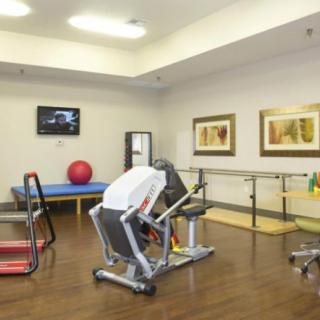
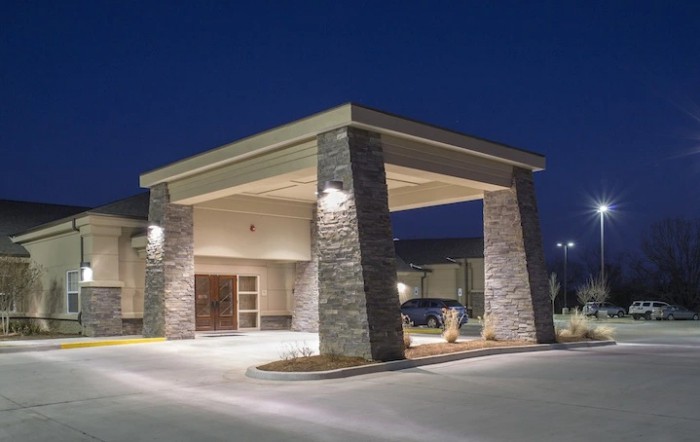
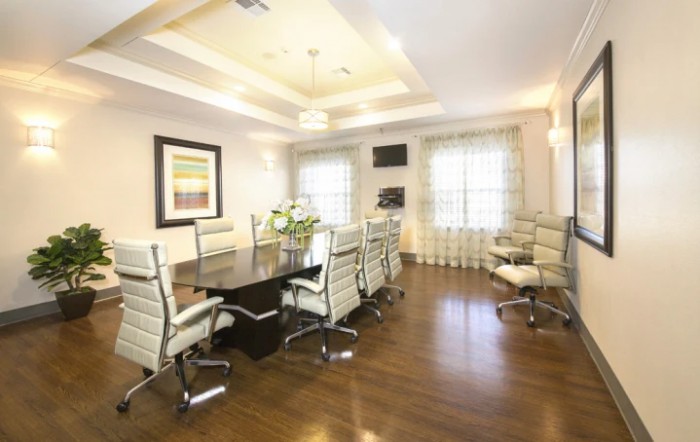
On balance, the strongest positives point to the quality of the therapy team and the overall cleanliness and upkeep. Several reviews praise staff and therapists who go above and beyond, building a sense of trust through bedside attentiveness and professional, compassionate care. The facility itself is described as attractive and well-maintained, with spacious rooms that feel comfortable and private. When therapy appears to be well-structured and the care day-to-day shows intention, these elements help offset occasional concerns about staffing or communication. In practice, these advantages matter most for residents who benefit from structured rehab plans, consistent therapy schedules during weekdays, and a stable routine that supports recovery or ongoing rehabilitation goals.
Yet the list of drawbacks cannot be dismissed. Recurrent complaints about rude or dismissive behavior from some nurses, and a broader sense of staff disorganization, undermine the consistency needed for trusted care. Reports of lost clothing and personal items, plus worries about the reliability of basic services like food temperature and timely medication administration, signal real gaps that affect daily peace of mind. The perception of poor bedside manner from head nurses and frequent staff turnover intensifies this impression, making it harder for families to feel completely confident in the level of individualized attention each resident receives. In short, the positive clinical touchpoints are not enough to fully counterbalance these operational inconsistencies.
Another clear friction point concerns practical, day-to-day logistics. Several residents critique the dining experience as inconsistent, with meals not served hot and, in some cases, sparse guest options for family meals. The absence of phones in patient rooms emerges as a genuine inconvenience for families trying to stay connected, even as some residents note adequate in-room accommodations overall. Weekend therapy gaps, sporadic therapy durations on weekdays, and variable nursing coverage contribute to an experience that can feel uncertain or reactive rather than proactive. These issues compound the perception that, despite a clean facility and capable clinicians, the care system still relies heavily on individual staff members' goodwill rather than a dependable, institution-wide treatment standard.
For decision-making, a thorough on-site tour is essential, followed by direct conversations with the unit manager and the therapy supervisor. Prospective families should insist on a clear, written outline of weekend rehabilitation availability, medication administration protocols, and a timetable for how staffing shortages are addressed. Ask for examples of daily activity schedules, and request to meet several current residents or families to gauge consistency in routine and communication. Verify room configurations, whether phones can be added to rooms, and what accommodations exist for family meals or guest dining. In short, go into the process with a pointed checklist, focusing on staffing stability, bedside communication, and the reliability of everyday services that truly shape a residentā€™s quality of life.
Ultimately, Cherokee County Nursing Center can be a strong fit for families who are realistic about trade-offs and who prioritize a clean, respectful environment with a capable therapy presence. The facility offers meaningful advantages in staff warmth and clinical attention that can support recovery and ongoing care. However, the cons, particularly inconsistent staffing, uneven bedside manners among some team members, and practical gaps in everyday operations, can overwhelm the benefits if not actively managed. If the budget allows and the family values robust, predictable routines, exploring alternative communities with demonstrated staffing consistency and tighter management controls is prudent. When a family is prepared to monitor and advocate for these areas, Cherokee County Nursing Center becomes a viable option worth pursuing.
 100 resident community capacity
 Skilled Nursing Facility
 Air-conditioning
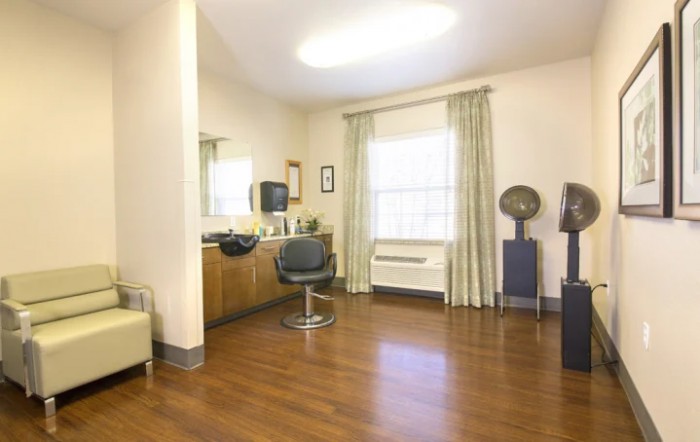
 Beauty salon
 Cable or satellite TV
 Computer center
 Dining room
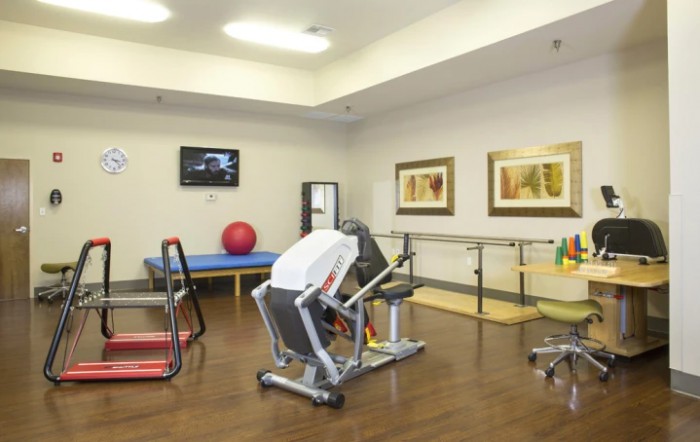
 Fitness room
 Fully furnished
 Gaming room
 Garden
 Housekeeping services
 Kitchenette
 Move-in coordination
 Outdoor space
 Private bathrooms
 Restaurant-style dining
 Small library
 Telephone
 Wellness center
 Wi-Fi/high-speed internet available
 Community operated transportation
 12-16 hour nursing
 24-hour call system
 Activities of daily living assistance
 Assistance with bathing
 Assistance with dressing
 Assistance with transfers
 Diabetes diet
 Medication management
 Mental wellness program
 Special dietary restrictions
 Concierge services
 Planned day trips





 Ten Vital Duties of a Senior Caregiver: A Comprehensive Guide
 9 Stimulating Memory Activities for Seniors: Puzzles, Cards, and Much More
 Managing Nursing Home Expenses After Medicare Coverage Ends