
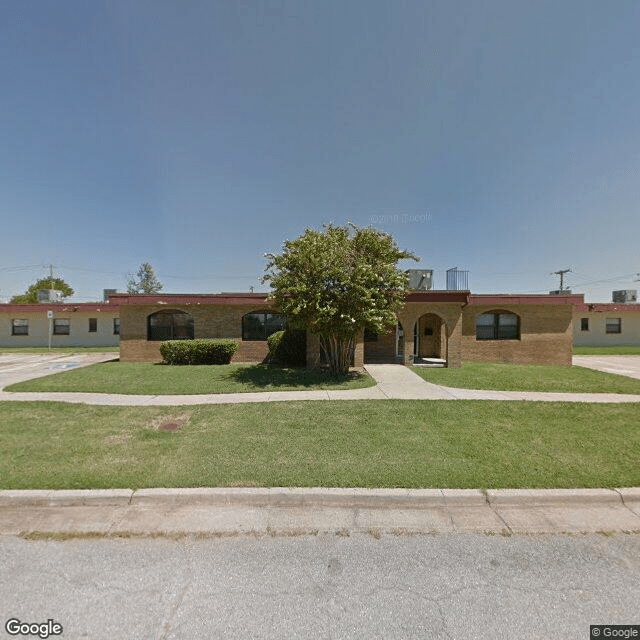
1215 NE 34th St, Oklahoma City, OK 73111
To contact a resident: (405) 424-4000
For more information about senior living options: (866) 208-4318
Overall Review of Alvira Heights Manor
Pros
 The CNAs are friendly and caring.
- Eric the maintenance man is very kind, caring, and hard-working.
- The staff and residents treated their loved one like family and were very caring and committed to her well-being.
- The facility is described as absolutely wonderful.
- The staff are good people.
- The reviewers would highly recommend this facility for a loved one seeking a small, intimate setting.
Cons
 They say elder care in the USA is horrible, especially for those who are not rich, and that everything is about money, even healthcare.
- They describe the facility as disgusting for allowing this.
- They report the shared toilet was disgusting or flooded, and the bathroom remained very wet and unsanitary for weeks.
- They state the building was uncomfortably hot because the AC wasn’t working, leaving residents without cooling.
- They allege corporate stole two Social Security checks after discharge and has not returned the money.
- They recount neglect and poor care in their daughter’s death, including not brushing teeth, weeks without showers, hair loss, bedsores, isolation, and a lack of transparent test results.
- They claim their father died in the facility’s care within a month, implying inadequate care.
- They note that while CNAs are friendly, their time with difficult patients reduces attention to other residents.
Review
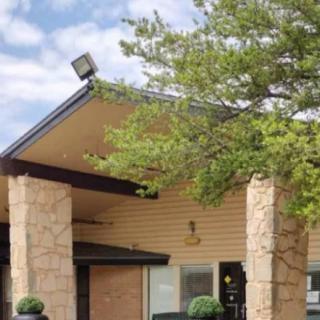
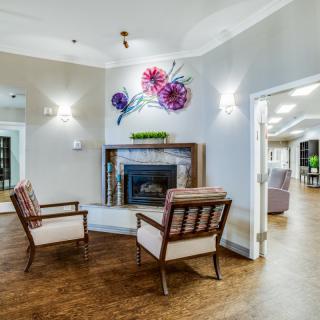
Alvira Heights Manor is best suited for families seeking a small, home-like setting in Oklahoma City where caregiving staff are accessible, seemingly compassionate, and willing to form personal connections with residents. This community can work for a loved one who benefits from frequent, hands-on attention from CNAs and a maintenance team that responds, even when resources feel limited. It is less appropriate for those who require steady, high-level clinical oversight, consistent facility maintenance, and dependable, top-tier dining. Families should expect a warm, interpersonal environment, but plan for potential gaps in safety, cleanliness, and systematized care that can undermine stability over time.
Those who may want to consider alternatives are primarily families with loved ones who need robust medical monitoring, specialized wound or dementia care, or consistent, high-quality nutrition and climate control. If the expectation is reliable, well-managed safety protocols, prompt responses to urgent medical needs, and predictable daily routines, this facility may fall short. Red flags for alternative options include complaints about sanitation lapses, inconsistent staff coverage, nonfunctional air conditioning, and financial or administrative concerns reported by residents or families. In short, a caregiver’s advocate will need to be especially vigilant here.
The strongest positives, friendly, caring CNAs who connect with residents, and a maintenance staffer who genuinely cares, do carry some weight. When staff show warmth and willingness to engage, they create moments of dignity and comfort that can soften the harsher realities of aging in care. In smaller, more intimate settings, this can translate to meaningful daily interactions and a sense of “being known.” Those factors can offset frictions in routines or formal programming, but they do not erase the systemic risks tied to sanitation, safety, and clinical adequacy. For families willing to supervise and supplement care, these redeeming traits can make a meaningful difference in quality-of-life moments.
Yet the recurring concerns dominate the calculus. Reported issues span from unsanitary bathroom conditions and unsafe fall risks to heat and climate control failures that leave residents uncomfortably hot. Food quality questions have surfaced, with weight fluctuations suggesting nutrition that does not consistently meet residents’ needs. There are grave allegations about neglect and delays in essential medical attention, including concerns about wound care, hygiene, and overall responsiveness. Occasional testimonials celebrate individual staff members, but the pattern of care gaps described by families paints a risk profile that cannot be ignored.
Decision-making should be guided by how much risk can be mitigated through active oversight. Prospective residents and families should insist on visible, consistent clinical oversight, reliable room climate control, strict cleanliness and sanitation standards, and transparent communication about testing, medications, and care plans. Ask for current staffing ratios, access to a licensed nurse on all shifts, and concrete improvement plans for any recurring deficiencies. Review state inspection histories, request to speak with the administrator, and observe multiple shifts to gauge the consistency of care and supervision.
In practical terms, this community will not suit every family. For those prioritizing medical safety, predictable routines, and impeccable upkeep, stronger alternatives are advisable. If choosing Alvira Heights Manor, approach the placement as a careful, closely monitored interim step rather than a long-term certainty: designate a dedicated care advocate, establish a clear escalation path for concerns, and prepare to transition to a facility with stronger clinical infrastructure if persistent gaps emerge. The decision should be anchored in the reality that genuine compassion exists here, but it must be paired with unwavering accountability and ongoing, proactive supervision to ensure lasting safety and dignity.
 Skilled Nursing Facility
 Will Rogers World (10 miles away)

 Navigating the Financial Road to Nursing Home Care: In-Depth Guidance and Resources
 Supportive Employee Benefits That Help Caregivers Attain Better Work-Life Harmony
 Top Cars for Senior Drivers and Essential Safety Innovations