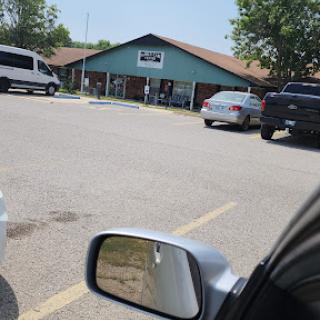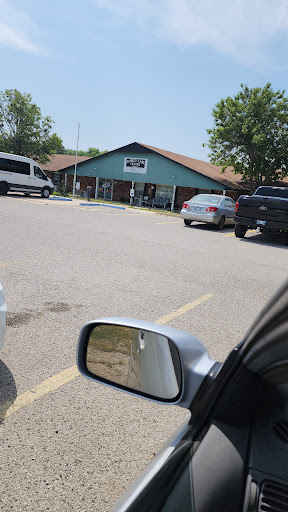
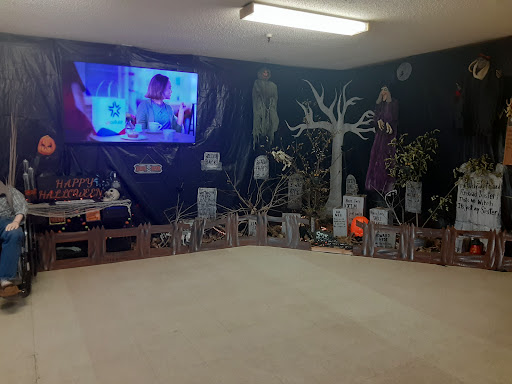

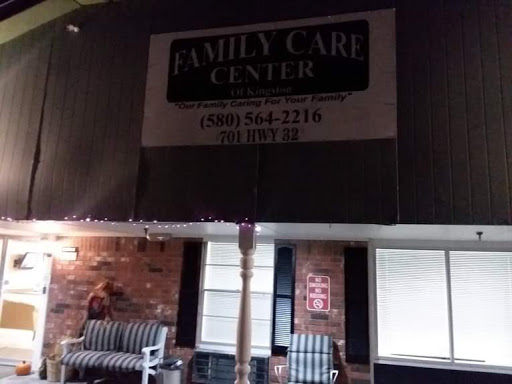
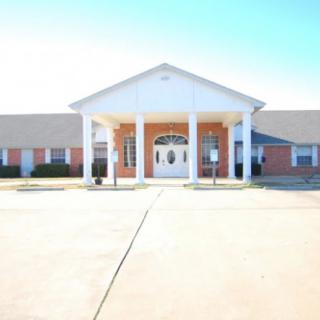
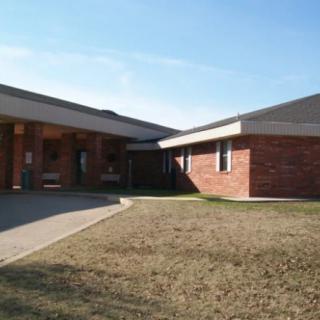
701 Highway 32, Kingston, OK 73439
For more information about senior living options: (866) 208-4318
Overall Review of Family Care Center Of Kingston
Pros
 They were great during her rehab.
- They take good care of their patients and are very good people there.
- She is treated like family there.
- They look out for all of her needs.
- Everything has been wonderful there.
- They are welcoming when visitors come.
- Malinda is awesome.
Cons
 They did no physical therapy of any kind after swearing they would.
- They allowed only a tiny bit of walking to the dining room, which was not physical therapy.
- They kept giving antibiotics that were useless to fix the infection.
- Her feet, ankles, and legs swelled so badly they looked like they would pop, and they did nothing for that.
- Even after Medicaid approval, they didnā€™t bother to do anything for her.
- They were basically useless for physical rehab unless they were receiving payment for physical therapy.
- The monthly center fee during long-term care did not cover anything else.
Review
Family Care Center Of Kingston in Kingston, OK is best suited for seniors who want a warm, family-like setting where daily living support and companionship are readily available. The community shines for residents who are relatively stable but require hands-on, attentive care from staff who treat residents with genuine warmth. This is not primarily a rehab-focused facility; it functions best as a comfortable home base for ongoing assistance, social connection, and routine care needs rather than a center for aggressive physical therapy. Families will find value in the welcoming culture and dependable staffing. Those expecting robust, structured rehab after hospital stays may want to consider alternatives unless confident that therapy is covered and effectively delivered.
Reviewers consistently point to real care and good people on the floor. Residents are treated like family, and visitors are welcomed warmly. The positive tone across multiple accounts suggests a steady, cheerful environment where staff take the time to look out for individual needs and to foster a sense of belonging. In practical terms, that means fewer barriers to visibility and more consistent, respectful interactions with nurses and aides. For families prioritizing emotional comfort, a comfortable, respectful atmosphere can ease the caregiving burden and create a predictable daily routine.
Yet the standout caveat is rehabilitation and medical responsiveness when funding or coverage shifts. One long-term resident experienced a serious gap in physical therapy after Medicare skilled nursing days expired, despite assurances. The criticism centers on the belief that true rehab requires ongoing, actively delivered therapy rather than minor activity like walking to meals. Add in a stubborn urinary infection management and unaddressed edema, and the concern becomes clear: for families relying on skilled nursing to drive recovery, the degree of treatment can hinge on payment status rather than clinical need. That pattern makes it hard to rely on this center for comprehensive rehab when finances are tight.
When the pros align, compassionate staff, a welcoming atmosphere, and consistent day-to-day care, they offset some of the drawbacks, particularly for residents who simply need daily assistance and social engagement. The emotional value of a place that feels like a second home cannot be overstated for families dealing with transitions. The ability to visit easily, to know caregivers by name, and to see steady, kind interactions contributes to peace of mind that medical acuity might not fully provide elsewhere. In practical terms, this means families may accept or tolerate rehab gaps if the overall atmosphere reduces stress and supports the resident's well-being.
For anyone with serious rehab goals or medically complex needs, alternatives deserve consideration. If robust physical therapy, timely antibiotic management, edema treatment, and proactive medical oversight are non-negotiable, another facility may deliver more consistent results. The Medicare/Medicaid coverage question looms large; without clear, ongoing therapy funded by insurance, gains from a strong personal culture may be insufficient. Those with funds or comprehensive coverage who want more aggressive rehab and fewer policy-driven delays will likely prefer a center with a proven, well-staffed therapy program.
In making a choice, balance the emotional and social advantages against the likelihood of receiving steady rehabilitation and medical responsiveness. Schedule direct discussions with staff about therapy availability, coverage, and care plans; observe how admissions staff explain services; and assess whether the current atmosphere truly supports long-term wellness. For families prioritizing a caring, home-like environment and prepared to supplement rehab through external therapy if needed, Family Care Center Of Kingston stands as a compelling option. For those reliant on vigorous, in-house physical therapy and inpatient medical management, it is prudent to explore alternatives that consistently deliver those services.
 60 resident community capacity
 Skilled Nursing Facility
 Air-conditioning
 Beauty salon
 Cable or satellite TV
 Computer center
 Dining room
 Fitness room
 Fully furnished
 Gaming room
 Garden
 Housekeeping services
 Kitchenette
 Move-in coordination
 Outdoor space
 Private bathrooms
 Restaurant-style dining
 Small library
 Telephone
 Wellness center
 Wi-Fi/high-speed internet available
 Community operated transportation
 12-16 hour nursing
 24-hour call system
 Activities of daily living assistance
 Assistance with bathing
 Assistance with dressing
 Assistance with transfers
 Diabetes diet
 Medication management
 Mental wellness program
 Special dietary restrictions
 Concierge services
 Planned day trips


 Engaging Brain Games and Innovative Apps to Keep Senior Minds Active
 Effective Strategies for Keeping Seniors' Minds Active: A Deep Dive into Brain Games and Apps
 In-Depth Look at the VA Aid and Attendance Program